Brushing In a Ground Blind
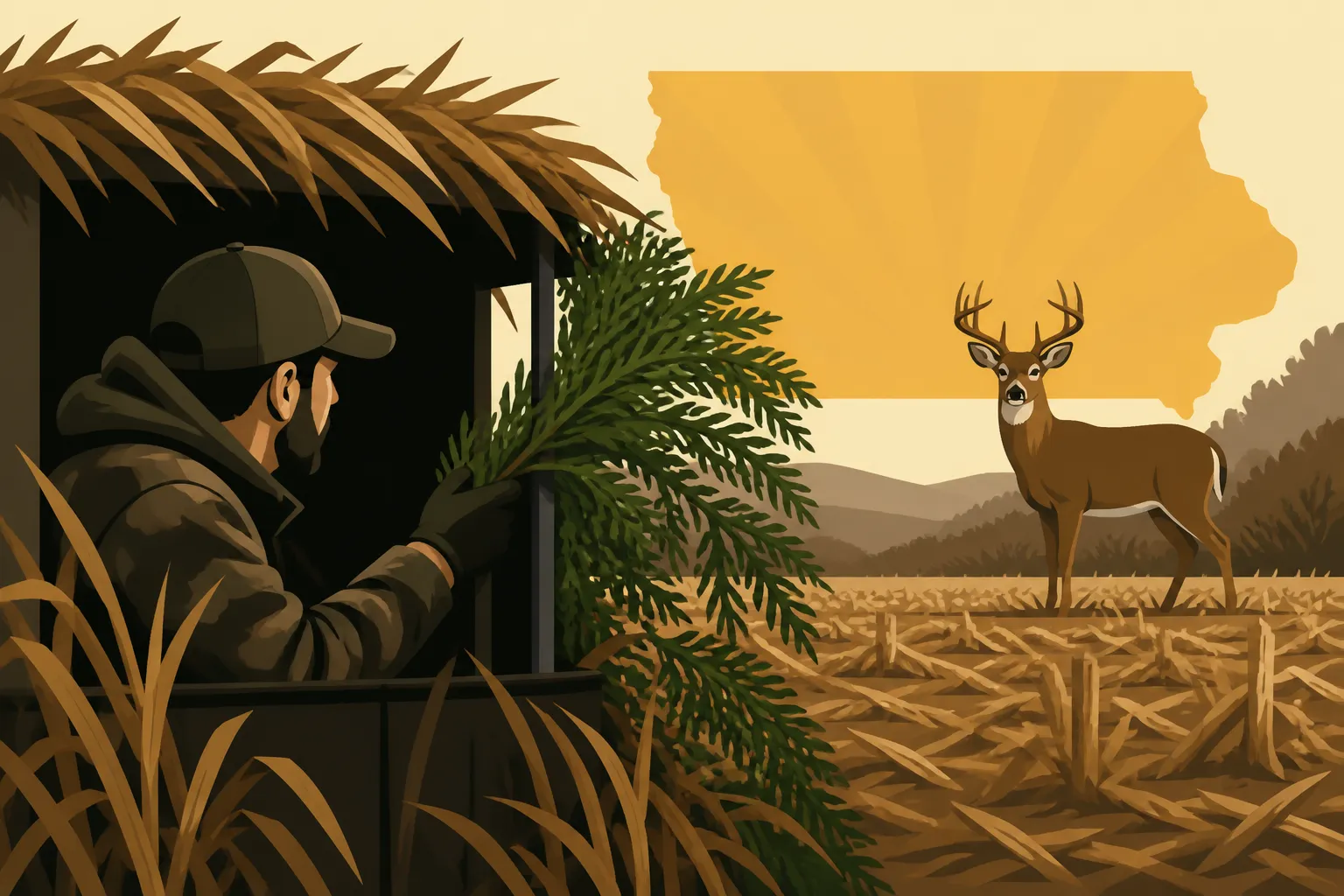
It’s a common frustration: you set up your ground blind, excited for an ambush, only to realize it sticks out like a sore thumb against the natural landscape. Deer, with their incredible vision and wary nature, often spot these artificial structures a mile away, leaving you wondering why your perfect setup isn’t producing. This comprehensive guide will walk you through the essential techniques for effectively brushing in a ground blind in Iowa, transforming it into an invisible fortress that blends seamlessly with its surroundings, increasing your chances for a successful hunt.
Why Brushing In Your Blind Is Crucial for Iowa Deer Hunting
Setting up a ground blind without proper concealment is like walking into a deer woods wearing a neon sign. Iowa whitetails are incredibly intelligent and keenly observant, especially mature bucks. Ignoring the need to brush in your blind is one of the quickest ways to educate deer to your presence, making them avoid your hunting area entirely. It’s not just about hiding; it’s about creating an extension of the environment, something that looks completely natural.
Deer Vision and Scent Detection Challenges
Deer see the world differently than we do. While they don't see colors the same way, their ability to detect movement and contrast is exceptional. A solid block of unnatural color or shape, like a pop-up blind, stands out sharply, particularly against a uniform background. Imagine a dark green blind against a golden bean field or a brown blind against green timber – it's a stark contrast that immediately alerts them. Furthermore, while brushing helps visually, it also provides a barrier, albeit a minor one, to help disperse some human scent that might otherwise waft directly from your blind. This dual benefit makes proper concealment paramount. Even subtle movements inside an unbrushed blind can be magnified, sending a clear signal of danger to any approaching deer. When considering your scent, it’s worth thinking about the impact of Scent Control Products and What They Do.
Blending into Iowa's Diverse Landscape
Iowa offers a beautiful tapestry of agricultural fields, river bottom timber, CRP grasslands, and thickets. Each environment presents unique challenges and opportunities for concealment. A blind that might look okay tucked into a dense cedar thicket will be completely exposed on the edge of a cut cornfield. Effective brushing means utilizing the exact materials found in your immediate hunting spot. Whether it's corn stalks, multiflora rose branches, oak limbs, or prairie grasses, the goal is to make your blind indistinguishable from the natural flora around it. This localized approach is critical for success, as a generic "camo" pattern rarely matches the specific textures and colors of Iowa's varied habitats. This is where tools like GoHunt can be invaluable for pre-scouting terrain types and identifying potential ambush points with natural cover.
Maximizing Shot Opportunities and Confidence
A well-brushed blind doesn't just fool deer; it boosts your confidence. When you know your setup is virtually invisible, you’re more relaxed, and that calmness translates into better hunting. It allows deer to approach closer, offering better shot angles and reducing the chance of them "getting jumpy" before you can draw your bow or shoulder your firearm. Think about those wary older bucks that seem to circle every setup – a properly brushed blind can turn their cautious approach into a comfortable stroll within shooting range. It minimizes the visual clutter, letting you focus on the deer rather than worrying if they've spotted your blind yet. It's the difference between an educated deer skirting your position wide and one confidently walking into your shooting lane, completely unaware of your presence. Understanding the nuances of Ground Blinds in Iowa Farm Country, especially in high-pressure areas, makes this even more critical.
Planning Your Ground Blind Placement and Brushing Strategy
Before you even think about cutting branches or stapling corn stalks, the real work begins with strategic planning. Brushing in a blind is an extension of smart blind placement. You need to identify a location that naturally offers some concealment, rather than trying to build a fortress in the middle of a bare field. This forethought saves a tremendous amount of effort and makes your final setup much more effective.
Scouting for Natural Cover and Travel Routes
The best time to plan your blind setup is long before the season opens. Spend time Scouting Iowa Timber and River Bottoms, or the edges of crop fields where deer naturally move. Look for existing features like fence lines overgrown with brush, small timber points between two fields, or thick creek corridors. These natural elements provide a head start on concealment. An aerial map service, like those integrated into GoHunt, can help you identify these "soft spots" in the landscape where cover meets deer travel. You're looking for places where a blind can nestle into the landscape, rather than sit on it. Consider how deer will approach and depart, and where the prevailing wind will carry your scent. Reading Aerial Imagery for Bedding Cover, for example, can show you where deer are likely to be, giving you ideas for where they'll travel past your blind.
Considering Wind Direction and Sun Position
Blind placement isn't just about hiding; it’s about managing your scent and visibility. Always position your blind so the prevailing wind carries your scent away from anticipated deer travel routes. Nothing defeats a perfectly brushed blind faster than a waft of human scent. Equally important is the sun's position. Avoid facing west if you plan on evening hunts, or east for morning hunts, as the low sun can silhouette your blind, making it highly visible, and also make it incredibly difficult to see out without squinting. Placing the sun behind you or to your side helps keep your blind in shadow and allows for comfortable viewing. Understanding Wind and Thermals in River Breaks, for instance, is especially critical when setting up in those bottomland areas. Also, consider your Access Routes That Do Not Bump Deer, ensuring your approach and exit don't give away your presence or location.
Gathering Local Vegetation Materials
Once you've chosen your spot, assess the available natural materials. This is where hyper-local adaptation comes into play. What kind of vegetation is abundant right there?
- Corn Stalks: If you’re near a picked cornfield, these are a goldmine. They offer great height and texture.
- Soybean Stubble: Not as bulky as corn, but can be layered to add texture.
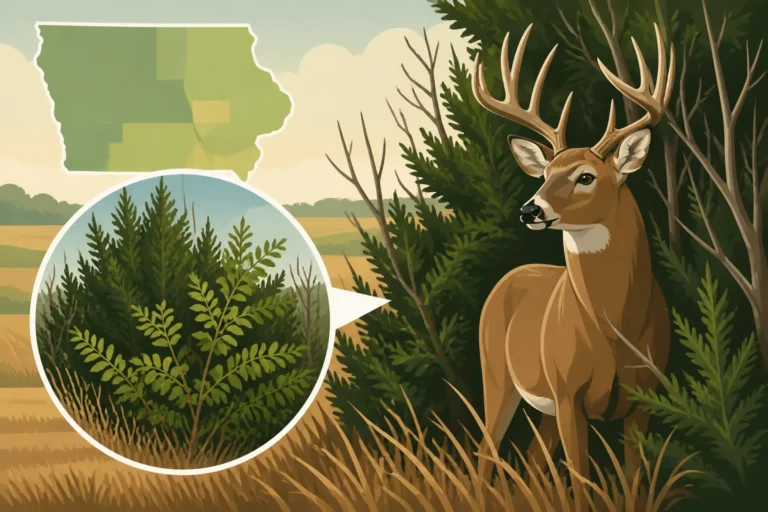
- Cedar or Pine Branches: Excellent for year-round green coverage, especially in colder months. Cedar and Locust Thickets as Bedding Cover, common in many parts of Iowa, provide ample material.
- Hardwood Limbs/Branches: Oak, maple, or other deciduous branches with leaves (if in season) provide great bulk and break up outlines.
- Prairie Grasses/Weeds: CRP fields or ditches offer tall, thick grasses that can be woven into the blind. CRP Grass and Where Bucks Bed, means these areas are often hotspots for deer, and thus, for blind placement.
- Multiflora Rose/Other Thorny Brush: While a pain to work with, these provide incredible natural deterrents and a very wild, dense look.
Gather more than you think you'll need. It’s better to have too much than to run out halfway through the process. Always respect private property and only gather materials on land where you have permission or on public land where collection is allowed.
Step-by-Step Guide to Brushing In Your Ground Blind
Now that you've done your homework, it's time to get hands-on. Brushing in a blind is more than just throwing some branches at it; it's a methodical process of breaking up outlines, adding dimension, and integrating it flawlessly into the environment. Think of yourself as a wildlife artist, not just a blind installer.
Setting Up the Blind Structure First
Before you start attaching anything, fully deploy your ground blind. Make sure it's stable and oriented correctly for your anticipated shooting lanes and wind direction. Stake it down securely to prevent it from shifting, especially in high winds. Many blinds, like those from Primos or Ameristep, come with brush loops or straps specifically designed for attaching natural materials. Utilize these features. If your blind doesn’t have them, you can improvisationally use zip ties, bungee cords, or even heavy-duty twine to create attachment points. The goal is to create a robust structure that won't sag or collapse under the weight of the brushing materials, especially if you plan to leave it for an extended period. For an even more immersive feel, consider digging a shallow depression for the blind, which lowers its profile. Remember to consider your Trail Camera Placement on Iowa Public Land, and ensure your blind setup doesn't interfere or draw too much attention.
Layering Natural Materials for Seamless Blending
This is the core of the brushing process. Start from the bottom up and work your way around the blind.
- Break Up the Base: Begin by laying larger logs, branches, or cornstalk bundles around the base of the blind. This helps to hide the skirt and anchor points and creates a natural transition from the ground up.
- Add Volume and Depth: Next, start weaving and attaching smaller branches, grasses, and stalks into the brush loops. Don't just stick them straight out; try to angle them naturally, mimicking how vegetation grows in the area. Focus on breaking up the hard, geometric lines of the blind. The corners and roofline are particularly critical areas that often give blinds away.
- Mimic the Surroundings: If you're on a timber edge, use more tree limbs and leaves. If you're in a CRP field, use tall grasses and weeds. The idea is to make the blind look like a natural clump of vegetation. Layer different textures and colors of vegetation to create depth and prevent a uniform, artificial look. A good technique is to use the darker, denser materials closer to the blind and lighter, more sparse materials on the outside to give it a "fuzzy" edge. A tip from GoHunt's forums suggests using a bit of a mixture to avoid a monochromatic look.
Here's a quick reference table for common Iowa brushing materials:
| Material Type | Best Use | Pros | Cons |
|---|---|---|---|
| Corn Stalks | Field edges, food plots | Tall, good cover, plentiful in ag areas | Can dry out and lose integrity, noisy |
| Cedar/Pine Boughs | Timber edges, year-round green | Excellent density, holds scent well | Can be heavy, may require a saw |
| Oak/Hardwood Limbs | Timber, general all-around | Good bulk, natural look, readily available | Leaves fall in autumn, can be heavy |
| Tall Grasses/Weeds | CRP, ditches, open fields | Lightweight, great for blending texture | Less dense, can blow away in high winds |
| Multiflora Rose | Dense thickets, natural barriers | Impenetrable look, deer avoid | Thorny, difficult to handle, snags clothes |
Creating Shooting Lanes and Concealing Edges
While you want maximum concealment, you also need to be able to see and shoot effectively. As you brush, constantly check your shooting lanes from inside the blind. Clear just enough space for your shot, being mindful not to create obvious "windows" that look unnatural from the outside. The goal is a narrow, natural-looking opening that blends into the surrounding cover. Pay special attention to the areas around your shooting windows, ensuring the edges of the blind material are well hidden. A common mistake is to brush everything except the shooting window, which then becomes a blatant giveaway. Try to angle branches or stalks to frame the window, making it look like a natural break in the foliage. Remember that deer notice hard lines and perfect angles, so introduce as much randomness and natural chaos as possible.
Maintaining and Adapting Your Brushed-In Blind
Brushing in a ground blind isn't a one-and-done deal. The elements, time, and changing seasons will all take their toll on your carefully crafted camouflage. To ensure your blind remains effective throughout the hunting season, you'll need to periodically maintain and adapt it. This ongoing effort is what truly sets successful blind hunters apart.
Regular Checks and Refreshing Materials
If you leave your blind out for more than a few days, especially during periods of rain, wind, or heavy dew, the natural materials will begin to wilt, sag, or break down. Make it a point to visit your blind regularly – perhaps once a week or before each hunt, if possible – to assess its condition. Look for areas where branches have fallen, leaves have dried and turned brown (if out of season), or where wind has blown away materials, exposing the blind's fabric. Replenish these areas with fresh vegetation. This is particularly important for areas like the roof and corners, which are exposed to the most weather. Keep a small bag of zip ties and a pair of loppers or hand pruners in your pack (perhaps your Pack Size for a Day in the Stand) for quick touch-ups. If you're dealing with a muzzleloader, you might also be concerned about Keeping a Muzzleloader Dry in Rain, highlighting the need for overall weather preparedness for your gear.
Adjusting for Changing Seasons and Conditions
Iowa's seasons bring dramatic changes to the landscape, and your blind needs to adapt.
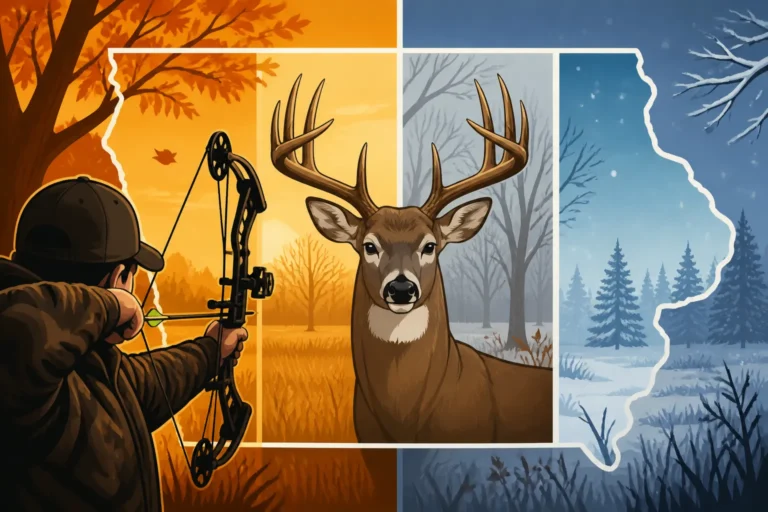
- Early Season (Bowhunting): When everything is green and lush, focus on green branches and leafy vegetation.
- Mid-Season (Pre-Rut/Rut): As leaves change and fall, switch to brown and golden branches, dried grasses, and corn stalks. This is especially important for Bowhunting Iowa Deer From October to January.
- Late Season (Shotgun/Muzzleloader): With snow on the ground, your blind needs to blend with a white or stark brown landscape. Utilize snow-covered branches, bare limbs, or even add some white bedsheets (cut to size) to the top if legal and appropriate for your setup, making sure it still looks natural. This attention to detail is as crucial as wearing your Cold Weather Stand Clothing.
- Weather Events: A heavy rain can cause leafy branches to sag and expose the blind. Strong winds can strip away lighter materials. Always check your blind after significant weather.
Consider how the deer themselves are adapting to the changing landscape. For instance, after crop fields are harvested, deer movement patterns change, often focusing on the remaining cover and food sources. Your blind placement and brushing might need to reflect these new patterns. Tools like GoHunt can help you understand these seasonal shifts in deer behavior and habitat use.
Packing Out All Materials and Leaving No Trace
While you've gone to great lengths to make your blind look natural, remember that when the season is over, or you decide to move your blind, all introduced materials must be removed. This is part of being a responsible hunter and ensuring that you are Leaving No Trace on Iowa Walk-In Ground. This includes the branches, stalks, zip ties, and anything else you used for brushing. Leaving behind a pile of decaying vegetation or, worse, man-made materials is not only unsightly but also violates the "leave no trace" ethos of hunting. It also prevents other hunters from being able to effectively use the same spot in the future. Always leave your hunting spots cleaner than you found them.
Disclaimer
Always consult the latest Iowa DNR regulations for specific rules regarding blind placement, material use, and public land restrictions. Hunting regulations can change, and it is the hunter's responsibility to stay informed.