Retrieving Game From Private Land in Iowa
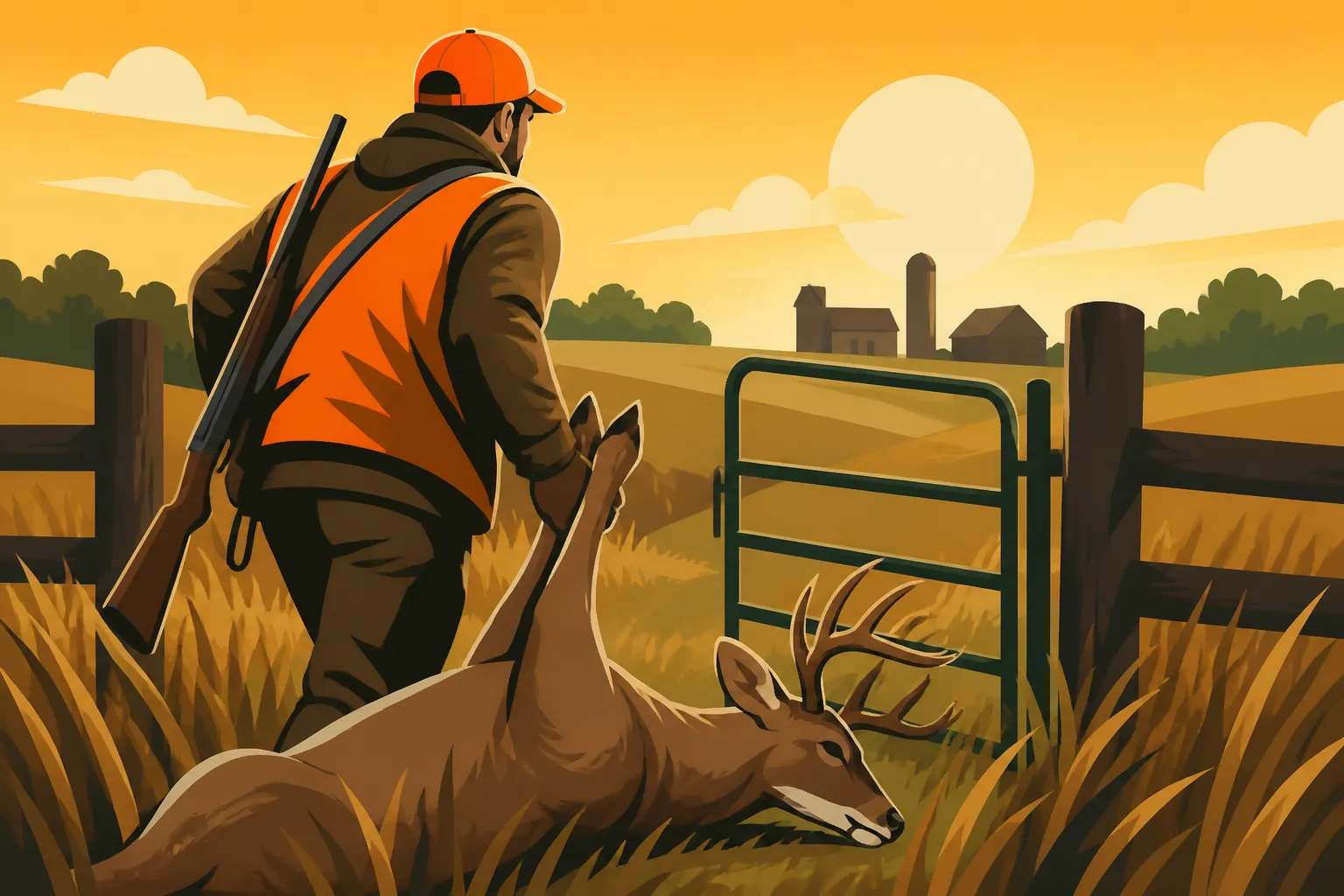
It’s happened to the best of us: you make a perfect shot, the deer jumps, bolts across a field, and then, heartbreakingly, leaps over a fence line onto property you don't have permission to hunt. That gut-wrenching feeling of knowing your trophy, or simply your hard-earned venison, is just out of reach can be incredibly frustrating. This guide will walk you through the proper, respectful, and legal steps to take when a deer crosses onto private land in Iowa, ensuring you uphold ethical hunting standards and maintain good relationships with local landowners.
The Gut-Wrenching Scenario: When Your Deer Crosses the Line
There are few moments in hunting that hit you harder than seeing a well-placed shot on a beautiful Iowa whitetail, only for that deer to sprint across an invisible boundary onto land where you don't have permission. Your heart sinks. You've invested time, effort, and passion into this hunt, and now the recovery feels completely out of your hands. It’s an ethical tightrope walk: you want to recover your game, out of respect for the animal and your own investment, but you absolutely must respect private property rights.
This isn't just a minor inconvenience; it's a deep dilemma that every hunter, at some point, might face. The immediate impulse is often to just go get it, to cross that fence and follow the blood trail. But taking that step without permission can turn a successful hunt into a legal nightmare, damaging your reputation and, more importantly, the reputation of all hunters in the eyes of landowners. It can even jeopardize future hunting opportunities for others if negative encounters become widespread.
Why Permission Matters So Much in Iowa Hunting
In Iowa, as in most places, respecting private property is not just a courtesy; it's the law. Landowners have legal rights to their property, and entering it without explicit permission, even to recover game, is considered trespassing. This isn't an abstract concept; it has very real legal consequences, from fines to potential loss of hunting privileges. Think about it from the landowner's perspective: they work hard for their property, maybe farm it, maybe just enjoy its solitude. Seeing someone on their land unannounced, even if their intentions are good, can be alarming and feel like an invasion.
Maintaining positive landowner relations is absolutely paramount for the future of hunting. A single negative incident can sour an entire community on hunters. Many hunters rely on the generosity of landowners for access, and every time someone disregards property boundaries, it erodes that trust. Good relationships are built on communication, respect, and understanding, and that starts with always asking for permission before stepping foot on someone else's ground. It’s a small price to pay for the privilege of pursuing game on or near private tracts.
The Ethical Hunter's Dilemma: Recovery Versus Respect
For an ethical hunter, leaving a downed animal in the field is simply not an option. We are taught to make every effort to recover game, to ensure a humane end and to utilize the meat. It's a fundamental tenet of responsible hunting. So, when that deer goes onto private land, you're caught between a rock and a hard place: the ethical imperative to recover your game, and the legal and moral obligation to respect private property.
This dilemma can weigh heavily. You might think, "It's just a quick retrieve, no one will even know." But that mindset overlooks the potential ripple effects. What if the landowner sees you? What if they have cameras? What if they simply notice fresh tracks? The damage to trust, once broken, is incredibly difficult to repair. An ethical hunter understands that the value of preserving hunting access and maintaining good community relations far outweighs the immediate satisfaction of a quick, unauthorized retrieve. Sometimes, the hardest choice is the right one, even if it means potentially losing your deer.
Understanding Iowa's Trespass Laws for Game Recovery
Navigating the legal landscape when a deer crosses onto private property in Iowa can feel like walking through a minefield. It’s critical to understand that your hunting license does not grant you permission to cross property lines to recover game. The laws are clear, and ignorance is rarely a valid defense. While the emotional pull to recover an animal is strong, the legal boundaries are stronger.
Iowa's regulations are designed to protect private property owners, and they don't make exceptions for game recovery without permission. This means that even if you can clearly see your deer lying just beyond the fence, it's legally off-limits until you've secured the necessary consent from the landowner. This might seem harsh, especially when your animal is right there, but it's a cornerstone of property rights in the state. For a deeper dive into these rules, you might want to look at resources on Iowa Trespass Law and Posted Land.
The Absolute Need for Explicit Permission
Let's be crystal clear: in Iowa, you always need explicit permission to enter private land for any reason, including retrieving game. There is no implied right of entry, no "hunter's privilege" that allows you to cross a boundary, even if you’re certain your deer is there. This permission isn't something you can just assume; it must be granted directly by the landowner or their authorized agent.
This permission should ideally be obtained before you even step foot on their land. In a perfect world, you'd have scouted the surrounding properties and already have contact information or pre-arranged permission. However, hunting often throws us curveballs, and sometimes a deer just runs where you didn't expect it. In these instances, the process of obtaining permission becomes an immediate and crucial step. Without that verbal or, even better, written consent, you are trespassing, pure and simple.
What Constitutes Trespass in Iowa
Trespass in Iowa is generally defined as entering upon the land of another without the express permission of the owner, lessee, or person in lawful possession of the property. This isn't just about cutting fences or ignoring "No Trespassing" signs; it includes merely stepping across an unmarked property line. If you're hunting near a known property boundary, understanding exactly where that line lies is critical. Tools like the onX Layers for Iowa Land Status can be invaluable for identifying these boundaries on the fly.
Here's a breakdown of what typically constitutes trespass:
- Entering without permission: The most straightforward definition. If you don't have permission, you're trespassing.
- Refusing to leave when asked: Even if you initially had permission, if the landowner revokes it, you must leave immediately.
- Hunting or disturbing game on private land without permission: This is more specific to hunting but falls under the broader trespass umbrella.
The penalties for trespassing can range from fines to more severe consequences, especially if damage occurs or if it's a repeat offense. It can also lead to legal proceedings that are costly and time-consuming. Beyond the legal ramifications, the reputation damage can be significant, not just for you but for the entire hunting community in that area.
The Step-by-Step Approach to Gaining Permission for Recovery
When your deer crosses onto private land, panic can set in, but a calm, methodical approach is your best friend. Your goal is to recover your game legally and respectfully, and that means following a clear process to engage with the landowner. Remember, you're asking for a favor, so your demeanor and approach are crucial.
It’s often helpful to have a plan in place before you even hunt near a property line. Knowing who owns the adjacent parcels and having their contact information readily available can save precious time when a deer runs across. Apps like onX Hunt or GoHunt are indispensable for identifying landowners and pulling up public contact details, if available. Preparing for this possibility is just as important as preparing for the shot itself.
Immediate Actions After the Shot
First things first: after you've taken a shot and suspect the deer has crossed a boundary, resist the urge to immediately pursue. Your adrenaline will be pumping, but a hasty pursuit could bump the animal further, making recovery even harder, and more critically, it could lead to you trespassing.
Here's what you should do instead:
- Mark the last spot you saw the deer: Use a physical marker like flagging tape (if on public land or your own land) or note a distinct landmark. This is your starting point for the blood trail.
- Observe the direction of travel: Note precisely where the deer went over the fence or into the adjacent property.
- Wait: Give the deer time. If it's mortally wounded, it will likely lie down and expire. Pushing it too soon might send it deeper into inaccessible cover or even off the property entirely. This waiting period is also crucial for you to gather yourself and prepare for the next steps. Consider waiting at least 30 minutes for a good shot, or several hours for a questionable shot, before taking up the trail. This also gives you time to make contact with the landowner.
- Confirm the property line: Use your mapping app to verify exactly where your deer crossed and onto whose land. This will be vital information when you make contact.
Contacting the Landowner Respectfully
This is the most critical step. Once you've marked the spot and given the deer time, it's time to find and contact the landowner.
Here’s a respectful approach:
- Identify the landowner: Use a mapping app like
onX Huntto find the owner's name and, if possible, their contact information. Public county assessor websites or online mapping tools can also sometimes provide this information. - Make contact:
- In person: If you know where they live or are present on the adjacent property, a face-to-face conversation is often best. Approach calmly, introduce yourself, explain you are hunting nearby, and that you believe a deer you shot has crossed onto their land. Be polite, humble, and respectful.
- By phone: If you have their number, call them. Again, introduce yourself, state your reason for calling clearly and concisely.
- Explain the situation: Clearly state that you made a shot, the deer ran, and you believe it is now on their property. Emphasize your commitment to ethical recovery and your respect for their land.
- Ask for permission to retrieve: Specifically ask if you can enter their property to retrieve the animal. Be prepared for a "no."
- Offer to share: Some landowners appreciate an offer of venison, but don't assume or demand it. Offer to show them where the deer is, and if they'd like, offer to field dress it on their property or remove it entirely.
- Clarify conditions: If they grant permission, clarify any conditions they might have. Do they want you to stay on a specific path? Do they want to accompany you? Do they prefer you go only at a certain time? Adhere to these conditions absolutely.
- Leave no trace: Assure them you will leave no trash, not disturb anything, and will promptly remove the deer. If you're going to be trailing, it's a good idea to bring game bags and a drag system to make removal efficient. Getting a Deer Out of an Iowa Creek Bottom or across challenging terrain is a real consideration.
Always be prepared for the possibility that the landowner might say no. It’s their right, and you must respect it, no matter how frustrating it is. Thank them for their time, regardless of their decision.
What to Do If You Can't Reach Them
Sometimes, despite your best efforts, you simply can't reach the landowner. They might be out of town, or their contact information isn't publicly available. This situation adds another layer of complication and frustration.
Here are your options:
- Contact local law enforcement: In some cases, local sheriffs or police departments might be able to assist in contacting the landowner or advising on the best course of action. They typically won't grant permission themselves but can sometimes act as an intermediary.
- Contact the Iowa DNR (Department of Natural Resources): The DNR conservation officers are often the best resource in these situations. They can offer advice, and in rare cases, they might have the authority to facilitate a recovery or even contact the landowner on your behalf. However, they are not obligated to grant you access, nor can they override a landowner's refusal. You can find contact information for your local conservation officer through the Iowa DNR website.
- Accept the loss: This is the hardest pill to swallow. If you cannot get permission from the landowner, and neither law enforcement nor the DNR can help facilitate contact or entry, you must accept that you cannot legally retrieve your deer. Walking away from a downed animal is painful, but it's the responsible and legal choice when permission is denied or unobtainable. This upholds the integrity of hunting and respects private property rights, even if it means personal sacrifice.
| Scenario | Recommended Action |
|---|---|
| Deer Crosses, Landowner Known | Immediately locate landowner (in person/phone). Calmly explain situation, ask for permission to retrieve. Respect all conditions given. |
| Deer Crosses, Landowner Unknown | Use mapping apps (onX Hunt, GoHunt) to identify landowner. Attempt contact via available methods. If unsuccessful, proceed to next step. |
| No Contact with Landowner | Contact local law enforcement or Iowa DNR conservation officer for assistance in making contact or advice on options. Do NOT enter without permission. |
| Permission Denied | Respect the landowner's decision, no matter how frustrating. Do NOT enter their property. |
| Deer Found, Requires Tracking Dog | If using a tracking dog, ensure you have explicit landowner permission for the dog to enter their property. Review Using a Tracking Dog Legally in Iowa for regulations. |
Tools and Techniques for a Smooth Recovery Attempt
Beyond the legal and ethical considerations, being prepared with the right tools and a cooperative mindset can significantly improve your chances of a successful and respectful game recovery. It’s not just about what you do, but how you do it, and the impression you leave on the landowner.
A thoughtful approach to recovery, even under stressful circumstances, reflects positively on you as a hunter. This includes everything from the technology you use to your gear and your overall attitude. Remember that you are an ambassador for hunting, and every interaction, especially with non-hunting landowners, contributes to how our sport is perceived.
Using Mapping Apps for Property Lines and Landowner Info
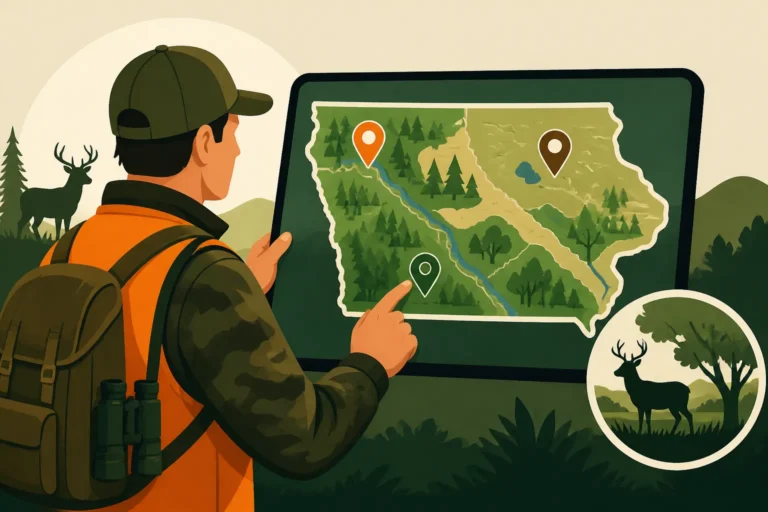
In today's hunting world, mapping applications are no longer a luxury; they are a necessity, especially when hunting near private property lines. Products like onX Hunt and GoHunt provide invaluable satellite imagery, topo maps, and crucially, property ownership overlays. These tools allow you to:
- Identify property boundaries with precision: Before you even leave your truck, you can see exactly where public land ends and private land begins, or who owns the parcel next to your hunting spot. This proactive scouting can prevent issues.
- Determine landowner information: Many of these apps will display the landowner's name and sometimes even contact information, which is gold when you need to quickly get in touch. This can save you hours of searching county records.
- Track your route: You can mark your stand location, the shot location, and the last point you saw the deer, all while staying aware of your position relative to property lines. This is essential when trying to explain the situation to a landowner.
- Plan your approach: Knowing the terrain of the adjacent property can help you determine the safest and most respectful way to approach the landowner's home or property boundary.
Having these apps installed on your phone and knowing how to use them effectively is a non-negotiable part of responsible hunting in Iowa's patchwork of public and private lands. They are just as important as your binoculars or your rangefinder. You can also leverage these for Finding Property Lines in Iowa during your scouting phases.
Being Prepared for a Quick and Respectful Recovery
Once permission is granted, you want to make the recovery as swift and unobtrusive as possible. This means having the right gear and a clear plan. Time is often of the essence, especially if the weather is warm or the landowner has given you a narrow window.
Essential gear for a respectful recovery:
- Good headlamp/flashlight: Blood trailing can take you into thick cover, and daylight can fade fast.
- Blood trailing supplies: Quality flagging tape (for temporary markers, to be removed), absorbent paper towels, and maybe even a UV blood light can aid in tracking. Check out Blood Trailing in CRP and Multiflora Rose for more tips.
- Field dressing kit: A sharp knife, game bags, and gloves are crucial for efficient processing, especially if you need to Field Dressing in Warm October Weather.
- Game cart or drag system: Minimize your impact on the landowner's property by efficiently removing the deer. A game cart on wheels can make a significant difference, especially over long distances or rough terrain.
- Bottled water: Stay hydrated, and offer some to the landowner if they accompany you.
- Hand sanitizer: Good hygiene after handling game.
When you're actually on the landowner's property, move efficiently but carefully. Stick to the agreed-upon path. Do not allow other hunting partners to come along unless the landowner explicitly approves. Your goal is to recover your animal, thank the landowner, and leave, making as little impact as possible.
Maintaining Positive Landowner Relations
Your actions during and after the recovery attempt will have a lasting impact. Whether you get the deer or not, how you interact with the landowner can shape their perception of hunters for years to come. This is your chance to be a good ambassador for the sport.
Here’s how to cultivate positive relations:
- Be genuinely grateful: A sincere "thank you" goes a long way. If they helped you, offer a small token of appreciation, perhaps a gift card or some of the venison (if they are inclined).
- Leave no trace: This cannot be stressed enough. Pick up any flagging tape, shell casings, or trash. Ensure no blood or entrails are left in visible areas or where they might cause a nuisance. If you field dressed the deer on their property, ask where they'd like the offal, or offer to remove it completely.
- Follow up: A polite text or call a day or two later, reiterating your thanks, can make a positive impression.
- Respect their privacy: Don't linger or assume future access. Their permission was for this specific event. If you wish to hunt their land in the future, you'll need to go through the proper channels to seek Iowa Landowner Permission Basics.
- Be understanding: If they denied permission, respect it. Do not argue, complain, or badmouth them. Their property, their rules.
By handling these situations with grace, respect, and a commitment to ethical conduct, you not only improve your chances of a successful recovery but also help foster a positive image of hunters in the community, benefiting all of us who cherish the tradition of Iowa hunting.
Disclaimer
This article is for general informational purposes only and does not constitute professional advice. Laws, prices and regulations vary by location and change over time. Consult a qualified professional for guidance on your specific situation.