Asking an Iowa Landowner for Permission
Finding reliable hunting ground in Iowa can feel like an uphill battle, especially when you consider how much prime habitat sits on private land, often making public areas seem less productive or overcrowded. It's a real challenge for many hunters to consistently find those elusive spots where whitetails thrive and pheasants burst from cover. This guide is all about giving you the tools and confidence to successfully approach Iowa landowners, fostering respectful relationships that can unlock incredible hunting opportunities for years to come.
Understanding the Landscape: Why Private Land is Key in Iowa
Let's face it, Iowa is a state dominated by private agricultural land. While our public wildlife areas and state forests are absolutely fantastic, they represent a small fraction of the total landscape. This reality means that if you're serious about consistent, quality hunting experiences, especially for big whitetail deer or unpressured pheasants, understanding how to respectfully gain access to private property is an essential skill.
The Reality of Public vs. Private Ground
It's no secret that some of the best hunting opportunities in Iowa exist on private parcels. Think about it: vast corn and soybean fields provide incredible food sources, while dense creek bottoms, timber blocks, and CRP fields offer secure bedding and sanctuary. These private lands, often managed by farmers and landowners who live there, naturally see less hunting pressure than even the most remote public tracts. This lower pressure means deer can follow more natural patterns, mature bucks aren't constantly bumped, and pheasants aren't pushed out of cover every weekend. It's not a slight against public land—we love our public spots—but it's simply the truth that private ground can offer a different, often more consistent, hunting experience. Many hunters spend countless hours dissecting Iowa Public Land Hunting Pressure trying to find that sweet spot, but sometimes the answer lies in a friendly conversation.
Imagine driving past a perfect-looking timber stand that backs up to a picked cornfield, knowing a monster buck probably lives there, but it’s all fenced off. That frustration is real. However, that fence isn't necessarily a permanent "no." It's just an invitation for a respectful inquiry. Learning to navigate these situations opens up a world of possibilities beyond the well-trodden paths of public ground. You might be surprised at how many landowners are open to granting access if approached correctly.
The Value of a Good Reputation
In Iowa, especially in rural communities, word travels fast. Your reputation as a hunter precedes you, whether you know it or not. If you're granted access to one farmer's land and conduct yourself with utmost respect, follow all rules, and show genuine appreciation, that positive experience can ripple through the community. Other landowners might hear about it, making your next "ask" a little easier.
Conversely, one bad apple can spoil the bunch for everyone. A single instance of trespassing, leaving gates open, driving through fields, or showing disrespect can shut down opportunities for all hunters in that area for years to come. Landowners talk. They share stories, and they warn each other. That's why every interaction is an opportunity to be an ambassador for ethical, respectful hunting. Building trust isn't just about getting on one property; it's about preserving opportunities for the entire hunting community, including those who are trying to Finding Private Land Access in Iowa themselves. Your conduct literally impacts every hunter who comes after you.
The Art of the Ask: Approaching Landowners with Respect
Asking for permission can feel intimidating, especially if you're new to it. It’s like asking someone out on a first date—you want to make a good impression and not say the wrong thing. But with the right approach and preparation, it becomes much less daunting and can even be a truly enjoyable part of the hunting experience.
Timing and Preparation are Everything
Just like you wouldn't show up to Thanksgiving dinner without a side dish, you shouldn't approach a landowner unprepared. The timing of your approach is crucial. Avoid showing up during busy planting or harvest seasons, or on major holidays when families are gathered. The off-season—late winter, spring, or mid-summer—is often the best time. Landowners are generally less stressed, have more free time, and aren't bombarded by last-minute requests. You're trying to build a relationship, not just check a box.
Before you even think about knocking on a door, do your homework. Use mapping tools like onX Hunt or GoHunt to review property lines, identify the landowner's name if possible, and get a lay of the land. Understand the surrounding roads, potential access points, and what kind of habitat exists. For example, knowing that a property has Cedar and Locust Thickets as Bedding Cover or excellent Hunting Inside Corners of Crop Fields shows you’ve put in effort. Having a map or aerial photo on your phone or printed out to show them what specific areas you're interested in can be incredibly helpful. This preparation not only makes you look serious and respectful but also helps you clearly articulate your request. You're showing them you're not just randomly knocking on doors.
When you do approach, be prepared to introduce yourself, clearly state your purpose (e.g., "I'm looking for a place to archery hunt deer this fall"), mention any specific dates or seasons you're interested in, and briefly explain how you plan to access and hunt the property. If you have liability insurance (many hunting organizations offer this), it's a good thing to mention as it shows you're responsible and looking out for their interests too.
Making the Initial Contact
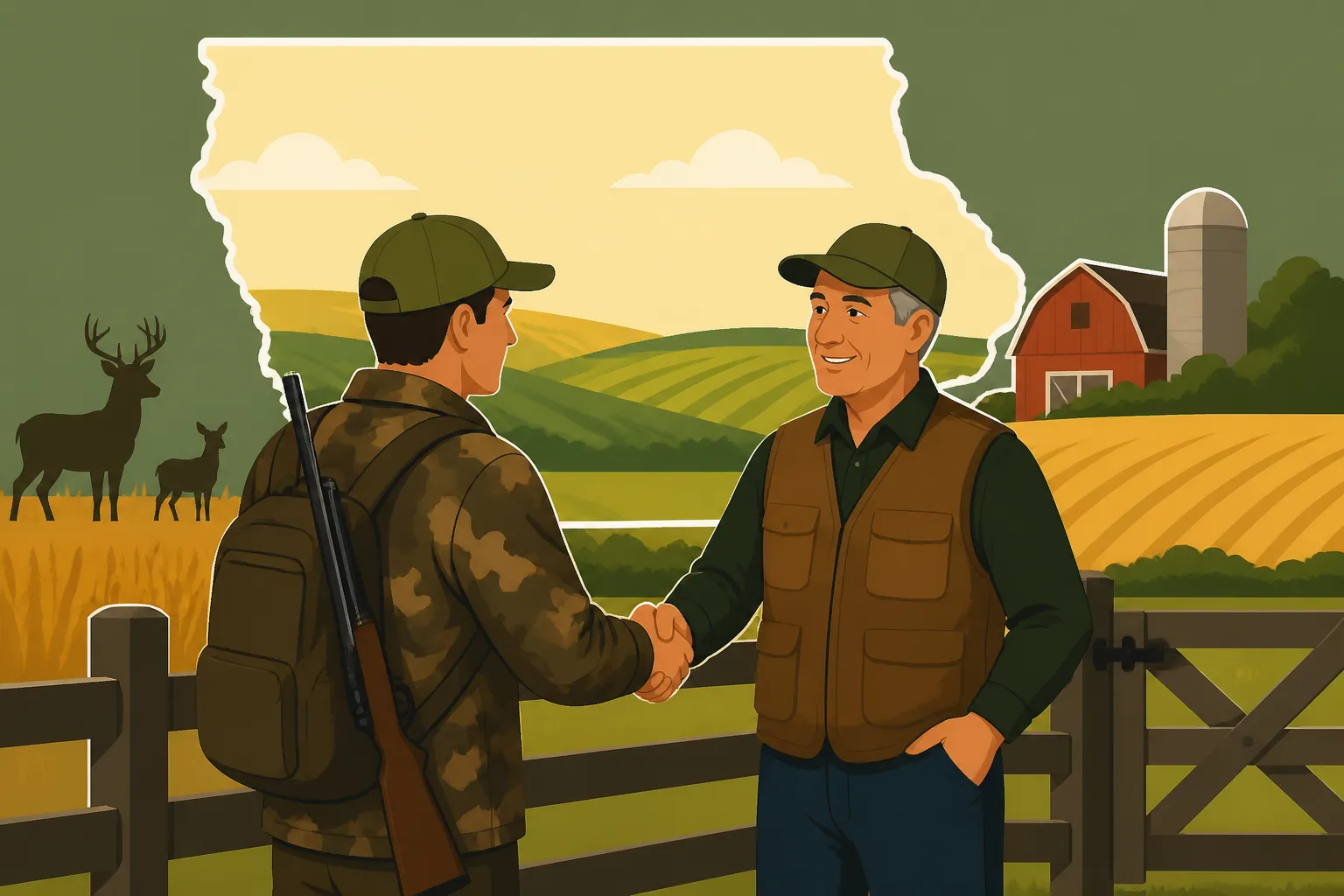
So, you've scouted a property, figured out the landowner's name, and picked a good time. Now what? The best method for initial contact is almost always in person. A face-to-face conversation allows them to get a sense of who you are, gauge your sincerity, and build a personal connection. A phone call can work, especially if they’re hard to catch at home, but a letter is generally a last resort as it's impersonal and easily ignored.
When you show up, dress respectfully. You don't need a suit, but don't show up in muddy hunting clothes right after a hunt either. Casual, clean attire shows respect for their time and property. Keep your initial contact brief. Introduce yourself, state your reason for being there, and ask if it's a good time to talk. If it’s not, politely ask when might be a better time. If they're willing to talk, be a good listener. Let them voice any concerns they might have about their land, livestock, or family.
Here's a quick guide to common communication methods:
| Method | Pros | Cons | Best Use |
|---|---|---|---|
| In Person | Most personal, builds trust, direct | Can be inconvenient for landowner, intimidating | First contact, building relationships |
| Phone Call | Convenient, can cover more ground quickly | Less personal, easier to say "no" | If landowner is hard to find, follow-up calls |
| Letter/Email | Allows for thought-out message, always available | Least personal, easily ignored | Last resort, formal requests, initial outreach |
Remember, you're a guest in their community and on their property. Politeness and genuine interest go a long way.
What to Say (and What Not to Say)
When you get that precious moment to talk, every word counts. Start by expressing genuine respect for their land and livelihood. Acknowledge that you know they work hard and that their property is important to them. Phrases like, "I've been driving by your place for years and always admired how well-kept it is," can go a long way. Clearly state what you want to hunt, which season, and your preferred method. For instance, "I'm primarily interested in bowhunting deer during the early archery season, or maybe a spring turkey hunt."
Offer specifics on how you’ll treat their land. Emphasize that you'll park in a designated spot, close all gates, avoid driving on wet fields, respect their privacy, and be mindful of any livestock or crops. Offer to walk the perimeter with them or have them show you exactly where they'd prefer you to access or avoid. This level of detail shows you're serious about being a responsible hunter. Remember to inquire about Iowa Written Permission Requirements, as some landowners may prefer a formal agreement for clarity.
What not to say? Avoid immediately offering money. While hunting leases are a common practice, especially with services that facilitate Iowa Hunting Lease Costs, an unsolicited offer of cash can sometimes put a landowner off, making it seem like you only view their property as a commodity. You're asking for a favor and a relationship, not trying to make a transaction. If they bring up payment, then you can discuss it, but let them lead that conversation. Also, don't over-promise. Don't say you'll hunt every single day if you only plan on hunting a few times. Be honest and realistic about your intentions. Don't brag about past hunting successes or imply you're "owed" access. Humility is key.
Building and Maintaining Trust: The Long-Term Relationship
Getting permission is just the first step. The real success comes from nurturing that relationship year after year. A good relationship with a landowner isn't just about getting access; it's about becoming a trusted friend and neighbor, someone they know they can rely on.
Respecting Their Rules, Always
This is non-negotiable. Whatever rules the landowner sets—whether it's only hunting certain fields, avoiding specific times of day, using a particular access road, or not driving ATVs—you must adhere to them. Always. Even if a rule seems inconvenient or you don't fully understand its reasoning, follow it without question. Your word is your bond, and breaking trust over a small rule can lead to losing access entirely.
For example, if they ask you to park on the road and walk in, even if the field edge seems dry enough to drive, you walk. If they say not to hunt near the old barn where their grandchildren play, you avoid it. These might seem like minor details, but they are critically important to the landowner. Always double-check before heading out. A quick text or phone call, "Hey, planning to hunt this afternoon, still okay?" shows you're considerate. Knowing the ins and outs of Iowa Trespass Law and Posted Land isn't just about legalities, it's about understanding the deep respect for property rights that permeates rural Iowa.
Communication and Gratitude
Regular, polite communication is the bedrock of a lasting landowner relationship. Don't just show up, hunt, and disappear. Check in before you come to hunt and touch base afterward. Let them know if you saw anything interesting or if you harvested an animal. A simple phone call or text can go a long way.
One of the most powerful gestures of gratitude is sharing your harvest. If you're successful, offer them some fresh venison, wild turkey breast, or a mess of fish. Many landowners enjoy game meat but don't have the time or ability to hunt themselves. Even if they decline, the offer itself speaks volumes. Beyond meat, consider other ways to show appreciation. A small gift around the holidays, a gift certificate to a local restaurant, or a thoughtful thank-you card after the season is a wonderful gesture. More practically, offering to help with chores around the farm—fixing a fence, helping move livestock, or pitching in during harvest if they need an extra hand—can cement your value to them. It's about more than just hunting; it's about genuine friendship.
Leaving No Trace
When you leave their property, it should look like you were never there. This means packing out everything you brought in, including all your trash, spent shell casings, and any flagging tape. If you field dress an animal, ask the landowner where they'd prefer the gut pile to be left, or if they'd like you to remove it. Some landowners prefer it in a secluded timber draw, others may have specific concerns about livestock getting into it. Don't assume.
Always close gates behind you, pick up any litter you find (even if it wasn't yours), and be mindful of your tracks. If you leave a treestand, make sure it's clearly labeled with your name and contact information, and ensure you're following portable stand rules on Iowa public ground if you're ever on public land as well, to keep your habits consistent. Leaving a property better than you found it not only reflects well on you but reinforces their decision to grant you access. A truly respected hunter leaves no trace of their presence, only the positive memory of their visit.
Disclaimer
This article is for general informational purposes only and does not constitute professional advice. Laws, prices and regulations vary by location and change over time. Consult a qualified professional for guidance on your specific situation.