Iowa Public Land Waterfowl Access
The thrill of chasing waterfowl across Iowa's varied landscape is a pursuit many of us live for, but figuring out where to even start on public land can feel like trying to find a needle in a haystack. Between ever-changing water levels, diverse habitat, and the sheer number of options, it’s easy to get overwhelmed. This guide is here to break down the complexities of finding and accessing public waterfowl hunting grounds in Iowa, helping you spend less time guessing and more time calling birds.
Understanding Iowa's Public Waterfowl Landscape
Iowa might be known for its rich farmlands, but it also boasts a surprising amount of public land with incredible waterfowl potential. From vast river systems to restored wetlands, the opportunities are there if you know where to look and what each type of area offers. It’s not just about finding water; it’s about finding the right kind of water at the right time, especially when migrating ducks and geese are pushing through the state.
Wildlife Management Areas (WMAs)
Iowa's Wildlife Management Areas, or WMAs, are often your best bet for consistent public waterfowl hunting. These areas are specifically managed by the state for wildlife habitat, and that often means wetlands, marshes, and shallow water impoundments designed to attract and hold ducks and geese. You'll find a wide range of habitat types, from emergent vegetation like cattails and phragmites to open water. The key here is that many of these areas are actively managed, sometimes with water control structures that allow for manipulation of water levels to create ideal foraging conditions for waterfowl.
When you're looking at a WMA, understand that while they're fantastic resources, they also tend to be popular. Expect to encounter other hunters, especially on opening day or during peak migration. Access can range from easy roadside parking to requiring a small boat or even waders for a long walk-in. Some WMAs might have designated boat ramps, while others might just have a muddy ditch to launch a canoe or kayak. It's crucial to check the specific rules for each WMA, as some might have regulations on motor size, hunting hours, or even require special permits for certain blinds. Remember, managing pressure is a big part of finding success in these popular spots. Hunting Pressure Patterns on Iowa Public Land is a great resource for understanding how to adapt.
River Backwaters and Oxbows
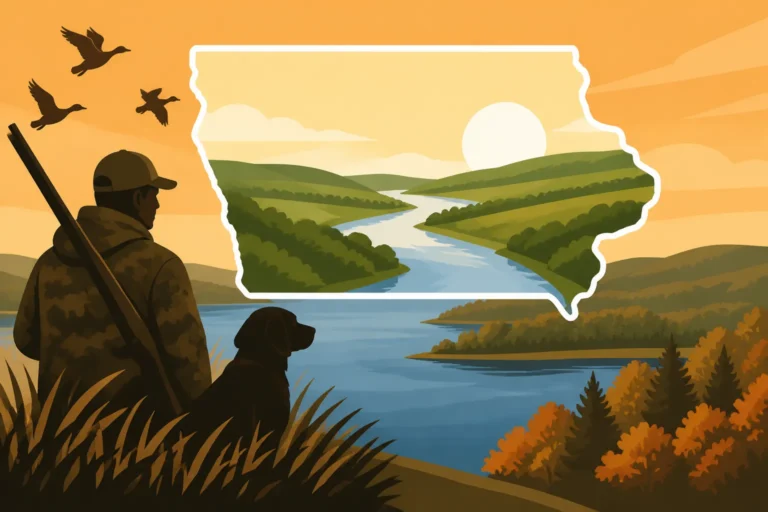
The mighty Mississippi River, the Missouri River, and even smaller rivers like the Des Moines and Cedar, offer incredible backwater and oxbow lake hunting opportunities. These are often less managed than WMAs, relying more on natural water fluctuations and river dynamics. Backwaters are essentially quiet, often shallow, side channels or pools connected to the main river. Oxbows are U-shaped lakes formed when a meandering river changes course, cutting off a bend. These spots can be absolute magnets for ducks, especially mallards, wood ducks, and divers, particularly during migration.
Hunting river backwaters often requires boat access, as many of these areas are difficult to reach on foot. You might be navigating winding channels, submerged timber, and shallow mudflats. The challenge here is twofold: finding unpressured spots and dealing with fluctuating water levels. A heavy rain upstream can turn a calm backwater into a muddy, fast-moving current, while a dry spell can leave you high and dry. Waterfowl Hunting Iowa River Backwaters provides excellent insight into these unique areas. These spots can offer a truly wild hunting experience, but they demand a good understanding of river navigation and a willingness to adapt to conditions.
Waterfowl Production Areas (WPAs)
Waterfowl Production Areas, or WPAs, are smaller, often scattered wetland complexes managed primarily for breeding and nesting waterfowl, but many are also open to public hunting. These are typically found in the northern and central parts of Iowa, in what's known as the "prairie pothole region." WPAs are generally smaller than WMAs, often just a few dozen to a couple hundred acres, and consist of a mix of shallow marshes, native grasslands, and sometimes small ponds. While they might not hold the massive numbers of birds you'd find on a large river system, they can be phenomenal for jump shooting or setting up a small spread for dabbling ducks.
Access to WPAs is almost always walk-in only, meaning you’ll need to carry all your gear to your chosen spot. This can be a blessing in disguise, as it tends to reduce hunting pressure compared to areas with easy boat access. Because they're designed for nesting, they often have excellent natural cover, reducing the need for elaborate blind setups. The challenge is often finding them and scouting effectively, as they can be hidden gems amidst agricultural fields. Iowa Waterfowl Production Areas offers a deeper dive into these important habitats. Just remember that smaller water bodies can freeze faster than larger ones, impacting late-season hunts.
Key Resources for Finding Waterfowl Access
Finding the perfect public land waterfowl spot isn't just about driving around hoping to get lucky. It requires a bit of homework, some digital savvy, and a willingness to put boots on the ground long before the season opens. Utilizing the right tools can save you countless hours of frustration and dramatically increase your odds of success.
The Iowa Hunting Atlas and Online Maps
The Iowa DNR provides a fantastic, free online resource called the Iowa Hunting Atlas. This interactive map is your first and best friend when it comes to locating public hunting land, including WMAs, WPAs, and even some county conservation areas open to hunting. It displays boundary lines, access points, and often specific regulations for each area. You can layer different types of public land, zoom in on specific regions, and get a general idea of the habitat. This is the starting point for any serious public land waterfowl hunter in Iowa.
Beyond the DNR's atlas, mapping apps like onX Hunt have revolutionized how hunters scout and navigate public land. With onX Hunt, you can access detailed aerial imagery, property boundaries (distinguishing public from private), topography, and even identify specific habitat features like standing water, timber edges, and elevation changes. You can drop pins on potential hunting spots, mark access routes, and measure distances. This is invaluable for pre-season scouting from your couch, allowing you to identify remote pockets of public water or potential bottlenecks where birds might concentrate. GoHunt also offers robust mapping features that can assist in identifying terrain features and potential waterfowl resting areas, further enhancing your digital scouting efforts. Using these tools to identify potential spots, plan your entry, and understand the surrounding land ownership is paramount to success. Using the Iowa DNR Hunter Atlas is a must-read for anyone new to these tools.
Scouting and Boots-on-the-Ground Recon
While online maps are incredibly useful, nothing beats actually getting out there and seeing the terrain for yourself. This is especially true for waterfowl hunting, where water levels and habitat conditions can change rapidly. Pre-season scouting allows you to:
- Verify water levels: Is that promising marsh on the map actually holding water, or is it a dry basin?
- Identify access points: Is the boat ramp usable? Is the walk-in path overgrown or flooded?
- Locate natural blinds and cover: Where can you set up without sticking out like a sore thumb?
- Look for bird sign: Are there droppings, feathers, or feeding activity indicating birds are already using the area?
- Assess pressure: Are there signs of previous hunting activity, like old shell casings or discarded decoys?
Scouting during the off-season, or even a week or two before your hunt, can give you a significant advantage. Drive around the perimeter of the area, look for public access points, and if possible, walk or paddle into the potential hunting grounds. Pay attention to how the wind might affect your setup and approach. Even if you don't see birds, understanding the lay of the land will help you make better decisions when it comes time to hunt. Scouting Iowa Public Land Before the Opener offers great general public land scouting tips that apply to waterfowl as well.
Understanding Regulations and Special Zones
Iowa's hunting regulations can be complex, and waterfowl hunting adds another layer of specificity. Beyond the general hunting license and habitat fee, you'll need a federal duck stamp and an Iowa migratory game bird endorsement (HIP). But it doesn't stop there. Different WMAs or refuge areas might have specific rules, such as:
- Restricted hunting hours: Some areas might close earlier or open later than general state regulations.
- Blind requirements: Certain areas might prohibit permanent blinds or have rules about portable blind construction.
- Motor restrictions: Some waters might be electric motor only, or even non-motorized only.
- Refuge areas: Many WMAs or larger public complexes will have designated refuge zones where hunting is strictly prohibited to provide resting areas for birds. Hunting in these areas, even accidentally, can lead to serious penalties.
- Season Splits: Iowa often has "splits" in its duck seasons, meaning there are periods when hunting is closed to allow birds to rest or for conservation purposes. Make sure you know when the season is actually open for your zone. Iowa Duck Season Zones can help you understand these boundaries.
Always consult the most current Iowa hunting regulations booklet (available online from the DNR) for the specific year you plan to hunt. Do not rely on old information or hearsay. It's your responsibility to know and follow the rules. This includes understanding the specific daily bag limits and possession limits for various species of ducks and geese, as these can change.
Strategies for Hunting Iowa Public Waterfowl
Once you've done your scouting and understand the rules, it's time to think about strategy. Waterfowl hunting on public land in Iowa often comes down to adaptability, stealth, and a good understanding of bird behavior. You're competing with other hunters, unpredictable weather, and the natural wariness of the birds themselves.
Decoy Spreads and Blind Considerations
Your decoy spread is your primary tool for luring birds into range. On public land, simplicity and realism often trump sheer numbers. A small, realistic spread of a dozen or two decoys can be far more effective than a massive, unnatural spread. Consider:
- Species-specific decoys: If you're hunting a marsh known for mallards, a spread of mallard decoys makes sense. If divers are migrating through, add some diver decoys.
- Motion decoys: A spinning wing decoy or a jerk string can add vital movement to your spread, especially on calm days.
- Wind direction: Always set your decoys so that approaching birds will land into the wind, directly in front of your blind. This is crucial for giving you the best shot opportunities. Decoy Placement and Wind Direction is a fundamental lesson here.
- Blind blending: Whether you're using a portable blind, a layout blind, or natural cover, ensure it blends seamlessly with the surroundings. Ducks and geese have incredible eyesight. Use natural vegetation to brush in your blind heavily. Brushing In a Ground Blind can provide helpful tips, even for waterfowl blinds. If you're in a field, a layout blind like those from Avery Outdoors or a similar brand can be highly effective, but again, ensure it's well-camouflaged. Layout Blinds in Iowa Stubble are perfect for field hunting geese.
| Waterfowl Blind Type | Best Use Case | Pros | Cons |
|---|---|---|---|
| Natural Cover | Marsh edges, timbered backwaters | Free, blends perfectly, low setup | Limited mobility, may lack cover |
| Portable Blind | Small marshes, creek bottoms | Mobile, customizable cover | Can be bulky, takes time to brush in |
| Layout Blind | Stubble fields, dry shallow water | Excellent concealment, comfortable | Limited to flat areas, requires field setup |
| Pit Blind | Managed areas (if allowed) | Permanent, great concealment | Not widely available on public land |
Reading Weather and Migration Patterns
Waterfowl movement is heavily dictated by weather. Cold fronts pushing down from the north, strong winds, and even light precipitation can trigger major migrations and change bird behavior. Pay close attention to long-range forecasts:
- Cold Fronts: A significant drop in temperature often pushes new birds into the state. Timing your hunts around these fronts can be incredibly productive.
- Wind: Wind helps ducks and geese fly and move, often pushing them off large, open water bodies into more sheltered areas like backwaters or small marshes. A good, steady breeze can be your best friend, as it also helps ripple the water, making your decoys look more natural and helping to break up your silhouette. Reading Wind on a River Backwater is crucial.
- Precipitation: Light rain or snow can actually improve hunting, as it often reduces human activity and can make birds less wary. Heavy rains, however, can make access difficult and muddy.
- Migration Reports: While you don't have access to live data, many online resources and local forums (if you were searching for them) discuss current migration patterns. Understanding general Iowa Duck and Goose Migration Timing for your region is key.
Successful public land waterfowl hunters are flexible. They watch the weather, consult their maps, and are willing to move spots if the conditions dictate it. Don't be afraid to pull up stakes if a spot isn't producing and try somewhere else, especially if new weather has rolled in.
Managing Pressure and Finding Unpressured Spots
Public land often comes with public pressure. On popular WMAs, you might find other hunters have beaten you to your favorite hole, or that birds are flying high and wide after being shot at all morning. Here are some ways to mitigate pressure:
- Hunt weekdays: If possible, hunt during the week when many hunters are at work. Weekends, especially opening weekend, can be incredibly crowded.
- Walk farther: Many hunters stop at the first easy access point. By being willing to walk or paddle an extra distance, you can often get into areas that see less pressure. Use your onX Hunt app to identify remote access points and calculate the walk.
- Hunt overlooked spots: Look for smaller pockets of water, narrow sloughs, or overlooked edges on your map. These might not look like prime habitat at first glance, but they can be sanctuaries for birds avoiding larger, more pressured areas.
- Scout alternative locations: Have a backup plan. If your primary spot is taken or isn't producing, know two or three other places you can quickly move to.
- Be courteous: A friendly wave or a polite conversation with other hunters can go a long way. Respecting other hunters' space and being a good ambassador for the sport helps ensure everyone has a positive experience.
- Learn to call effectively, not excessively: Good calling can draw birds in, but overcalling or calling poorly can flare them. Knowing when to call, what to say, and when to be silent is an art form that comes with practice. Calling a Gobbler Off the Roost (while for turkeys) shares similar principles of timing and restraint that apply to waterfowl.
Ultimately, hunting Iowa's public waterfowl means embracing its challenges and rewards. It's about diligence in scouting, understanding the natural world, and being ready to adapt on the fly. With the right preparation and mindset, you'll be enjoying those crisp Iowa mornings and the sight of cupped wings over your decoys.
Disclaimer
This article is for general informational purposes only and does not constitute professional advice. Laws, prices and regulations vary by location and change over time. Consult a qualified professional for guidance on your specific situation.