Neal Smith Refuge Hunting Status
Hunting in Iowa offers incredible opportunities for bagging a trophy whitetail or calling in a spring gobbler, and it's natural to scan maps for vast tracts of public land. When hunters stumble upon the Neal Smith National Wildlife Refuge, its sheer size and habitat might spark hope for prime hunting grounds. However, the reality for public hunting access at Neal Smith is often different from what many expect, and it can be frustrating to realize a seemingly promising area isn't open for traditional hunting. This guide will thoroughly clarify the hunting status at Neal Smith National Wildlife Refuge, helping you understand its unique purpose and where to look for your next Iowa hunting adventure.
Understanding the Neal Smith National Wildlife Refuge Mission
Before we dive into specific hunting regulations, it’s crucial to understand the fundamental mission of the Neal Smith National Wildlife Refuge. This isn't your typical state-run wildlife management area; it operates under a different set of priorities that directly impact hunting access.
The Focus on Prairie Restoration
The primary mission of the Neal Smith National Wildlife Refuge, located near Prairie City, Iowa, is the restoration and protection of tallgrass prairie ecosystems. When you visit the refuge, you're stepping into a large-scale experiment aimed at bringing back a landscape that once dominated much of Iowa but was largely converted to agriculture. This isn't just about planting grass; it’s about restoring the entire ecological community, from the smallest insects to the largest grazing mammals.
This unique focus on restoration means that every management decision, including how public access and recreational activities are structured, filters through the lens of prairie health. They’re working to create a self-sustaining ecosystem that mimics pre-settlement Iowa. A key part of this restoration includes the reintroduction of native grazers like bison and elk, which play a vital role in shaping the prairie landscape. These animals, while iconic, are integral to the refuge's ecological mission and are not managed as huntable game species within the refuge boundaries. Their presence adds to the unique visitor experience, allowing you to see these magnificent creatures in a semi-wild setting, but also dictates a hands-off approach to hunting within their range.
Conservation and Public Use Priorities
Within this overarching restoration goal, the Neal Smith National Wildlife Refuge balances conservation with various forms of public use. The emphasis here is heavily placed on education, scientific research, and non-consumptive recreation. Visitors are encouraged to explore the extensive hiking trails, observe wildlife, learn about prairie ecology at the visitor center, and simply enjoy the tranquility of the restored landscape.
Activities like birdwatching, photography, and environmental education programs are central to the refuge’s public outreach. These activities are designed to foster an appreciation for the natural world and the immense effort involved in restoring such a complex ecosystem. While many national wildlife refuges do offer hunting as a compatible use, the unique circumstances and intensive restoration efforts at Neal Smith mean that traditional hunting might conflict with these core priorities. The high volume of non-hunting visitors, combined with the presence of species specifically protected for their role in the restoration, often leads to a more restricted approach to hunting compared to other public lands across Iowa.
General Hunting Status at Neal Smith
This is where the rubber meets the road for many hunters planning a trip to this part of Iowa. It’s important to be clear: the Neal Smith National Wildlife Refuge is generally not open for traditional public hunting of deer, turkey, or upland game in the same way that a state park or wildlife management area might be.
Limited or No General Public Hunting
For the vast majority of hunters looking for typical deer, turkey, pheasant, or quail seasons, Neal Smith National Wildlife Refuge will not be an option. The refuge’s policy has historically leaned heavily towards excluding general public hunting access, and for good reason from their perspective. The primary reasons for this restrictive approach are multi-faceted:
Firstly, safety is a paramount concern. With a significant number of visitors engaging in non-hunting activities like hiking, birdwatching, and photography on an almost daily basis, introducing hunting could pose serious safety risks. The refuge prioritizes a safe and enjoyable experience for all visitors, and preventing potential conflicts between different user groups is a key part of that. Imagine trying to run a deer drive or set up a turkey decoy when families are enjoying a nature walk nearby – it just wouldn't work safely.
Secondly, the focus on ecological restoration and the protection of reintroduced species (like the bison and elk) means that the wildlife within the refuge is managed primarily for ecosystem health, not for recreational harvest. These animals are often accustomed to human presence, making them less wary, and harvesting them could interfere with the delicate balance of the restoration project. The refuge aims to allow these populations to thrive naturally and fulfill their ecological roles, which often means limiting human disturbance.
Lastly, the refuge's role as an educational and scientific research hub also contributes to the limited hunting access. Research projects often require undisturbed wildlife populations and controlled environments, which would be compromised by widespread hunting activities. While this can be a tough pill to swallow for hunters looking for opportunities, it aligns with the refuge’s specific, specialized mission.
Special Draw Hunts or Controlled Opportunities
While general public hunting is not available, it is worth noting that some national wildlife refuges occasionally implement highly controlled, limited draw hunts for very specific wildlife management goals. These are often in response to overpopulation issues for certain species, usually antlerless deer, that might negatively impact the habitat or agricultural interests on the refuge periphery.
However, such opportunities at Neal Smith National Wildlife Refuge are exceptionally rare and are not a reliable annual occurrence. If they do happen, they are typically:
- Extremely Limited: Only a handful of permits might be issued for a very specific, small area of the refuge.
- Highly Competitive: Given the limited numbers, drawing one of these permits would be incredibly difficult, often requiring hunters to apply through a specific lottery system well in advance.
- Species-Specific: These hunts are almost exclusively for population control (e.g., antlerless deer) and not for trophy hunting or general harvest of multiple species.
- Strictly Regulated: Hunters drawn would be subject to very specific rules regarding weapon type, areas, dates, and reporting.
The critical takeaway here is not to count on Neal Smith for your hunting plans. Always check the official Neal Smith National Wildlife Refuge website or contact their office directly for the most current and accurate information regarding any specific, highly limited hunting opportunities. Do not assume any opportunities exist without direct confirmation, as information can change.
Specific Wildlife Management Practices and Limited Opportunities
The fact that Neal Smith is generally closed to hunting doesn't mean wildlife management isn't happening there. Quite the opposite, in fact. The refuge employs various scientific and non-consumptive methods to ensure the health of the ecosystem and its resident wildlife.
Wildlife Surveys and Research
Instead of relying on hunter harvest data, Neal Smith National Wildlife Refuge actively conducts extensive wildlife surveys and scientific research. Biologists and conservationists regularly monitor populations of deer, wild turkeys, and other species to assess their health, distribution, and impact on the restored prairie. This includes:
- Population Counts: Using methods like spotlight surveys, trail cameras, and aerial observation to estimate deer and turkey numbers.
- Habitat Impact Studies: Monitoring how wildlife browsing and grazing affect the native plant communities, which is crucial for the prairie restoration goals.
- Health Assessments: Tracking disease prevalence, especially for concerns like Chronic Wasting Disease in deer, which is a major focus for wildlife managers across Iowa.
- Migration and Movement Studies: Understanding how animals utilize the refuge and surrounding landscapes, often through collaring and tracking efforts.
This data is vital for making informed management decisions that align with the refuge's mission. For example, if deer populations grow to a level where they are significantly impacting rare native plant species, the refuge might explore options like controlled culling by staff or, in very rare cases, a highly managed public hunt draw, as discussed earlier. However, these decisions are driven purely by ecological necessity rather than providing recreational hunting access. Understanding Iowa Deer Herd Management and Harvest in other parts of the state can help you appreciate the different approaches taken by various agencies.
Small Game or Waterfowl Possibilities
While the refuge is generally closed to big game hunting, some national wildlife refuges might allow very limited small game or waterfowl hunting in designated areas. However, based on the specific mission and high visitor use at Neal Smith, these opportunities are also not typically available.
The small pockets of timber, brush, or wetlands within the refuge are primarily managed as part of the broader prairie ecosystem. They provide crucial habitat for a diverse range of non-game species and act as safe havens from disturbance. The high density of visitors also makes small game hunting, particularly pheasant or quail hunting with dogs, a safety concern in many areas.
For waterfowl, while some small wetlands exist, the refuge isn't generally known as a prime migratory bird hunting destination. The focus remains on providing undisturbed habitat for migrating birds. Therefore, if you're looking for Iowa Upland Bird and Waterfowl Seasons opportunities, you'll need to turn your attention to other, more suitable public and private lands elsewhere in the state. Again, always verify directly with the refuge if you hear any rumors of any hunting activity being allowed, as it would be highly unusual and very specific.
Finding Alternative Public Hunting Lands Near Neal Smith
So, if Neal Smith National Wildlife Refuge isn't the place for your Iowa hunting adventure, where should you go? Luckily, Iowa has other excellent options, and modern tools make finding them easier than ever.
Utilizing the Iowa DNR Hunting Atlas and Mapping Tools
When planning a hunt in Iowa, especially if you're unfamiliar with the area around Neal Smith, your best friend will be mapping tools and the Iowa DNR's resources. Forget driving around aimlessly; a little digital scouting can save you hours of frustration.
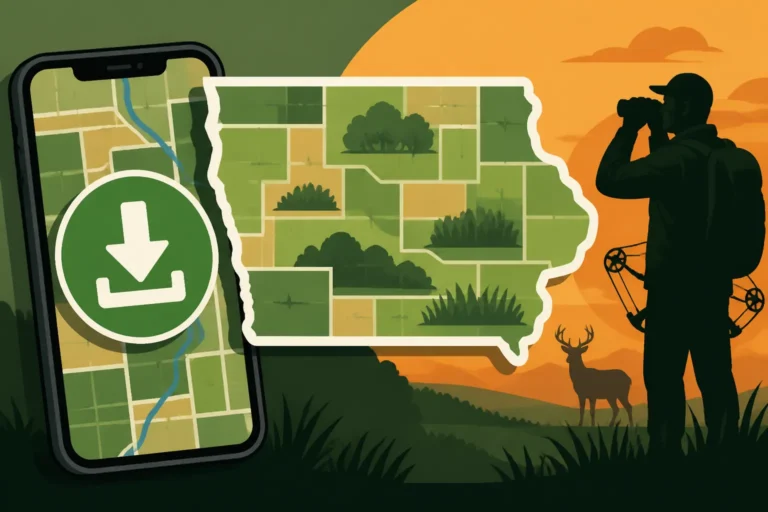
Start with the official Using the Iowa DNR Hunter Atlas. This online tool provided by the state is invaluable. It clearly delineates public hunting lands, including state forests, wildlife management areas, and critically, Iowa's Habitat and Access Program (IHAP) lands. IHAP tracts are private lands enrolled in a program that opens them to public hunting for specific seasons, marked with bright yellow signs on site. It's truly a game-changer for accessing ground.
Beyond the DNR's own atlas, commercial mapping applications like onX Hunt are an absolute must-have for any serious hunter in Iowa. These apps layer private and public land boundaries, landowner names, and satellite imagery right onto your phone or GPS device. With onX Hunt, you can quickly identify nearby public hunting zones and even scout them from your couch. You can see timber blocks, food plots, creek bottoms, and potential bedding areas without ever setting foot on the ground. Similarly, platforms like GoHunt can offer valuable insights, especially for understanding draw odds for other, more distant opportunities if you're interested in the broader nonresident draw system. These tools empower you to pinpoint promising locations quickly and efficiently. E-Scouting Iowa Farm Country From Home is a critical skill for this.
When you're looking at a map around Neal Smith, use these tools to zoom out and look for other green-shaded areas. Pay close attention to the specific designations: "Wildlife Management Area" (WMA) or "State Forest" are good indicators of generally huntable public land. Also, keep an eye out for those distinct yellow "IHAP" markers, which signify fantastic Iowa's Habitat and Access Program Explained opportunities.
Nearby Wildlife Management Areas and State Forests
While Neal Smith is largely a no-go, there are various types of public land across Iowa that do offer legitimate hunting opportunities. Depending on your target species and preferred hunting style, you can find quality ground if you're willing to do some research and potentially drive a bit further.
- State Forests: Iowa boasts several state forests, such as Stephens State Forest in south-central Iowa or Yellow River State Forest in the northeast. These tend to offer more timbered habitat, which can be excellent for deer and turkey hunting. While none are directly adjacent to Neal Smith, many are within a reasonable drive and offer significant acreage. They provide excellent opportunities for tactics like Iowa Whitetail Hunting Tactics Through the Rut or Iowa Turkey Hunting Tactics for Spring Gobblers.
- Wildlife Management Areas (WMAs): The Iowa DNR manages numerous Iowa Wildlife Management Areas throughout the state. These areas are specifically acquired and managed for wildlife production and public recreation, including hunting. WMAs vary widely in habitat, from wetlands prime for waterfowl to timber and grasslands for deer, turkey, and upland birds. Some WMAs might be smaller, but they can still hold good numbers of game, especially away from major population centers or if you're willing to walk further.
- County Conservation Board Areas: Don't overlook properties managed by local county conservation boards. Many counties in Iowa manage smaller tracts of timber, grasslands, or riverside property that are open to public hunting. The rules can vary from county to county, so always check with the specific county conservation board, but these can be hidden gems for local hunters.
When evaluating these alternative areas, consider the Hunting Pressure Patterns on Iowa Public Land and try to identify access points that might deter other hunters, allowing you to find more secluded spots.
Seeking Private Land Permission
In a state like Iowa, where private land constitutes the vast majority of the landscape, securing permission from landowners is often the most effective way to find consistent and high-quality hunting. While public lands provide vital access, the sheer amount of private ground means that building relationships with landowners can unlock incredible opportunities that aren't subject to the same pressures as public areas.
Don't be intimidated by the idea of asking for permission. Many landowners are open to allowing respectful hunters on their property, especially if it helps manage deer populations or control predators. The key is to be polite, professional, and clear about your intentions. Offer to help with chores, understand their rules, and always leave the property better than you found it. A simple, sincere conversation can go a long way.
When seeking Finding Private Land Access in Iowa, start by identifying landholders near areas you've scouted digitally, perhaps using onX Hunt to get their names. A face-to-face meeting is almost always better than a phone call. Explain your commitment to ethical hunting, safety, and respect for their property. Emphasize that you'll be considerate of their livestock, crops, and personal space. This approach often leads to much more rewarding hunting experiences than perpetually bouncing between pressured public tracts. Sometimes, having a Leaving a Trip Plan for a Public Hunt can even help build trust, showing that you're responsible and organized.
| Feature | Neal Smith National Wildlife Refuge | Typical Iowa Public Hunting Area (WMA/State Forest/IHAP) |
|---|---|---|
| Primary Mission | Tallgrass Prairie Restoration | Wildlife Habitat & Public Recreation |
| General Hunting Access | Generally No | Yes, seasonally (check specific rules) |
| Big Game (Deer/Turkey) | Extremely Limited/Rare Draw Hunts | Widely available seasonally |
| Small Game/Waterfowl | Generally No | Available in suitable habitats (check regulations) |
| Primary Visitor Focus | Education, Hiking, Wildlife Viewing | Hunting, Fishing, Hiking, Camping |
| Bison/Elk Presence | Yes, for ecological restoration | No, managed as game species (if present) |
| Mapping Tool Status | Shows as Federal Land, often "No Hunting" | Clearly marked as huntable public land |
The bottom line for hunters is that while Neal Smith National Wildlife Refuge is a conservation success story and a fantastic place to visit for non-consumptive recreation, it's not where you'll be filling your deer tags or calling in turkeys. Focus your efforts on the numerous state, county, and IHAP lands that Iowa offers, and don't be afraid to knock on doors for private land access. With the right tools and a bit of effort, your Iowa hunting dreams can still come true.
Disclaimer
This article is for general informational purposes only and does not constitute professional advice. Laws, prices and regulations vary by location and change over time. Consult a qualified professional for guidance on your specific situation.