Iowa Upland Bird and Waterfowl Seasons
The crisp mornings, the rustle of dry cornstalks, the distant honk of geese—these are the sounds that draw Iowa hunters out year after year. But let's be honest, trying to decipher the Iowa Department of Natural Resources (DNR) regulations for upland birds and waterfowl can feel like a college exam in itself. With different zones, split seasons, specific bag limits, and licensing requirements, it’s easy to get overwhelmed. This comprehensive guide is designed to cut through the confusion, offering a clear roadmap to understanding Iowa's upland bird and waterfowl seasons, so you can spend less time guessing and more time in the field.
Navigating the Seasons: Why Iowa's Calendar is a Hunter's Puzzle
Iowa is an agricultural state, and that means a mosaic of habitats from vast crop fields to wetlands and timbered river bottoms, all of which support a diverse array of game birds. This richness is fantastic for hunters, but it also necessitates a complex regulatory framework to ensure sustainable populations. The sheer variety of species, coupled with the need to manage them locally and regionally, creates a hunting calendar that can seem, at first glance, like a tangled mess.
The Sheer Variety of Game Birds
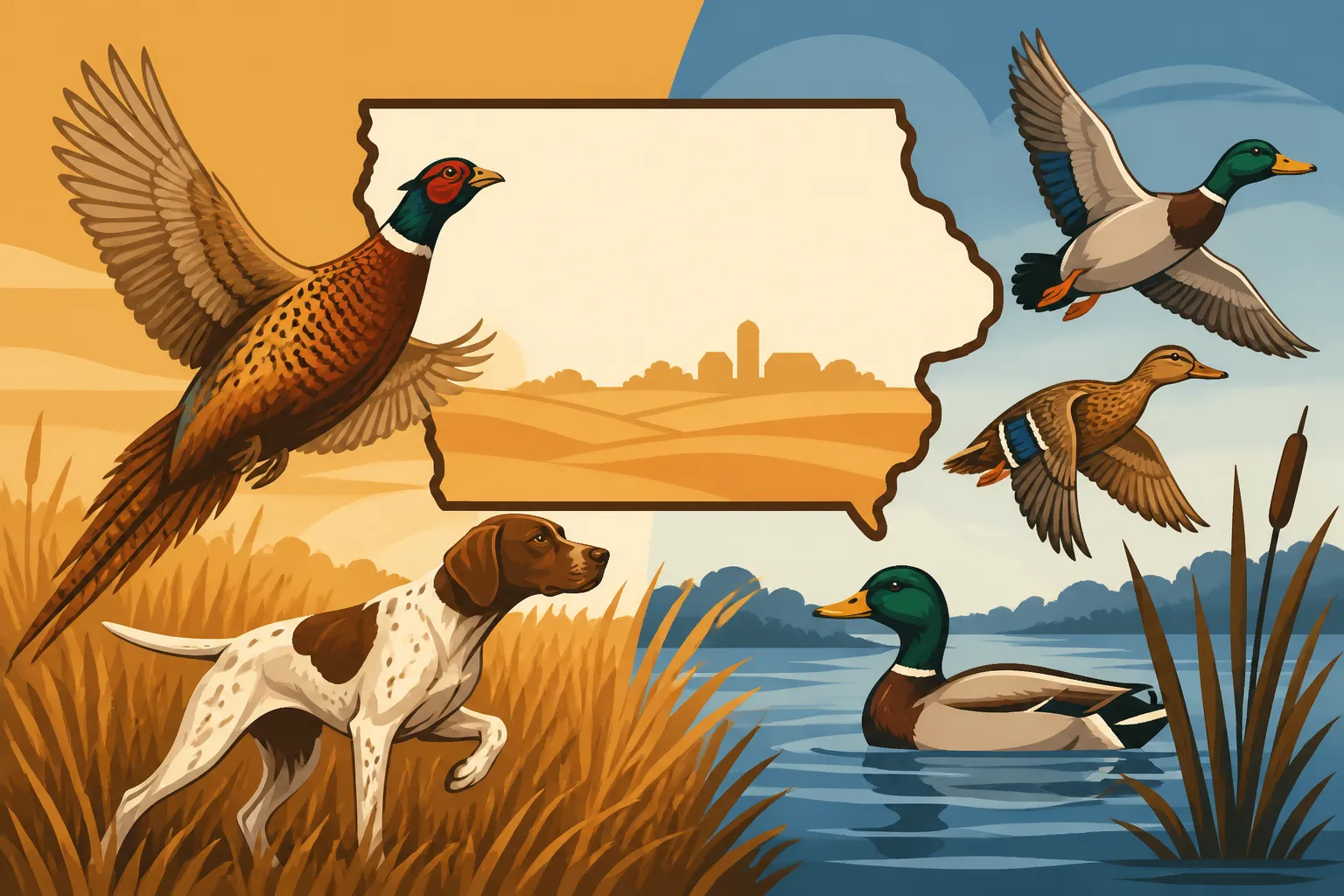
When you think about bird hunting in Iowa, a few key species immediately come to mind, each offering its own unique challenge and thrill. You’ve got the iconic ring-necked pheasant, a bird that has become synonymous with autumn in the Hawkeye State, often found exploding from thick cover. Then there are the bobwhite quail, primarily inhabiting the southern reaches of Iowa, known for their explosive covey flushes that get the heart pounding. And for those seeking a more elusive challenge, the Hungarian partridge offers a rare pursuit in the northern counties. Each of these upland birds demands different tactics and often different types of cover.
Beyond the upland fields, Iowa's position in the Mississippi Flyway makes it a crucial stopover for millions of migratory waterfowl. Ducks of all stripes—mallards, wood ducks, pintails, teal, and more—funnel through the state, utilizing its myriad rivers, marshes, and backwaters. Geese, too, are abundant, from the resident giants to the migrating Canada geese, and the seemingly endless flocks of snow and Ross's geese that pass through. Balancing the hunting pressure on these varied populations, while also accounting for their different migratory patterns and breeding success, is a constant challenge for wildlife managers. For us hunters, it means a lot of dates and regulations to keep straight to ensure we're hunting legally and ethically.
Understanding Zone and Split Seasons
One of the biggest sources of confusion for bird hunters in Iowa, especially waterfowl hunters, revolves around zone and split seasons. Unlike deer hunting, which is mostly statewide with different weapon types, migratory birds require a more nuanced approach. Iowa is divided into two primary waterfowl zones: the North Zone and the South Zone. These zones account for the natural progression of migration, with birds typically arriving and departing earlier in the northern part of the state. Having separate dates for these zones allows hunters to target birds when they are most abundant in their respective areas, rather than having a single statewide season that might miss peak migration in either north or south.
To further complicate (or, perhaps, optimize) matters, both duck and some upland seasons often employ "splits." A split season means there's an opening period, then a temporary closure, followed by a second opening period later in the year. For ducks, this is often done to allow for an early season when local birds are abundant, a short closure to let some hunting pressure subside, and then a later season to coincide with the main push of migrating birds from farther north. For pheasants and quail, the season might open and run through a significant portion of the fall and early winter, often including a special youth-only weekend prior to the general opener. This careful calibration ensures hunters have opportunities throughout the fall and early winter, but it also means you absolutely need to consult the most current Iowa hunting regulations booklet or the Iowa DNR website before each season. Overlooking a zone line or a split date can quickly turn an otherwise great hunt into a legal headache, and nobody wants that.
Upland Bird Seasons: Chasing Ringnecks, Bobwhites, and Huns
There's something incredibly primal about walking through cover, anticipating the explosive flush of an upland bird. Iowa offers some fantastic opportunities for pheasant, quail, and even the elusive Hungarian partridge. Each species offers a unique experience and requires hunters to be intimately familiar with their season dates and regulations.
Pheasant Season: The Iowa Icon
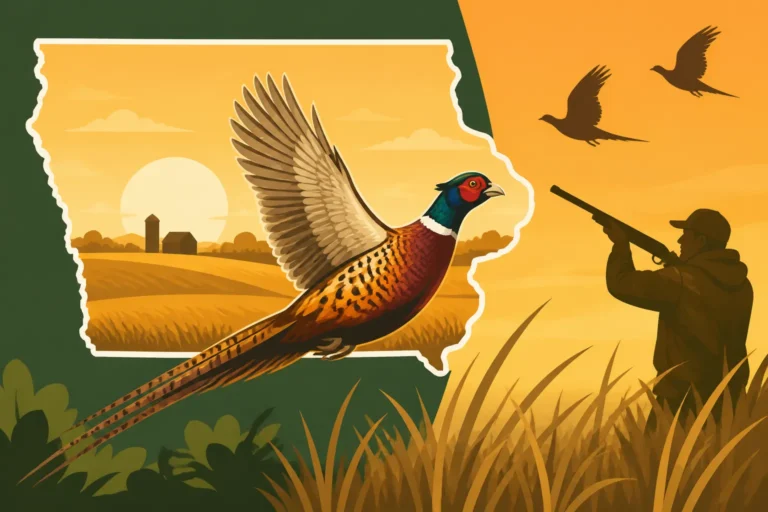
If there's one bird that defines fall hunting in Iowa, it's the ring-necked pheasant. The vibrant colors of a rooster bursting from a cattail slough or a CRP field are etched into the memory of every Iowa hunter. The general pheasant season typically opens in late October and extends well into January, often concluding around the 10th. This long season gives hunters ample opportunity, from the brisk days of fall to the crisp, often snow-covered landscapes of mid-winter. The daily bag limit is generally three roosters, with a possession limit of twelve. Remember, only roosters are legal to harvest in Iowa, a critical component of pheasant management to protect nesting hens and ensure future populations.
For many families, the youth pheasant season, which usually takes place a week or two before the general opener, is a cherished tradition. It provides a less pressured environment for young hunters to learn the ropes and experience the thrill of a pheasant hunt. Whether you're working the edges of a cornfield, pushing a dense brush line, or walking through tall CRP grass, understanding the Iowa Pheasant Season Dates and the Iowa Pheasant Daily Bag Limit is paramount. Keep in mind that conditions like winter severity can heavily impact bird numbers, so pay attention to reports and surveys for an idea of what to expect each year. Pheasants love thick, heavy cover for roosting and escape, especially in colder weather. Look for undisturbed grass fields, cattail sloughs, and dense plum thickets bordering food sources like picked corn and bean fields.
Quail Season: A Southern Iowa Gem
While pheasants grab most of the headlines, the bobwhite quail offers an equally exciting, albeit more geographically specific, hunting experience in Iowa. Quail populations are predominantly found in the southern half of the state, particularly in counties south of Highway 34. These birds thrive in diverse habitats that include brushy draws, timber edges, native grass, and small agricultural fields – essentially, areas with good interspersion of cover and food. The quail season usually mirrors the pheasant season, opening in late October and running into January. The daily bag limit is typically eight birds, with a possession limit of sixteen.
The thrill of quail hunting often comes from the sudden, explosive flush of an entire covey, sending birds scattering in every direction. It requires quick reflexes and often a good bird dog to help locate and retrieve. Quail are notoriously sensitive to severe winter weather, and their populations can fluctuate more dramatically than pheasants. Mild winters and good nesting seasons are key to robust numbers. If you're planning a trip to the southern tier, make sure to check the Iowa Quail Season Dates and Iowa Quail Bag Limits before you head out. Spending time scouting for the right mix of cover—think multiflora rose, brushy fence rows, and field edges—can significantly increase your chances of finding these fantastic little birds. Remember, a good strategy involves working slower through prime quail cover than you might for pheasants, allowing the covey to hold tight until you're in range.
Hungarian Partridge: The Elusive Northern Birds
For the hunter seeking a true challenge and perhaps a slightly different experience, the Hungarian partridge, often called "Huns," provides a unique opportunity in Iowa. These compact, fast-flying birds are primarily found in the northern counties of the state, particularly the north-central and northwest regions. Unlike pheasants that prefer thicker cover, Huns often frequent open, expansive agricultural areas, feeding in picked fields and seeking cover in grassy ditches, fence lines, and sparse stubble. Their season generally aligns with pheasants and quail, opening in late October and concluding in January, but their daily bag limit is much lower, typically eight birds, with a possession limit of sixteen.
Finding Hungarian partridge can be difficult. They tend to be wary and will often run or flush at long distances. While they're often encountered incidentally while pheasant hunting, targeting them specifically requires a different approach. Look for them in areas with winter wheat, soybean stubble, or fall-seeded crops where they can feed and find minimal cover. A good pair of binoculars and patience are invaluable. Due to their limited range and specific habitat needs, they are not as widely pursued as pheasants or quail, making them a special prize for those who manage to bag one. If you're heading north, check out the specific details on Iowa Hungarian Partridge Season in the DNR regulations, and be prepared for a hunt that demands keen observation and quick shooting.
Waterfowl Seasons: Decoys, Waders, and Early Mornings
Iowa's position in the Mississippi Flyway makes it a true waterfowl mecca. From bustling river backwaters to tranquil prairie potholes, the state offers diverse opportunities for duck and goose hunting. Success often hinges on understanding migration patterns, local habitat, and, of course, the intricate web of season dates.
Duck Seasons: Zones and Migration Timing
Duck hunting in Iowa is a celebrated tradition, but it requires careful attention to the calendar due to the state's zone system. As mentioned, Iowa is split into two primary waterfowl zones: the North Zone and the South Zone. The North Zone duck season typically opens earlier in the fall, often in late September, and usually runs for a period, then closes for a "split," reopening later in October or November to catch the main migration push. The South Zone follows a similar pattern but generally opens a bit later, usually in early October, with its split occurring slightly later as well. This system allows hunters to optimize their efforts based on when ducks are most abundant in their region. Knowing your zone and the specific dates is critical, and the Iowa DNR website, or a resource like GoHunt, is invaluable for having the most up-to-date information at your fingertips.
Daily bag limits for ducks are a bit more complex than upland birds, as they are species-specific. For example, you might have a total duck limit, but within that, there are restrictions on mallards (with a hen mallard restriction), wood ducks, pintails, canvasbacks, and redheads. It's crucial to be able to identify ducks in flight and on the water to ensure you stay within these limits. Good scouting before the season, knowing the prime areas where ducks stage and feed, and understanding Iowa Duck Migration Timing will significantly improve your success. Whether you're setting up decoys on a river backwater or jump-shooting a small farm pond, the thrill of ducks cupped in the wind, coming into your spread, is an unforgettable experience.
Goose Seasons: Canada, Snow, and Light Geese
Geese offer another exciting dimension to Iowa waterfowl hunting, with different species providing unique hunting experiences. The regular Canada goose season often runs concurrent with duck seasons, sometimes with slightly different opening and closing dates, and frequently extends later into the winter. Canada geese are abundant in Iowa, from the large resident populations to the countless migrants that pass through. Daily bag limits are usually generous, often three or five birds, with possession limits typically double the daily.
However, beyond the regular season, Iowa also offers special early and late seasons for geese. There's often an Early September Canada Goose Season designed to target resident geese before the main migration arrives, with liberal bag limits. This is a fantastic opportunity for hunters to get out early and often requires different tactics than late-season hunts. Then, there's the Light Goose Conservation Order, which typically takes place in late winter and early spring, targeting snow geese and Ross's geese. This "conservation order" is not a traditional hunting season but rather a management tool to reduce overpopulated light goose numbers. It comes with incredibly liberal regulations, including no daily or possession limits, extended shooting hours, and often allows for unplugged shotguns and electronic calls. It's a completely different kind of waterfowl hunting, often involving massive decoy spreads and intense action. For any goose hunt, understanding Iowa Goose Season Dates is your first step. Whether you're targeting small family groups of Canadas or the swirling vortex of a thousand snow geese, hunting in Iowa provides truly memorable moments. Pay attention to those Snow Goose Numbers Through Iowa reports if you're planning a conservation order hunt, as their movements are highly dependent on weather patterns.
Early Teal Season: A Unique Opportunity
For many waterfowl enthusiasts, the early teal season is a highly anticipated opening, offering a chance to get into the marsh before the main duck season even begins. This special season typically runs for about two weeks in early to mid-September, specifically targeting blue-winged and green-winged teal. These small, fast-flying ducks are early migrants, passing through Iowa well before the larger puddle ducks and divers. The daily bag limit for teal is usually six, with a possession limit of eighteen.
The early teal season is a fantastic way to kick off the waterfowl hunting year. It's often warmer, the leaves are still on the trees, and the atmosphere in the marsh is vibrant. However, there's a crucial rule to remember: during early teal season, only teal can be harvested. This means positive identification is absolutely essential. Shooting any other duck species is a violation. Hunters often set out smaller decoy spreads, focusing on shallow water areas where teal feed. It's a fast-paced hunt; teal come in quickly and often low to the water. This season provides a unique window into the migration, and it's a great opportunity for those who love the challenge of these nimble birds. Always consult the Iowa DNR regulations for the precise dates and any specific rules that apply to this special season.
Essential Licensing and Permits for Bird Hunters
Beyond knowing your season dates, having the correct licenses and permits is non-negotiable for hunting in Iowa. The system is designed to fund conservation efforts and manage wildlife populations, so ensuring you're properly licensed is both a legal requirement and a contribution to the future of hunting.
Base License and Habitat Fee: The Foundation
Before you even think about stepping into the field for upland birds or waterfowl, you'll need the foundational elements of Iowa's licensing system. Every hunter, resident or nonresident, must purchase an Iowa Hunting License. This is your basic entry ticket. On top of that, there's a mandatory Iowa Habitat Fee. This fee is incredibly important, as the funds generated directly support the acquisition and management of vital wildlife habitat across the state, benefiting everything from pheasants to deer to ducks. It’s a direct investment in the places we love to hunt.
The cost of these licenses varies significantly between residents and nonresidents. Residents generally enjoy lower prices, reflecting their ongoing contributions through taxes. Nonresidents, on the other hand, will find the costs higher, as is common in many states that offer exceptional hunting opportunities. It’s crucial to check the current fee schedule on the Iowa DNR website, or through a platform like GoHunt, before you plan your trip. You can easily purchase these licenses online through the Go Outdoors Iowa system. Failing to have both your basic hunting license and the habitat fee could result in fines and the forfeiture of your harvest, so make sure they're among the very first things you sort out. Familiarize yourself with the Iowa Base Licence and Habitat Fee to understand the current requirements.
Federal and State Waterfowl Stamps and HIP Registration
If your sights are set on ducks or geese, the licensing requirements expand slightly to include specific federal and state migratory bird permits. First and foremost, any waterfowl hunter aged 16 or older must possess a valid Federal Migratory Bird Hunting and Conservation Stamp, more commonly known as the Federal Duck Stamp. This stamp is not just a permit; it's a powerhouse for conservation. Revenue from the sale of Federal Duck Stamps has purchased or leased millions of acres of wetland habitat across the United States, directly benefiting ducks, geese, and countless other wetland-dependent species. You can purchase these stamps at post offices, sporting goods stores, or online.
In addition to the Federal Duck Stamp, Iowa requires its own Iowa Migratory Game Bird Fee. This is Iowa's state-level stamp or permit specifically for hunting migratory birds. Like the habitat fee, the revenue from this fee supports migratory bird management and habitat projects within the state.
Finally, all hunters who plan to hunt migratory game birds (ducks, geese, doves, woodcock, snipe, and rails) must register with the Harvest Information Program (HIP). HIP registration is a federal requirement, but you complete it through the state's licensing system (Go Outdoors Iowa). It's a quick, free process where you answer a few simple questions about your previous year's hunting success. The data collected from HIP helps wildlife agencies track harvest trends and make informed management decisions. Without HIP registration, your state and federal migratory bird stamps are essentially invalid for hunting. Don't overlook it! For all the specifics, double-check the Iowa Duck Stamp and HIP Requirements to ensure you're fully compliant before you head to the blind.
Planning Your Hunt: Resources and Considerations
Successful bird hunting in Iowa, whether for pheasants or ducks, goes far beyond knowing the season dates. It involves meticulous planning, leveraging available resources, and understanding the myriad factors that influence bird behavior and hunting success.
Utilizing Online Resources like GoHunt
In today's digital age, hunters have an incredible array of tools at their disposal, and utilizing them can drastically improve your planning and success. The Iowa DNR website is an absolute goldmine of information. It's where you'll find the official hunting regulations, season dates, bag limits, and detailed maps of public hunting areas. Regularly checking the DNR's pheasant and quail outlooks, which are often based on roadside surveys, can give you a good idea of what to expect in terms of bird numbers in different regions.
Beyond the official state resources, third-party platforms like GoHunt offer invaluable mapping and data aggregation services that many modern hunters swear by. GoHunt can overlay public land boundaries, habitat types, and even topographical features, helping you identify promising areas for upland birds or potential duck blinds. It's a fantastic tool for e-scouting from your couch, saving you precious time and fuel. With GoHunt, you can pinpoint specific habitat features, like the intersection of CRP grass and a standing cornfield for pheasants, or shallow marsh areas for teal. Make sure you download offline maps if you plan to use such apps in areas with spotty cell service, which is common in many prime hunting locations across Iowa. Combining the official DNR regulations with advanced mapping features found on platforms like GoHunt creates a powerful planning strategy that can give you a significant edge in the field.
Weather, Habitat, and Pressure
No matter how well you plan, successful bird hunting is heavily influenced by dynamic factors like weather, habitat, and hunting pressure. Weather, especially cold fronts and snow, can trigger major changes in bird behavior. For upland birds, a fresh blanket of snow often concentrates pheasants and quail into thicker, more protective cover, making them easier to locate, but also harder to flush. Severe cold can be tough on upland birds; understanding Winter Severity and Iowa Pheasant Numbers can give you a realistic expectation of populations. For waterfowl, a strong cold front in the northern states can signal a new push of migrating birds into Iowa, filling marshes and river systems.
Habitat is the ultimate determinant of where you'll find birds. Pheasants thrive in dense grasses, cattails, and brushy fence rows bordering agricultural fields. Quail prefer a mosaic of brush, timber edges, and native forbs. Ducks and geese need water, whether it's a large reservoir, a winding river, or a small slough, along with nearby food sources like picked corn. Learning to "read" the landscape and identify prime habitat from maps or during scouting is crucial.
Finally, hunting pressure is a significant factor, especially on public lands. Popular wildlife management areas can see a lot of hunters, particularly on opening weekend. Birds quickly become wary and can relocate to harder-to-reach cover. Understanding Iowa Public Land Hunting Pressure is key. Sometimes, the best strategy is to avoid the crowds by hunting weekdays, or by seeking out less accessible areas. Knowing that birds get pressured means they will move to dense, undisturbed cover, which might require a tougher walk or a different approach.
Scouting and Access
Pre-season scouting is not just for deer hunters; it’s an equally vital component of a successful bird hunt. For upland birds, driving rural roads in late summer and early fall can give you a good sense of where birds are. Pay attention to the Iowa DNR's annual Iowa Pheasant Roadside Survey Results, which provide county-by-county population estimates and are an excellent guide for where to focus your efforts. Look for fields with good residual cover, dense waterways, and undisturbed areas.
For waterfowl, scouting involves identifying active feeding areas (often picked cornfields), roosting sites, and travel corridors between the two. This might mean driving around at dawn or dusk, or spending time glassing marshes from a distance. Aerial imagery on mapping apps, including GoHunt, can help identify potential hidden pockets of water or dense cover before you even step foot in the field.
Once you've identified promising areas, the next hurdle is securing access. Iowa offers a good amount of public hunting land through Wildlife Management Areas (WMAs), State Forests, and the innovative Iowa Habitat and Access Program (IHAP) tracts. IHAP lands are privately owned but open to public hunting for specific seasons, often marked with distinctive yellow signs. Always verify the boundaries and specific regulations for any public land. If you're hoping to hunt private land, the process involves respectfully asking landowners for permission. A friendly knock on the door, a polite conversation, and a promise to be respectful can often open up prime hunting opportunities. Remember, gaining Finding Private Land Access in Iowa is about building relationships, not just showing up. Respecting property boundaries and following landowner requests are essential for maintaining these valuable opportunities for everyone.
Special Seasons and Youth Opportunities
Iowa is committed to fostering the next generation of hunters and providing equitable access to the outdoors. This commitment is reflected in special seasons designed for youth and provisions for disabled hunters.
Youth Seasons: Fostering the Next Generation
One of the highlights of Iowa's hunting calendar for many families is the dedicated youth hunting seasons. These seasons are specifically designed to give young hunters (usually those 15 years old and younger) an opportunity to hunt before the general opener, often in a less crowded and pressured environment. For upland birds, the Iowa Youth Pheasant Weekend is a prime example. This special weekend typically occurs a week or two before the general pheasant season opens in late October. It allows young hunters to experience the thrill of pheasants without competing with experienced adult hunters, providing a safer and more relaxed introduction to the sport.
These youth seasons are invaluable for mentoring. They provide a perfect setting for parents, grandparents, or other mentors to teach not just hunting techniques but also critical lessons in hunter safety, wildlife identification, ethics, and conservation. The focus is often less on bagging limits and more on the overall experience of being outdoors and learning. Iowa’s commitment to Iowa Mentored Youth Hunting ensures that even those without hunter education certification can participate under the direct supervision of a licensed adult. These opportunities are vital for ensuring the future of hunting and conservation in the state, instilling a love for the outdoors in young people from an early age.
Disabled Hunter Opportunities
Iowa's DNR also recognizes the importance of providing opportunities for hunters with disabilities. While specific season dates for disabled hunters are more common for deer, there are provisions and accommodations that can assist those with physical challenges in participating in bird hunts. For example, some public lands may have accessible hunting blinds or designated areas that are easier to navigate. Additionally, rules regarding crossbow use, which might typically require a specific permit for able-bodied hunters during archery deer season, can sometimes be more flexible for hunters with certain disabilities.
It's always recommended for hunters with disabilities to contact the Iowa DNR directly or visit their website's accessibility section. They can provide the most current information on permits, special accommodations, and any designated hunting areas designed to enhance accessibility. The goal is to ensure that everyone who wishes to participate in Iowa's rich hunting heritage has the opportunity to do so, regardless of physical limitations.
Beyond the Basics: Important Regulations and Best Practices
Understanding season dates and bag limits is essential, but a truly responsible and successful hunter adheres to a broader set of regulations and embraces best practices that ensure safety, ethical conduct, and the long-term health of Iowa's wildlife populations.
Blaze Orange Requirements
Safety is paramount in any hunting activity, and nowhere is this more evident than with blaze orange requirements. Iowa has clear rules regarding when and where hunters must wear blaze orange, and it's especially critical for upland bird hunters who are often active during concurrent gun deer seasons. Generally, hunters pursuing pheasants, quail, or partridge during any of Iowa's gun deer seasons (first and second shotgun seasons, late muzzleloader, or January antlerless) must wear at least one of the following: a blaze orange vest, coat, jacket, sweatshirt, shirt, or coveralls. The garment must display at least 200 square inches of blaze orange, with 100 square inches visible from the front and 100 square inches visible from the back. An orange hat alone is often not sufficient.
These regulations are not suggestions; they are laws designed to prevent accidents by making hunters highly visible to one another. Even if you're hunting in an area where deer hunting isn't explicitly happening, if it's during a gun deer season, you need to wear your orange. It's a simple, effective way to ensure safety for yourself and your hunting party. Always consult the Iowa Blaze Orange Requirements in the current regulations to ensure full compliance. Beyond the legal requirement, it's just good sense—make yourself seen, especially when working through thick cover.
Legal Shooting Hours and Bag Limits
Legal shooting hours are another critical regulation that every hunter must know and strictly adhere to. For most upland birds and waterfowl in Iowa, the general shooting hours begin at sunrise and extend until sunset. However, there can be slight variations, particularly for waterfowl, where shooting hours might begin 30 minutes before sunrise. These times are precisely defined in the Iowa hunting regulations, often with specific tables or references to official sunrise/sunset data. Using a reliable weather app or a dedicated hunting app (like GoHunt) that provides local sunrise/sunset times can be incredibly helpful. Guessing or relying on outdated information is a recipe for a violation. Staying in the field past legal shooting hours is a serious offense and can result in significant penalties.
Similarly, strictly adhering to daily and possession bag limits is fundamental to ethical hunting and conservation. The daily bag limit is the maximum number of birds you can harvest in a single day. The possession limit is the maximum number of birds you can have in your possession at any given time, including birds at home, in your vehicle, or in the field. This is usually higher than the daily limit to account for multiple days of hunting. Exceeding these limits not only puts you at risk of fines and license revocation but also undermines the scientific management efforts designed to ensure sustainable wildlife populations for future generations. Knowing and respecting the Iowa Legal Shooting Hours and the various bag limits for specific species is a hallmark of a responsible hunter.
Tagging, Transport, and Reporting
While bird hunting doesn't typically involve the same complex tagging requirements as deer (where specific tags are physically attached to the animal), there are still rules for processing and transporting your harvest. For upland birds and waterfowl, you generally need to leave at least one fully feathered wing attached to the bird while transporting it from the field to your home or final destination. This allows conservation officers to readily identify the species and ensure compliance with bag limits. Once you get home and begin processing, you can remove the wing.
For migratory birds, especially during the Light Goose Conservation Order, there might be specific rules regarding the possession of harvested birds. It's crucial to consult the regulations for any unique requirements. While there isn't typically a harvest reporting system for individual birds like there is for deer, your HIP registration data indirectly contributes to harvest monitoring efforts. The overall best practice is to handle your harvest respectfully, process it efficiently, and transport it legally. Always ensure you are not wasting game meat, and if you are crossing state lines with migratory birds, be aware of federal regulations regarding importation. A knowledgeable hunter is an ethical hunter, and knowing these details contributes to a positive hunting experience for everyone.
Iowa Upland Bird and Waterfowl Season Summary
To help you keep track of the key season dates and bag limits, here’s a quick summary table for Iowa's most popular upland bird and waterfowl species. Always remember that specific dates can shift slightly year-to-year, and zones for waterfowl are critical. This table is a general guide; always consult the current Iowa DNR regulations for the precise and most up-to-date information.
| Species | Season Dates (General) | Daily Bag Limit (General) | Possession Limit (General) | Notes |
|---|---|---|---|---|
| Upland Birds | ||||
| Ring-necked Pheasant | Late Oct. – Early Jan. (Youth: Mid-Oct.) | 3 Roosters | 12 Roosters | Roosters only. Youth season typically 1-2 weeks before general opener. |
| Bobwhite Quail | Late Oct. – Early Jan. | 8 Birds | 16 Birds | Primarily Southern Iowa. |
| Hungarian Partridge | Late Oct. – Early Jan. | 8 Birds | 16 Birds | Primarily North/North-Central Iowa. |
| Waterfowl | ||||
| Ducks (North Zone) | Late Sept. – Early Oct. (Split) | 6 (species specific) | 18 (species specific) | Varies by species (Mallard, Wood Duck, Pintail, etc.). |
| Ducks (South Zone) | Early Oct. – Late Oct. (Split) | 6 (species specific) | 18 (species specific) | Varies by species (Mallard, Wood Duck, Pintail, etc.). |
| Early Teal Season | Early – Mid Sept. (approx. 2 weeks) | 6 Teal Only | 18 Teal Only | Teal only allowed. No other ducks. |
| Canada Geese | Sept. (Early) / Oct. – Jan. (Regular) | 5 (Early) / 3 (Regular) | 15 (Early) / 9 (Regular) | Early season for resident geese. |
| Snow/Ross's Geese | Late Jan. – Mid-April (Conservation Order) | No Limit | No Limit | Unplugged shotguns, electronic calls allowed during Conservation Order. |
Disclaimer
The information provided in this guide is intended for general informational purposes only and does not constitute legal advice. Hunting regulations are subject to change, and it is the sole responsibility of each hunter to consult the most current Iowa Department of Natural Resources (DNR) official regulations, available on their website or in their printed guides, before engaging in any hunting activities. Always prioritize safety and ethical hunting practices.