How the Iowa Any-Deer Quota Is Filled
Navigating the Iowa nonresident deer draw can feel like trying to solve a Rubik's Cube blindfolded, especially when you're dreaming of chasing those legendary Iowa whitetails. The process, particularly how the coveted "any-deer" quota is allocated, often leaves hopeful hunters scratching their heads and wondering if they even stand a chance. This guide is here to unravel that mystery, breaking down the intricate system the Iowa Department of Natural Resources (DNR) uses to distribute those highly sought-after tags.
Understanding Iowa's Deer Management Philosophy
Iowa is renowned for its trophy whitetail deer, a reputation built on rich agricultural lands and a carefully managed deer population. The state's deer management philosophy balances hunter opportunity with herd health, agricultural impact, and public safety. This delicate balance directly influences the number of deer tags available each year, especially for nonresidents hoping to experience hunting in the "Hawkeye State."
Balancing Opportunity and Herd Health
The Iowa DNR has a monumental task: to ensure sustainable deer populations while also meeting the desires of hunters and mitigating conflicts with landowners. For residents, this usually means a fairly straightforward process to acquire tags, often allowing them to hunt multiple seasons or take additional antlerless deer. However, for nonresidents, the approach is much more restrictive. The DNR sets specific quotas to prevent overharvesting by out-of-state hunters, protecting the resident hunting experience and the long-term health of the herd. It’s a constant juggle, and those quotas can shift based on population surveys, harvest data from previous seasons, and even environmental factors.
You might wonder why Iowa is so stringent. The answer lies in the quality of the hunting. With a reputation for producing some of the largest bucks in the country, demand from nonresidents is incredibly high. If there were no limits, the pressure on the deer herd, especially in prime areas, could become unsustainable. The state wants to preserve its resource for generations, and that means managing who hunts and how many deer they can harvest. This management philosophy underpins every decision made about tag allocation.
The Resident vs. Nonresident System
It's crucial to understand that the Iowa deer hunting system operates distinctly for residents and nonresidents. Residents have a much broader array of options, including archery, shotgun, muzzleloader, and even late season antlerless opportunities, often with guaranteed tags or high drawing odds. Their tags are generally less expensive, and they face fewer restrictions on the number of tags they can hold.
Nonresidents, on the other hand, enter a highly competitive draw for a limited number of "any-deer" (either-sex) tags. These tags are distributed across different zones and seasons. There's also a separate application process for antlerless-only tags, which are typically much easier to draw or even available over-the-counter in certain zones and seasons after the main draw. The focus of the nonresident draw is on those highly prized "any-deer" tags, which allow a hunter to pursue a buck or a doe. Without a strategy for Iowa Nonresident Deer Draw Explained, many out-of-state hunters find themselves consistently disappointed.
The Nonresident Application Process and Key Dates
Applying for an Iowa nonresident deer tag isn't just about filling out a form; it's about understanding a tightly scheduled window of opportunity and the specific steps required to get your name into the hat. Miss a date or overlook a detail, and you'll be waiting another year.
Application Window and Deadlines
The nonresident deer application period is a critical time for anyone hoping to hunt Iowa. Typically, the application window opens in May and closes in early June, usually around the first week of the month. For instance, in recent years, it has opened on the first Saturday in May and closed on the first Sunday in June. This short window means you can't procrastinate. It’s important to mark these dates on your calendar well in advance and plan your application accordingly.
Once the window closes, there's no going back. The Iowa DNR is strict about its deadlines, and late applications are simply not accepted. Many hopeful hunters, perhaps distracted by spring chores or other hunting preparations, have missed this crucial window, effectively ending their Iowa deer season before it even began. Make sure you know When Iowa Deer Applications Open and are ready to act. You can find these dates each year on the Iowa DNR website, or resources like GoHunt often publish updated deadline information to help hunters stay on track.
Applying Through Go Outdoors Iowa
The official platform for applying for an Iowa hunting license and deer tag is through the "Go Outdoors Iowa" system, which is part of the Iowa DNR's licensing portal. This online system is generally user-friendly, but it's vital to navigate it carefully to ensure your application is submitted correctly. You'll need to create an account, or log into an existing one, before you can start the application process.
During the application, you'll be asked to select your preferred zone and season. This is where strategic decisions come into play, as draw odds vary significantly by zone and season. You'll also be prompted to either purchase a preference point or apply directly for a tag. If you're applying for a tag, you’ll pay the full license fee upfront, which includes the nonresident deer tag fee, a nonresident hunting license fee, and a habitat fee. Should you be unsuccessful in the draw, the tag fee is refunded, but the base license and habitat fees are generally non-refundable, as they are required to even apply for the draw. This is why understanding Applying Through Go Outdoors Iowa is so important for a smooth application.
Breaking Down the Any-Deer Quota
The "any-deer" quota is the heart of the nonresident draw. This fixed number of tags represents the total number of either-sex deer tags available to nonresidents across the entire state for a given year. Understanding how this quota is structured and distributed is key to strategizing your application.
Overall Quota Numbers
The Iowa DNR sets a statewide quota for nonresident any-deer tags each year. This number is not static; it can fluctuate based on deer population trends, harvest objectives, and legislative decisions. For many years, this quota has remained fairly consistent, often hovering around 6,000 tags. However, it’s crucial to verify the exact quota for the current year, as even small changes can impact your draw odds.
The total quota of tags is further divided into specific zones and seasons. This means that while there might be 6,000 tags statewide, only a fraction of those are available for a specific zone (like Zone 5 in Southern Iowa) during a specific season (like the first shotgun season). This tiered allocation makes the draw incredibly competitive for popular zones and seasons, effectively creating mini-draws within the larger statewide system. Understanding How Many Nonresident Any-Deer Tags Iowa Issues is the first step in comprehending the challenge.
Allocation by Zone and Season
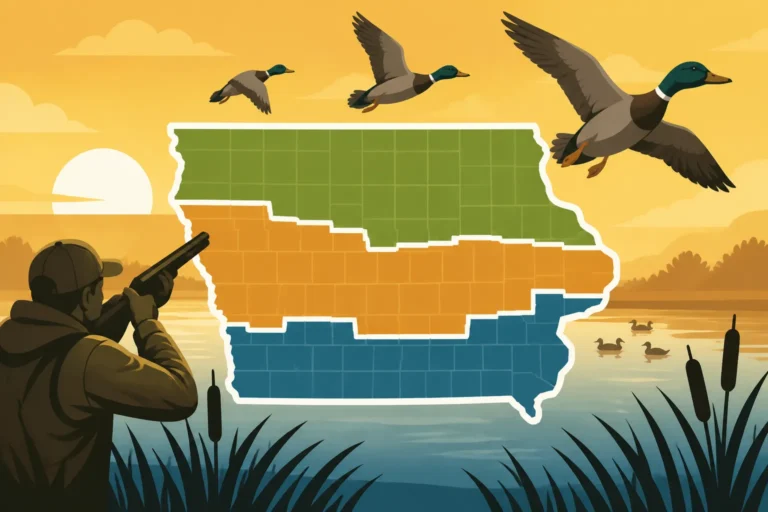
The statewide any-deer quota isn't just a lump sum; it's meticulously parceled out. Each of Iowa's 10 deer zones receives a portion of these tags, and within each zone, the tags are further divided among the various hunting seasons – archery, early muzzleloader, first shotgun, second shotgun, and late muzzleloader. This allocation is not necessarily equal; zones with higher deer densities or less hunting pressure might receive a slightly larger share, although demand often dictates the true difficulty of drawing.
For example, Zone 4 or Zone 5 in southern Iowa, often considered prime big-buck country, typically have some of the toughest draw odds. Conversely, zones in northern Iowa or less popular seasons might offer slightly better chances, though still competitive. The number of tags allocated to each zone and season is predetermined before the application period opens, allowing hunters to research and make informed choices. This detailed breakdown by GoHunt, for example, can show you how the odds shake out, helping you decide whether to focus on a high-demand zone where you might need more preference points or a less competitive option.
Here’s a simplified example of how the allocation might look for a hypothetical 6,000 tag quota, illustrating the distribution:
| Zone | Archery Tags | Early Muzzleloader Tags | 1st Shotgun Tags | 2nd Shotgun Tags | Late Muzzleloader Tags | Total Tags for Zone |
|---|---|---|---|---|---|---|
| Zone 1 | 80 | 20 | 120 | 100 | 40 | 360 |
| Zone 2 | 100 | 25 | 150 | 125 | 50 | 450 |
| Zone 3 | 90 | 20 | 130 | 110 | 45 | 395 |
| Zone 4 | 200 | 50 | 300 | 250 | 100 | 900 |
| Zone 5 | 220 | 55 | 330 | 275 | 110 | 990 |
| Zone 6 | 120 | 30 | 180 | 150 | 60 | 540 |
| Zone 7 | 150 | 35 | 200 | 170 | 70 | 625 |
| Zone 8 | 130 | 30 | 190 | 160 | 65 | 575 |
| Zone 9 | 110 | 25 | 160 | 135 | 55 | 485 |
| Zone 10 | 100 | 20 | 140 | 110 | 40 | 410 |
| Total Statewide | 1300 | 290 | 1900 | 1585 | 635 | 5785 |
Note: These numbers are purely illustrative and do not reflect actual, current Iowa DNR quota allocations, which can vary annually.
As you can see, the bulk of the tags often go to the shotgun seasons, reflecting their popularity, and certain zones historically receive more tags due to higher deer populations or habitat. This table highlights why understanding the precise distribution for your desired zone and season is paramount.
How Preference Points Play a Role in Drawing a Tag
The preference point system is arguably the most crucial aspect of the Iowa nonresident deer draw. It's designed to give loyal, persistent applicants a better chance over time, acknowledging their consistent effort to draw a tag. However, it's also the source of much frustration and confusion.
Understanding the Preference Point System
Iowa operates on a true "preference point" system, not a bonus point system. This means that hunters with the most preference points are drawn first. If you have 5 points, you'll be considered before someone with 4 points, and so on. Each year you apply for a nonresident any-deer tag and are unsuccessful, you receive one preference point. You can also choose to purchase a preference point directly without applying for a tag, effectively building points for future years. This strategy is popular among hunters who know they won't hunt a particular year but want to maintain or build their standing for future draws.
The goal is to accumulate enough points to be in the highest point pool for your chosen zone and season. For instance, if a zone typically takes 4 points to draw, everyone with 4 or more points will be entered into the first round of the draw. If there are more applicants with 4+ points than available tags, a random drawing occurs within that point pool. If tags remain, the next point pool (e.g., those with 3 points) is considered. This continues until all tags are allocated. Knowing Iowa Preference Points and How They Work is fundamental to any long-term Iowa hunting plan.
Point Creep and Draw Odds
"Point creep" is a term that strikes fear into the hearts of many nonresident applicants. It refers to the phenomenon where the number of preference points required to draw a tag steadily increases over time. For example, a zone that might have taken 3 points to draw five years ago might now require 4 or 5 points. This happens because more and more hunters are accumulating points each year, increasing the competition in the higher point pools. It means that even if you've been consistently applying, the goalpost for drawing a tag keeps moving further away.
This steady increase in required points makes predicting success challenging. You might anticipate drawing a tag in 4 years, only to find that when your 4th point comes around, the minimum required points have also increased to 5. This cycle can be incredibly frustrating for hopeful hunters. Resources like GoHunt analyze historical draw data to help hunters understand Iowa Point Creep for Nonresidents and project how many points they might need in future years. It's a game of patience and persistence, and there are no guarantees, even with a high number of points.
Post-Draw Scenarios and What Happens Next
Once the application period closes and the Iowa DNR runs the draw, applicants are eager to know their fate. The outcome can range from elation to disappointment, and understanding what happens next is important for planning.
Checking Draw Results
The Iowa DNR typically announces the nonresident deer draw results in late June or early July. Applicants can check their status online through the "Go Outdoors Iowa" system where they applied. You'll simply log in to your account, and a notification or updated license history will indicate whether you were successful in drawing a tag. Emails are also often sent out, but it's always best to check the official portal directly.
For those who are successful, congratulations are in order! You'll typically see your tag in your account, ready for printing or to be displayed digitally (depending on state regulations). For those who were unsuccessful, the system will reflect that, and if you applied for a tag, you will typically receive a refund for the tag portion of your fee, while gaining a preference point for the next year. Knowing Iowa Deer Draw Results Date is key, as checking too early will only lead to more anticipation!
Unsuccessful Draw and Point Accumulation
If you're among the many who don't draw an any-deer tag, don't despair entirely. As mentioned, you will automatically accrue one preference point for the next year’s draw. This is the foundation of the preference point system: each unsuccessful application moves you one step closer to drawing a tag in the future. The total amount paid for the deer tag itself will be refunded to you, though the base hunting license and habitat fees are usually retained by the state.
Many hunters view this as an investment in their future Iowa hunt. It’s part of the long game of pursuing a trophy whitetail in a state known for them. Some hunters might decide to focus on Buying an Iowa Point Without Applying for a few years to build up a substantial number of points before re-entering the draw for a tag. This strategic approach is common, especially for those targeting the most competitive zones and seasons.
Strategies for Improving Your Chances
While the Iowa nonresident deer draw is undoubtedly tough, there are strategies you can employ to maximize your odds over time. It’s not about finding a cheat code, but about playing the long game smartly and making informed decisions.
Researching Draw Odds by Zone and Season
One of the most impactful things you can do is thoroughly research historical draw odds. The Iowa DNR often publishes this data, breaking down success rates by zone, season, and the number of preference points held by applicants. Websites like GoHunt also compile and analyze this data, presenting it in an easy-to-digest format. This research allows you to identify which zones and seasons are most competitive and which might offer a slightly better chance, even if they're not your absolute first choice.
For example, you might discover that while archery in Zone 5 requires 5+ points, the late muzzleloader season in Zone 8 might be drawn with 3-4 points. This kind of insight can help you decide whether to hold out for your dream hunt or apply for a more achievable tag. It’s a trade-off between patience for a top-tier opportunity and increasing your likelihood of hunting Iowa sooner. Understanding Iowa Deer Draw Odds by Zone is essential for making an informed application.
Building Preference Points Strategically
For many nonresident hunters, the most realistic path to an Iowa any-deer tag is to commit to building preference points over several years. This means either applying for a tag annually and accepting the likely outcome of not drawing (but gaining a point), or proactively purchasing a preference point each year without even applying for a tag. The latter option saves you the upfront cost of the deer tag itself, though you still pay the preference point fee, and the base license and habitat fees.
Consider your personal timeline and hunting goals. If you're okay with waiting 4-7 years for a tag in a premier zone, then consistently building points is the way to go. If you want to hunt Iowa sooner, you might target a less competitive zone or season, which might require fewer points. Just remember that How Many Points to Draw Iowa is a moving target, so flexibility in your zone and season choice can be beneficial. Some hunters with enough capital even purchase a point for multiple family members each year, helping everyone in the hunting party build points simultaneously.
Considering Antlerless-Only Opportunities
While the focus of the nonresident draw is on the any-deer tag, it's worth noting that nonresident antlerless-only tags are often available after the main draw, sometimes even over-the-counter in specific counties during late seasons. These tags don't count against your preference points and can offer a fantastic opportunity to hunt Iowa deer without going through the main draw. These are typically available for purchase in July or August.
These antlerless tags are an excellent option if your primary goal is to get boots on the ground in Iowa, experience the habitat, and fill your freezer. While you won't be able to pursue a buck with an antlerless tag, it allows you to learn the land, understand deer movements, and scout for future buck hunts. It's a great way to gain experience in Iowa without the pressure of the draw. This can also be a good way to test out Public Land Deer Hunting in Iowa or even Hunting Iowa Walk-In Ground Without Burning It Out before investing in a high-point buck tag.
Final Thoughts on the Iowa Any-Deer Quota
The Iowa any-deer quota system for nonresidents is undeniably complex and often frustrating, but it's a necessary component of the state's highly successful deer management strategy. It ensures that the pressure on Iowa's world-class deer herd remains manageable, preserving the quality of hunting that makes the state so famous.
While drawing a tag can feel like winning the lottery, understanding the preference point system, diligently researching draw odds, and strategically building your points are your best bets. For those willing to put in the time and effort, the reward of hunting Iowa's legendary whitetails can be well worth the wait. Whether you're patiently accruing points or exploring antlerless-only options, remember that persistence and informed decision-making are your greatest assets in this challenging but rewarding pursuit.
Disclaimer
The information provided in this guide is for general informational purposes only and does not constitute legal advice regarding hunting regulations. Hunting laws and quotas are subject to change annually. Always consult the official Iowa Department of Natural Resources (DNR) regulations and guidelines for the most current and accurate information before planning any hunting activity.