Iowa Waterfowl Zones and Splits
It’s incredibly frustrating when you’re geared up for a crisp morning hunt, decoys set, and the birds are flying, only to realize you’re either in the wrong season or the wrong zone entirely. Iowa's waterfowl hunting can feel like a riddle with its specific zones and season splits, leaving many of us scratching our heads and wondering if we’ve missed a crucial update. This guide aims to clear up all that confusion, breaking down Iowa's waterfowl zones and the intricacies of split seasons so you can hit the marsh or timber confident in your strategy and compliant with the rules.
Understanding Iowa's Waterfowl Zones: Why They Exist
Iowa, despite being landlocked, sits squarely in the Mississippi Flyway, a superhighway for migrating ducks and geese. You might wonder why we need different zones for waterfowl hunting across a relatively small state. It’s not just to make things complicated, I promise! These zones are carefully designed by wildlife biologists to account for a few critical factors that vary significantly from north to south and along our major rivers.
The Science Behind Zone Design
The primary reason for having distinct waterfowl zones is to align hunting seasons with the actual migration patterns of ducks and geese. Think about it: birds generally move south as the weather cools and food sources freeze over. What's happening in northern Iowa in early October is vastly different from what's occurring in the southernmost counties or along the Mississippi River. The seasons are set to maximize opportunity for hunters while minimizing pressure on local nesting birds and ensuring that migrating populations are around when hunters are in the field.
For instance, the breeding efforts of local birds, particularly wood ducks and resident Canada geese, influence early season dates. As the season progresses, colder temperatures in the northern part of the state often push birds south earlier. If the entire state had one uniform season, hunters in the north might only get a couple of weeks of good hunting before everything freezes solid, while hunters in the south would be waiting around for birds that haven't even thought about leaving Canada yet. The zones help smooth this out, allowing each region to have a more appropriate season length and timing. It's a delicate balance of biology and hunter opportunity, a constant effort to give everyone a fair shake while protecting the resource.
Addressing Hunter Density and Access
Another key consideration for zone boundaries is managing hunter density and access, especially on public lands. Iowa has some fantastic public hunting areas, but they can get crowded quickly, particularly during peak migration periods. By staggering season dates and creating distinct zones, the Iowa DNR can help distribute hunting pressure across the state. This means less competition in popular spots and a better overall experience for everyone.
Imagine if every duck hunter in Iowa descended on the same few wetlands on the exact same opening day statewide. It would be chaos, and the birds would be pressured out in a matter of hours. The zone system helps mitigate this. For example, the season might open earlier in the north, drawing some hunters there, and then open later in the south, giving those birds a chance to settle in and spreading out the hunting effort. This thoughtful distribution helps keep hunting sustainable and enjoyable. While not every state uses zones in the same way, the overarching goal is typically similar: to provide quality hunting experiences while effectively managing waterfowl populations and habitats. Services akin to what platforms like GoHunt provide for big game hunters in the West – detailed maps, harvest data, and regulatory updates – are invaluable for any hunter, including those chasing ducks and geese in Iowa, as these tools help hunters understand where and when to focus their efforts within these zones.
A Deep Dive into Iowa's Specific Waterfowl Zones
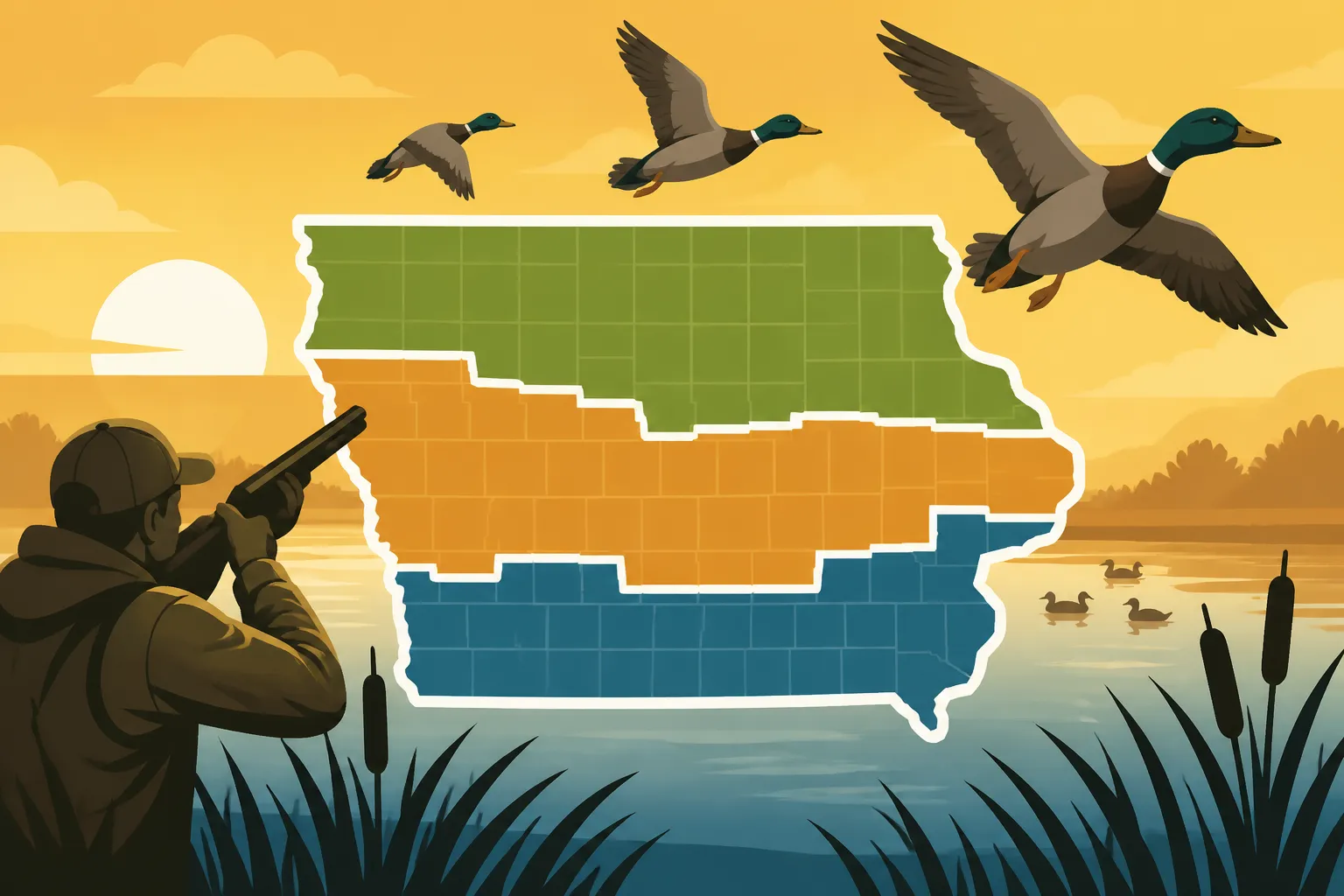
Iowa is divided into distinct zones for duck and goose hunting, each with its own set of season dates. These divisions are critical for planning your hunts, especially if you venture across different parts of the state. Knowing your zone is as important as knowing your decoys!
The North Zone: Early Birds and Field Hunting
The North Zone typically covers the top tier of counties in Iowa, stretching from the Missouri River eastward. This zone generally sees the earliest opening dates for ducks and geese, and often the earliest closures too, thanks to its northern latitude and tendency for earlier freezes. For hunters here, the focus is often on early migration birds – teal, wood ducks, and early-season mallards – as well as resident Canada geese.
Hunting here can be fast and furious in the early season. When that first cold front hits just right, it can bring a wave of fresh birds down from the Dakotas or Canada. You'll find a mix of marsh hunting, smaller pond action, and significant field hunting opportunities, particularly for Canada geese, as they’re hitting those picked corn and bean fields. However, hunters in the North Zone need to be acutely aware of weather patterns. A prolonged cold snap in late October or early November can freeze out many water bodies, sending the birds further south quickly. If you’re hunting here, keeping an eye on the forecast and being ready to adjust your plans is paramount. For detailed local information, checking the Iowa DNR's weekly waterfowl migration reports or local hunting forums can provide real-time updates on bird presence and ice conditions. Remember to check specific dates as you prepare for your hunt, which you can usually find in the official Iowa regulation booklet or on the DNR website.
The Central Zone: A Mid-Migration Hotspot
Moving south, the Central Zone encompasses a large swath of Iowa, acting as a crucial corridor for mid-migration birds. This zone’s season dates typically open a bit later than the North Zone but also extend further into the late fall. This offers a fantastic opportunity for hunters to intercept a wider variety of duck species, including more mallards, gadwalls, and divers, as well as a steady flow of Canada geese and even some snow geese.
Many of Iowa's premier waterfowl production areas, including some significant marshes and large rivers like the Des Moines and Skunk, fall within this zone. This provides a diverse range of hunting scenarios, from large public marshes to private farm ponds and river backwaters. Hunters here often experience the "meat" of the migration – those incredible days when wave after wave of ducks and geese push through. However, this also means hunter competition can be fierce, especially on popular public lands. Patience, early scouting, and being willing to walk a bit further can make all the difference. Knowing the nuances of Iowa Duck and Goose Migration Timing is essential for capitalizing on these mid-season opportunities. Field hunting for geese remains strong throughout the season, especially as crops come off, offering excellent chances for Field Hunting Geese in Cut Corn.
The South Zone: Late Season Opportunities
The South Zone, covering the southernmost counties of Iowa, typically boasts the latest opening dates and the longest season duration. This zone is a magnet for late-season ducks and geese, particularly big northern mallards that are resilient to colder temperatures, and large flocks of Canada geese. While earlier migrants may pass through, the prime hunting often occurs in late November and December, sometimes even pushing into January.
Here, hunters often contend with freezing conditions, requiring robust gear and a keen understanding of how birds react to ice and snow. Open water, whether it's a flowing river, a spring-fed pond, or even a partially frozen marsh with an aerator, becomes absolutely critical. These open water refuges draw birds from miles around. The hunting pressure can still be significant, especially on warmer days that offer a reprieve from the cold, but persistent hunters who brave the elements are often rewarded with truly memorable hunts. Being prepared for cold weather is vital, and understanding Late-Season Food Source Hunting in Iowa and how to find available water can be a game-changer. This is often where you'll find those big, mature mallards that have weathered the journey down the flyway.
Mississippi River Zone: A Unique Flyway Corridor
Distinct from the north, central, and south zones, the Mississippi River Zone follows the eastern border of Iowa along the mighty Mississippi River. This zone has its own unique season dates, often designed to align with the specific migration patterns and ecological conditions of this vast river system. The Mississippi River is a major flyway itself, attracting an incredible diversity and volume of waterfowl.
Hunting in the Mississippi River Zone offers a unique experience, often involving boat access to islands, backwaters, and sloughs. Waterfowl here can be incredibly wary due to constant pressure from both Iowa and Illinois hunters. Success often hinges on knowing specific sections of the river, understanding fluctuating water levels, and being adaptable to changing conditions. Species like canvasbacks, redheads, and other divers are more commonly found here, alongside mallards and geese. Hunters must pay close attention to the specific regulations for the river, which can sometimes differ slightly from inland zones. Knowing the intricacies of Mississippi River Backwater Waterfowl can provide a significant advantage in this unique hunting environment. It's a challenging but incredibly rewarding experience for dedicated waterfowl enthusiasts.
Here's a simplified look at how the zones generally compare (always check official DNR regulations for exact dates, as they can change annually):
| Zone | General Opening (Ducks) | General Closing (Ducks) | Key Characteristics | Primary Species |
|---|---|---|---|---|
| North Zone | Late September/Early Oct | Late October/Early Nov | Earliest seasons, susceptible to early freezes, good for early migrants & field geese. | Teal, Wood Ducks, early Mallards, Canada Geese |
| Central Zone | Early October | Early December | Mid-migration hotspot, diverse habitat, crucial for main duck migration. | Mallards, Gadwalls, Wigeon, Divers, Canada Geese, Snow Geese |
| South Zone | Late October | Late December/Early Jan | Latest seasons, key for late-season mallards and large goose flocks, requires open water. | Mallards, Pintails, Green-winged Teal, Canada Geese, Snow Geese |
| Mississippi River | Early October | Early December | Unique river system hunting, diverse divers & dabblers, heavy pressure, specific regs. | Canvasbacks, Redheads, Bluebills, Mallards, Wood Ducks, Canada Geese |
Note: These dates are generalized. Always consult the current Iowa DNR hunting regulations for precise and up-to-date season dates, split information, and bag limits.
Deciphering Season Splits: More Than Just a Break
If the zones weren't enough, Iowa's waterfowl seasons also feature "splits." A split season means that after an initial hunting period, there's a temporary closure, followed by a reopening of the season for another period. This can sometimes feel like an added layer of complexity, but it's actually a strategic tool designed to improve hunting opportunities and manage bird populations effectively.
The Purpose of a Split Season
The primary goal behind a split season in Iowa, particularly for ducks, is to adapt to unpredictable migration patterns and pressure. Often, the first segment of the duck season coincides with the early migration of species like teal and wood ducks, along with resident birds. This allows hunters to target these species when they are most abundant.
The temporary closure, or "split," typically occurs when there's a lull in migration—often in mid to late October. During this time, many of the early migrants have moved on, and the bulk of the larger, later-migrating mallards and geese haven't yet arrived in significant numbers. By closing the season, it gives the birds that are present a chance to rest and settle down, reducing hunting pressure. It also prepares the stage for the second segment of the season, which is timed to coincide with the arrival of those later, colder-weather ducks and geese. This second push of birds, often more wary and mature, can offer incredible hunting opportunities, especially in the Central and South Zones. It's an attempt to maximize harvest opportunities during two distinct migration "waves" without burning out the birds too early.
Maximizing Your Hunt Around the Break
Understanding the split is crucial for planning your hunting strategy. For the first segment, focus on those early migrators. Locations with good Early-Season Bowhunting Over Water or shallow marshes are often prime. Once the split hits, use that downtime wisely. This is an excellent opportunity for scouting new areas, checking water levels, and making sure your gear is in top shape for the colder weather to come.
When the season reopens for the second segment, you'll often be targeting different birds and employing different tactics. The weather will likely be colder, and many wetlands might be starting to skim with ice. This is when those big blocks of mallards start showing up, often in larger bodies of water or feeding heavily in crop fields. Your decoy spreads might need to be bigger, and your calling more aggressive. This later period often aligns with more opportunities for Decoying an Iowa Whitetail Buck as well, if you're pulling double duty in the woods for deer after the ducks. This transition from early to late season hunting within the split provides a dynamic challenge for waterfowl hunters, demanding adaptability and a keen eye on migration forecasts.
Navigating Regulations and Staying Updated
The world of waterfowl hunting regulations can be a bit of a moving target. Seasons, zones, bag limits – they can all shift slightly year to year. It's not enough to just know the rules; you need to know how to find the most current rules. Trust me, nobody wants a visit from a conservation officer because of outdated information.
Official Iowa DNR Resources
The absolute best and most reliable source for Iowa waterfowl hunting regulations is the Iowa Department of Natural Resources (DNR). They publish a comprehensive hunting regulations booklet every year, typically available both online and at license vendors, bait shops, and sporting goods stores across the state. This booklet is your bible for season dates, zone boundaries, bag limits, shooting hours, and other critical legal details.
Beyond the annual booklet, the Iowa DNR website is an invaluable resource. They often provide real-time updates on migration conditions, disease outbreaks (like avian influenza, which can impact seasons), and any emergency regulation changes. I can’t stress enough how important it is to check their official site before each season, and even periodically during the season, especially for things like Iowa Duck and Goose Migration Timing. They also have maps that clearly delineate the waterfowl zones, which can be incredibly helpful when you're planning a hunt near a zone boundary. Don't rely solely on what your buddy "heard"; go straight to the source. It’s an easy habit to fall into, but it's also how you accidentally end up on the wrong side of a regulation.
Leveraging Digital Tools and Community Knowledge
In today's digital age, there are more ways than ever to stay informed. Many hunters use smartphone apps like onX Hunt or even Google Earth to scout potential hunting spots and verify land boundaries. These tools can sometimes have layers that indicate public lands or specific wildlife management areas. While they don't replace the official DNR regulations, they can be excellent complements for planning. For instance, if you're scouting Iowa Waterfowl Production Areas, these apps can show you exactly where the boundaries lie.
Beyond mapping apps, online forums and social media groups dedicated to Iowa hunting can be great places to gather local intelligence. Hunters often share reports on bird numbers, ice conditions, and general activity. Just remember, while these community resources offer valuable insights, always cross-reference any critical information with official DNR sources. The internet is full of opinions, but only the DNR provides the law. Many experienced hunters also subscribe to newsletters from organizations like Ducks Unlimited or Delta Waterfowl, which often provide updates on conservation efforts and sometimes even regulatory changes specific to the flyway. Just like a serious western hunter might rely on a platform like GoHunt for detailed public land maps and stats, Iowa waterfowl hunters need robust tools to dissect regulations and understand migratory patterns, and a combination of official DNR resources and reliable digital mapping is key.
Hunting Strategies Across Different Zones and Splits
Understanding the zones and splits is one thing; putting that knowledge into practice is another. Your strategy will need to be dynamic, adapting to the specific zone you're hunting, the current segment of the season, and, of course, the ever-changing Iowa weather.
Adapting to Early Season Pressure and Migrations
When the duck season first opens in the North and Central Zones, you're primarily dealing with early migrants and resident birds. These birds can be less wary, especially if they haven't been heavily pressured. However, as the season progresses, they quickly become "educated." Early season strategy should focus on finding those quieter, less pressured spots. Small farm ponds, hidden creek bottoms, and less accessible pockets of public marsh can be goldmines. Don't be afraid to walk a little further to get away from the crowds.
Calling can be effective, but often less is more. Subtle quacks and feed calls are usually sufficient. Your decoy spreads might not need to be massive; a dozen well-placed decoys can often do the trick. Pay close attention to available natural food sources, like smartweed or millet, which attract these early birds. After a weekend or two of hunting, the birds will quickly learn where the pressure is, and your focus should shift to finding unmolested areas. This is where mobility becomes a huge advantage; being able to pick up and move to a new spot if your primary location isn't producing is key to success.
Late Season Tactics and Frozen Conditions
The late season, particularly in the Central and South Zones after the split, is a completely different ballgame. Temperatures drop, ice forms, and the birds are typically big, smart northern mallards and Canada geese that have seen it all. Hunting success often hinges on finding open water – whether it's a flowing river, a spring-fed slough, or a pond kept open by an aerator or current. These locations become magnets for birds looking for refuge and a drink.
Your decoy spread will likely need to be larger and more realistic to attract these wary birds. Full-body Canada goose decoys and magnum duck decoys become essential. Motion decoys, like spinning wing decoys, can be incredibly effective on ducks in colder weather, creating that vital illusion of life on the water. Calling needs to be assertive but realistic. High-pitched hail calls can grab attention, but finish with softer, contented calls to bring them in. Scouting is paramount in the late season; finding where the birds are feeding and roosting before you hunt is crucial. Often, this means hunting Standing Corn Late in the Iowa Season fields for geese or focusing on agricultural fields for ducks. Dress warmly, invest in good waterproof boots, and be prepared to sit in truly frigid conditions. Late season hunting is often a test of endurance, but the rewards—a heavy strap of big greenheads or a limit of Canada geese—are well worth the effort.
Disclaimer
Please remember that hunting regulations, season dates, and zone boundaries are subject to change annually by the Iowa Department of Natural Resources (DNR). The information provided in this guide is intended for general informational purposes only and should not be considered legal advice. Always consult the most current official Iowa DNR hunting regulations booklet or their website before planning or engaging in any hunting activities to ensure compliance with all applicable laws and rules.