Iowa Deer Draw Odds by Zone
Trying to navigate the Iowa nonresident deer draw can feel like deciphering an ancient scroll, especially when you're dreaming of chasing those legendary Iowa whitetails. The truth is, drawing a tag isn't a simple lottery; it's a strategic game of patience, research, and understanding the system. Many hunters get frustrated or even give up after a few unsuccessful attempts because they don't fully grasp how the preference point system interacts with the various hunting zones. This comprehensive guide will pull back the curtain, explaining Iowa's unique zone system, how the draw actually works, and what factors truly influence your odds of punching a tag in your chosen zone.
Understanding Iowa's Deer Hunting Zones
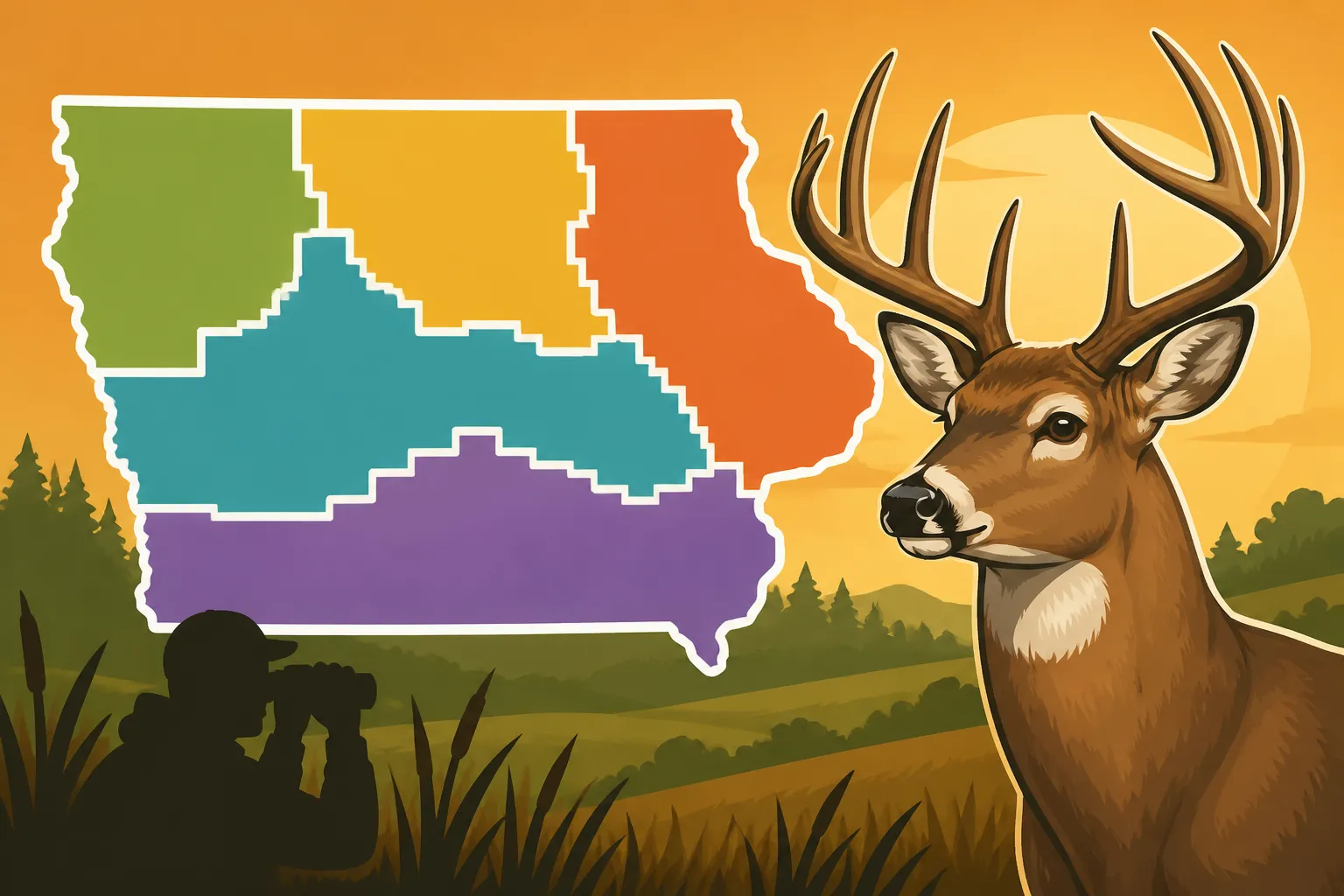
Iowa divides its nonresident deer hunting opportunities into several distinct zones, primarily for managing hunting pressure and herd health across the state. This system is crucial because the number of tags available, the demand from hunters, and consequently, your draw odds, vary significantly from one zone to another. It's not a "one size fits all" application; your choice of zone is arguably the most critical decision in your application strategy.
The Purpose of Hunting Zones
These zones aren't arbitrary lines on a map; they're carefully drawn by the Iowa Department of Natural Resources (DNR) to balance hunter opportunity with sustainable deer management. Each zone has a specific quota of nonresident "any-deer" tags allocated each year, in addition to antlerless tags that often become available later. The idea is to distribute hunting pressure and achieve specific harvest goals, especially concerning the highly sought-after bucks that Iowa is famous for producing. Without these zones, certain areas would be overrun, and the quality of the hunting experience, not to mention the deer herd, would suffer. It's a system designed to spread hunters out and maintain the state's incredible deer population.
Identifying Your Desired Zone
Choosing the right zone isn't just about picking a number on a map; it's about matching your hunting goals with the realities of the draw. Are you primarily focused on harvesting a trophy-class buck, or are you happy with any deer to experience an Iowa hunt? Your answer will heavily influence which zones you should even consider. Generally, the southern tiers of counties (Zones 4, 5, 6, 7, and 8) are renowned for producing some of the biggest bucks and therefore tend to be the most popular, leading to tougher draw odds. Northeastern Iowa, particularly Zone 9, also holds a strong reputation. Areas like Zone 1 (northwest) or Zone 10 (north central) historically see less pressure and might offer slightly better odds for an "any-deer" tag, though they might not have the same "trophy potential" reputation as the southern counties. Before you even apply, spend time studying the specific characteristics of each zone, looking at factors like timber coverage, agricultural patterns, and recent harvest data. A great resource for this is the Iowa DNR's annual harvest reports and aerial maps. You can also review detailed information on Which Iowa Counties Produce Big Bucks to help inform your decision.
How the Iowa Nonresident Deer Draw Works
The nonresident deer draw in Iowa is a preference point system, meaning that the more years you apply and don't draw a tag, the better your chances become in subsequent years. This system rewards patience and persistence, but it also means that new applicants face significantly tougher odds, particularly in highly desired zones. Understanding the nuances of this process is absolutely essential if you hope to eventually hold an Iowa deer tag in your hand.
Preference Points: Your Ticket to Iowa
When you apply for an Iowa nonresident any-deer tag and are unsuccessful in the draw, you are awarded a preference point. This point is essentially a place in line, and each year you apply unsuccessfully, you accumulate another point. When it comes time for the draw, applicants with more preference points are considered before those with fewer. It’s not a guarantee, but it certainly stacks the deck in your favor. If you successfully draw an any-deer tag, your accumulated preference points are reset to zero. This is a critical detail that often catches new applicants off guard. Many wonder What Happens to Points When You Draw Iowa, and the simple answer is, you start over. This mechanism ensures that while long-term applicants eventually get a tag, they don't monopolize the draw forever, giving everyone a chance over time. You can even choose to apply for a preference point only during the application period, without applying for a tag, which is a common strategy for hunters who know they won't have enough points to draw that year but want to keep building their equity. Learning How Many Points to Draw Iowa, even generally, is a continuous process of observation and strategy.
The Application Window and Process
The application period for Iowa nonresident deer licenses typically runs from May to early June, specifically from early May through the first week of June. This short window is your opportunity to apply for an any-deer tag in your chosen zone or to simply purchase a preference point. All applications must be submitted online through the Go Outdoors Iowa system. It's a fairly straightforward process, but you need to be precise. You'll specify your desired zone and your first and second season choices (Archery, Early Muzzleloader, First Shotgun, Second Shotgun, or Late Muzzleloader). If you're applying with a group, each member needs to apply individually but can link their applications to be drawn together – though this means everyone in the group needs to have the same number of preference points as the lowest point holder. Missing the Iowa Deer Application Dates in May and June is a common mistake that can set you back an entire year on your preference point accumulation. I always recommend setting multiple reminders for myself and checking the official Iowa DNR website for the exact dates as soon as they're released each spring.
Breaking Down Draw Odds by Zone
The question on every nonresident hunter's mind is, "What are my odds?" The answer, as you might guess, is complex and varies wildly depending on which zone you're eyeing, how many preference points you have, and even the specific season choice. There's no crystal ball, but by understanding historical trends and the factors at play, you can make an educated guess.
General Trends in Popular Zones
Historically, the draw odds for nonresident any-deer tags in Iowa are toughest in the southern zones, particularly Zones 4, 5, 6, 7, and 8. These zones consistently receive the highest number of applications from hunters with significant preference point totals due to their reputation for giant whitetails and abundant timber. For instance, in some of these highly coveted zones, it can take 4-6 preference points (or even more for rifle seasons) to draw an any-deer tag. Zones 9 (Northeast) and 10 (North Central) can also be challenging but sometimes require slightly fewer points than the deep southern zones. Conversely, Zones 1 (Northwest), 2 (North Central/West), and 3 (North Central/East) often have higher draw odds and require fewer preference points. However, "higher odds" for nonresidents still means it’s not a guarantee, even with a few points. The number of How Many Nonresident Any-Deer Tags Iowa Issues annually is capped, creating intense competition, particularly for those with zero or one preference point. Tools like GoHunt's Insider platform provide excellent historical draw odds, allowing you to filter by zone, season, and preference points to get a realistic picture.
Strategies for Boosting Your Odds
If you're serious about hunting Iowa, a solid strategy is paramount. The most straightforward way to boost your odds is to accumulate preference points over several years. Many hunters choose to Buy an Iowa Preference Point annually without even applying for a tag, just to build up their point total until they feel confident in drawing in their desired zone. Another strategy is to consider applying for less popular seasons, such as the Early Muzzleloader or Archery Second Segment, which sometimes have slightly better odds than the First or Second Shotgun seasons, especially in the more competitive zones. Don't overlook the potential of a less-pressured zone; while the "trophy potential" might not be as widely publicized, smart scouting can turn up incredible opportunities anywhere in Iowa. Using a platform like GoHunt to analyze historical draw data can give you a significant advantage in crafting a successful application strategy. Remember, the goal is not just to draw a tag, but to draw a tag in a zone and season that aligns with your hunting expectations. The DNR also publishes the total number of How Many People Apply for Iowa Deer Tags, which can further inform your approach.
Navigating the Iowa Deer Draw System for Success
Successfully navigating the Iowa deer draw system isn't just about accumulating points; it's about being informed, adaptable, and realistic. The system is designed to provide opportunities, but it requires active participation and a willingness to do your homework.
Researching Historical Draw Data
The Iowa DNR provides annual harvest reports and often publishes past draw statistics. This data is invaluable. Look for trends: Which zones are consistently the hardest to draw? How many preference points did the lowest successful applicant have in your target zone and season last year? Are the quotas changing? Understanding "point creep"—where the number of points needed to draw slowly increases each year—is also crucial. While the exact odds change annually based on applicant numbers and quotas, historical data offers the best predictor. Websites like GoHunt consolidate this data, often presenting it in user-friendly formats that make comparing zones and seasons much simpler. This research isn't a one-time thing; it's something you should revisit every year before the Iowa's May to June Application Window.
Planning Your Application Strategy
Your application strategy should be a multi-year plan, especially if you're aiming for one of those coveted southern Iowa zones. Decide how many preference points you're willing to accumulate before you apply for a tag. For instance, you might decide to accumulate four points before trying for a First Shotgun tag in Zone 5. Be prepared for the possibility that you might not draw even with a good number of points, as ties in the draw are broken randomly. Don't be afraid to adjust your strategy if the draw odds for your preferred zone or season worsen over time. Consider applying for an antlerless tag in the January season, which is often available over the counter, as a way to still experience an Iowa hunt even if you don't draw an any-deer tag. This helps you learn the land and get a feel for hunting in Iowa without sacrificing your hard-earned preference points. For a deeper dive into the overall process, read our comprehensive guide on the Iowa Nonresident Deer Draw Explained.
| Iowa Deer Hunting Zones | General Difficulty (Any-Deer Tag) | Typical Preference Points Needed (Approx.) | Reputation for Trophy Bucks | Proximity to Major Cities |
|---|---|---|---|---|
| Zone 1 (NW Iowa) | Moderate | 1-3 | Lower | Sioux City |
| Zone 2 (N. Central W) | Moderate | 1-3 | Medium | Fort Dodge |
| Zone 3 (N. Central E) | Moderate | 1-3 | Medium | Waterloo |
| Zone 4 (SW Iowa) | High | 4-6+ | High | Des Moines / Omaha |
| Zone 5 (S. Central W) | Very High | 4-7+ | Very High | Des Moines |
| Zone 6 (S. Central E) | Very High | 4-7+ | Very High | Des Moines / Iowa City |
| Zone 7 (SE Iowa) | High | 4-6+ | High | Quad Cities |
| Zone 8 (SE Iowa) | High | 4-6+ | High | Quad Cities |
| Zone 9 (NE Iowa) | High | 3-5+ | High | Dubuque |
| Zone 10 (N. Central E) | Moderate | 2-4 | Medium | Cedar Rapids |
Note: "Typical Preference Points Needed" are rough historical estimates and can fluctuate significantly year to year. Always consult the most current DNR regulations and draw data for precise planning.
Disclaimer
The information provided in this article is for general guidance and informational purposes only. Hunting regulations, season dates, quotas, and draw odds are subject to change by the Iowa Department of Natural Resources (DNR). Always consult the official Iowa DNR website and current year's hunting regulations booklet before making any hunting plans or applications.