Iowa Deer Application Dates in May and June
It’s a tale as old as time for anyone dreaming of chasing a giant Iowa whitetail: you spend all year scouting, pouring over maps, and watching trail camera footage, only to realize you completely missed the application window for your deer tag. That gut-wrenching feeling of knowing you're out of the game for another year is something no hunter wants to experience. This guide is here to ensure that doesn't happen, walking you through the critical May and June application dates for Iowa deer licenses.
Understanding the Iowa Deer Draw Timeline
The Iowa deer draw isn't like some states where you can just buy a tag over the counter anytime. For nonresidents, especially, it's a structured application process that hinges on specific dates, primarily concentrated in the late spring and early summer. Missing these deadlines means you don't get a shot at a coveted Iowa whitetail tag, plain and simple. It’s not just about submitting an application; it's about understanding the entire sequence of events that unfolds each year.
Why Nonresidents Must Pay Close Attention
For those of us coming from outside the Hawkeye State, the rules are a bit different, and usually a bit tighter. Iowa has a well-deserved reputation for producing some truly incredible whitetails, and because of that, demand for nonresident tags is incredibly high. The state manages this demand through a lottery system, and the first step in playing that lottery is knowing when to throw your hat in the ring. Unlike residents who have more flexibility, nonresidents are locked into these narrow application windows, making precision absolutely key. It's a system designed to manage hunter density and ensure residents have ample opportunity, which means nonresidents need to be on their A-game from the moment the application period opens. If you're hoping to understand the full picture, checking out the details on the Iowa Nonresident Deer Draw Explained will give you a great foundation.
The Annual Rhythm of the Application Period
The Iowa Department of Natural Resources (DNR) consistently opens its deer hunting application period for nonresidents in May and typically closes it by late June. This isn't a fluid target; these dates are usually set well in advance each year. For instance, in recent years, the application window has consistently started around the first week of May and wrapped up by the first week of June. This relatively short window means you can't procrastinate. Many hunters use tools like GoHunt to set up alerts and reminders, ensuring they're notified the moment the application portal opens. It's less about a single day and more about a precise window of opportunity. Once that window closes, there are no extensions, no exceptions, and you're left waiting for next year's opportunity to chase a trophy.
Why May and June are Critical for Nonresidents
The May and June application window isn't just a suggestion; it's the gatekeeper to hunting Iowa deer as a nonresident. Understanding why these months are so crucial can help you appreciate the importance of being timely and prepared. It’s not just about submitting your name; it’s about participating in a highly competitive draw for limited tags in a state renowned for its deer herd.
The Narrow Window of Opportunity
Unlike some states where nonresident applications might span several months, Iowa keeps its window tight, typically from early May to early June. This brevity means there's little room for error or forgetfulness. If you're busy with spring chores, wrapping up work projects, or just enjoying other outdoor pursuits, it's incredibly easy for these few weeks to slip by unnoticed. That's why having a plan and setting multiple reminders is so essential. Many experienced nonresident hunters have learned the hard way that "I'll do it next week" often turns into "I missed it entirely." This short window is what makes the application process feel high-stakes, as thousands of hunters vie for a finite number of tags. If you're serious about your hunt, you need to understand the specifics of When Iowa Deer Applications Open.
Allocation of Tags and High Demand
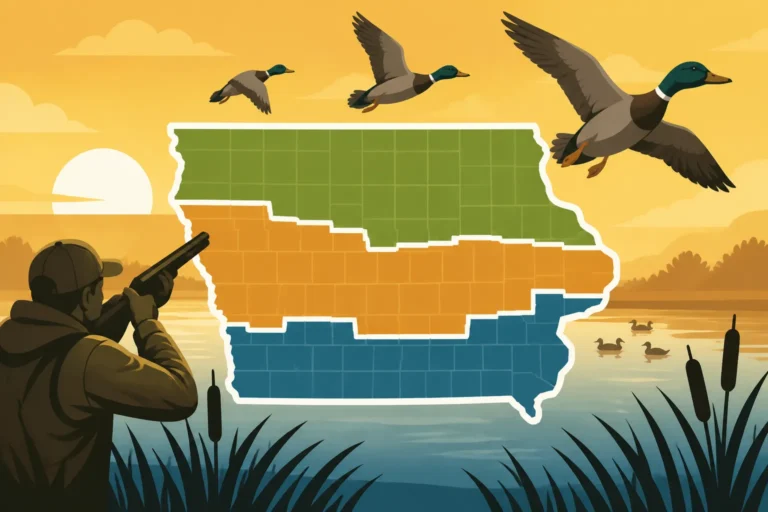
The reason for this intense focus on May and June is simple: demand far outstrips supply. Iowa issues a limited number of nonresident "any-deer" tags (bucks or does) each year, which are highly coveted. These are typically allocated across three zones, with specific quotas for each. The draw process itself is designed to fairly distribute these limited tags among a large applicant pool. When you apply in May or June, you're not just requesting a tag; you're entering a lottery against thousands of other hopeful hunters. Your application is your entry ticket into this competitive draw for one of those precious tags. It's critical to know that if you miss this period, there’s simply no alternative route to securing an any-deer tag as a nonresident, aside from potentially buying a preference point (which we’ll get into later). For a breakdown of the expenses involved, you might want to look at the Iowa Deer Licence and Tag Costs to budget effectively.
Navigating the Go Outdoors Iowa Application Portal
Once you know when to apply, the next step is knowing how. The state of Iowa uses a streamlined online system called "Go Outdoors Iowa." It's generally user-friendly, but like any government portal, it has its quirks. Being prepared and knowing what to expect can save you a lot of frustration and ensure your application goes through without a hitch.
Creating and Managing Your Account
Before you can even think about applying for a deer tag, you need an account on the Go Outdoors Iowa portal. If you’ve never hunted or fished in Iowa before, this will be your first stop. You'll need to provide personal details, including your name, address, date of birth, and usually a social security number for identification purposes. It's crucial to enter all information accurately. Any discrepancies could cause issues down the road, from delays in processing to problems retrieving your license if you're drawn. If you already have an account from a previous year, make sure all your information is up to date, especially your contact details, so you don't miss any critical communications about the draw results. Many hunters use platforms like GoHunt to help them keep track of their application status across multiple states, making sure their Go Outdoors Iowa profile is linked and current. Getting a head start on understanding Applying Through Go Outdoors Iowa can really simplify the process.
Step-by-Step Application Process
Once logged in, you'll navigate to the "Buy Licenses" or "Apply for Draw" section. Here's a general rundown of what to expect:
- Select Nonresident Deer Application: Make sure you're applying for the correct category.
- Choose Your Season and Zone: You'll typically need to select your preferred season (e.g., archery, early muzzleloader, shotgun) and the deer management zone you wish to hunt. This is where your scouting and research really pay off, as different zones have different tag quotas and draw odds.
- Preference Point Option: This is a critical step for many nonresidents. Iowa operates on a preference point system. If you want to increase your odds for future years but aren't banking on drawing this year, you can choose to apply for a preference point only. If you apply for a tag and are unsuccessful, you'll automatically receive a preference point for that year. We'll delve deeper into preference points shortly.
- Payment: You'll need to provide payment information for the application fee and the full license fee. If you're not drawn, the license fee will be refunded, but the application fee is usually non-refundable. It's a common point of confusion, so be prepared for the total cost to be charged upfront. Make sure your credit card information is current and accurate to avoid payment processing issues that could invalidate your application.
- Confirmation: Always, always ensure you receive a confirmation email or number. This is your proof of application. Print it, save it, screenshot it – do whatever you need to do to have a record. This confirmation is vital if there are any questions about your application status later on.
It’s a straightforward process, but rushing through it or not double-checking your selections could lead to a missed opportunity or an application for the wrong tag. Taking a moment to review all details before submitting is time well spent.
Key Dates and Deadlines You Can't Miss
When it comes to Iowa deer tags, specific dates are your best friends (or worst enemies, if you miss them). Keeping a calendar marked with these crucial deadlines is non-negotiable for any serious nonresident hunter. These dates aren't just for applying; they encompass the entire draw cycle, including when you'll find out your fate.
The Nonresident Application Window
As we've discussed, the core nonresident application window typically runs from early May to early June. While the exact dates can shift by a day or two each year, it's generally safe to mark your calendar for the first Monday in May as the opening, and the first Friday in June as the closing. For example, if you were applying in 2024, the application period ran from May 4th to June 4th. This is the period during which you must submit your application for an any-deer tag or choose to purchase a preference point. There is no grace period, and late applications are simply not accepted. Many hunters set recurring calendar reminders for these dates, sometimes even a week before the opener and a few days before the closer, just to be safe. It’s a good habit to verify the exact dates on the Iowa DNR website as soon as they are announced for the upcoming year, usually around March or April.
Here's a quick reference for typical key dates, though always verify with the Iowa DNR for the current year:
| Event | Typical Timeline | Notes |
|---|---|---|
| Application Opens | First Monday in May | Usually around May 1-5 |
| Application Closes | First Friday in June | Usually around June 1-7 |
| Preference Point Purchase | Same as Application Window | Option for those not drawing a tag this year. |
| Draw Results Announced | Late June / Early July | Typically within 2-3 weeks of application closing. |
| Unsuccessful Refund Issued | Mid-July | License fee refunded; application fee is non-refundable. |
When Draw Results Are Announced
After the nerve-wracking waiting period that follows the application closing, the next critical date is when the draw results are announced. This typically happens in late June or early July. Most states will send out email notifications, but it's also common to log back into your Go Outdoors Iowa account to check your status directly. The feeling of anticipation during this time is immense, akin to waiting for Christmas morning.
If you're successful, congratulations! Your license will usually be immediately available in your account, and you can print it or keep it digitally on your phone. If you're unsuccessful, it can be a tough pill to swallow, but remember that the game isn't over. You'll automatically be awarded a preference point for the next year (if you applied for a tag), which brings us to our next crucial point. Understanding your odds and when you'll know your fate is a big part of planning, so knowing the Iowa Deer Draw Results Date is essential.
The Importance of Preference Points and How They Work
Iowa's preference point system is designed to reward loyalty and persistence. For nonresidents, especially, it's not always a guarantee to draw a tag in your first year. Understanding how preference points accumulate and influence your chances is absolutely vital for long-term hunting plans in the state.
Accumulating Preference Points
When you apply for a nonresident deer tag in Iowa and are unsuccessful in the draw, you are automatically awarded one preference point. You can also choose to apply for a preference point only, without applying for a specific deer tag. This is a strategic move for hunters who know their odds are low for a particular year but want to build points for future, higher-odds draws. For example, if you had five preference points, and you apply for a tag, your application goes into a "pool" with all other applicants who also have five points. The Iowa DNR then draws from the highest point pools first, working their way down until all tags are allocated. The more points you have, the better your chances of being in a smaller, higher-priority pool. This system directly addresses the intense demand for Iowa tags, offering a structured path to success over time. If you're new to the system, taking a moment to understand Iowa Preference Points and How They Work is a must.
Strategic Use of Preference Points
Strategic use of preference points involves more than just accumulating them; it's about knowing when to use them. Many hunters closely monitor the draw odds for each zone and season, often using data analysis provided by services like GoHunt to determine how many points it typically takes to draw in a given area. For instance, if a particular zone usually takes three points to draw, and you have two, you might choose to buy a preference point only that year to ensure you hit three points for the following season.
Conversely, if you have enough points to be in a strong position, you'd apply for the tag. It's a balancing act: apply every year and risk losing points if you draw a tag you don't necessarily want (because drawing a tag resets your points to zero), or accumulate points to ensure a higher chance at a specific, high-demand tag. The key is to have a long-term plan. Remember, you can apply for a preference point even if you don't intend to hunt that year, ensuring you keep adding to your tally. This ensures that when you do decide to go for that dream hunt, you've got the best possible chance. Understanding Buying an Iowa Preference Point is a good place to start planning this strategy.
Common Pitfalls and How to Avoid Them
Even with all the information at your fingertips, it’s still possible to make mistakes when applying for an Iowa deer tag. Many seasoned hunters have a story about a minor oversight that cost them a tag. Learning from these common pitfalls can save you a world of frustration and ensure your application process is as smooth as possible.
Missing the Application Deadline
This is, without a doubt, the most common and devastating mistake. The short May-June window is notorious for slipping past busy hunters. Once the portal closes, it closes. There are no exceptions for "I forgot," "my internet was down," or "I was out of town."
How to avoid it:
- Set Multiple Reminders: Don't just rely on one calendar notification. Set reminders on your phone, email, and even a physical calendar. Set them for a week before the application opens, on the opening day, and a week before it closes.
- Apply Early: Don't wait until the last day or even the last week. The system can experience high traffic, and you don't want technical glitches to be the reason you miss out. Apply as soon as you've made your zone and season decisions.
- Verify Dates: Always double-check the exact opening and closing dates on the official Iowa DNR website each year. While the window is consistent, specific dates can shift slightly. This is also why having a subscription to a service like GoHunt can be invaluable, as they often provide updated season and application dates directly. It’s really tough to miss a year, and learning What Resets Your Iowa Preference Points can add to that frustration.
Incorrect Information or Payment Issues
Submitting an application with errors, especially regarding personal details or payment, can lead to your application being rejected or encountering significant delays. This is particularly frustrating because you thought you did everything right, but a small typo cost you.
How to avoid it:
- Double-Check All Fields: Before hitting submit, meticulously review every piece of information you've entered. Ensure your name, address, date of birth, and especially your chosen zone and season are correct.
- Verify Payment Details: Make sure your credit card information is current, has sufficient funds, and the expiration date hasn't passed. A declined payment due to an expired card is an easily avoidable mistake. The system will typically process the full license fee upfront, so ensure your card can handle that charge. For a full breakdown, check out the Total Cost of an Iowa Deer Application.
- Keep Confirmation Records: Once submitted, save your confirmation number and email. This is your proof of application and can be critical if there's an issue later. Print it out or save it digitally in a dedicated hunting folder.
Misunderstanding Preference Points
A common misconception is that preference points guarantee a tag, or that they carry over indefinitely if you don't apply. While they significantly increase your odds, they don't guarantee anything in a draw, and there are specific rules about maintaining them.
How to avoid it:
- Know the Rules: Understand that if you draw a tag, your preference points reset to zero. If you apply for a tag and are unsuccessful, you gain a point. If you only apply for a preference point, you also gain a point. You typically need to apply (either for a tag or just a point) at least every two years to keep your points from expiring, but always check the current Iowa DNR regulations for specifics.
- Research Draw Odds: Don't just guess how many points you need. Utilize resources that analyze past draw data to get a realistic idea of the number of points required for your desired zone and season. This helps you decide whether to apply for a tag or just a point that year. For instance, knowing How Many Points to Draw Iowa in your target zone is essential.
- Long-Term Strategy: Develop a multi-year plan for point accumulation. If you're starting from scratch, it's often wise to apply for a preference point only for the first year or two to build up your chances for a specific, high-demand tag in the future.
By being diligent and informed, you can navigate the Iowa deer application process effectively and set yourself up for success in securing one of those coveted nonresident tags.
Planning Beyond the Application
Securing an Iowa deer tag is a huge first step, but it's only the beginning of your journey. Many hunters make the mistake of thinking the planning ends once their application is submitted. In reality, that's when the real work of preparing for a successful hunt begins. You'll need to think about scouting, gear, travel, and understanding the nuances of hunting in the Hawkeye State.
Pre-Draw Research and Scouting
Long before the application window even opens, smart hunters are already doing their homework. This isn't just about picking a zone; it's about intimately understanding the landscape and deer movements within it. While you might not know if you have a tag until late June or early July, that shouldn't stop you from extensive E-scouting. Utilizing tools like GoHunt’s mapping features or other aerial imagery programs to identify potential bedding areas, food sources, and travel corridors is invaluable. Look for nuances like Reading an Iowa Timber Draw for Deer Sign or identifying Saddles and Benches Deer Cross Daily.
Even without boots on the ground, you can identify public land access points, analyze crop rotations, and pinpoint key funnels. This research allows you to select the best possible zone on your application, increasing your odds of a successful hunt once you draw a tag. When the draw results are out, you can then refine your plan and potentially schedule a physical scouting trip to confirm your suspicions and locate specific stand sites.
Logistics for Your Iowa Hunt
Once you've drawn that coveted Iowa tag, the practicalities of the hunt itself come into sharp focus. Iowa is known for its intense deer hunting, but it also means dealing with specific weather conditions, terrain, and regulations. You’ll need to consider:
- Travel and Accommodation: Iowa isn't a tiny state. Depending on your chosen zone, travel time and lodging arrangements need to be locked down well in advance, especially for popular seasons like the shotgun or early archery. From small-town motels to Airbnbs, options can fill up fast.
- Gear Preparation: The gear you choose will depend heavily on the season you drew. Are you ready for Cold Weather Stand Clothing if you drew a late muzzleloader tag? Or do you have the right Bows and Crossbows for Iowa Archery Season if you're hunting in October? Everything from your weapon to your boots needs to be appropriate for the conditions you'll face.
- Understanding Regulations: Don't assume Iowa's rules are the same as your home state. Key aspects like blaze orange requirements, legal shooting hours, carcass transport rules, and especially party hunting rules, are critical. Review the official Iowa DNR regulations booklet cover-to-cover. A quick search on the Iowa DNR website for the annual hunting regulations is always a good idea. Knowing details like Iowa Party Hunting Rules or what constitutes Iowa's Legal Deer Hunting Equipment by Season can prevent significant headaches in the field.
By thinking through these aspects well in advance, you transform the excitement of drawing a tag into a well-executed plan that maximizes your chances of putting that trophy Iowa whitetail on the ground.
Disclaimer
The information provided in this article is for general guidance only and is subject to change. Hunting regulations, application dates, and draw procedures are determined by the Iowa Department of Natural Resources (DNR) and can be modified annually. Always refer to the official Iowa DNR website and their current year's hunting regulations for the most accurate and up-to-date information before applying for any licenses or planning a hunt.