Iowa’s May to June Application Window
For many hopeful deer hunters, the dream of an Iowa whitetail tag is a powerful one, often fraught with anxiety about missing crucial deadlines or navigating a complex application system. It’s incredibly frustrating to put in all the research, scout promising areas, and then realize you’ve miscalculated a date. This comprehensive guide is here to untangle the intricacies of Iowa's May to June application window, specifically for nonresident deer hunters, ensuring you have all the information you need to apply correctly and maximize your chances for that coveted tag.
Understanding the Iowa Deer Draw Timeline
Iowa's reputation for producing giant whitetails means that nonresident tags are highly sought after. Unlike some states where tags might be available over-the-counter or through a simple purchase, Iowa operates a draw system for nonresidents. Missing the application window means missing your shot at a tag for an entire year, which for dedicated hunters, can feel like a missed opportunity of a lifetime. Getting this timeline right is the first, and arguably most important, step in your Iowa hunting journey.
Why the May to June Window is Critical
The May to June application window is absolutely critical because it’s the only time nonresidents can apply for an any-deer or antlerless-only firearms license, or purchase a preference point for the upcoming deer season. This isn't just a casual period for filing paperwork; it's a make-or-break timeframe that determines whether you even have a chance to hunt Iowa's famed deer herd that year. If you're a nonresident and you want to hunt Iowa deer, whether with a shotgun, muzzleloader, or a straight-wall cartridge rifle, you must participate in this draw. The sheer demand for these tags means that if you’re not in the running during this specific window, you’re simply out of luck until next year. It’s easy to get caught up in planning hunts in other states or managing other life commitments, but for Iowa, this window needs to be circled in red on your calendar.
During this brief period, all nonresident applications for the general deer seasons are processed. This includes applications for the First and Second Shotgun Seasons, Early and Late Muzzleloader Seasons, and the January Antlerless Seasons. It's also the time when many seasoned nonresident hunters, who might not feel they have enough points to draw a desirable tag this year, opt to simply purchase a preference point. This strategic move ensures they improve their odds for a future year without risking their accumulated points on a long-shot draw. Understanding the weight of this application window is paramount because it sets the foundation for your entire Iowa deer hunting strategy, whether that’s hunting this year or building towards a future hunt.
Key Dates and Deadlines You Can't Miss
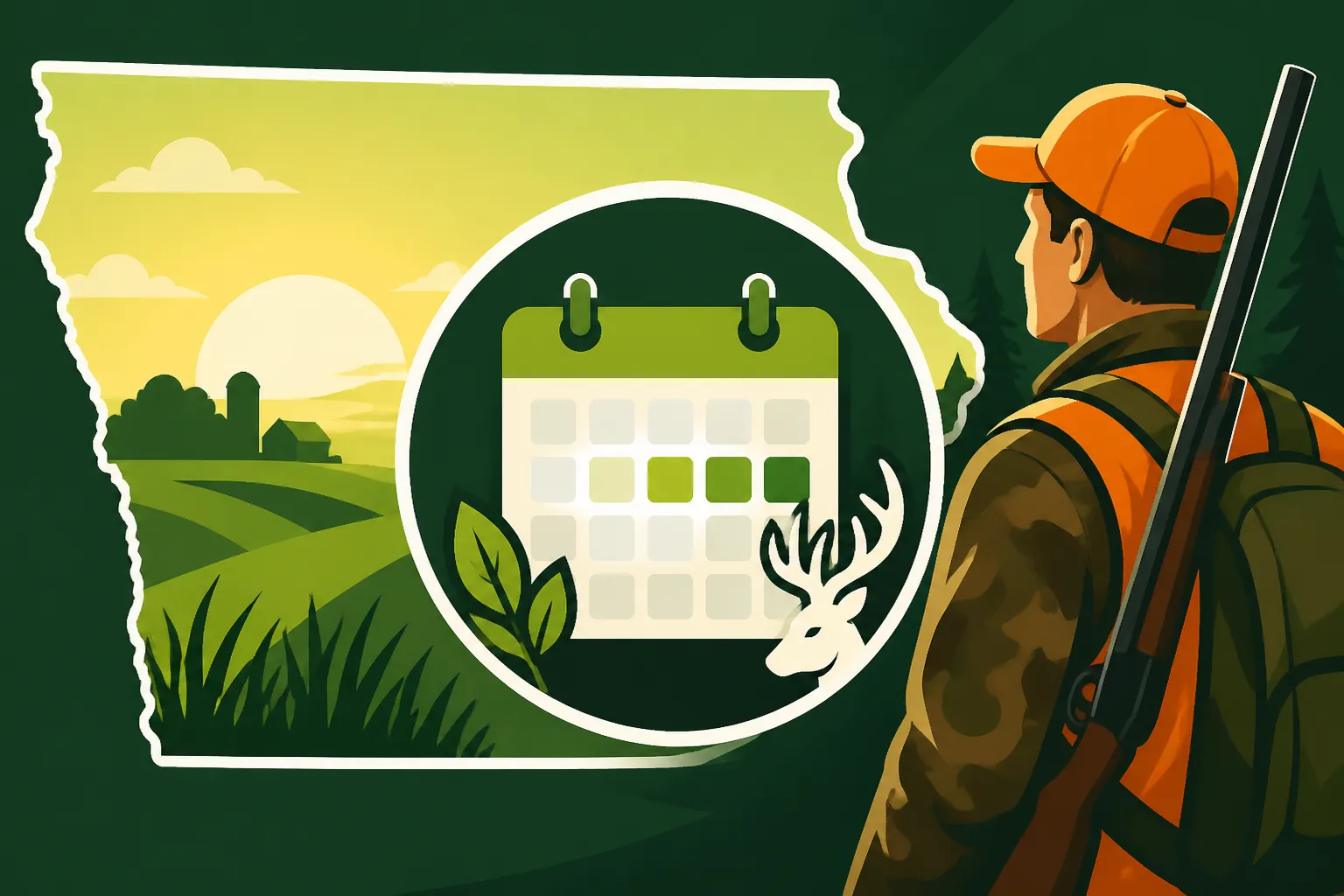
While the exact dates can shift slightly year to year based on the calendar, the nonresident deer draw typically opens in early May and closes in the first week of June. For instance, in many recent years, the application period has run from the first Saturday in May until the first Sunday in June. This tight, roughly one-month window means you can't afford to procrastinate. The Iowa Department of Natural Resources (DNR) is very clear about these deadlines, and late applications are simply not accepted. There are no extensions, no exceptions for technical glitches on your end, and no second chances once that deadline passes.
It’s not enough to just know the window exists; you need to mark the specific opening and closing dates down precisely. Setting multiple reminders on your phone, in your calendar, and even telling a hunting buddy to remind you are all good strategies. The volume of applications submitted during this period is substantial, so waiting until the last minute can sometimes lead to website slowdowns or unexpected technical issues. Submitting your application well before the final deadline provides peace of mind and allows time to resolve any unforeseen problems. This focused attention on the specific Iowa Nonresident Deer Application Deadline is the difference between having a chance at an Iowa whitetail and waiting another year.
Navigating the Nonresident Deer Application Process
Applying for an Iowa nonresident deer tag might seem daunting at first, especially if you’re new to draw systems or haven’t applied in Iowa before. However, the process is streamlined and primarily handled online. The key is to take your time, understand each step, and ensure all information is accurate before submitting. Many hunters feel overwhelmed by the process, but breaking it down makes it much more manageable.
Step-by-Step Guide to Applying Online
The vast majority of nonresident deer applications for Iowa are processed through the Go Outdoors Iowa online licensing system. If you haven't used this system before, your first step will be to create an account. This involves providing personal details like your name, address, date of birth, and possibly some identification numbers. It's crucial that this information is accurate and matches any previous hunter education records you might have, as inconsistencies can cause delays or issues with your application. Once your profile is established, you’ll navigate to the "Licenses" or "Draw Applications" section.
From there, you’ll select the nonresident deer draw application. The system will then walk you through a series of choices: first, whether you want to apply for a tag or simply purchase a preference point. If you choose to apply for a tag, you'll need to select your preferred hunting zone (e.g., Zone 4, Zone 5) and your weapon choice (archery, shotgun/straight-wall, muzzleloader). It's important to note that nonresidents apply for an "any-deer" tag, which allows you to harvest either an antlered or antlerless deer within your chosen zone and season. You'll also need to pay the application fee, the nonresident base license fee, and the habitat fee at this stage. The Go Outdoors Iowa system is generally intuitive, but careful review of each screen is essential to avoid mistakes. For a more detailed walkthrough, consider checking out guides on How to Apply for an an Iowa Nonresident Deer Licence.
Choosing Your Zone and Season Preference
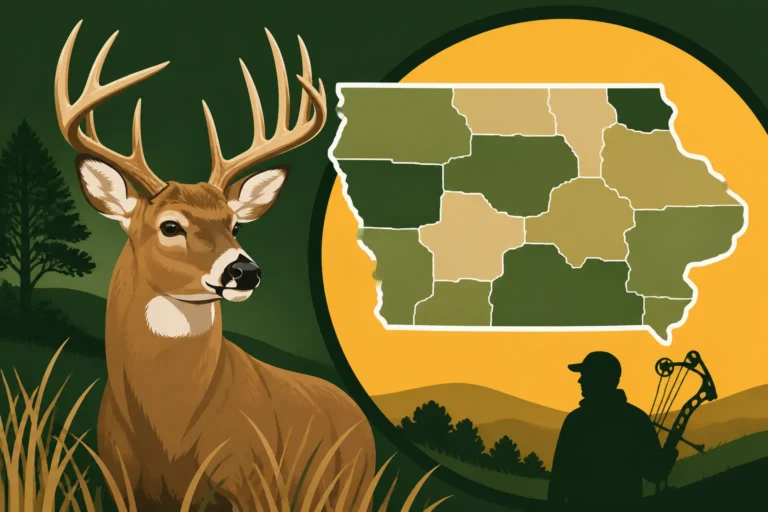
One of the most critical decisions you'll make during the application process is selecting your hunting zone and season preference. Iowa is divided into several deer hunting zones, and the draw odds can vary significantly between them. Some zones, particularly those in southern Iowa renowned for consistently producing large bucks, are much harder to draw and require more preference points. Other zones might have slightly better odds but still offer fantastic hunting. You also need to select your weapon preference: archery, shotgun/straight-wall, or muzzleloader. Iowa has specific Iowa Deer Season Dates by Weapon, and your choice will lock you into that season if you draw.
Before you even start the application, it's highly recommended to research historical draw odds for the various zones and weapon choices. Resources like the Iowa DNR's own statistics or platforms like GoHunt provide valuable insights into what it takes to draw a tag in a particular area. Are you looking for the absolute best chance at a trophy, even if it means waiting multiple years to build points? Or are you aiming to get a tag as soon as possible, even if it's in a less competitive zone? Your strategy here should align with your hunting goals. For example, some hunters might prioritize a shotgun tag in a specific zone known for high deer density, while others might focus on an early muzzleloader tag in a more timbered region. Understanding the nuances of each zone and season, and how they relate to Iowa Preference Points and How They Work, is crucial for making an informed decision.
The Role of Preference Points in Iowa
The Iowa preference point system is designed to give unsuccessful applicants a better chance in future draws. It's a system that rewards patience and persistence, but it can also be a source of frustration for hunters who see the number of points needed steadily increasing year after year. Understanding how these points function is fundamental to developing a long-term strategy for hunting Iowa.
What Are Iowa Preference Points and How Do They Work?
Simply put, a preference point is a bonus awarded to nonresident deer applicants who are unsuccessful in the annual draw. For every year you apply for a nonresident deer tag and do not draw one, you receive one preference point. These points accumulate over time, and when you apply in subsequent years, your total number of preference points is added to your application. The draw then prioritizes applicants with more points. Essentially, it's a tiered lottery: those with the most points get the first crack at the available tags. It’s important to remember that these points are specific to the nonresident deer draw and don't carry over to other species like turkeys or small game.
The challenge, and often the frustration, for many hunters lies in what's known as "point creep." This phenomenon occurs when the number of preference points required to draw a tag in desirable zones increases each year. As more hunters apply and accumulate points, the baseline for drawing a tag incrementally rises. A zone that might have required 3 points five years ago could now demand 5 or 6 points. This means a hunter who has been diligently accumulating points might still find themselves just short of drawing a tag, year after year. Understanding How Many Points to Draw Iowa is critical, and realizing that this number is fluid and tends to move upwards, helps manage expectations and strategize effectively.
Strategy for Accumulating and Using Points
Developing a strategy for accumulating and using Iowa preference points is a personalized process that depends on your hunting goals and how long you're willing to wait. For hunters who are aiming for a specific, highly coveted zone known for its trophy potential, the strategy often involves consistently buying a preference point each year without applying for a tag. This ensures that you don't risk losing your accumulated points in a long-shot draw while you build up a competitive total. You can generally purchase a preference point during the May to June application window even if you don't submit a full tag application. This simple act of Buying an Iowa Point Without Applying is a common tactic for long-term planners.
Once you feel you have a competitive number of points for your desired zone and weapon choice, you can then apply for a tag. If you are successful in drawing a tag, your preference point total resets to zero. If you are unsuccessful, you receive another point, adding to your total for the next year. It’s a careful balance: apply too soon, and you might not have enough points, wasting a year's application fee and potentially delaying your actual hunt. Wait too long, and point creep might mean you always seem to be just one point behind. Researching What Resets Your Iowa Preference Points and analyzing past draw data through resources like GoHunt can help you make an informed decision on when to apply for that actual tag.
| Strategy Component | Pros | Cons | Ideal Hunter Profile |
|---|---|---|---|
| Apply for a Tag Annually | Immediate chance to hunt Iowa. | High risk of not drawing, especially in popular zones. Points reset if successful. | Hunters with high existing points, or those targeting less popular zones. |
| Buy Point Only Annually | Guarantees point accumulation. Never lose points in a draw. Builds toward high-demand zones. | No chance to hunt Iowa this year. Requires long-term patience. | Hunters aiming for top-tier zones, willing to wait multiple years. |
| Target Less Competitive Zones | Increased odds of drawing a tag sooner. Still offers quality hunting experiences. | May not be the absolute "trophy hotspot" you envisioned. | Hunters prioritizing "any Iowa tag" over specific trophy potential. |
| Strategic Point Spending | Apply only when odds are favorable for your point level, or for specific hunt plans. | Requires diligent research and tracking of draw odds (e.g., via GoHunt). | Experienced draw hunters, analytical and patient. |
Licence and Tag Costs Associated with the Application Window
Beyond just navigating the application itself, understanding the financial commitment involved is a crucial aspect of planning your Iowa deer hunt. The costs can add up, even if you’re only building preference points, so it’s essential to budget accordingly and know what to expect.
Breaking Down the Nonresident Deer Licence Fees
When you apply for a nonresident deer tag in Iowa, you're not just paying for the tag itself. There are several components that make up the total cost. First, there's the nonresident deer hunting license fee. This is the primary cost for the actual privilege to hunt deer. In addition to this, you'll need to purchase a nonresident hunting license, sometimes referred to as a "base license," which is essentially your general permit to hunt any game species in Iowa (though specific tags are required for deer). On top of that, there's a habitat fee, which contributes to Iowa's critical wildlife habitat restoration and preservation efforts.
All these fees are typically paid upfront when you submit your application during the May to June window. Even if you are unsuccessful in the draw, the base license and habitat fees are generally non-refundable, as they represent the cost of applying and supporting conservation efforts. Only the cost of the actual deer tag itself might be refunded if you don't draw, or it might be held if you’re buying a preference point. This multi-layered cost structure means that the total financial commitment to even apply for an Iowa deer hunt can be significant. For a clear breakdown of the exact figures, it's always best to consult the current Iowa DNR regulations or the Iowa Nonresident Deer Licence Cost directly on the Go Outdoors Iowa platform.
Understanding Refund Policies and Draw Outcomes
The anticipation of the draw results can be intense, and knowing what happens next, financially, is important. If you apply for a nonresident deer tag and are unsuccessful in the draw, you will typically receive a refund for the deer tag portion of your application fee. However, as mentioned, the nonresident base hunting license and the habitat fee are generally retained by the state, as these are considered processing fees and contributions to the state's wildlife programs. This means that even if you don't draw a deer tag, you've still invested a significant amount of money to gain that preference point for the next year.
The Iowa Deer Draw Results Date usually falls in mid to late June, typically within a few weeks after the application window closes. Hunters will be notified via email or can check their application status directly on the Go Outdoors Iowa portal. For those who are successful, congratulations! You've secured one of the most coveted deer tags in the nation. For those who aren’t drawn, it’s a moment of disappointment, but it also means you’ve just gained another preference point, moving you one step closer to your goal in a future year. It’s crucial to understand that Iowa does not issue a second round of tags from leftover applications; once the primary draw is done, that's it for the nonresident any-deer tags for that year.
Common Application Mistakes and How to Avoid Them
Even with all the information at hand, it’s surprisingly easy to make a small mistake during the application process that could jeopardize your chances or lead to an undesirable outcome. Hunters often get caught up in the excitement or rush, forgetting to double-check crucial details. A little extra diligence during the May to June window can save a lot of headaches later on.
Double-Checking Your Application Details
One of the most common and easily avoidable mistakes is simply inputting incorrect information on your application. This could range from a misspelled name, an incorrect address, or even an error in your date of birth. While these might seem minor, they can create discrepancies with your hunter education records or previously accumulated preference points, leading to your application being flagged or even disqualified. Take an extra five minutes to review every field before hitting "submit." It’s much easier to catch a mistake then than to try and rectify it after the draw has closed.
Beyond personal details, carefully review your chosen zone and weapon preference. Did you accidentally select Zone 5 when you meant Zone 4? Did you click on "Archery" when you intended to apply for a "Shotgun" tag? These errors can be devastating. If you draw a tag for the wrong zone or weapon, you're generally stuck with it, and it can significantly alter your hunting plans or make the tag unusable for your intended trip. Remember, the goal is not just to draw a tag, but to draw the right tag for your specific hunt plan. Many hunters find it helpful to print out a draft of their application or screenshot each step as they go through the Applying Through Go Outdoors Iowa portal, just to ensure accuracy.
Understanding Residency Rules and Eligibility
Iowa has very clear definitions for residency, and misrepresenting your residency status is a serious offense that can lead to fines, penalties, and forfeiture of hunting privileges. Generally, to qualify as a resident, an individual must have resided in Iowa for at least 90 consecutive days immediately prior to applying for or purchasing a license and must not claim residency in any other state or country. There are specific rules for military personnel and students, but for the vast majority of nonresident hunters, the distinction is clear. If you live out of state, you are a nonresident, and you must apply for nonresident licenses and tags.
Confusion can arise for individuals who own property in Iowa but primarily reside elsewhere, or for those who spend significant time in the state but maintain a primary residence in another state. In such cases, it is always best to err on the side of caution and consult the official Iowa DNR regulations or contact their licensing department directly. Trying to apply as a resident when you do not meet the strict criteria will not only result in a disqualified application but could also lead to legal trouble. Always ensure your application accurately reflects your true residency status to avoid any complications down the line.
Planning Beyond the Application: What Comes Next?
Once you’ve submitted your application during the May to June window, the waiting game begins. But your planning shouldn't stop there. Whether you draw a tag or accrue another preference point, there are still many steps you can take to prepare for a successful Iowa hunt in the future.
Preparing for Success or Building Points
If you’re fortunate enough to draw an Iowa deer tag, the real work begins! This is when you pivot from application strategy to actual hunting strategy. Now is the time to really dive deep into scouting, both digitally and potentially in person. E-Scouting Iowa Farm Country From Home using aerial imagery and topographical maps becomes incredibly valuable. You can identify potential bedding areas, food sources, pinch points, and travel corridors within your drawn zone. If you've never hunted Iowa before, start researching general Iowa Whitetail Hunting Tactics Through the Rut or specific approaches like Bowhunting Iowa Deer From October to January, depending on your tag. Consider connecting with local resources, fellow hunters, or even scouting services if you’re new to the area.
If you don't draw a tag, it's certainly disappointing, but it's not the end of the road. You’ve gained another preference point, moving you closer to your goal. Use this time to refine your strategy for next year. Re-evaluate your chosen zone: are the draw odds still trending upward, or is it stabilizing? Should you consider a different zone next year, or continue to build points for the one you want? Now is also a great time to learn more about deer behavior in Iowa, understand habitat types, and generally increase your hunting knowledge. Patience is a virtue in Iowa deer hunting, and building points is an investment in a future high-quality hunt.
Other Iowa Hunting Opportunities and Seasons
While the nonresident deer draw gets a lot of attention, Iowa offers a wealth of other fantastic hunting opportunities throughout the year, many of which don't require navigating a competitive draw system. For example, Iowa is renowned for its spring turkey hunting, and nonresident tags are generally available, though sometimes on a first-come, first-served basis for specific seasons. There are also excellent opportunities for Iowa Upland Bird and Waterfowl Seasons, including pheasants, quail, ducks, and geese. These species often have simpler licensing requirements, requiring only a nonresident hunting license and relevant stamps.
Don't let the intensity of the deer draw overshadow these other experiences. If you're passionate about hunting, exploring these additional seasons can be a great way to experience Iowa's diverse wildlife, even if you don't have a deer tag in hand. Always make it a habit to consult the latest Iowa Regulation Booklet Release Date annually. This comprehensive guide will provide all the necessary information on season dates, bag limits, licensing requirements, and any special regulations for all game species. Diversifying your hunting pursuits can enrich your overall experience and keep you engaged with Iowa's outdoors year-round.
Navigating the Go Outdoors Iowa Platform
The Go Outdoors Iowa system isn't just a place to apply; it's your central hub for all things related to your Iowa hunting and fishing licenses, applications, and historical data. Getting comfortable with its features will make future applications and license purchases much smoother.
Creating and Managing Your Hunter Profile
When you first apply through Go Outdoors Iowa, you'll create a hunter profile. Think of this as your digital hunting identity in the state. It’s absolutely essential that all information within this profile is accurate and kept up-to-date. This includes your full legal name, current mailing address, email address, phone number, and date of birth. Any changes to your contact information should be updated promptly. This ensures that you receive important notifications regarding draw results, regulation changes, or any issues with your applications. A mismatch between your profile details and your hunter education records could flag your account and cause delays or even issues with drawing a tag.
It's also important to ensure you only have one hunter profile. Sometimes, through different email addresses or slightly different spellings of names, hunters inadvertently create duplicate accounts. This can lead to preference points being split across multiple profiles, which can be a nightmare to sort out. If you suspect you have more than one account, contact the Iowa DNR licensing department immediately to merge them. They can help consolidate your history and ensure all your hard-earned preference points are correctly attributed to a single, active profile. Maintaining a clean and accurate hunter profile is the backbone of a successful long-term Iowa hunting strategy.
Understanding Licence History and Point Tracking
One of the most valuable features of the Go Outdoors Iowa platform is its ability to track your license and application history, including your preference points. After you’ve applied in the May to June window and the draw results are announced (or you've simply purchased a preference point), you can log into your account and view your current preference point total. This is crucial for planning your strategy for future years, especially when considering how many people apply for Iowa deer tags each year and how many points you might need. The system will clearly show you how many points you’ve accumulated for the nonresident deer draw.
In addition to preference points, you can review your past license purchases, tag history, and any hunter education certifications associated with your profile. This digital record serves as proof of your compliance with Iowa’s hunting regulations and can be invaluable if you ever need to reference past hunts or demonstrate your experience. Familiarizing yourself with how to navigate these sections of the Go Outdoors Iowa site will empower you to manage your hunting future in the state effectively and take control of your draw strategy, rather than feeling lost in the system.
Maximizing Your Chances: Insider Tips and Research
Getting an Iowa nonresident deer tag often feels like a lottery, and in many ways, it is. But like any lottery, there are ways to play smarter, improving your odds and making your investment of time and money more likely to pay off. It all comes down to diligent research and understanding the system.
Researching Draw Odds and Quotas by Zone
One of the most impactful things you can do to improve your odds is to thoroughly research the draw odds and quotas for each zone. The Iowa DNR publishes annual statistics detailing the number of applicants, the number of tags issued, and the minimum and average preference points required to draw in each zone and for each weapon choice. This data is gold! Websites like GoHunt consolidate and analyze this information, providing easily digestible insights into the competitiveness of each zone. Understanding How Many Nonresident Any-Deer Tags Iowa Issues in total and how these are distributed across zones is fundamental.
Don’t just look at the overall odds; delve into the specifics for your desired weapon choice and zone. Some zones might be incredibly tough for shotgun tags but slightly less competitive for muzzleloader. Others might see massive swings year to year based on applicant behavior. By understanding these trends, you can make an informed decision: do you apply for your dream zone, knowing it might take 7+ points, or do you opt for a slightly less competitive but still high-quality zone that might only require 3-4 points? This analytical approach is what separates a hopeful applicant from a strategic one. This kind of research informs your long-term plan, helping you decide whether to apply for a tag or simply buy a point during the Iowa's May to June Application Window.
Consulting the Iowa DNR Regulations
I know, reading through government documents isn't exactly a thrilling pastime, but the official Iowa DNR Hunting and Trapping Regulations booklet is your bible for hunting in the state. Every single year, hunters make mistakes because they assume the rules haven't changed, or they rely on outdated information from social media or old hunting forums. Regulations can and do change, sometimes subtly, sometimes significantly. These changes might include adjustments to season dates, bag limits, weapon restrictions, or even new CWD sampling requirements.
Before applying, and certainly before heading into the field, you must read the most current regulation booklet. It’s available online on the Iowa DNR website, usually released in late summer or early fall. Pay close attention to the sections specific to nonresident deer hunting, your chosen weapon type, and any county-specific rules. If anything is unclear, don't guess! Contact the Iowa DNR directly. They are there to help clarify regulations and ensure hunters are compliant. Trusting hearsay or old information could lead to a forfeited tag, fines, or worse. The official DNR regulations are the ultimate source of truth for everything related to your Iowa hunt.
Disclaimer
Please note that hunting regulations, season dates, and license fees are subject to change. While this guide provides comprehensive information, it is imperative that all hunters consult the most current official Iowa Department of Natural Resources (DNR) regulations and publications before applying for any licenses or heading afield. The author and publisher are not responsible for any inaccuracies or changes in regulations. It is the individual hunter's responsibility to understand and comply with all applicable laws.