When Iowa Archery Closes for Gun Season
It can be incredibly frustrating trying to keep all the Iowa hunting season dates straight, especially when you're deeply invested in your archery hunt and suddenly a different weapon season rolls around. Many archers pour hours into scouting and preparing, only to find the flow of their season interrupted. This guide is here to untangle the complexities of Iowa's archery deer season structure, specifically addressing when it closes for gun season and what that means for your time in the timber.
Understanding Iowa's Archery Season Closure Dates
Iowa’s deer hunting framework is designed to offer a variety of opportunities, but this means understanding the nuances of each season. For archery hunters, the most significant interruption comes with the advent of the shotgun seasons. It’s not a continuous archery stretch from October to January; there's a definite pause that every bowhunter needs to be aware of.
The Split Archery Season Explained
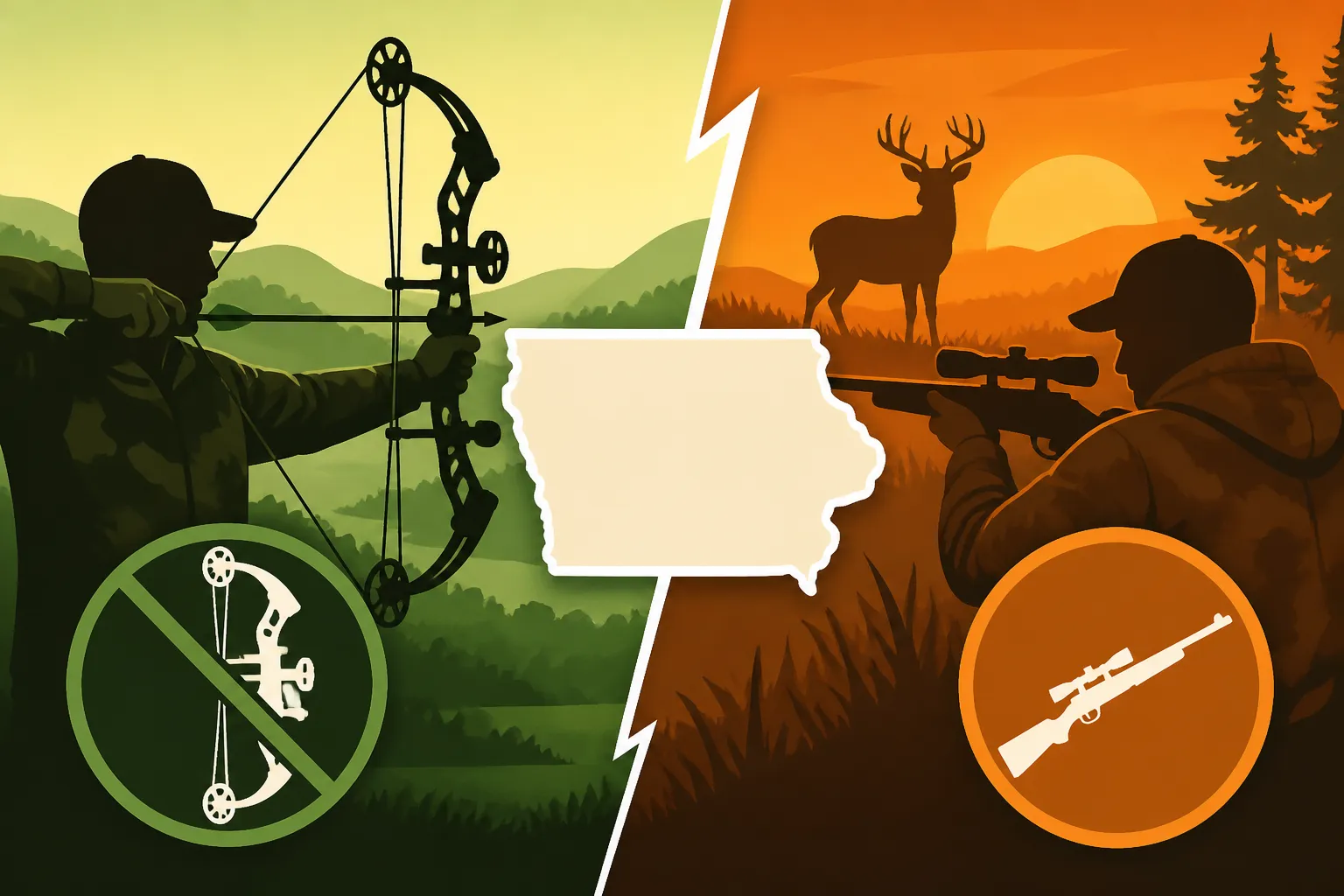
Iowa’s archery deer season isn't a single, unbroken block of time. Instead, it's divided into two distinct segments, separated by the incredibly popular and high-pressure shotgun seasons. This split allows the Iowa Department of Natural Resources (DNR) to manage hunter numbers, spread out harvest pressure, and prioritize certain hunting methods during peak times. The first segment gives archers an early crack at deer, often before significant rut activity, while the second segment caters to those willing to brave the colder, post-rut conditions. Understanding this division is absolutely crucial for planning your hunts and maximizing your chances. Many a hunter has shown up to their favorite stand, only to realize they're in the middle of a shotgun season closure for archers.
The primary reason for this split is to give the shotgun seasons, which see a massive influx of hunters and higher success rates, their own dedicated window without concurrent archery pressure. This creates a safer environment by minimizing the chance of archers being in the woods while shotgun hunters are actively pursuing deer, especially during party drives. It also helps in herd management, allowing the DNR to better control harvest numbers by weapon type and season length. During these shotgun segments, the landscape of Iowa's hunting grounds completely transforms, with different rules and increased activity.
Key Dates to Mark on Your Calendar
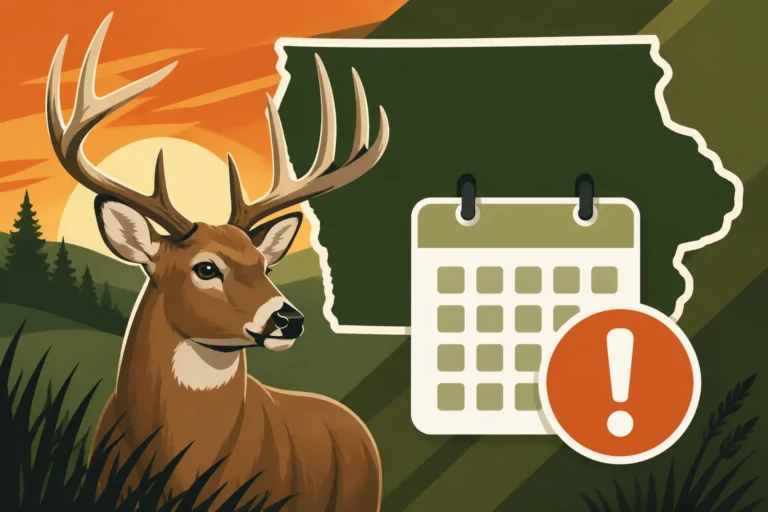
The first segment of Iowa's archery deer season typically kicks off on October 1st. This is a highly anticipated date for many, signaling the start of cooler weather, changing leaves, and the chance to chase whitetails with a bow. This initial segment usually runs straight through to the Friday preceding the first Saturday in December. This precise date varies slightly year to year based on the calendar, so it's vital to check the current year's Iowa hunting regulations booklet provided by the DNR. This is your primary source of truth.
Once that first archery segment closes, there's a mandatory break for all archers. During this period, which usually encompasses the entirety of the first and second shotgun seasons, archery hunting for deer is not permitted. This closure typically lasts for about two weeks in early to mid-December. After the second shotgun season concludes, the archery season reopens, typically around mid-December, and continues through January 10th. This late archery segment offers a completely different hunting experience, often characterized by severe cold, snow, and deer heavily focused on available food sources. Being diligent about these dates can prevent a wasted trip or, worse, a violation. Planning your season effectively might involve using a mapping tool like GoHunt to visually track public land boundaries and cross-reference with season dates.
The Rationale Behind the Archery Season Break
It’s easy to feel a bit put out when your archery season gets interrupted, especially if you’re in the middle of a hot streak. However, these breaks aren't arbitrary. They're a carefully considered part of Iowa's deer management strategy, designed to achieve specific goals related to hunter experience, safety, and herd health. Understanding why the seasons are structured this way can help you appreciate the bigger picture and plan your hunting accordingly.
Prioritizing Iowa's Shotgun Seasons
Iowa's shotgun seasons are a deeply rooted tradition and arguably the most popular deer hunting opportunity in the state. Historically, shotguns were the primary firearm for deer in many areas due to safety concerns in densely populated regions and farming communities. The DNR dedicates specific periods to these seasons because they attract the largest number of hunters, including many who only hunt once or twice a year, often with groups for traditional party hunting. For many Iowa families, the first or second shotgun season is the highlight of their hunting year, a social event as much as a harvest opportunity.
The sheer volume of hunters and the nature of shotgun hunting, which often involves deer drives and active pursuit, necessitates a clearer landscape. Having archers in treestands or on the ground during these intense periods could lead to significant safety concerns, especially with deer being pushed rapidly through cover. By closing the archery season, the DNR ensures that the woods are primarily for shotgun hunters during their allocated time, minimizing potential conflicts and maximizing the safety of all participants. This focus allows for effective herd reduction in areas where it's needed most, contributing to the overall health and balance of Iowa's whitetail population. This also impacts deer behavior, which hunters must consider when transitioning from archery to gun season, or back to late archery. Check out this guide on Iowa Shotgun Season Tactics for Party Hunting for more insights.
Hunter Safety and Management Considerations
Beyond prioritizing the tradition of shotgun hunting, safety is a paramount concern for the Iowa DNR. When different weapon types are in play simultaneously, especially those with vastly different effective ranges and ethical shot placement requirements, the potential for accidents increases. A hunter using a shotgun might not be expecting an archer to be in a particular area, and vice-versa. The split season mitigates this risk by segmenting the hunting pressure by weapon.
From a management perspective, the break allows for a more controlled harvest. The DNR closely monitors harvest data from each season segment. By having distinct periods for archery and shotgun, they can better assess the impact of each hunting method on the deer herd. This data is critical for setting future quotas, adjusting season lengths, and ensuring a sustainable deer population for years to come. It also allows the deer herd a brief respite from constant pressure, which can influence deer movement patterns and make them less predictable. After the intense pressure of the shotgun seasons, deer often become more nocturnal and seek out the thickest cover, influencing strategies for the late archery season. Understanding these dynamics is key to successful hunting, and resources like GoHunt can provide invaluable data and insights to help you analyze trends and make informed decisions.
Planning Your Iowa Archery Hunt Around the Closure
Navigating Iowa's split archery season requires a strategic approach. It's not just about knowing the dates; it's about understanding how deer behavior changes, how hunting pressure shifts, and how you can adapt your tactics to remain effective through each segment. Thinking ahead and having a plan for both the early and late archery periods, as well as the shotgun interim, can significantly increase your success and enjoyment.
Maximizing Your First Archery Segment Opportunities
The first segment of Iowa's archery season, from October 1st until early December, is a golden opportunity for many reasons. This period usually encompasses the early fall, leading right into the peak of the whitetail rut. During the early part of this segment, deer are often still on fairly predictable summer patterns, hitting food sources consistently and exhibiting less pressure-driven behavior. This is an excellent time for scouting and setting up stands around agriculture fields, food plots, and water sources. If you put in the time for Scouting Iowa Public Land Before the Opener, you might catch bucks still in velvet or just shedding it, establishing their dominance.
As October progresses into November, the pre-rut and then the full-blown rut kicks in. This is when bucks are actively seeking does, often throwing caution to the wind. Hunters can capitalize on this by focusing on funnels, pinch points, and bedding areas. It's a time for aggressive calling and rattling, and deer movement can be exceptional throughout the day. However, it's also when hunting pressure begins to build, especially on public lands. Maximize your efforts during this peak activity by having multiple stand locations scouted and ready, allowing you to play the wind and avoid over-pressuring a single area. This early segment allows you to hunt before the woods are thoroughly stirred up by the gun seasons, which can completely alter deer patterns.
Shifting Gears for the Late Archery Season
Once the shotgun seasons conclude and the late archery segment reopens, typically around mid-December through January 10th, you'll be hunting a completely different deer herd. The deer have faced significant pressure from gun hunters, and their survival instincts are on high alert. Temperatures are often frigid, and snow cover is common. This means your tactics need to shift dramatically from the pre-rut excitement.
The late season is almost entirely about food sources and thermal cover. Deer will be seeking out the best available calories to recover from the rut and survive the winter. This could mean standing corn, picked soybean fields with leftover beans, brassicas, or late-season food plots. Focus your scouting efforts on finding these crucial resources. Deer will often bed in thick cover nearby and only move to feed during low-light hours or during harsh weather conditions to conserve energy. This can be an excellent time for hunting Late-Season Food Source Hunting in Iowa, where deer activity might be concentrated. Patience is key, as is staying warm and comfortable in the stand for long periods. You might consider mobile saddle hunting techniques during this time, allowing you to quickly adapt to new food sources.
Utilizing the Off-Period Between Seasons
That two-week break between the first archery segment and the reopening of the second can actually be a valuable time, even though you can't hunt deer with a bow. Instead of letting frustration build, view it as an opportunity for strategic preparation. First, it gives your hunting areas a much-needed break from archery pressure. Deer that may have become wary will have a chance to settle back into more natural patterns before you return.
This is a prime time for late-season scouting. You can safely enter your hunting areas, check trail cameras (if allowed on public land), and identify new bedding areas or fresh sign around food sources that weren't as apparent earlier in the fall. The leaves are typically off the trees, offering better visibility, and tracks in fresh snow can reveal exact travel corridors. You can also use this time to adjust stand locations, trim shooting lanes, or prepare new setups based on new intelligence. Finally, it's a great opportunity to perform maintenance on your gear. Sharpen broadheads, check your bowstring, or fine-tune your arrows. This downtime allows you to be fully prepared for the challenges of the late archery season. Consider checking for specific Iowa Archery Deer Season Segments to plan your time.
Navigating Overlapping Seasons and Regulations
Iowa's hunting landscape isn't just about archery and shotgun seasons; there are other opportunities that can overlap or occur alongside these periods. Understanding how these various seasons interact and what regulations apply to each, especially regarding hunter safety and reporting, is paramount for any responsible hunter. Ignorance of the rules is never an excuse, and staying informed protects both you and the resource.
Early Muzzleloader and Youth Season Overlaps
While the general archery season closes for the main shotgun seasons, there are other special seasons that can run concurrently with parts of the archery season. The Iowa Early Muzzleloader Season typically runs in mid-October, directly overlapping with the first archery segment. Similarly, the Youth Deer Season usually takes place in late September and early October, again coinciding with the very beginning of the archery season. While these seasons target different hunter groups or weapon types, it means there are hunters in the woods with firearms during portions of the archery season.
During these overlapping periods, it's critical for archers to be extra vigilant and aware of their surroundings. While blaze orange is not required for archery hunters (unless hunting during a gun season where straight-wall cartridge rifles are allowed, which can be confusing), it is wise to consider wearing some form of visible clothing when entering or exiting the woods, especially if you know other firearm seasons are open. Always know the legal shooting hours for each season, as these apply to all hunters. Understanding Early Muzzleloader Season Deer Behaviour can also help you anticipate deer movement and potential hunting pressure from these specific groups. Always verify current regulations through official DNR sources or reliable platforms like GoHunt.
General Regulations for All Iowa Deer Seasons
Regardless of the weapon you're using or the specific season you're hunting, several core regulations apply to all Iowa deer hunters. One of the most critical is proper tagging and harvest reporting. Once you harvest a deer, it must be tagged immediately with the correct tag, and then reported to the DNR within a specific timeframe (usually 24 hours) after harvest. This can typically be done online, by phone, or through certain vendors. Failure to report your harvest is a serious violation. You can find more detailed information on Iowa Harvest Reporting Rules.
Furthermore, Iowa has specific rules regarding Chronic Wasting Disease (CWD) sampling and carcass transport, especially if you're hunting in a CWD-positive county or transporting a deer across state lines. Understanding these rules is essential to prevent the spread of this deadly disease and comply with regulations. You can learn more about Iowa CWD Sampling and Carcass Rules. Beyond these, always be mindful of trespass laws, legal shooting hours (usually 30 minutes before sunrise to 30 minutes after sunset), and blaze orange requirements. For example, Blaze Orange Rules During Iowa Gun Season are very strict. The Iowa DNR website and their annual hunting regulation pamphlet are your absolute best resources for the most up-to-date and comprehensive information. Tools like the Using the Iowa DNR Hunter Atlas can help you identify public land boundaries and associated regulations.
Iowa Deer Season Overlap Summary
To help clarify the various season segments and weapon allowances, here's a general overview. Always double-check the current year's Iowa DNR regulations for exact dates, as they can shift slightly.
| Season Segment | Typical Start Date | Typical End Date | Allowed Weapons | Notes |
|---|---|---|---|---|
| Youth Deer Season | Late September | Early October | Bow, Shotgun, Muzzleloader, Straight-Wall Rifle | Specific to youth hunters, usually mentored. |
| Early Muzzleloader Season | Mid October | Mid October | Muzzleloader | Overlaps with early archery. |
| Archery Season (Segment 1) | October 1st | Early December (Fri) | Bow, Crossbow | Ends before 1st Shotgun Season. |
| Shotgun Season 1 | Early December (Sat) | Mid-December | Shotgun, Muzzleloader, Straight-Wall Rifle, Handgun | Archery closed. Mandatory blaze orange. |
| Shotgun Season 2 | Mid-December | Mid-December (Approx.) | Shotgun, Muzzleloader, Straight-Wall Rifle, Handgun | Archery closed. Mandatory blaze orange. |
| Archery Season (Segment 2) | Mid-December | January 10th | Bow, Crossbow | Reopens after shotgun seasons. Usually colder, food-focused. |
| Late Muzzleloader Season | Late December | Early January | Muzzleloader, Straight-Wall Rifle, Handgun | Overlaps with late archery. Mandatory blaze orange. |
| January Antlerless Season | January 11th | Late January | Bow, Shotgun, Muzzleloader, Straight-Wall Rifle | Antlerless tags only. May require specific county quotas. |
Note: Dates are approximate and vary annually. Always consult the official Iowa DNR regulations for precise dates and rules.
Knowing when Iowa archery closes for gun season and understanding the full calendar is more than just memorizing dates; it's about appreciating the complex dance of hunter opportunity, deer management, and safety. By staying informed, adapting your tactics, and respecting the regulations, you can make the most of every segment of Iowa's diverse hunting seasons.
Disclaimer
This article is intended for informational purposes only and does not constitute legal advice or a definitive statement of current hunting regulations. Hunting laws and regulations in Iowa can change frequently. It is the responsibility of every hunter to consult the official Iowa Department of Natural Resources (DNR) regulations booklet and website for the most accurate and up-to-date information before engaging in any hunting activity.