Blaze Orange Rules During Iowa Gun Season
Hunting in Iowa offers some incredible opportunities, but it also comes with a specific set of rules designed to keep everyone safe. One of the most critical, and often misunderstood, requirements revolves around blaze orange. Many hunters, especially those new to the state or coming from areas with different regulations, can feel confused about when, where, and how much blaze orange they actually need. This guide is here to cut through that confusion, ensuring you understand Iowa's blaze orange rules during gun season, not just to avoid a ticket, but to ensure your safety and the safety of those around you.
Understanding Iowa's Blaze Orange Requirements
When you hit the timber and fields of Iowa, especially during the colder months, visibility becomes paramount. The vibrant splash of blaze orange isn't just a fashion statement; it's a life-saving measure. Iowa's Department of Natural Resources (DNR) takes this seriously, and so should every hunter.
When Blaze Orange Is Mandatory
The primary rule of thumb is this: if you're hunting deer with a firearm in Iowa, you're almost certainly going to need blaze orange. This includes the highly anticipated First and Second Shotgun Seasons, as well as the Early and Late Muzzleloader Seasons. Beyond just these core periods, blaze orange is also required for the Youth and Disabled Deer Seasons, and it's absolutely essential if you're participating in any kind of organized deer drive. The rationale is simple: these are periods of high hunter density, often in areas with varying terrain and cover, and the bright, unmistakable color significantly reduces the risk of accidental shootings from mistaken identity. Think about those crisp December mornings during Late Muzzleloader Deer Hunting in Iowa – the light can be tricky, and thickets can hide a deer, or a fellow hunter, far too easily.
It’s not just about deer, either. If you’re hunting any game with a firearm during these specific deer gun seasons, you must also wear blaze orange. This covers things like coyotes or other small game that might be open concurrently. The rule isn't species-specific; it's season and weapon-specific. Always double-check the current Iowa Hunting Regulations booklet – usually released in August – for the most up-to-date calendar and specific dates. There's nothing worse than getting geared up for an exciting hunt only to realize you're non-compliant before you even step foot in the woods.
What Qualifies as Legal Blaze Orange
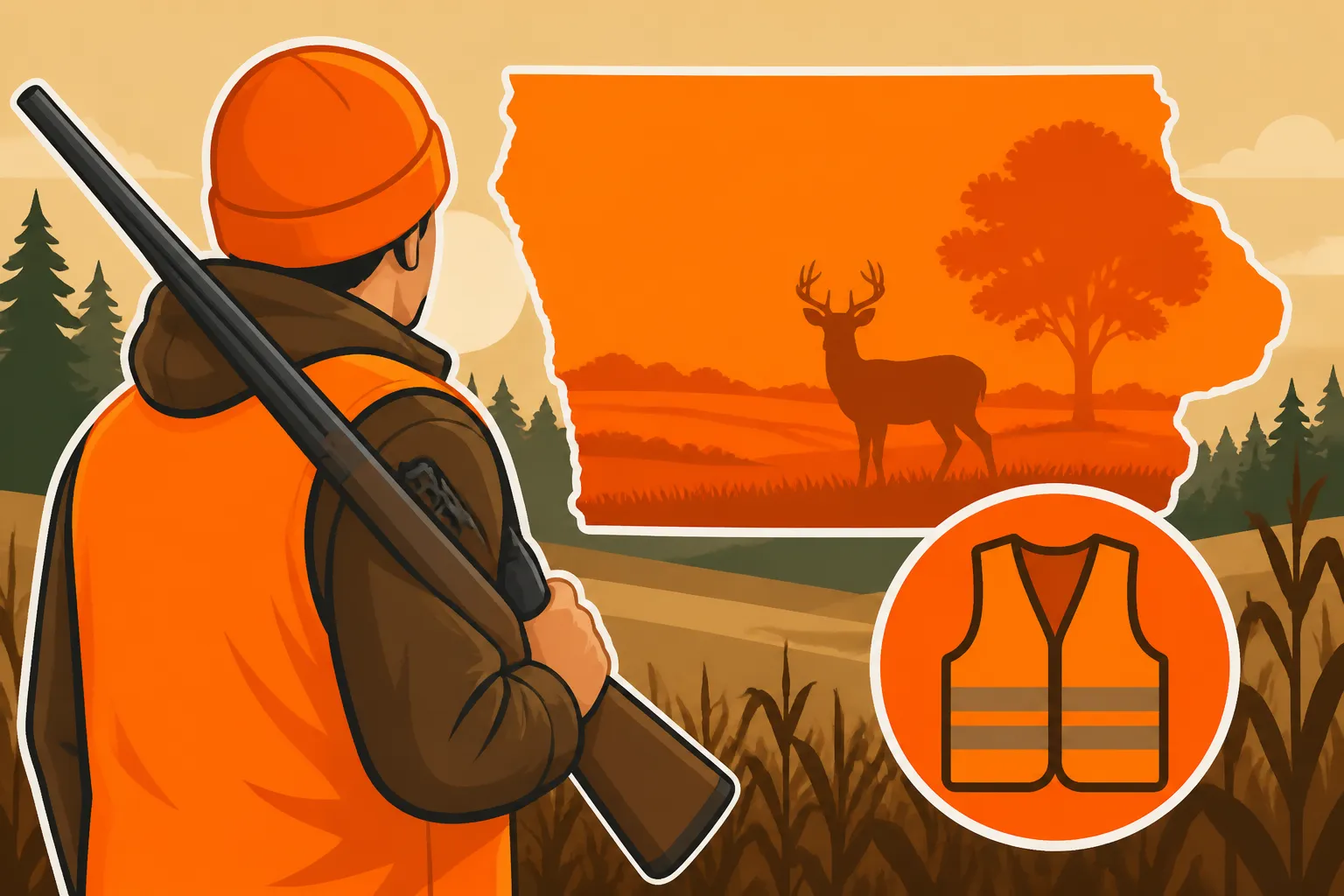
Iowa's regulations are quite specific about what counts as legal blaze orange. It's not enough to simply have some orange on; it needs to meet certain standards. You're required to wear an outer garment with at least 100 square inches of solid blaze orange on the front and 100 square inches on the back. Additionally, you must wear a blaze orange cap, hat, or headwear. The key word here is "solid." Camouflage patterns with orange in them, even if they're mostly orange, typically do not meet the legal requirement because the broken pattern diminishes visibility. The intent is for you to be seen as clearly and distinctly as possible against the natural backdrop of the Iowa landscape.
Imagine you're out during Iowa Shotgun Season Tactics for Party Hunting, moving through some dense timber. Your visibility to fellow hunters, especially when pushing deer, is critical. A solid blaze orange vest and hat create a clear, unmistakable target profile that instantly screams "human" to other hunters. The material itself can vary – canvas, synthetic blends, even soft fleece for colder weather are all acceptable, as long as they meet the color and surface area requirements. Just be mindful of noisy fabrics if you're trying to stay stealthy, though during shotgun season, the primary concern shifts from silence to safety.
Exceptions and Misconceptions
While the general rule is clear for firearm deer seasons, there are situations where blaze orange is not required, and these often lead to misunderstandings. For instance, if you're strictly bowhunting during the traditional Iowa Archery Deer Season, blaze orange is not mandatory. Bowhunters rely on stealth and concealment, and bright colors would be counterproductive. However, this is where it gets tricky: if you're bowhunting during any concurrent firearm deer season (like the January antlerless season where archery is also open), you are required to wear blaze orange. It’s the presence of firearms in the field that triggers the requirement, not just your chosen weapon.
Another common misconception revolves around turkey hunting. Spring and Fall Turkey Seasons in Iowa do not require blaze orange, again due to the nature of turkey hunting which often involves camouflage and calling. However, if you are calling turkeys in the fall during a concurrent firearm deer season, the deer hunters around you would need blaze orange, and it would be a wise safety precaution for you to consider it too, even if not legally mandated for turkey hunting itself. Remember, legal doesn't always equal safest. When in doubt, err on the side of caution and wear blaze orange.
Why Blaze Orange Is More Than Just a Rule – It's About Safety
Understanding the legal requirements is one thing, but truly appreciating why blaze orange is so important goes beyond compliance. It's a fundamental aspect of hunter safety, especially in a state like Iowa with its mix of dense cover and open agricultural fields.
Reducing Accidents and Enhancing Visibility
The science behind blaze orange is compelling. Studies have shown that blaze orange (sometimes called hunter orange) is a color that deer and most other game animals have difficulty perceiving, often seeing it as dull gray or yellow against the background. Human eyes, however, are highly attuned to this specific wavelength, making it incredibly conspicuous. In low light, dense brush, or even against fall foliage, blaze orange stands out dramatically. This high contrast is designed to prevent "mistaken for game" accidents, which, while rare, are tragically preventable.
During Iowa's gun seasons, particularly during the intense short duration of the shotgun seasons, there can be many hunters in relatively small areas, especially on public land. The purpose of blaze orange is to create an unmistakable "human" signal. It allows one hunter to quickly and unequivocally identify another, even at a distance or through broken cover, before ever raising a firearm. This immediate recognition is the cornerstone of preventing accidents and is vital for everyone's peace of mind in the field.
Maintaining Situational Awareness
Blaze orange doesn't just protect the person wearing it; it enhances the safety of everyone in the hunting party and surrounding area. When you're out there, whether you're still-hunting, sitting in a stand, or participating in a group effort, knowing where other hunters are is crucial for safe shot placement and overall situational awareness. For instance, when executing Party Hunting Rules and Safe Drives, every member of the group, whether a driver or a stander, needs to be clearly visible to all other members. This allows for safe lane assignments, communication, and ensures that shots are only taken when there’s a safe backdrop and clear identification of the target, with no human beings in the line of fire.
Furthermore, wearing blaze orange helps manage hunting pressure patterns on both private and Public Land Deer Hunting in Iowa. While it might not seem like it at first glance, the visible presence of blaze orange helps define boundaries of human activity. It’s a silent signal to other hunters that "someone is here," which can subtly influence their movement and choices, often leading to a safer, more dispersed hunting experience. It's about collective responsibility for the safety of the entire hunting community, not just individual compliance.
Practical Tips for Maximizing Visibility
While the DNR specifies minimum requirements, there's nothing stopping you from going above and beyond to maximize your visibility. Instead of just a vest and a hat, consider a full blaze orange jacket, or adding an orange backpack cover. The more surface area you have, the better. When setting up for a hunt, think about how your orange will appear from different angles. If you're sitting with your back to a thick tree, ensure your front and sides are still highly visible.
Another excellent practice is to keep your blaze orange clean and free of mud or grime. A dull, dirty vest loses some of its effectiveness. A quick wash or wipe-down can make a surprising difference. Also, remember that blaze orange is most effective in daylight. For walking in before legal shooting light or out after legal shooting hours, a headlamp or flashlight is essential. Even though the firearm is cased during these times, being visible to others who might be moving to or from their stands is still a smart safety move. For specific rules on Iowa Legal Shooting Hours, always consult the current regulations.
Navigating Different Hunting Scenarios with Blaze Orange
The nuances of blaze orange rules often become most apparent when considering different hunting methods and overlapping seasons. It’s not a one-size-fits-all, year-round regulation, so understanding its application to various scenarios is key.
Deer Drives and Group Hunting
Deer drives, especially common during Iowa’s shotgun seasons, inherently involve multiple hunters moving through terrain. This scenario presents some of the highest risks if blaze orange rules are not strictly followed. In a typical drive, you have "drivers" who push through cover, attempting to move deer towards "standers" positioned at strategic escape routes. For this to be safe, every single participant, whether driving or standing, must be prominently displaying blaze orange. This includes ensuring the orange isn't obscured by backpacks, harvested game, or other equipment.
Communication within the group is equally important, but visibility is the first line of defense. Imagine trying to coordinate a drive through heavy timber, perhaps near a creek bottom, without everyone being a beacon of orange. It would be incredibly dangerous. The blaze orange acts as a constant visual cue, allowing everyone to track each other's positions, maintain safe zones of fire, and react appropriately if a deer breaks in an unexpected direction. It helps define the "human" element so that attention can be laser-focused on identifying deer.
Archery Hunters During Overlapping Seasons
This is a common point of confusion for many. As mentioned, dedicated archery seasons do not require blaze orange. However, Iowa often has overlapping seasons. For example, during the latter part of the year, after the dedicated archery season has concluded, there are opportunities to hunt deer with archery equipment during phases like the Iowa January Antlerless Hunts. If you choose to hunt with your bow during a period when firearms are also allowed for deer hunting, then you must wear blaze orange, just like the firearm hunters.
It’s about sharing the landscape safely. If you’re tucked into a tree during late December, drawing your bow on a deer, and there are muzzleloader hunters in the vicinity, your blaze orange ensures they see you before any potential mishap occurs. Always check the Iowa DNR's hunting atlas or a mapping service like GoHunt for specific season dates and county-specific rules to confirm if you'll be in the woods when gun hunters are also present. Erring on the side of caution and wearing orange in any overlapping season is always the smart choice, even if you’re using traditional archery gear.
Public vs. Private Land Implications
A crucial point that sometimes gets overlooked is that Iowa's blaze orange requirements apply universally across all hunting lands, whether public or private. There's no distinction; the rules are the same. If you're on your own private farm, or hunting a friend's timber, and it's during a mandatory blaze orange season, you are still required to comply. The safety principles don't change based on land ownership.
This means if you're exploring different hunting grounds, from expansive Iowa Wildlife Management Areas to smaller, privately owned woodlots, the blaze orange rule is constant. It's not uncommon for hunters to assume that because they "know" their private ground, they can relax some rules. This is a dangerous assumption. An accidental shot doesn't care about property lines. Always assume that other hunters might be nearby, even if you don't see them, and always ensure you are clearly visible during mandatory periods.
Consequences of Non-Compliance and Responsible Hunting
Ignoring blaze orange rules isn't just a minor infraction; it carries both legal penalties and significant ethical implications for the broader hunting community.
Legal Ramifications
Failure to wear the legally mandated blaze orange during designated seasons is a violation of Iowa hunting regulations. The penalties can vary, but typically involve fines. Repeat offenses or more egregious safety violations could potentially lead to the suspension or revocation of hunting privileges, which for any avid hunter is a devastating consequence. Enforcement officers are out in the field, especially during peak gun seasons, and they take these safety requirements seriously.
It’s important to remember that ignorance of the law is generally not considered a valid defense. It is every hunter's responsibility to understand and abide by all current hunting regulations. Before you even head out to buy your Iowa Deer Licence and Tag Costs, make sure you've spent time reviewing the current regulations booklet. A small fine or a lost hunting opportunity is a minor inconvenience compared to the potential for a serious accident, but both are entirely avoidable by simply following the rules.
Ethical Hunting and Community Responsibility
Beyond the legalities, adhering to blaze orange rules is a powerful statement about responsible and ethical hunting. Our hunting traditions are constantly under scrutiny, and demonstrating a commitment to safety and ethical practices is vital for maintaining public support and preserving hunting for future generations. When hunters consistently follow safety rules, it projects an image of discipline, respect, and responsibility to non-hunting landowners and the general public alike.
Every hunter has a role to play in promoting a safe hunting environment. By consciously choosing to wear blaze orange, even in situations where it might be optional but still beneficial (like during an overlap where you're bowhunting), you're contributing to a culture of safety. You're setting an example for new hunters and youth participating in programs like Iowa Hunter Education and Licensing Basics. It’s about building trust within the hunting community and with those who observe us. This collective responsibility ensures that hunting remains a respected and cherished outdoor pursuit in Iowa.
Iowa Blaze Orange Requirements Summary
Here's a quick reference for when blaze orange is typically required in Iowa for deer hunting:
| Season Type | Blaze Orange Required? | Details |
|---|---|---|
| First Shotgun Season | Yes (Mandatory) | 100 sq. inches front & back, plus headwear. Applies to all hunters present. |
| Second Shotgun Season | Yes (Mandatory) | Same as First Shotgun Season. |
| Early Muzzleloader Season | Yes (Mandatory) | 100 sq. inches front & back, plus headwear. Applies to all hunters present. |
| Late Muzzleloader Season | Yes (Mandatory) | 100 sq. inches front & back, plus headwear. Applies to all hunters present. |
| Youth & Disabled Deer Seasons | Yes (Mandatory) | 100 sq. inches front & back, plus headwear. Applies to all hunters present, including mentors. |
| January Antlerless Hunts | Yes (Mandatory) | 100 sq. inches front & back, plus headwear. Applies to all hunters present (archery hunters during this period also need blaze orange). |
| Organized Deer Drives (any gun season) | Yes (Mandatory for all participants) | Drivers and standers must comply. |
| Regular Archery Season (no firearm season overlap) | No (Not required) | Camouflage is typically worn. |
| Hunting other game during firearm deer season | Yes (Mandatory) | If you are firearm hunting any species (e.g., coyotes, small game) during an open firearm deer season, you must wear blaze orange. |
| Spring/Fall Turkey Season | No (Not required) | Camouflage is typical. However, consider wearing blaze orange when walking to/from hunting spots, or if firearm deer season is concurrently open in the fall for general safety. |
Always verify specific dates and details with the current year's Iowa DNR Hunting Regulations.
Disclaimer
This guide is intended for informational purposes only and is not a substitute for the official Iowa Department of Natural Resources hunting regulations. Hunting laws and regulations can change, and it is the individual hunter's responsibility to review and comply with all current state laws before engaging in any hunting activity. Always consult the most recent Iowa hunting regulations booklet or the official Iowa DNR website for the precise and most up-to-date information.