Iowa Youth and Disabled Deer Seasons
It’s a truly special thing to share the outdoors with the next generation or to help a fellow hunter with unique challenges continue their passion. Yet, for many folks in Iowa, navigating the specific rules and opportunities for youth and disabled hunters can feel like trying to find a shed antler in a picked bean field – a lot of ground to cover and the details often get lost. This guide is dedicated to breaking down Iowa's youth and disabled deer seasons, offering clear, empathetic, and detailed insights to ensure everyone has a chance to experience the thrill of the hunt safely and successfully.
Understanding Iowa's Youth Deer Season
Iowa's youth deer season is a fantastic opportunity designed to introduce young hunters to the sport in a controlled and often less pressured environment. It’s all about creating positive first experiences, fostering a love for the outdoors, and instilling good ethics from an early age. The Iowa Department of Natural Resources (DNR) has thoughtfully crafted this season to maximize success and safety for our newest hunters.
Eligibility and Age Requirements
To participate in Iowa's youth deer season, a hunter must be 16 years of age or younger at the time they acquire their license. This is a critical cutoff point; if they turn 17 before the season opens, they are no longer eligible for the youth tag. It’s important to plan ahead and ensure your young hunter meets this age criterion. They must also possess a valid Iowa hunting license and a deer license specifically designated for the youth season. Now, here’s a common point of confusion: while the hunter needs to be 16 or younger, they don't necessarily need to have completed hunter education to participate in this specific mentored hunt. However, an adult mentor is absolutely required, and that mentor must be at least 18 years old, possess a valid hunting license, and be a licensed hunter themselves. This setup is perfect for teaching proper firearm handling, shot placement, and ethical hunting practices under direct supervision. It’s an ideal way to pass on knowledge before they venture out solo, which will eventually require them to meet the standard Iowa Hunter Education Requirements.
Season Dates and Weapon Choices
The Iowa youth deer season typically takes place in late September, usually starting on a Saturday and running for about 9-10 days, leading right up to the bow opener. These dates are intentionally set to provide a window of opportunity when deer patterns are often more predictable, and before the heavy pressure of the regular archery and gun seasons begins. It also coincides with generally mild weather, making for a more comfortable experience for young hunters. During this season, youth hunters have a wide range of weapon choices available to them. They can use a shotgun, muzzleloader, handgun, or archer equipment (compound bow, recurve bow, or crossbow). This flexibility allows mentors to choose the equipment that best suits the young hunter's skill level and comfort, ensuring a safe and positive experience. For instance, a small-statured youth might find a crossbow easier to handle and more accurate than a compound bow initially, building confidence before moving to more traditional archery equipment.
Mentoring and Safety Regulations
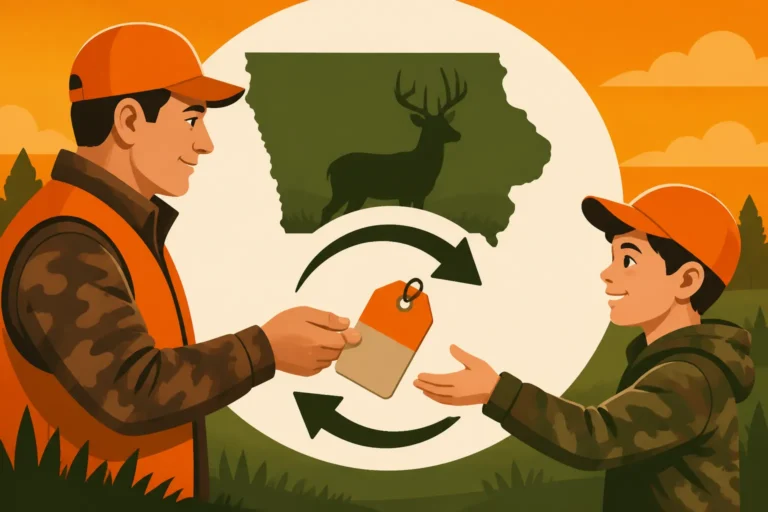
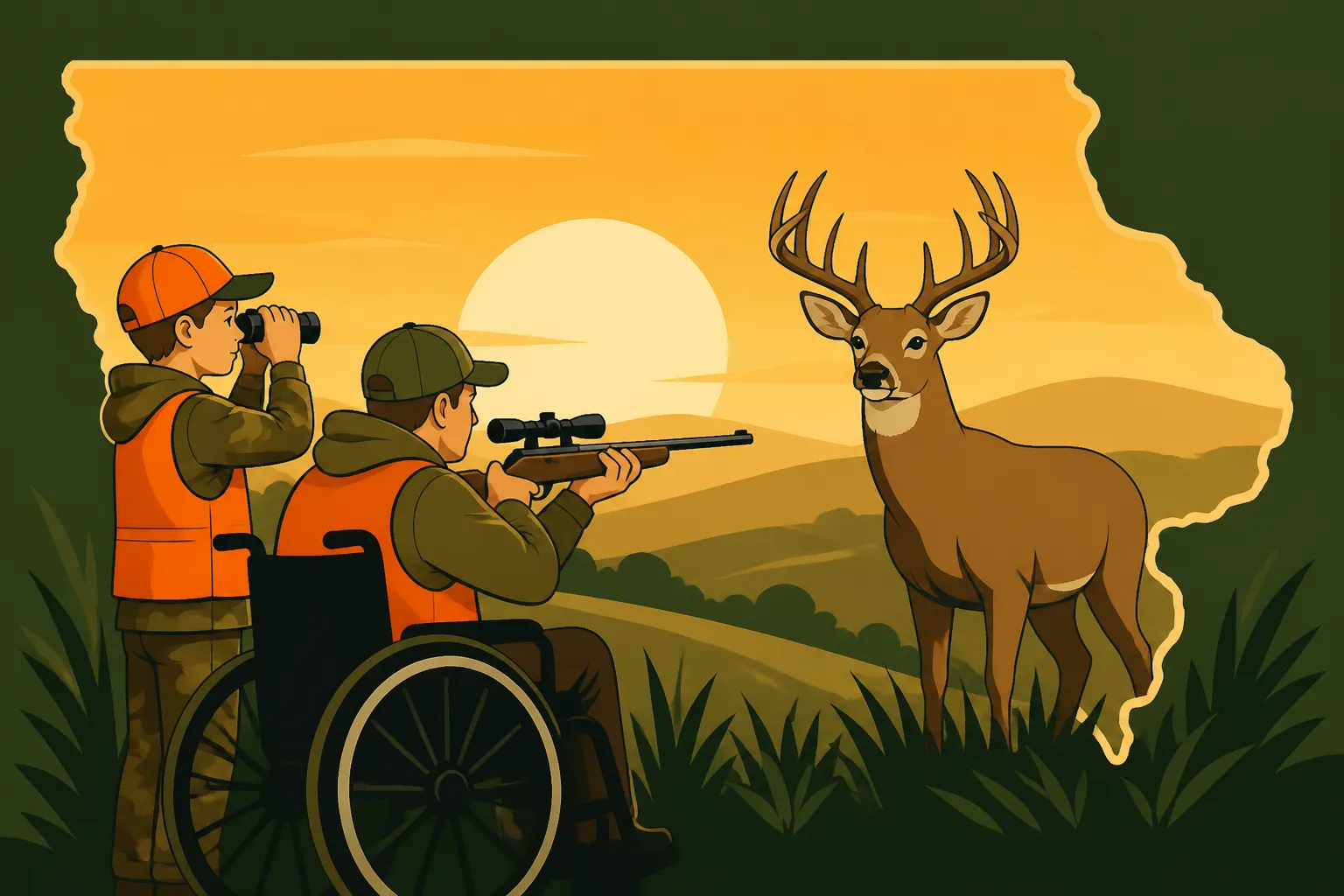
The core of the youth deer season lies in the mentoring aspect. The accompanying adult is not just there for supervision; they are an active participant in teaching and guiding. The mentor must be in direct control and immediate supervision of the youth hunter at all times. This means being close enough to provide immediate assistance, verbal instruction, and oversight of the weapon. Safety is paramount, and mentors are responsible for ensuring the youth hunter understands and adheres to all firearm safety rules. Additionally, both the youth hunter and the mentor must wear blaze orange clothing when participating in any firearms portion of the youth season, which is a critical safety measure, just like the Blaze Orange Rules During Iowa Gun Season. The mentor may also hunt themselves, provided they have the appropriate tags for the season, but their primary focus should always be on the youth. This one-on-one time in the field is invaluable, not just for hunting skills but for life lessons in patience, respect for wildlife, and understanding conservation.
Navigating Iowa's Disabled Hunter Deer Season
For hunters with disabilities, Iowa provides a special deer season designed to offer increased accessibility and opportunity. The aim is to ensure that physical challenges don't prevent passionate individuals from participating in a sport they love, allowing them to remain active members of the hunting community. This season acknowledges that adapting standard hunting seasons for those with mobility or other impairments is essential for true inclusivity.
Defining Disability for Hunting Permits
Iowa's DNR has specific criteria for what qualifies as a "disabled hunter" for this special season. Generally, it refers to individuals who have a permanent physical disability that significantly impairs their mobility or ability to perform the physical actions required for typical hunting. This can include, but is not limited to, individuals who are confined to a wheelchair, use crutches, prosthetics, or other mobility aids, or have a severe physical impairment that limits their movement in the field. To obtain the necessary permit, applicants typically need a certification from a licensed physician attesting to their permanent disability and how it affects their hunting capabilities. It's not a temporary condition; the emphasis is on a lasting impairment that necessitates special accommodations to ensure equitable access. This careful definition helps ensure that the season truly serves those for whom it was intended.
Application Process and Required Documentation
Applying for the disabled hunter deer season permit involves a few more steps than a standard license. Hunters must typically submit an application to the Iowa DNR well in advance of the season, along with the required medical documentation. This usually includes a physician’s statement, often on a specific DNR form, detailing the nature of the disability and its permanence. The application window for these special permits usually aligns with or precedes the general deer application periods, so keeping an eye on the Iowa Deer Application Dates in May and June is crucial. Once the permit is approved, the disabled hunter can then purchase their deer license. This process might seem a bit cumbersome, but it’s in place to properly verify eligibility and ensure the integrity of the special season. Hunters can often find the necessary forms and detailed instructions on the Go Outdoors Iowa platform, which is also used for Applying Through Go Outdoors Iowa for general licenses, making it a convenient central hub for all licensing needs.
Season Framework and Permitted Weapons
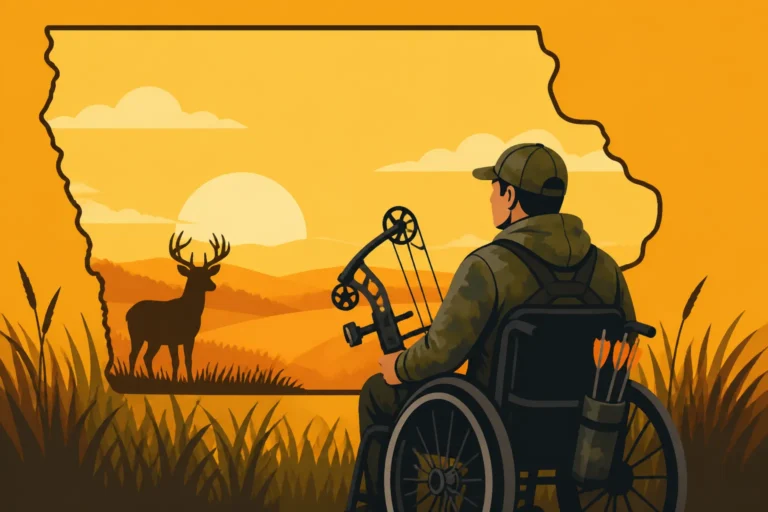
The disabled hunter deer season typically runs concurrently with the youth season in late September, offering similar advantages in terms of milder weather and less pressured deer. This timing often allows for a family-friendly atmosphere where a youth hunter and a disabled hunter could potentially hunt together. Similar to the youth season, disabled hunters have a wide array of weapon choices, including shotguns, muzzleloaders, handguns, and archery equipment (bow or crossbow). This flexibility is particularly important as it allows disabled hunters to select a weapon that they can safely and effectively operate, considering any physical limitations. For instance, a hunter with limited upper body strength might find a crossbow or a straight-wall cartridge rifle more manageable than a traditional compound bow. The DNR's rules on weapon choices are designed to maximize participation while maintaining safety. Additionally, disabled hunters may often be granted certain allowances, such as permission to hunt from a vehicle (stationary and off the public roadway) if their disability necessitates it, which is a significant advantage in areas with challenging terrain.
Key Benefits and Considerations for Special Seasons
These specialized hunting seasons aren't just about different dates; they offer a unique set of benefits and considerations that are crucial for success and enjoyment. Both youth and disabled seasons prioritize creating a supportive environment, ultimately leading to more positive experiences and increased participation in hunting.
Increased Success Rates and Reduced Pressure
One of the biggest advantages of both the youth and disabled deer seasons is the significantly reduced hunting pressure. With fewer hunters in the woods compared to the general seasons, deer are often less wary and more likely to stick to their regular patterns. This translates to higher success rates for both groups. For a young hunter, an early successful hunt can be incredibly motivating and solidify their interest in the sport. Imagine sitting in a ground blind in Iowa Farm Country during the youth season, and a beautiful doe steps out into a picked bean field. That kind of opportunity, often less common during the crowded shotgun seasons, can be a game-changer for a budding hunter. Similarly, for a disabled hunter who might have limited mobility or stamina, having deer move more naturally increases their chances without needing to cover vast amounts of ground or endure extreme conditions. The early timing of these seasons also means more daylight hours and generally more comfortable weather, which further contributes to a more enjoyable and potentially more successful outing.
Creating Lasting Memories and Fostering Independence
Beyond the harvest, these special seasons are about the experience itself. For youth hunters, it's an opportunity for one-on-one mentorship, building a bond with an adult and with nature. These shared experiences, whether it's the quiet anticipation in the stand, the excitement of spotting a deer, or the pride of a successful harvest, create indelible memories that last a lifetime. For disabled hunters, these seasons foster a profound sense of independence and accomplishment. Overcoming physical challenges to pursue a passion is incredibly empowering. It’s not just about taking a deer; it’s about proving to themselves and others that their love for hunting transcends any limitations. Consider the joy of an individual, who might spend much of their day confined, being able to actively participate in a hunt, contributing to their family's food supply, and feeling completely immersed in the wild. This pursuit of personal triumph and connection to the natural world is a core aspect of hunting that these seasons powerfully reinforce.
Logistical Planning and Support Systems
While the benefits are clear, both youth and disabled seasons require careful logistical planning. For youth hunts, this involves preparing the young hunter both mentally and physically, practicing shooting, and ensuring they understand the ethics and safety rules. It also means securing the right gear, from appropriately sized firearms or bows to comfortable, quiet clothing. For disabled hunters, planning can be even more intricate. This might involve scouting locations for easy access, such as areas with flatter terrain or established trails. It could mean coordinating with companions for assistance with setup, recovery, or navigating challenging areas like getting a deer out of an Iowa Creek Bottom. Many non-profit organizations, like those focused on getting disabled veterans or youth into the outdoors, offer invaluable support, resources, and even guided hunts that can alleviate much of this planning burden. Identifying these support systems early can make a world of difference in the overall experience and accessibility of the hunt.
Licensing, Tags, and Application Specifics
Understanding the nuances of licenses and tags for Iowa's special deer seasons is paramount. A small oversight in the application process or missing a deadline can mean missing out on the hunt entirely. It's not just about knowing when to apply, but how to apply and what specific licenses are needed.
Acquiring the Necessary Licenses and Tags
For both youth and disabled deer seasons, hunters will need a combination of an annual hunting license and a specific deer tag. For youth, this means a youth deer license, which allows them to hunt during the special youth season. If they wish to hunt later in the regular seasons, they may need additional tags, often at reduced rates, as covered by the Iowa Youth and Senior Licence Rates. Disabled hunters, once approved for their special permit, will purchase a deer license that is specific to the disabled hunter season. It's crucial to understand that these tags are often any-sex tags, meaning the hunter can harvest either an antlered or antlerless deer, which adds to the success rate potential, especially for those new to hunting or with limited mobility. Always double-check the current year's Iowa Deer Licence and Tag Costs, as prices can vary slightly. Make sure all licenses are purchased and tags are secured well before the season opens, to avoid any last-minute stress or disappointment.
Using Online Platforms for Applications
In today's digital age, the Iowa DNR has streamlined much of the licensing and application process through online platforms. The primary portal is the "Go Outdoors Iowa" system. This platform is incredibly user-friendly and is where you'll go to apply for licenses, purchase tags, and even apply for special permits like those for disabled hunters. When it comes to planning your hunt, you can even use tools like GoHunt, which often provides updated regulation information and mapping features that can complement the DNR's resources. It's wise to create an account well in advance, understand the interface, and save your login details. Don't wait until the last minute, especially when dealing with special permits that might require uploading documents or have specific approval processes. Navigating the system, especially for the first time, can take a bit of patience, but the convenience of doing it from home is a huge plus.
| Feature / Season | Youth Deer Season | Disabled Hunter Deer Season |
|---|---|---|
| Eligibility Age | 16 years and younger | Any age with certified permanent disability affecting mobility/hunting |
| Mentor Required | Yes, 18+ and licensed | Optional, but often beneficial |
| Weapon Choices | Shotgun, Muzzleloader, Handgun, Archery | Shotgun, Muzzleloader, Handgun, Archery (may include certain allowances) |
| Typical Season Dates | Late September | Late September (often concurrent with Youth) |
| Tag Type | Any-sex deer | Any-sex deer |
| Application Process | Purchase youth deer license | Special permit application + purchase deer license |
| Key Advantage | Early season, mentorship, low pressure | Early season, accessibility, low pressure |
| Blaze Orange | Required for both youth & mentor (firearms) | Required during firearms portions |
Important Deadlines and Quotas
Iowa’s hunting seasons are governed by strict deadlines and, in some cases, quotas. While youth and disabled deer seasons generally offer more readily available tags compared to, say, some of the highly sought-after Iowa Nonresident Deer Draw Explained tags, it's still critical to be aware of the application periods. For special permits, there might be specific application deadlines that precede the general license sale dates. Youth deer tags are usually available for purchase throughout the summer and into the season itself, but it’s always best to acquire them early. Disabled hunter permits, due to the documentation requirement, often have an earlier application period for the permit itself, with the license purchase following approval. Unlike some general seasons, neither the youth nor the disabled season is typically subject to county-specific quotas that sell out quickly, but always verify the latest regulations in the current Iowa Hunting Regulations booklet. Missing a deadline for a medical certification or a permit application could mean missing out on the entire opportunity, so mark those calendars!
Choosing the Right Hunting Location and Strategy
Picking the right spot and having a solid plan are paramount for any successful hunt, but they become even more critical when you're considering the specific needs of youth and disabled hunters. Accessibility, safety, and comfort need to be at the forefront of your decision-making.
Public vs. Private Land Opportunities
Both public and private lands offer opportunities for youth and disabled deer seasons in Iowa, each with its own set of pros and cons. Public hunting land in Iowa, such as Iowa Wildlife Management Areas or areas within Iowa's Habitat and Access Program Explained, are open to anyone with the proper licenses. These areas can be fantastic for introducing new hunters, but they can also see more hunting pressure later in the general seasons. During the early youth and disabled seasons, however, the pressure is typically much lower, making public land a viable option. When choosing public land, consider areas with easier access, clear boundaries, and perhaps less rugged terrain. Checking the Iowa Hunting Atlas can help you identify suitable spots.
On the other hand, securing private land access, whether through permission from a landowner or a lease, often provides a more controlled and potentially less pressured environment. This can be ideal for a young hunter’s first experience or for a disabled hunter who needs specific accommodations like easier vehicle access or a pre-set ground blind. Finding Private Land Access in Iowa can be challenging, but a polite knock on a farmhouse door can sometimes open up excellent opportunities. Many landowners are more than happy to allow a youth or disabled hunter access, recognizing the value of these special opportunities.
Adapting Tactics for Youth and Disabled Hunters
Standard hunting tactics often need to be adapted to ensure a positive and safe experience for youth and disabled hunters. For youth, patience is key. Shorter sits, more frequent breaks, and engaging them with tracking signs or identifying different trees can keep them interested. Using a sturdy, comfortable ground blind is often preferable to a treestand, especially for younger kids or those with limited mobility. A ground blind also allows for more movement and warmth, which can be crucial for comfort, particularly in cooler weather or for longer sits. Consider using tactics like Decoying an Iowa Whitetail Buck on a field edge, which can bring the deer closer and create an easier shot opportunity. For disabled hunters, strategies might focus on static positions near known travel corridors or food sources, minimizing the need for extensive walking. Utilizing game cameras to pattern deer can reduce scouting effort, allowing for more precise setup closer to action without unnecessary movement.
Access Considerations and Terrain Challenges
Accessibility is arguably the most important factor when selecting a hunting location for disabled hunters, and a significant one for youth. When scouting, think about parking areas that are close to your chosen spot. Look for flat, clear paths or old logging roads that might allow for easier navigation, whether on foot with mobility aids or with a deer cart for recovery. Avoid areas with steep inclines, deep creek crossings, or dense, thorny brush that could pose significant challenges. Even on public lands, some areas are designated as Walk-In Only Access on IHAP Ground, which might not be suitable for all disabled hunters. When considering private land, discuss access points, existing trails, and potential blind locations with the landowner. Proximity to a road or a field edge can make a world of difference for a hunter who uses a wheelchair or has limited stamina. Always prioritize safety and comfort over the "perfect" hunting spot; a deer might be anywhere, but a comfortable, accessible setup guarantees a better experience.
Disclaimer
Hunting is an inherently dangerous activity. This article provides general information and should not be considered a substitute for official Iowa DNR regulations, professional guidance, or proper hunter education. Always consult the latest Iowa hunting regulations, follow all laws, and prioritize safety. The author and publisher are not responsible for any accidents, injuries, or legal infractions that may occur.