Iowa CWD Mandatory Sampling Counties
The emergence of Chronic Wasting Disease (CWD) in Iowa has introduced a whole new layer of concern and responsibility for hunters, adding stress to an already complex pursuit. It's frustrating to navigate new rules, especially when you're just trying to enjoy your time in the woods or fields. This guide is here to walk you through everything you need to know about Iowa's mandatory CWD sampling counties, helping you understand the regulations and confidently comply with them.
Understanding Chronic Wasting Disease and Iowa's Concerns
CWD is a serious neurological disease that affects deer, elk, and moose. It's caused by abnormal proteins called prions and is always fatal. For Iowa hunters, the presence of CWD isn't just a biological curiosity; it's a tangible threat that impacts our deer herd, our hunting traditions, and the management efforts of the Iowa Department of Natural Resources (DNR). It adds another layer of checks and balances we all have to consider, especially after a successful hunt.
The Growing Concern of CWD in Iowa
When CWD first reared its head in Iowa, it was a gut punch for many of us. This isn't some distant problem; it's right here, in our beloved whitetails. The thought of a disease that slowly degrades an animal's brain, leading to emaciation and death, is unsettling, to say the least. The first positive CWD detection in Iowa's wild deer herd was back in 2013, in an isolated area of Allamakee County. Since then, the number of affected counties has slowly but steadily grown, leading to understandable anxiety among hunters about the health of the deer they pursue and consume. It makes you second-guess every harvest, wondering if the deer you just took is part of the problem. This isn't just about the deer; it's about safeguarding the future of hunting in our state, and that’s a responsibility we all share. Learning about How Many Iowa Deer Have Tested Positive for CWD and How Many Iowa Counties Have CWD is important for understanding the scope of the challenge.
Understanding the Iowa DNR's Monitoring Efforts
The Iowa DNR isn't just sitting by; they're actively working to monitor and manage CWD. Their approach involves a combination of targeted surveillance, voluntary sampling, and, critically, mandatory sampling in areas where the disease is known to be present or at high risk of spreading. This proactive stance is essential because, unfortunately, there's no vaccine or cure for CWD. The goal is to detect the disease early, understand its spread, and implement management strategies to mitigate its impact. When you're out hunting, knowing that the DNR is relying on hunters like us to provide samples really drives home the idea that we're partners in this. The data collected from these samples directly informs management decisions, helping to protect Iowa's deer herd for generations to come. This robust monitoring is part of a larger effort in Iowa Wildlife Disease Monitoring.
Identifying Iowa's Mandatory CWD Sampling Counties
Navigating the landscape of CWD regulations means knowing where your hunting efforts might trigger mandatory sampling. It's not statewide, at least not yet, but specific counties have been identified by the Iowa DNR as areas where submitting a sample is a non-negotiable part of your post-harvest routine. Missing this step isn't just an oversight; it can carry legal consequences, and more importantly, it means missing a crucial opportunity to help track the disease.
The Current List of Targeted Counties
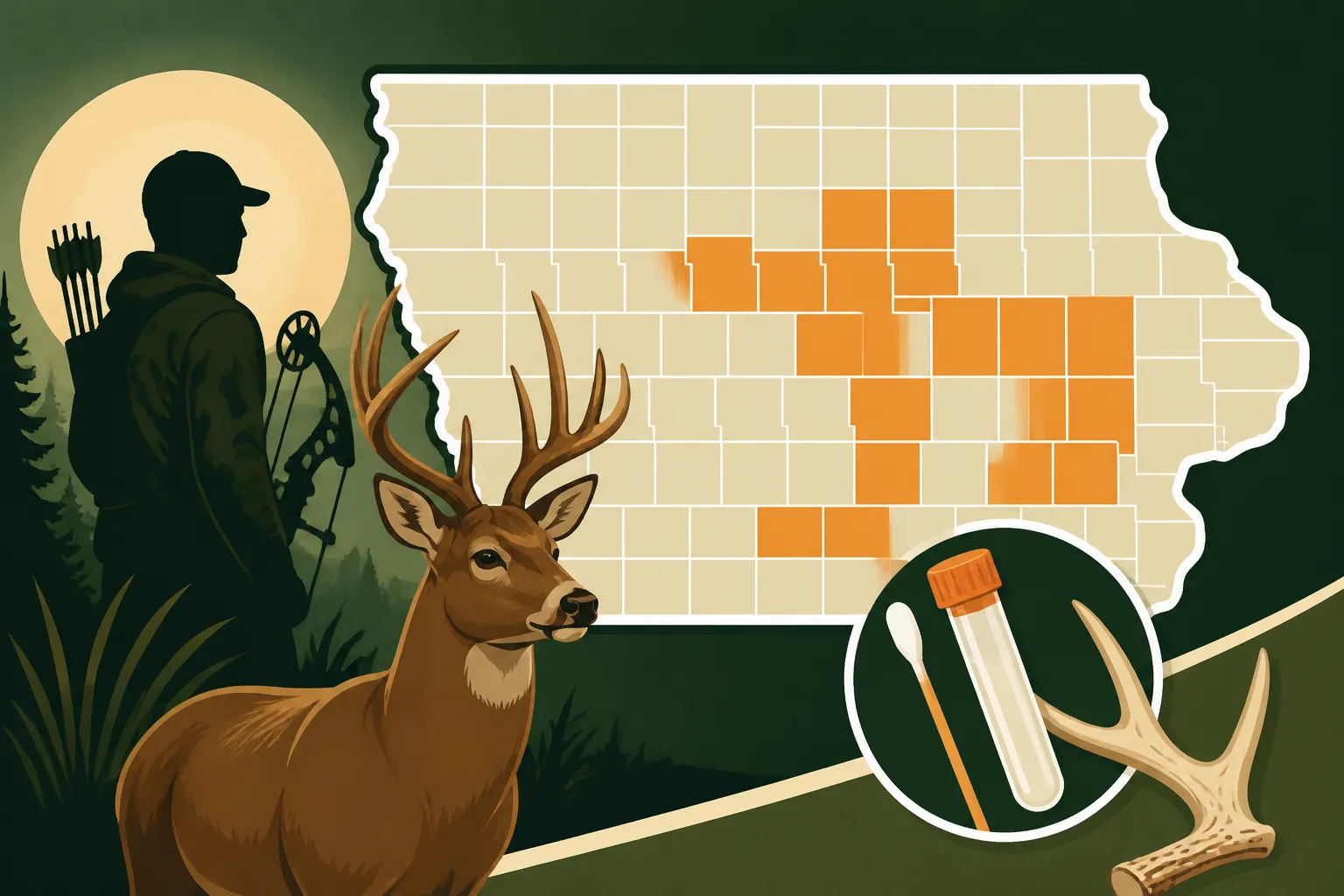
Iowa's CWD mandatory sampling counties are typically those where CWD has been detected in wild deer populations or in adjacent areas, indicating a higher risk of the disease. These counties can change from year to year as new cases emerge or as the DNR adjusts its surveillance strategy. For the current hunting season, it's absolutely vital to check the latest regulations. However, historically, counties like Allamakee, Clayton, Wayne, Appanoose, and parts of the Loess Hills region have been focal points for mandatory sampling due to confirmed CWD positives. It’s not a static list, so always double-check before you head out. Websites like the Iowa DNR's official page or resources like GoHunt are excellent for up-to-date information. They often provide interactive maps that clearly outline the mandatory sampling zones.
Here's a snapshot of frequently designated mandatory CWD sampling counties. Please note: This information can change, always verify with the current Iowa DNR hunting regulations.
| County | Region | Typical CWD Status | Sampling Requirements (General) | Notes |
|---|---|---|---|---|
| Allamakee | Northeast Iowa | Confirmed CWD positives | Mandatory for all deer | One of the first counties with CWD detections. |
| Clayton | Northeast Iowa | Adjacent to CWD positives | Mandatory for all deer | High-risk area due to proximity. |
| Wayne | Southern Iowa | Confirmed CWD positives | Mandatory for all deer | Key focus for CWD surveillance in the south. |
| Appanoose | Southern Iowa | Adjacent to CWD positives | Mandatory for all deer | Near confirmed cases, often included. |
| Lucas | Southern Iowa | Proximity to CWD cases | Often mandatory | Frequently added due to expanding CWD footprint. |
| Decatur | Southern Iowa | Proximity to CWD cases | Often mandatory | Another county to watch in the southern region. |
| Monona | Western Iowa (Loess) | Limited detections, high surveillance | Sometimes mandatory | Part of targeted surveillance efforts. |
This table is for illustrative purposes. Always consult the most recent Iowa DNR hunting regulations for definitive mandatory sampling county lists.
How to Confirm if Your County is Mandatory
The absolute best way to confirm if the county you're hunting in has mandatory CWD sampling is to consult the most current Iowa hunting regulations booklet, which is updated annually. You can pick one up anywhere licenses are sold, or access it online directly from the Iowa DNR website. They typically have a dedicated section on CWD, complete with a map highlighting the specific counties and the dates during which mandatory sampling applies. Another fantastic resource is the DNR's online hunting atlas or via hunting apps like GoHunt, which often integrate CWD zone information into their maps. Before you even head out for your hunt, take five minutes to verify. It saves a lot of headaches later. Ignorance of the rules isn't an excuse, and we all want to do our part to keep our deer healthy. Check out Iowa CWD Sampling and Carcass Rules for more detailed guidelines.
What to Do if You Harvest a Deer in a Mandatory County
Okay, you've done your homework, you know you're in a mandatory sampling county, and you've just successfully harvested a deer. Congratulations! But the job isn't quite done. Now comes the critical step of CWD sampling. It might feel like an extra chore, especially when you're tired and excited, but it's genuinely important. The DNR makes this as straightforward as possible, but understanding the process and the rules around carcass handling is key to a smooth and compliant experience.
Steps for Submitting a CWD Sample
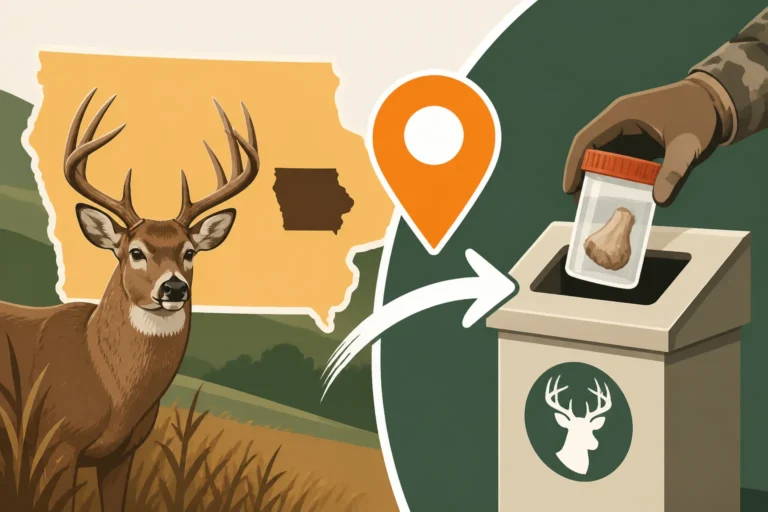
Once you've harvested a deer in a mandatory sampling county, the first thing you need to do is process the deer to remove the head for sampling. Don't worry, you don't need to be a veterinarian; the DNR has specific drop-off locations and procedures. Typically, you'll be required to take the head, with at least a few inches of neck still attached, to a designated CWD sampling station. These stations are usually located at DNR offices, state parks, or sometimes even local locker plants. At the station, trained personnel will collect lymph node samples from the deer's head. They'll also record information about your harvest, like the date and location. It's a quick process, usually just a few minutes, but it's absolutely vital for disease surveillance. Make sure your deer is properly tagged before you bring it in, following all Iowa Deer Harvest Reporting Rules. Remember, you're contributing to a bigger picture of herd health.
Understanding Carcass Transport Restrictions
This is a big one, and it's where many hunters, especially those traveling across county lines or from out of state, can easily run afoul of the regulations. To prevent the spread of CWD, the Iowa DNR has strict carcass transport restrictions in place for deer harvested in mandatory sampling counties. Generally, you cannot transport a whole deer carcass out of a mandatory sampling county, or even out of the state, without first having it sampled and ensuring only specific parts are moved.
The rule typically states that only the following parts of a deer harvested in a mandatory CWD zone can be transported out of that zone or out of Iowa:
- Deboned meat
- Antlers (with no skull plate tissue attached)
- Clean skull plate (no brain or spinal tissue)
- Hides (without the head attached)
- Finished taxidermy products
This means if you're planning on taking your deer to a processor outside the mandatory county, or even back home if you live elsewhere, you'll need to bone out the deer in the field or at a local facility within the county, or get it sampled at an official station first. Trying to haul a full carcass across state lines from a CWD-positive area, even if you just intend to process it at home, is a serious violation. So, before you even load that deer into the truck, think about where you harvested it and where you intend to take it. These rules are in place for a good reason – to limit the chances of further CWD spread. You can find more details on Bringing a Deer Into Iowa From Another State and Iowa Carcass Transport Restrictions.
Beyond Mandatory: Voluntary Sampling and Hunter Responsibility
While mandatory sampling focuses on high-risk areas, CWD is a community-wide issue that requires collective effort. Even if you're hunting in a county where sampling isn't required, there's still a crucial role for you to play in the fight against CWD. Voluntary sampling and a general commitment to responsible hunting practices are vital for the long-term health of Iowa's deer population.
Participating in Voluntary CWD Sampling
Even if you harvest a deer outside of a mandatory sampling county, you can still choose to have your deer tested for CWD. Many hunters appreciate the peace of mind knowing that the venison they're putting on the table is CWD-negative. The Iowa DNR encourages voluntary sampling and often provides opportunities for hunters to submit samples at check stations or through participating veterinarians. Sometimes, you might even be able to collect the lymph node sample yourself with proper instructions, though having a trained professional do it is often easier and more accurate. Keep an eye on DNR announcements around the hunting season; they'll usually detail voluntary sampling options and locations. Participating helps the DNR gather more data, filling in gaps in surveillance and providing a more comprehensive picture of the disease's prevalence across the state. This is especially true for understanding How CWD Testing Works on a Deer.
The Role of Hunters in CWD Management
Hunters are the front-line conservationists, and when it comes to CWD, our involvement is absolutely critical. Beyond just submitting samples, there are several ways we contribute to effective CWD management. For starters, being observant in the field is huge. If you see a deer exhibiting symptoms of CWD – like extreme weight loss, stumbling, drooling, or a general lack of fear toward humans – it's crucial to report it to the Iowa DNR immediately. This helps them target surveillance and response efforts. You can learn more about Reporting a Sick Deer in Iowa.
Additionally, understanding and respecting the ban on baiting and mineral licks for deer is paramount. These practices can unnaturally congregate deer, increasing the likelihood of disease transmission. The disease is spread through bodily fluids and contaminated environments, so concentrating deer at artificial feed sites is essentially a CWD super-spreader event. Furthermore, proper carcass disposal is vital. Don't just dump carcasses in ditches or on public land; doing so can spread CWD prions into the environment where other deer can pick them up. If possible, bury carcasses deeply on the property where the deer was harvested, or take them to a landfill that accepts animal remains. Every action we take, from a successful hunt to responsible disposal, weaves into the larger fabric of wildlife management. It’s a collective effort, and as hunters, we're not just taking from the land; we're giving back by protecting its future. Understanding Is CWD Dangerous to Hunters? can also help in responsible handling.
Disclaimer
The information provided in this guide is for general informational purposes only and is subject to change. Hunting regulations, including those pertaining to CWD mandatory sampling counties and carcass transport, are updated annually by the Iowa Department of Natural Resources (DNR). It is the hunter's responsibility to consult the most current official Iowa hunting regulations directly from the Iowa DNR or other authorized sources before engaging in any hunting activities. Failure to comply with regulations can result in penalties.