What Counts as Bait in Iowa
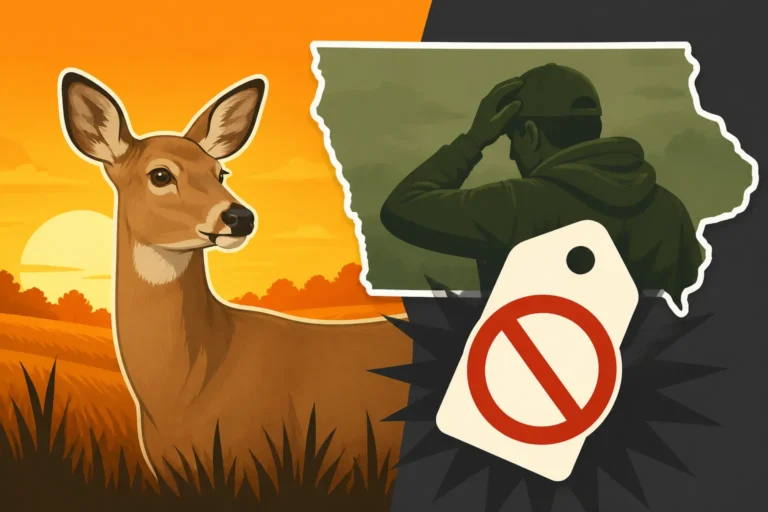
One of the most frustrating things for an Iowa deer hunter is trying to navigate the ever-evolving and sometimes confusing regulations, especially when it comes to what you can and cannot use to attract deer. Many hunters, particularly those new to the state or those coming from areas with different rules, worry about inadvertently breaking the law. This comprehensive guide will meticulously break down what exactly counts as bait in Iowa, helping you understand the regulations to ensure your hunt is both successful and legal.
Understanding Iowa's Deer Baiting Regulations
Iowa's reputation for producing giant whitetails is legendary, and with that comes a strong desire from hunters to gain every legal advantage. However, the Iowa Department of Natural Resources (DNR) has very clear, and often strict, rules regarding baiting for deer. The intent behind these regulations is twofold: to maintain fair chase hunting principles and, increasingly, to minimize the spread of wildlife diseases like Chronic Wasting Disease (CWD).
The Core Definition of Baiting
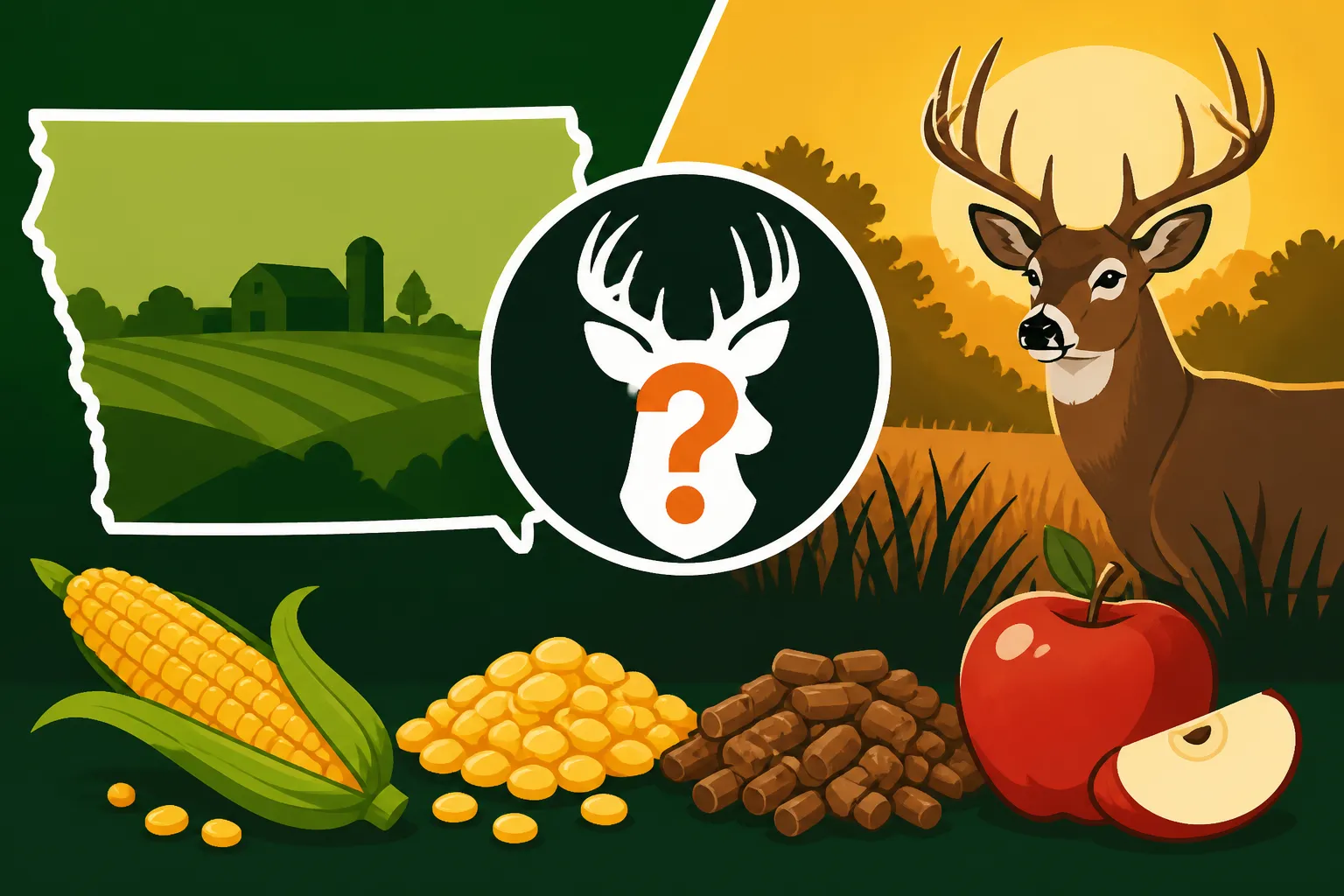
At its heart, Iowa's regulation on baiting is quite straightforward, but its application can sometimes feel nuanced. The Iowa DNR defines "bait" as any substance, which can include, but is not limited to, shelled corn, whole kernel corn, salt, mineral blocks, or any other consumable material that is placed with the intent to attract game. The crucial part of this definition is the intent to attract and the consumable material. If you place something edible, or something that deer will lick or ingest, and your purpose is for deer to come to it, it likely falls under the definition of bait.
This isn't just about large piles of corn. Even smaller quantities or seemingly innocuous items can be considered bait if they are placed to draw deer in. For instance, putting out a few handfuls of apples or a block of flavored mineral specifically to bring deer within range of your stand is absolutely baiting. The law doesn't specify a minimum quantity; it focuses on the nature of the material and the intent behind its placement.
The "Placement" Aspect
It's not just what you use, but where and how you place it that really matters. Iowa law states that it is illegal to hunt deer within 200 yards of any bait. This 200-yard rule is a critical distance to remember. If you're hunting in an area and someone else, unknowingly or knowingly, has placed bait within 200 yards of your position, your hunt could still be compromised. This is why vigilance and scouting are so incredibly important, especially when hunting on public land or areas adjacent to other private properties.
The "placement" also brings into question the difference between normal agricultural practices and baiting. For example, a standing cornfield or a harvested soybean field is a natural food source and perfectly legal to hunt over. However, if that harvested field has piles of corn deliberately left or created, or if corn from a nearby crib is dumped into a field specifically to attract deer, it transitions from a legal food source to illegal bait. The key is whether the material is artificially concentrated by human action with the purpose of attracting deer. This distinction often trips up hunters, making it essential to understand the local agricultural landscape and what constitutes natural food availability versus an intentional setup.
Why the Rules Exist
The regulations against baiting aren't just about making hunting harder; they're rooted in important wildlife management and ethical considerations. Primarily, baiting artificially concentrates deer in a small area. This concentration increases the likelihood of disease transmission, especially for highly contagious diseases like Chronic Wasting Disease. CWD, a fatal neurological disease, spreads through direct animal-to-animal contact or indirectly through contaminated environments. When deer gather frequently at a bait site, they exchange saliva, urine, and feces, making it a perfect breeding ground for disease transmission. You can learn more about how Chronic Wasting Disease in Iowa Deer is managed and monitored, and How CWD Spread Across Iowa Counties to understand the gravity of this threat.
Beyond disease, baiting also goes against the spirit of "fair chase" hunting. Fair chase emphasizes the use of skill, woodcraft, and patience to locate and harvest game animals. Baiting removes much of this challenge, turning the hunt into more of a waiting game over a guaranteed food source rather than a test of a hunter's ability to interpret deer sign, understand deer movement, and effectively scout. Many hunters feel strongly that maintaining fair chase principles upholds the integrity and tradition of hunting.
Common Misconceptions and Gray Areas
Even with clear definitions, many hunters find themselves pondering what falls into a "gray area" or what constitutes a "loophole." It's vital to remember that conservation officers often err on the side of caution when interpreting the law, especially if the intent to attract is evident.
Agricultural Practices vs. Bait
One of the biggest areas of confusion revolves around agricultural crops. Iowa is, after all, an agricultural state, and deer thrive in its farmlands.
- Standing Crops: A standing cornfield or soybean field is a completely legal and natural food source. Deer will naturally use these fields for food and cover. Hunting the edges or within these fields, provided you have permission, is a common and effective tactic.
- Harvested Fields: Once crops are harvested, waste grain left on the ground is also considered a natural food source. Deer will glean these fields, and hunting over them is entirely legal.
- Food Plots: Food plots planted with agricultural crops (like corn, soybeans, turnips, or clover) are also generally considered legal, provided they are planted and maintained as an agricultural crop and not merely as a pile of bait. The intent here is crucial. If you plant a food plot in the spring and harvest a portion of it, leaving the rest for deer, that's generally fine. If you plant a food plot and then dump several hundred pounds of additional corn on top of the growing plants, it starts to look like baiting. The DNR wants to see a genuine attempt at agriculture, even if its primary purpose is to benefit wildlife.
- The "Piling" Problem: The moment a natural food source is concentrated or piled by human hands outside of normal agricultural practices, it becomes bait. For instance, if you harvest corn and then pile a portion of it near your stand, that's bait. If you cut down a standing cornfield and create small piles of corn in the process, this could also be interpreted as baiting. This is where hunters need to be extremely careful and consider the appearance of their actions.
Mineral Blocks and Salt Licks
This is another area that causes significant debate among hunters. Many states allow mineral blocks or salt licks for deer, viewing them as nutritional supplements rather than bait. However, Iowa's stance is unequivocal: mineral blocks and salt blocks are considered bait if placed with the intent to attract deer for hunting purposes within 200 yards of your hunting location during open deer seasons.
The law focuses on "consumable material that is placed with the intent to attract game." Since mineral blocks and salt licks are designed specifically to attract deer by providing essential nutrients and irresistible flavors, they fall squarely under this definition. It doesn't matter if it's a plain salt block or a fancy mineral block with an attractant scent; if it's placed to bring deer in, it's considered bait. There's no exception for year-round placement or for blocks meant for livestock if deer are also using them and you are hunting nearby. When hunting, especially on public ground, make sure to scout carefully for any such attractants, even if they aren't yours. This includes Scouting Iowa Public Land Before the Opener to identify potential problem areas.
Scents, Lures, and Urines
Unlike consumable bait, most non-consumable attractants like deer urines, synthetic scents, and cover scents are generally legal to use in Iowa. These items are designed to appeal to a deer's sense of smell, mimicking other deer, food sources, or masking human odor. They are not intended for deer to eat or lick, which is the key distinction from bait.
- Deer Urines and Glandular Lures: Products like estrus doe urine, buck urine, or tarsal gland scents are widely used to mimic deer behavior and communication. These are typically legal.
- Food-Scent Attractants: Scents that smell like apples, acorns, or corn, but are not consumable, are generally legal. The rule is about ingestible material.
- Cover Scents: Scents designed to mask human odor, like earth, pine, or "fresh dirt" scents, are also legal.
- Restrictions: While generally legal, always double-check the latest Iowa DNR regulations for any specific prohibitions, especially concerning natural urines, due to CWD concerns. Some states have banned or restricted the use of natural deer urines to prevent potential CWD transmission. As of now, Iowa has not implemented a full ban on natural urines, but it's always wise to stay informed by checking the Iowa Regulation Booklet Release Date each year.
The key takeaway here is the distinction between something a deer consumes or licks, and something it merely smells. If it's edible or lickable, consider it bait. If it's purely an odor, it's usually permissible, but always verify with current regulations.
Consequences of Illegal Baiting and How to Avoid It
Ignoring Iowa's baiting laws can lead to severe repercussions, far beyond just losing your harvest. Understanding these consequences and adopting best practices is crucial for every responsible hunter.
Penalties for Violating Baiting Laws
Getting caught baiting for deer in Iowa can carry significant penalties. These aren't just minor infractions; they can impact your ability to hunt for years.
- Fines: You can expect substantial monetary fines, often ranging into hundreds or even thousands of dollars, depending on the specifics of the violation and whether it's a first offense.
- Loss of Hunting Privileges: This is often the most impactful penalty. Violators can face a suspension of their hunting privileges for a specific period, sometimes for several years. This means you won't be able to buy a hunting license or hunt in Iowa (and often other states, due to reciprocal agreements) during that time.
- Confiscation of Equipment: Your hunting equipment, including your firearm, bow, stand, and even the harvested deer, can be confiscated.
- Public Shaming: While not a legal penalty, social media and local news can sometimes highlight poaching and illegal activities, leading to public scorn within the hunting community.
- Criminal Charges: In egregious cases, particularly those involving multiple violations or significant illegal take, criminal charges can be filed, leading to even harsher legal consequences.
These penalties are designed to be a strong deterrent, reflecting the DNR's commitment to ethical hunting and wildlife management.
Best Practices for Hunters
To ensure you stay on the right side of the law and enjoy a worry-free hunt, follow these best practices:
- Read the Regulations Annually: Iowa's hunting regulations can change. Always review the official Iowa DNR hunting regulations booklet before each season. Don't rely on word-of-mouth or past assumptions.
- Scout Thoroughly: Before setting up a stand, scout the area meticulously. Look for any signs of bait, whether it's scattered corn, mineral blocks, or salt. If you find bait within 200 yards, move your setup. Tools like E-Scouting Iowa Farm Country From Home and apps like GoHunt can help you visualize the landscape and potential food sources from afar, but boots-on-the-ground scouting is irreplaceable.
- Understand Your Surroundings: If hunting near agricultural fields, understand what constitutes normal farming practice versus intentional baiting. A natural occurrence of waste grain is fine; a deliberate pile is not.
- Avoid Intentional Attraction: If you're questioning whether something is bait, it's usually best to avoid it. The "intent to attract" is a key component of the law. If your actions could be perceived as trying to draw deer in unnaturally, reconsider.
- Educate Others: Share your knowledge with hunting partners and friends. A single person's illegal baiting can spoil the hunt for others nearby. For those new to hunting, the Iowa Hunter Education and Licensing Basics course covers many of these fundamental rules.
- Use Mapping Tools Wisely: While tools like GoHunt provide invaluable mapping data for property boundaries, public land access, and terrain features, they are scouting aids, not exemptions from baiting rules. Use them to identify natural funnels, bedding areas, and food sources, not to pinpoint locations for illegal bait placement. Remember, Trail Camera Placement on Iowa Public Land also has rules; ensure you're not using them in conjunction with bait.
Reporting Violations
Responsible hunters are often the first line of defense against illegal activities like baiting. If you suspect or witness illegal baiting, it's your civic duty to report it.
- Stay Safe: Do not confront individuals directly. Your safety is paramount.
- Document Everything: Note down details like location (GPS coordinates if possible), date, time, description of the bait, license plate numbers, vehicle descriptions, and any other relevant information. Take photos or videos if you can do so safely and discreetly.
- Contact the DNR: The Iowa DNR has a TIP (Turn In Poachers) hotline. You can typically call or use an online reporting system. Your anonymity is usually protected. Reporting helps preserve fair chase and protects the deer herd from potential disease spread and unethical practices.
The Impact on Fair Chase and Deer Management
The rules around baiting aren't arbitrary; they are fundamental to maintaining ethical hunting traditions and sound wildlife management strategies.
Maintaining Fair Chase Principles
Hunting is more than just harvesting an animal; it's about the entire experience—the scouting, the strategizing, the patience, and the connection with nature. Fair chase dictates that hunters should not have an unsporting advantage over the game they pursue.
- Skill and Knowledge: Ethical hunting requires a deep understanding of deer behavior, habitat, and movement patterns. It demands skill in tracking, calling, and reading the landscape. Baiting bypasses much of this, reducing the need for such skills.
- Challenge and Reward: The satisfaction of a successful hunt is often directly proportional to the challenge overcome. When a deer is harvested purely because it was drawn to a pile of food, some of that inherent challenge and the resulting reward are diminished.
- Respect for Wildlife: Fair chase also implies a respect for the animal. Enticing a deer to an artificial feeding station to make it an easy target can be seen as disrespectful to the animal and the hunting tradition itself. This is why tactics like Rattling and Grunting During the Iowa Rut or Decoying an Iowa Whitetail Buck are celebrated for their skill and ability to engage deer naturally.
Disease Transmission Concerns
While fair chase is an ethical cornerstone, disease transmission is a very practical and critical concern for wildlife managers. CWD is a terrifying prospect for any deer herd, and Iowa is working diligently to monitor and contain it.
- Concentrated Contact: As mentioned earlier, bait sites are super-spreaders. They create unnatural concentrations of deer, forcing them into close contact, increasing the chances of saliva-to-saliva transmission.
- Environmental Contamination: Prions, the infectious agents causing CWD, can persist in the environment for years, particularly in soil contaminated by saliva, urine, or feces from infected deer. A bait site, with its constant deer traffic, becomes a hotspot for such contamination, potentially infecting deer long after the bait is gone.
- Management Challenges: CWD makes Iowa Deer Herd Management and Harvest significantly more complex. Managers must consider harvest quotas, testing protocols, and movement restrictions. Baiting undermines these efforts by exacerbating the very conditions that allow the disease to spread. Preventing baiting is a proactive step to protect Iowa's valuable deer herd.
Ultimately, understanding what counts as bait in Iowa is not just about avoiding a ticket; it's about respecting the animals, upholding the traditions of hunting, and safeguarding the future health of the deer population. By adhering to these regulations, we all contribute to a healthier, more ethical hunting environment in the Hawkeye State.
Legal vs. Illegal Attractants During Iowa Deer Season
To help clarify, here's a quick reference table for common items and their legality as attractants during Iowa's deer hunting seasons. Remember, context and intent are always key.
| Item/Practice | General Legality in Iowa (During Deer Season) | Notes & Exceptions |
|---|---|---|
| Shelled Corn / Whole Corn | ILLEGAL if placed with intent to attract deer within 200 yards of a hunting location. | Piles of corn are always considered bait. Waste grain in a naturally harvested field is legal. |
| Mineral Blocks / Salt Licks | ILLEGAL if placed with intent to attract deer within 200 yards of a hunting location. | Any consumable mineral or salt block for deer is considered bait. |
| Apples / Other Fruits/Veggies | ILLEGAL if placed with intent to attract deer within 200 yards of a hunting location. | Piles of fruit or vegetables are bait. |
| Standing Crops | LEGAL (e.g., corn, soybeans, alfalfa). | Must be naturally growing agricultural crops, not artificially created piles. |
| Harvested Fields (waste grain) | LEGAL (e.g., picked corn or soybean fields with waste grain). | Waste grain left naturally after harvest is fine; intentionally piled waste grain is bait. |
| Planted Food Plots | LEGAL if planted and maintained as an agricultural crop. | Should appear as a genuine attempt at agriculture, not just a concentrated pile of food. |
| Deer Urines (estrus, buck) | GENERALLY LEGAL. | Non-consumable scents are typically allowed, but check for any new CWD-related restrictions. |
| Synthetic Scents (apple, acorn) | GENERALLY LEGAL. | Must be non-consumable. |
| Cover Scents (earth, pine) | LEGAL. | Used to mask human odor, not attract deer. |
Disclaimer
Please note: Hunting regulations are subject to change. This guide provides general information based on current Iowa DNR regulations. It is the hunter's responsibility to consult the most recent official Iowa Hunting and Trapping Regulations booklet or the Iowa DNR website for the most accurate and up-to-date information before participating in any hunting activity. Failure to do so may result in penalties.