Iowa Whitetail Body and Antler Size
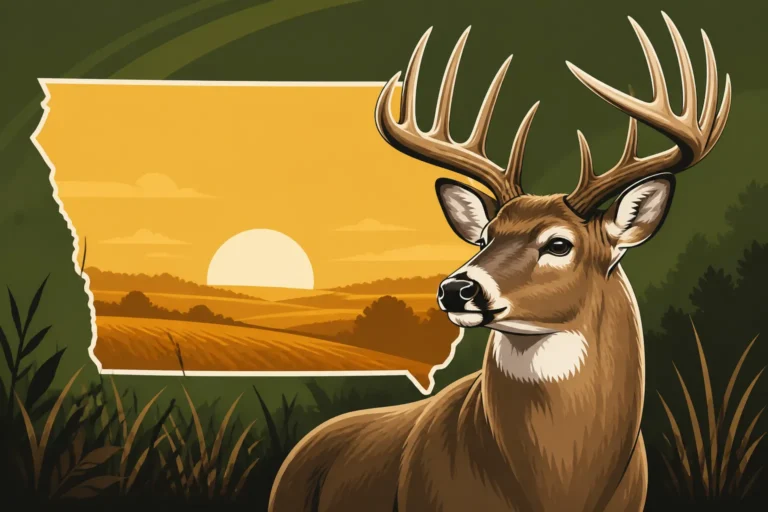
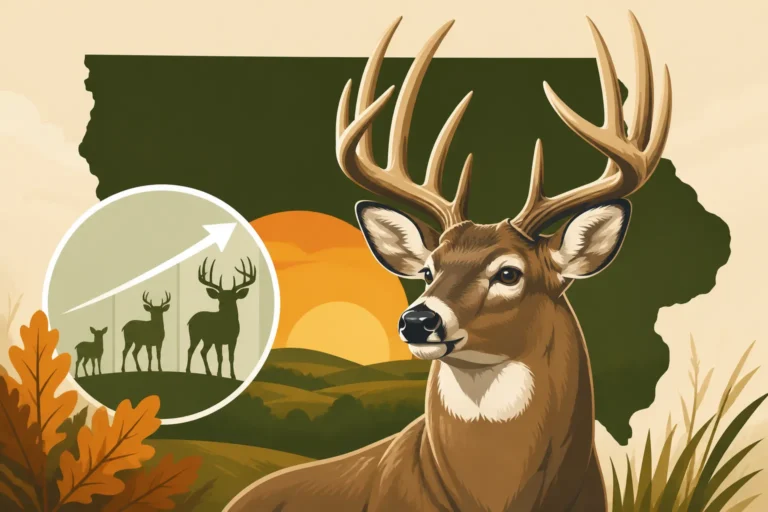
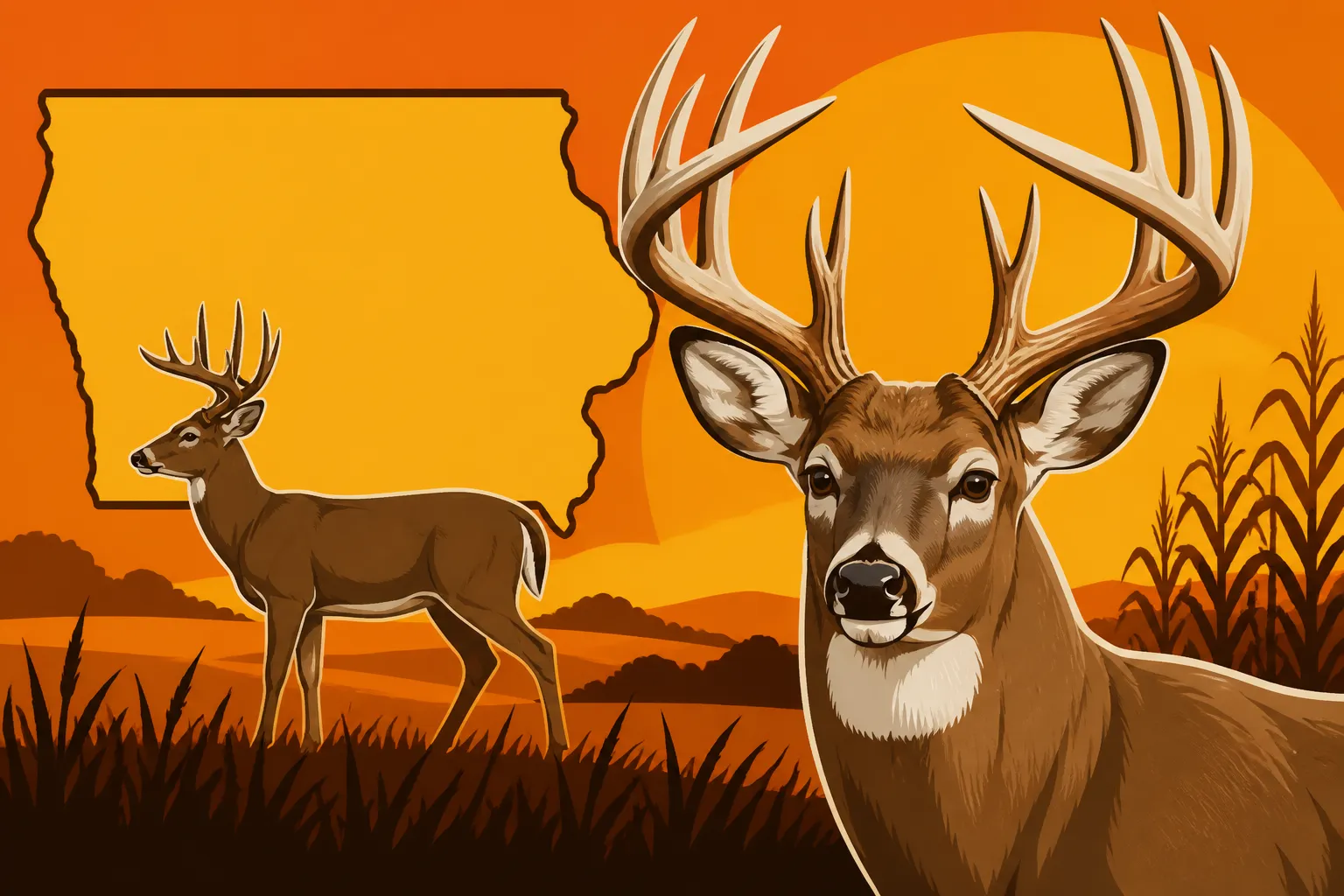
One of the most talked-about aspects of hunting in our beautiful state of Iowa is, without a doubt, the incredible size of our whitetail deer. Every hunter dreams of encountering a truly massive buck, but the reality can sometimes feel elusive. This comprehensive guide will peel back the curtain on Iowa whitetail body and antler size, offering realistic expectations, scientific insights, and practical knowledge to help you understand what makes our deer truly special.
Understanding Iowa's Reputation for Big Whitetails
Iowa has long held a near-mythical status among deer hunters, consistently producing some of the largest whitetail deer in North America, both in terms of body weight and antler growth. It’s not just hunter hype; the record books back it up. But what exactly contributes to this phenomenon? It’s a confluence of factors that create a near-perfect environment for whitetails to thrive and reach their full potential.
It’s easy to get swept up in the stories and photos of giant bucks, and sometimes that can lead to unrealistic expectations when you're actually out in the timber or patrolling a field edge. However, there's a solid foundation for why Iowa deer are so impressive. It's not magic, but rather a combination of specific environmental, biological, and management elements that come together perfectly here in the Hawkeye State.
The Role of Genetics and Nutrition
At the heart of Iowa's trophy deer legacy lies a potent combination of superior genetics and an unbelievably rich nutritional environment. While genetics lay the blueprint for a deer's potential size and antler development, it's the consistent availability of high-quality food that allows that potential to be fully realized. Our deer aren't just born big; they're fed incredibly well throughout their lives.
The highly fertile soils of Iowa are the engine driving this nutritional powerhouse. These soils produce some of the most nutrient-dense crops in the world, primarily corn and soybeans. Deer consume vast quantities of these crops, especially during the crucial spring and summer months when antlers are growing rapidly and body mass is being gained. This steady diet of protein, carbohydrates, and essential minerals like calcium and phosphorus provides the building blocks for massive body frames and impressive antler growth. Hunters often wonder, "What do Iowa deer eat to get so big?" The answer is often literally right next to their bedding areas: endless fields of nutritious crops. This consistent, high-quality food source is undeniably one of the biggest reasons Iowa whitetails achieve such impressive dimensions.
Favorable Habitat and Land Management
Beyond just food, Iowa offers an ideal mix of cover and relatively low hunting pressure in many areas, creating a safe haven for deer to mature. While much of Iowa is agricultural, there's also a critical network of timber, creek bottoms, and thick CRP (Conservation Reserve Program) fields that provide excellent bedding, fawning, and sanctuary areas. This mosaic of habitat allows bucks to age, which is arguably the most critical factor in antler development.
The way land is managed, particularly on private ground, also plays a significant role. Many landowners and hunting groups in Iowa are keenly aware of the state's potential for producing trophy deer and actively practice quality deer management (QDM) principles. This often involves letting younger bucks walk, focusing harvest efforts on antlerless deer to balance herds, and improving habitat. This strategic approach, coupled with the natural cover provided by timber and dense CRP, creates environments where bucks can live long enough to put on impressive inches of bone. To truly understand the bigger picture, it helps to examine Iowa Deer Habitat in Row Crop Country and how these diverse landscapes contribute to a thriving deer population.
Average Body Size of Iowa Whitetails
When you're out hunting, knowing what a "big" deer looks like isn't just about the antlers; it's also about the sheer mass of the animal. Iowa whitetails are renowned for their substantial body size, often appearing much larger than deer from other regions, even before you consider their racks. Understanding these average sizes can help you make better judgments in the field and set realistic expectations.
It’s easy to be fooled by perspective in the woods, especially when a deer is far away or moving quickly. But when you get up close to a mature Iowa buck or even a healthy doe, you'll often be struck by their incredible bulk. This impressive size is a testament to the robust food sources and favorable living conditions they enjoy.
Factors Influencing Body Weight
The average body weight of an Iowa whitetail is primarily influenced by age, nutrition, and genetics. Mature bucks, those typically 3.5 years old and older, will naturally be significantly heavier than younger bucks or does. They've had more time to consume nutrient-rich forage and build muscle mass. A mature Iowa buck can easily weigh 200-250 pounds live weight, with some giants pushing closer to 300 pounds in exceptional cases. Does also grow quite large, with mature females often tipping the scales at 130-180 pounds live weight.
Nutrition, as we've discussed, is paramount. Deer in areas with abundant corn, soybeans, and alfalfa will carry more fat and muscle than those in less productive habitats. The health of the overall herd also plays a role; in areas where the deer population is balanced with the available food, individual deer tend to be healthier and larger. Weather patterns, especially harsh winters, can impact body weight, but Iowa typically provides enough resources for deer to fare well. Understanding these nuances helps to appreciate how Soil Fertility and Antler Growth are intertwined, affecting not just racks but also the overall health and size of the animals.
Regional Differences Across Iowa
While Iowa as a whole boasts large deer, there can be subtle regional differences in body size. Deer in the more intensely agricultural areas, particularly central and northern Iowa, often show slightly heavier body weights due to the sheer abundance of high-calorie grain crops. Imagine a deer spending its entire life browsing on acres of corn and soybeans – it's a recipe for packing on pounds.
In contrast, deer in the timbered river bottoms of eastern Iowa or the rugged Loess Hills in the west, while still impressive, might be marginally lighter on average. These areas often have more diverse forage but perhaps slightly less concentrated, high-energy grain compared to the prime row-crop counties. However, these timbered areas still provide excellent nutrition and often produce incredible antler growth. It’s not a stark difference, but something seasoned hunters might notice. When planning your hunt, consider researching Iowa Deer Herd Numbers by County to get a sense of local populations and habitat types, which can indirectly relate to average deer size in that specific region.
Here's a general idea of live weight and dressed weight for Iowa whitetails:
| Deer Age/Sex Class | Estimated Live Weight (lbs) | Estimated Dressed Weight (lbs) |
|---|---|---|
| Fawn | 60-90 | 45-65 |
| Yearling Doe (1.5) | 100-120 | 75-90 |
| Mature Doe (2.5+) | 130-180 | 95-135 |
| Yearling Buck (1.5) | 130-160 | 95-120 |
| 2.5 Year Old Buck | 170-200 | 125-150 |
| 3.5 Year Old Buck | 200-250+ | 150-190+ |
| 4.5+ Year Old Buck | 220-280+ | 165-210+ |
Note: Dressed weight (or field-dressed weight) is typically 75% of the live weight, accounting for the removal of internal organs. These are averages and individual deer can vary widely.
Antler Growth and Typical Racks in Iowa
While body size is impressive, it's often the antlers that capture a hunter's imagination. Iowa is legendary for producing bucks with both exceptional mass and tine length, leading to high-scoring typical racks. Understanding how these impressive racks develop is key to appreciating the animals we pursue and making informed decisions in the field.
The sight of a heavy-antlered buck is what draws many to Iowa. But it's not just random luck; there's a predictable process to antler growth that, when combined with Iowa's rich environment, leads to those coveted heavy, tall racks. It’s a marvel of nature that we, as hunters, get to witness firsthand.
Age as the Primary Antler Driver
Hands down, the most crucial factor in a whitetail buck's antler size is age. A buck typically doesn't reach his full antler potential until he is 4.5 to 6.5 years old, sometimes even older. Younger bucks, even with excellent nutrition and genetics, simply haven't had enough seasons to put on the mass and length that define a true trophy.
Iowa's combination of dense cover, plentiful food, and generally conservative hunting pressure on bucks (especially on private land) allows a significant number of bucks to reach these older age classes. Many hunters, especially those focused on quality deer, make a conscious effort to let 1.5 and 2.5-year-old bucks walk, knowing that they will be much larger in a few more years. This commitment to allowing bucks to mature is a cornerstone of Iowa's trophy deer reputation and directly contributes to why the state consistently ranks high in Boone and Crockett and Pope and Young entries. Learning about Buck Age Structure in Iowa can give you further insight into this critical aspect of deer management.
Nutrition's Impact on Antler Quality
While age unlocks the potential, nutrition provides the raw materials. A buck’s diet, particularly during the antler growth phase from spring through late summer, directly influences the density, mass, and length of his antlers. Iowa's agricultural landscape, dominated by corn and soybeans, is an absolute goldmine for antler growth. These crops are packed with protein, carbohydrates, and essential minerals like calcium, phosphorus, and zinc – all vital for bone development.
Think of it like building a house: age is the architect, and nutrition is the supply of bricks, wood, and steel. Without quality materials, even a great blueprint won't result in a sturdy structure. Bucks that consistently have access to these high-energy, high-protein food sources year after year will exhibit significantly larger and heavier racks than those in less fertile areas. It’s why you’ll see incredibly thick bases and long tines on Iowa bucks, reflecting years of optimal health and dietary intake. The availability of Corn and Soybeans in a Deer Diet is not just about body size, but a direct correlation to antler quality.
Non-Typical Antlers and Record Book Potential
Beyond the classic, symmetrical typical racks, Iowa is also renowned for producing an astonishing number of non-typical whitetails. These unique and often massive racks are characterized by abnormal points, drop tines, and irregular formations that add to their mystique and often, their score. For many hunters, encountering a true non-typical monarch is a once-in-a-lifetime experience.
The allure of a non-typical rack is undeniable. It's the unique character, the story each twist and turn of bone tells, that makes them so captivating. While a perfect 10-point typical rack is a thing of beauty, a massive non-typical with unexpected points and incredible mass can leave an even deeper impression. Iowa has certainly earned its place in the history books for these magnificent deer.
The Allure of Non-Typical Racks
Non-typical antlers are those that deviate from the standard, symmetrical pattern. This can include extra points branching off typical tines, drop tines extending downwards, abnormal points off the main beam, or simply irregular antler growth. While genetics can play a role, injury to antlers during growth or injury to the pedicle (the base where antlers grow) can also lead to non-typical formations.
Iowa's environment, which promotes exceptional overall antler growth, naturally increases the chances of these unique formations occurring. When a buck is healthy and growing a lot of bone, there's simply more material for these anomalies to develop. The sheer size and mass of many Iowa bucks mean that even their non-typical points are often substantial. These racks are true individual works of art, and it's this individuality that makes them so sought after. Hunting a non-typical isn't something you can plan for; it's a serendipitous encounter with a truly unique animal. You might want to explore Scoring Typical and Non-Typical Racks to understand the differences in how these impressive antlers are officially measured.
Iowa's Boone and Crockett and Pope and Young Legacy
Iowa's consistent production of massive typical and non-typical whitetails has cemented its place at the top of the record books for both Boone and Crockett (firearms) and Pope and Young (archery) clubs. The state frequently ranks among the top states, if not the top state, for entries year after year. This isn't just a matter of pride; it's tangible proof of the quality of Iowa's deer herd.
The combination of age, nutrition, and genetics creates a perfect storm for trophy production. Hunters are able to spend time scouting and hunting areas that have a proven history of producing these giants. Tools like the GoHunt platform, while often associated with Western hunts, can be adapted by diligent hunters to research public land opportunities in Iowa. By digging into data on harvest reports or historical big buck locations, even for private land surrounding public parcels, you can get insights into counties or regions with higher potential for trophy animals. Iowa's big buck legacy isn't built on a few lucky breaks; it's the result of decades of careful management and a naturally rich environment. You can dive deeper into the state's historical successes by looking at Iowa Big Buck Records and Counties.
Managing Expectations and Ethical Hunting
While it’s thrilling to talk about giant Iowa whitetails, it’s crucial to approach hunting with realistic expectations. Not every deer you see will be a record breaker, and the pursuit of a true trophy can be a long and challenging endeavor. Ultimately, ethical hunting practices and contributing to a healthy deer herd should be at the forefront of every hunter's mind.
It's easy to get caught up in the "trophy fever" when you hear about Iowa's reputation. But the real joy of hunting, for most of us, comes from the experience itself – the challenge, the connection to nature, and the table fare. Setting realistic goals ensures that every hunt is rewarding, whether you punch your tag on a massive buck or not.
The Reality of Hunting Trophy Whitetails
Let's be honest: while Iowa has an abundance of big deer, they don't just walk out into every field. Hunting mature, trophy-class whitetails is incredibly challenging, requiring immense patience, skill, and often, a good dose of luck. The vast majority of deer harvested in Iowa are not Boone and Crockett contenders, and that's perfectly okay.
The average hunter, especially those new to Iowa or hunting public land, should focus on the experience and the opportunity to harvest a healthy deer. Chasing a specific antler score can lead to frustration and missed opportunities. Instead, enjoy the process of scouting, understanding deer movement, and executing a safe, ethical shot. The state’s generous doe tags and antlerless opportunities are fantastic for those looking for venison, and also play a vital role in balancing the herd. Sometimes, the most rewarding hunt isn't about the biggest antlers, but about the memories made and the connection to the land. You can learn more about specific hunting strategies in Iowa Whitetail Hunting Tactics Through the Rut.
Contributing to Healthy Deer Herds
Ethical hunting goes beyond legal compliance; it’s about being a responsible steward of the resource. For Iowa's deer herd to continue to thrive and produce impressive animals, it requires thoughtful management from all hunters. This often means making choices that benefit the long-term health of the herd.
Part of this stewardship involves understanding population dynamics and contributing to herd balance. Harvesting antlerless deer, especially in areas with high deer densities, is critical for preventing overpopulation, reducing disease transmission, and ensuring food resources are not depleted. Many hunters use tools like GoHunt to research herd health and population trends in specific units or counties, which helps them make informed decisions about their harvest. Knowing Iowa Antlerless Harvest Numbers and why they are important for herd health can help you contribute positively. Always prioritize a quick, clean kill, follow all tagging and reporting regulations, and respect the land you hunt. By doing so, we ensure that Iowa remains a premier destination for whitetail hunters for generations to come.
Disclaimer
The information provided in this guide is for general informational purposes only and is subject to change. Always consult the official Iowa Department of Natural Resources (DNR) regulations and guidelines before planning or engaging in any hunting activities. Hunting regulations can vary by season, weapon, and location, and it is the hunter's responsibility to be fully informed and compliant with all applicable laws.