Bobcats Returning to Iowa
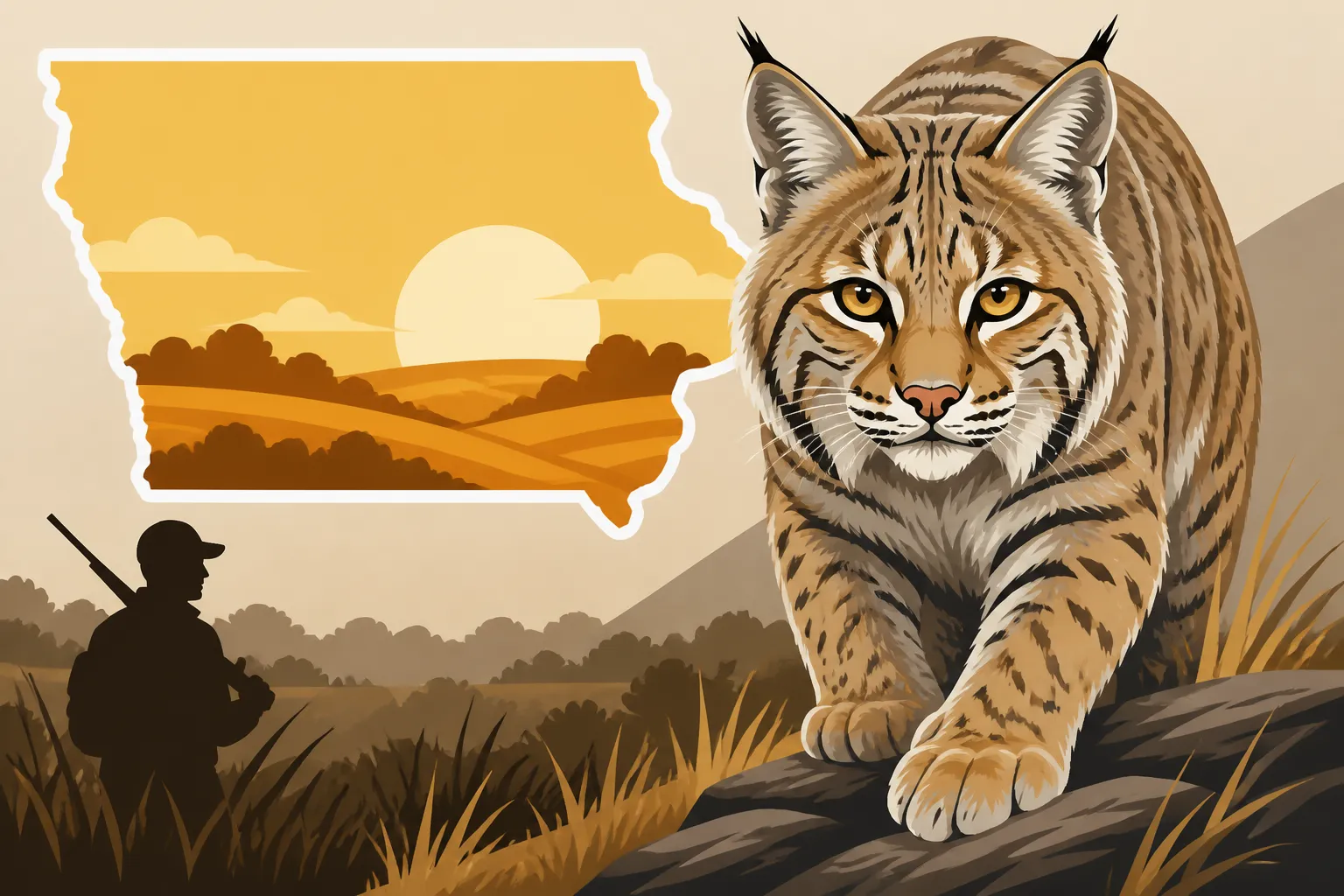
For many years, the idea of encountering a bobcat while hunting or exploring Iowa’s wilderness felt like a distant dream, almost mythical. We grew up hearing stories, but rarely saw evidence of these elusive predators. However, things have changed dramatically, and the resurgence of bobcats across our state is one of Iowa's most remarkable wildlife success stories. This guide will take a deep dive into the fascinating return of bobcats to Iowa, covering their history, current status, behavior, and what their presence means for all of us who cherish Iowa’s outdoors.
The Historical Absence and Resurgence of Bobcats in Iowa
It’s hard to imagine now, with the thriving bobcat populations we have, but there was a time when these beautiful creatures were on the brink of disappearing from Iowa entirely. Their journey back from the edge is a testament to dedicated conservation efforts and the resilience of nature itself.
Tracing Their Disappearance and Early Protection Efforts
If you talked to old-timers in Iowa, many would tell you that they hadn't seen a bobcat in decades. Historically, bobcats were quite widespread across Iowa’s diverse landscape. However, the relentless march of agricultural expansion in the 19th and early 20th centuries led to massive deforestation and habitat fragmentation, which hit these denizens of dense cover particularly hard. On top of that, unregulated hunting and trapping, often driven by bounties meant to protect livestock, pushed bobcat populations to critically low numbers. By the mid-20th century, many wildlife experts considered them extirpated from much of the state, or at best, existing in extremely isolated and vulnerable pockets.
Recognizing this dire situation, the Iowa Department of Natural Resources (IDNR) took crucial steps. Bobcats were afforded protected status, effectively halting all legal hunting and trapping. This wasn't just a simple rule change; it was a commitment to allowing these native predators the space and time they needed to recover without additional human pressure. For many years, sightings were exceedingly rare, treasured moments reported to the DNR, hinting at the slow, quiet process of recovery that was beginning to take hold in the most remote corners of our state.
Factors Contributing to Their Comeback
The turning point for Iowa's bobcats didn't happen overnight, but rather through a combination of environmental changes and sustained protection. A significant factor was the gradual regrowth of forested areas, particularly in southern and eastern Iowa. As marginal farmlands were abandoned or enrolled in conservation programs, timber began to reclaim hillsides and river bottoms. This provided the crucial dense cover, travel corridors, and denning sites that bobcats desperately needed. It created a welcoming habitat for them to expand their range from neighboring states like Missouri and Illinois, where populations had remained healthier.
Beyond habitat, the bobcat’s inherent adaptability played a vital role. These animals are masters of utilizing fragmented landscapes, making a living even in areas interspersed with agriculture, as long as sufficient cover and prey are available. A healthy prey base, including abundant populations of Squirrel and Rabbit Hunting in Iowa Timber and rodents, allowed the recovering bobcats to thrive. It wasn't a sudden boom, but a slow, steady expansion, demonstrating how persistent, long-term conservation efforts, coupled with nature’s own recovery mechanisms, can bring a species back from the brink.
Understanding Iowa's Bobcat Population and Distribution
The idea of encountering a bobcat in Iowa has shifted from a rare stroke of luck to a genuine possibility, especially in certain parts of the state. Knowing where they are and what their preferred haunts look like can significantly increase your chances of spotting one or even finding their sign.
Current Population Estimates and Geographic Strongholds
Today, bobcats are firmly re-established across much of the state, a truly remarkable conservation success story. While exact population figures for such elusive creatures are always challenging to pin down, the Iowa DNR consistently reports an increasing trend, and they are now found in the majority of Iowa's 99 counties. They are particularly concentrated in the timbered river breaks and the fringes of agricultural lands found throughout southern and eastern Iowa. These regions offer the perfect blend of dense cover and abundant prey. The IDNR utilizes various methods, including remote camera surveys, scent station surveys, and mandatory harvest reporting data, to monitor their numbers and distribution.
Counties bordering Missouri, such as Van Buren, Appanoose, Davis, and Wayne, frequently report higher densities and greater harvest numbers, making them prime bobcat country. Areas along major river systems—like the Des Moines, Iowa, and Cedar rivers—also provide ideal habitat corridors, facilitating their movement and expansion. While sightings might still be less common in central and northern Iowa, they are occurring more frequently, indicating a continued, gradual spread across the state. If you’re looking to pinpoint potential bobcat territory, using a robust e-scouting tool like GoHunt to analyze habitat in these strongholds, perhaps even cross-referencing with E-Scouting Iowa Farm Country From Home, can give you a significant advantage in identifying promising areas before you ever step foot in the field.
Habitat Preferences and Key Indicators of Presence
Bobcats are undeniably creatures of dense cover, masters of stealth and concealment. They truly thrive in mosaic landscapes that offer a diverse mix of mature timber, brushy draws, thickets of multiflora rose, patches of sumac, and rocky outcroppings. These specific types of habitat provide excellent ambush cover for their primary hunting activities and crucial security for their denning sites. Areas with robust populations of small game—think rabbits, squirrels, and various rodents—often found adjacent to Cedar and Locust Thickets as Bedding Cover or within creek bottoms and timbered ravines, are quintessential bobcat country. They need that thick stuff where they can disappear in an instant.
If you’re out in the woods and suspect bobcats might be in the area, look for specific signs. Their tracks are a good giveaway: typically round, about 1.5 to 2 inches in diameter, and almost always lacking visible claw marks because their claws are retractable, much like a domestic cat's. Scat can also be an indicator; it’s often segmented, rope-like, and frequently contains visible hair or bone fragments from their meals. While it’s rare, you might also find scratch posts—similar to what a house cat uses—on fallen logs or stumps in heavily timbered areas. And of course, the most exciting sign is a fleeting glimpse of the animal itself, identified by its distinctive short, "bobbed" tail and spotted coat. Even a quick flash can confirm their presence.
Bobcat Behavior and Ecology in the Iowa Landscape
Understanding how bobcats live and interact with their environment in Iowa is key to appreciating their role and successfully managing our expectations when we share the woods with them. They are more than just a fleeting glimpse; they are a vital part of the ecosystem.
Diet and Predatory Habits
Bobcats are quintessential opportunistic carnivores, and their diet in Iowa primarily consists of the small mammals that make up the backbone of our woodland ecosystems. Rabbits and squirrels are staples, providing a consistent food source, but they'll also readily prey on mice, voles, and other small rodents. They are incredibly efficient hunters, relying on a combination of acute senses, stealth, and a sudden burst of speed to ambush their unsuspecting prey. Their presence in an area can often be an indicator of a healthy small game population, as they contribute to the natural predator-prey balance that keeps ecosystems robust.
While small game forms the bulk of their diet, bobcats are certainly not above taking larger prey if the opportunity presents itself. You might hear stories of them preying on fawns, especially during the spring when young deer are vulnerable, or taking down a weakened adult deer. They are also known to prey on wild turkeys, particularly during nesting season when hens are on the nest or poults are young and easy targets. This diverse diet highlights their adaptable nature and places them in a complex ecological position, as they can influence the populations of multiple game species, a factor that the IDNR carefully considers in its broader wildlife management strategies, including those related to Iowa Deer Herd Management and Harvest.
Reproduction, Denning, and Kitten Rearing
The life cycle of a bobcat in Iowa is closely tied to the rhythm of the seasons, ensuring the best chances for survival. Female bobcats typically reach sexual maturity when they are about one year old and usually breed in late winter or early spring, often in February or March. After a gestation period lasting approximately 60 to 70 days, they give birth to a litter of one to six kittens, most commonly in April or May. These tiny, vulnerable kittens are born blind and helpless, completely dependent on their mother.
Dens are typically chosen for their seclusion and protective qualities. Common denning sites include rocky crevices, hollow logs, dense brush piles so thick you can barely see into them, or even abandoned burrows. The mother is a solitary parent, raising her litter alone and diligently teaching her kittens the essential hunting and survival skills they’ll need to make it on their own. The kittens will stay with her until they are roughly 9 to 11 months old, at which point they disperse to find and establish their own territories, usually before the next breeding season begins. This period of intense maternal care is absolutely critical for the survival and successful recruitment of young bobcats into the population.
Home Range and Movement Patterns
A bobcat's home range is a personal territory that can vary significantly in size, depending on a host of factors like the availability of food, the quality of the habitat, and the sex of the individual cat. Generally, male bobcats tend to have much larger territories, sometimes spanning 20 to 30 square miles, as they roam widely in search of mates and prey. Females, on the other hand, usually maintain smaller, more concentrated home ranges, often between 5 and 10 square miles, especially when raising kittens. While these individual ranges might overlap, direct, aggressive encounters between adult bobcats are typically rare as they mostly avoid each other.
Bobcats are most active during the crepuscular hours – that magical time around dawn and dusk. However, it's not uncommon to see them moving at any time of day or night, particularly when food is scarce or when they’re raising a demanding litter. Their movements are often highly strategic, utilizing natural travel corridors such as Reading an Iowa Timber Draw for Deer Sign or following along creek bottoms and wooded edges, which provide excellent cover and easier navigation through the landscape. They are absolute masters of blending into their surroundings, using every bit of shadow and brush to remain unseen, making them incredibly difficult to spot, even when you know they are present in an area. You might even use a mapping tool on GoHunt to analyze potential travel corridors and pinch points.
Iowa's Bobcat Management and Trapping/Hunting Regulations
The return of bobcats to Iowa is a true success story, but it's not a free-for-all. Sustainable management is crucial to ensure these magnificent animals continue to thrive while also providing opportunities for responsible harvest. The IDNR plays a pivotal role in this delicate balance.
Monitoring Programs and Conservation Efforts
The Iowa Department of Natural Resources (IDNR) maintains a comprehensive system for monitoring bobcat populations, which is absolutely critical for long-term sustainability. This isn't just guesswork; it involves mandatory harvest reporting from both trappers and hunters, which provides direct, verifiable data on the number of animals taken each year. This harvest data is then combined with various field surveys, such as remote camera trapping studies, genetic analyses, and scent station surveys, which offer insights into population densities, reproductive success, and overall distribution. This robust data collection allows the IDNR to assess the health of the bobcat population and ensure that any harvest quotas are set at sustainable levels. They’ve done an incredible job bringing these animals back from near extirpation, and now the focus is on maintaining that healthy balance. This careful monitoring also contributes to broader Iowa Furbearer Harvest Trends data, helping manage all furbearer species.
Conservation efforts for bobcats extend far beyond just setting seasons and quotas. Habitat improvement projects across the state, often aimed at benefiting other game species like deer, wild turkeys, and pheasants, indirectly but significantly support bobcats by increasing prey populations and providing more extensive, connected patches of suitable cover. For instance, projects that enhance timber stands, create brush piles, or restore riparian corridors all create better environments for bobcats. Understanding the complex population dynamics of bobcats, including their interactions with other species and their resilience to environmental changes, is paramount. The IDNR meticulously uses all available information, including harvest data and even citizen sightings, to make informed, adaptive management decisions that benefit both the bobcats and the entire ecosystem they inhabit.
Seasons, Quotas, and Harvest Reporting
For those interested in pursuing bobcats, it’s vital to understand that Iowa offers regulated hunting and trapping seasons, but these are subject to very specific rules and county-by-county restrictions. The seasons typically open in early November and run through January, coinciding with the prime furbearer season when pelts are at their best. However, it is absolutely crucial to note that not all counties are open for bobcat harvest, and strict annual quotas are set for each open zone or county. These quotas are established based on the previous year's population data and harvest trends, designed to prevent overharvest and ensure population stability. It’s not uncommon for these quotas to be met quickly, sometimes within days or weeks of the season opening, particularly in high-density areas. This means staying informed about current regulations and potential closures is critical; a mapping and information resource like GoHunt can be invaluable for real-time updates on season closures and specific zone boundaries, ensuring you're always hunting or trapping legally.
If you are fortunate enough to harvest a bobcat, prompt and accurate reporting to the IDNR is mandatory. This usually means reporting your harvest within 24 to 48 hours, depending on the specific regulations for that year. Furthermore, the harvested animal must be presented to an IDNR official for CITES tagging. CITES (Convention on International Trade in Endangered Species of Wild Fauna and Flora) tags are an international requirement for certain furbearers, especially those that were historically protected or have sensitive populations. This tagging process ensures that all legally harvested bobcats can be traced and helps prevent illegal trade. Failing to report a harvest or obtain a CITES tag can lead to significant legal penalties, so make sure you’ve thoroughly reviewed the current Iowa hunting and trapping regulations, especially regarding your Iowa Furharvester Licence and the specific tagging requirements, well before you head out.
| Season | Dates (Approx.) | Weapon Type | Quota System | Mandatory Reporting | CITES Tagging |
|---|---|---|---|---|---|
| Trapping | Early November – Late January | Various traps, snares | County-specific, annual quotas | Yes, within 24-48 hours | Yes, by IDNR official |
| Hunting | Early November – Late January | Firearm, Archery | County-specific, annual quotas | Yes, within 24-48 hours | Yes, by IDNR official |
Coexisting with Bobcats and Responsible Wildlife Viewing
The successful return of bobcats is a cause for celebration, but it also brings a responsibility for us to learn how to coexist peacefully and ethically with these wild neighbors. Minimizing conflicts and practicing responsible viewing ensures a positive future for both bobcats and Iowans.
Minimizing Conflicts with Livestock and Pets
While bobcats primarily rely on wild prey, their opportunistic nature means that, in rare instances, they might target small domestic animals. This can be a genuine concern for rural homeowners, especially those with outdoor cats or small poultry. The frustration of losing a beloved pet or valuable livestock to a wild predator is completely understandable and deeply felt. It's important to remember that a bobcat is simply acting on its natural instincts, but we can take steps to minimize these interactions. The best defense is proactive management: keep pets indoors, particularly at night when bobcats are most active, and ensure that poultry coops are robustly secured with sturdy fencing and a roof.
Beyond direct protection, removing attractants can significantly reduce the likelihood of a bobcat venturing too close to your home or farm buildings. This includes securing pet food, disposing of trash properly in bear-proof (or in this case, bobcat-proof) containers, and clearing dense brush piles or overgrown areas directly adjacent to your residential structures. These actions make your property less inviting as potential habitat or a hunting ground for a bobcat. While rare, understanding their behavior and taking preventative measures can help maintain a healthy distance between our domestic lives and the wild lives of these magnificent felines.
Ethical Viewing and Photography Practices
If you're lucky enough to spot a bobcat in the wild, it's an incredibly rare and special experience, a moment to treasure. These animals are masters of camouflage and stealth, so any sighting is a gift. The most important rule of thumb is to observe from a distance. Never, under any circumstances, approach a wild bobcat, and absolutely never attempt to feed one. Feeding habituates wild animals to humans, which is a dangerous path for both the animal and people. It can lead to bold behavior that ultimately makes the bobcat vulnerable to conflict and often results in its removal or euthanasia. Your goal should always be to leave the animal completely undisturbed, allowing it to continue its natural life without human interference.
For those interested in wildlife photography, capturing an image of a bobcat requires immense patience and skill. A telephoto lens is your best friend, allowing you to maintain a respectful and safe distance while still getting incredible shots. Quiet observation from a concealed position will yield far better results than any attempt to get close. Remember, the bobcat’s welfare comes first. Respecting their space and privacy ensures that these magnificent predators can continue to thrive and expand their range in Iowa, adding a vital layer of wild beauty and ecological balance to our diverse landscape. For those fascinated by Iowa's top predators, diving into more information on Iowa Predators and Furbearers can provide even greater context.
Disclaimer
Please note that hunting and trapping regulations in Iowa can change. Always consult the latest official Iowa Department of Natural Resources (IDNR) regulations booklet or website before engaging in any hunting or trapping activities. This article is for informational purposes only and does not constitute legal advice or an endorsement of any specific product or brand mentioned.