Iowa Furharvester Licence
Navigating the world of hunting and trapping licenses in Iowa can feel like deciphering a complex legal document, leaving many aspiring furharvesters scratching their heads about what they really need to be compliant. You want to get out there, enjoy the rich wildlife Iowa offers, and maybe even put some pelts up, but the thought of running afoul of the DNR due to a forgotten permit is a genuine headache. This comprehensive guide is designed to cut through the confusion, explaining exactly what an Iowa Furharvester Licence entails, how to get one, and the crucial regulations you need to know to pursue furbearers ethically and legally across the Hawkeye State.
Understanding the Iowa Furharvester Licence: Your Gateway to Trapping and Predator Hunting
For many Iowans and nonresidents alike, the thought of chasing coyotes through a snowy field or setting traps along a creek bank evokes a deep connection to the land and a tradition passed down through generations. But before you grab your calls and waders, understanding the specific requirements for pursuing furbearers is paramount. The Iowa Furharvester Licence is more than just a piece of paper; it’s your legal permission slip to engage in these activities, ensuring that you’re contributing to conservation efforts and adhering to the state’s management strategies for these valuable species.
What the Furharvester Licence Covers
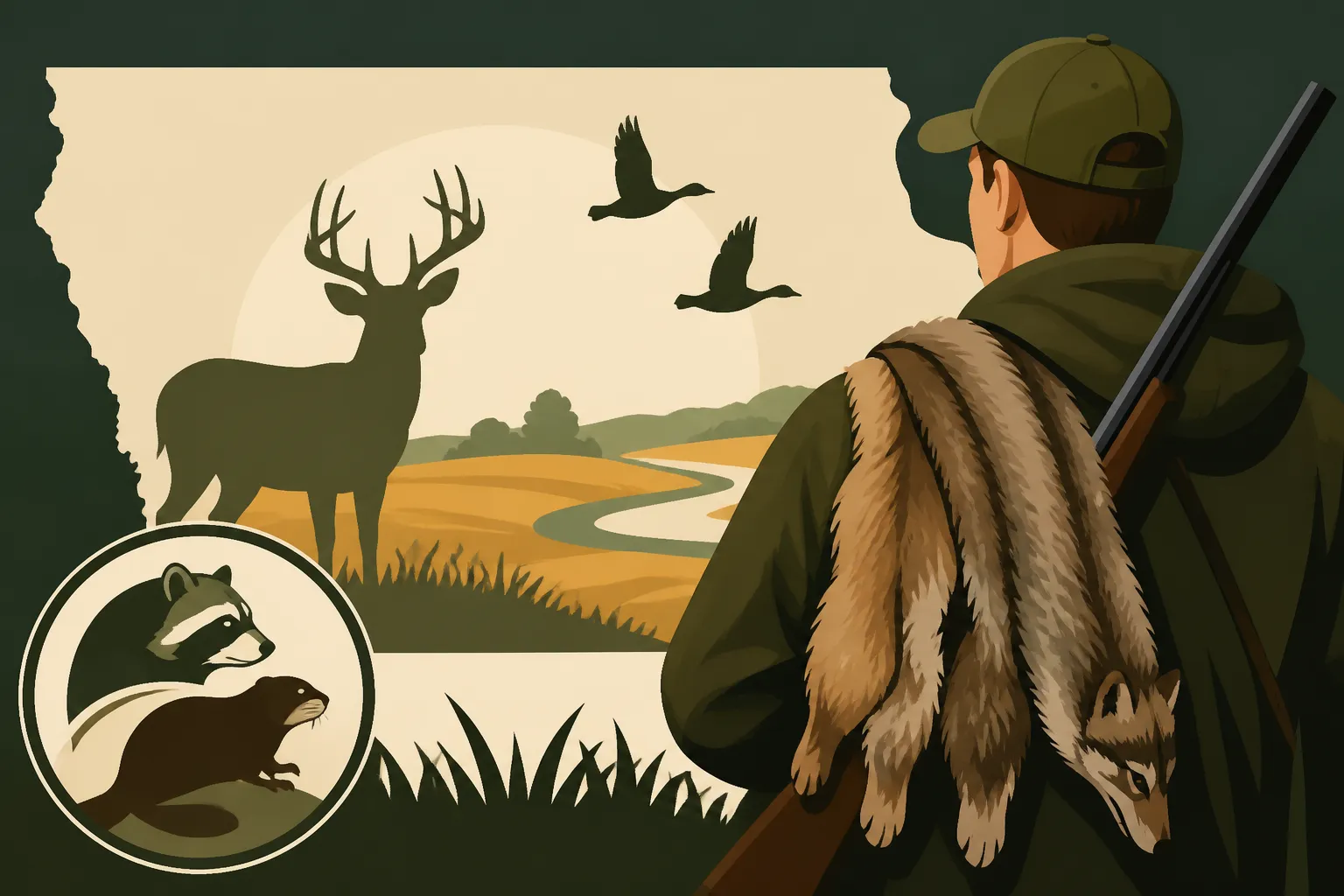
The Iowa Furharvester Licence is your all-encompassing permit for hunting, trapping, or otherwise pursuing furbearing animals within the state. When we talk about furbearers in Iowa, we’re typically referring to a diverse group of animals, each with its own characteristics and habitat preferences. This includes common species like raccoons, opossums, skunks, and coyotes, which can often be found in agricultural landscapes and timber edges. It also covers more aquatic species such as mink, muskrat, and beaver, whose presence is strongly tied to Iowa’s extensive network of rivers, streams, and wetlands. Additionally, it extends to elusive animals like red and gray fox, weasels, and the highly sought-after bobcat and river otter, which have stricter management plans due to their population dynamics.
Having this license means you’re authorized to engage in various methods of take, from setting traps and snares to hunting with firearms or archery equipment, all within the bounds of specific season dates and regulations for each species. It’s important to recognize that this single license streamlines the process, rather than requiring separate permits for each furbearer or method. However, it doesn't replace a general hunting license or a habitat fee, which are often prerequisites or companion purchases.
Who Needs a Furharvester Licence in Iowa?
The requirement for an Iowa Furharvester Licence is pretty straightforward: generally, any resident or nonresident, regardless of age, who intends to hunt, trap, or pursue furbearing animals must possess one. There are, however, a couple of nuances that are important to grasp.
For instance, resident Iowa youth who are 15 years of age or younger typically don't need a Furharvester Licence themselves if they are accompanied by a properly licensed adult. This mentorship rule is fantastic for introducing the next generation to the joys and responsibilities of furharvesting. However, many youth still choose to obtain their own free youth furharvester license, especially if they’ve completed their hunter education, as it allows them to participate independently within the rules. It also provides valuable data for the DNR on youth participation.
Nonresidents, on the other hand, have fewer exceptions. If you’re visiting Iowa from out of state with the intent to trap muskrats or hunt coyotes, that nonresident furharvester license is non-negotiable. This ensures that everyone contributing to the harvest of Iowa’s furbearer populations is properly accounted for and supporting the state’s wildlife management programs through their license purchase. It’s always best to err on the side of caution; if you’re unsure, getting the license is the safest and most responsible course of action.
Navigating Licence Types, Costs, and Application
Once you understand why you need a furharvester licence, the next step is figuring out how to get one and what it'll cost you. Iowa, like most states, has different pricing structures and application methods depending on your residency status and age. It's designed to be accessible but also ensures that those who benefit from the state's natural resources are contributing their fair share to conservation.
Resident vs. Nonresident Furharvester Options
The primary distinction in Iowa's licensing system is between residents and nonresidents. As you might expect, residents enjoy significantly lower prices, a common practice aimed at providing affordable access to a state's citizens who already contribute to its tax base and conservation efforts.
For Iowa residents, an annual Furharvester Licence typically costs around $28. This price, however, doesn't always tell the whole story. Many hunting and fishing licenses in Iowa also require the purchase of a state habitat fee, which usually runs about $13. If you've already bought another hunting or fishing license for the current year that included the habitat fee, you won't need to pay it again. But if the furharvester license is your first purchase of the year, expect to add that fee. Some vendors might also include a small writing fee, often $1.00, so the total for a resident might be closer to $42 for the year if it's their first license with a habitat fee.
Nonresidents face a higher price tag, which is standard across nearly all states for out-of-state hunters and trappers. A nonresident annual Furharvester Licence typically costs around $215. Similar to residents, nonresidents also need to factor in a habitat fee, which for them is usually about $15. This brings the total cost for a nonresident Furharvester Licence to approximately $230. While a steeper investment, it grants you access to Iowa's renowned furbearer populations and some fantastic opportunities. You might also find that this is more expensive than an Iowa Nonresident Small Game Licence Cost, which covers species like pheasants and rabbits but not furbearers.
Iowa also offers lifetime licenses for residents, which are a fantastic investment for those committed to a lifetime of outdoor pursuits. While the initial cost is higher, it locks in your access and saves money over many years. Prices vary by the age at which the license is purchased.
The Application Process: Getting Your Licence in Hand
Thankfully, getting your Iowa Furharvester Licence is a fairly straightforward process, designed to be convenient for today's busy outdoors enthusiasts. The most popular method is through the Iowa DNR's online licensing system, accessible via the Go Outdoors Iowa portal. This platform is incredibly user-friendly and allows you to purchase your license from the comfort of your home, print it immediately, or store it digitally on your phone. Many hunters and trappers find using online resources like GoHunt, which often compile state regulations and application details, helpful for planning their season, even if it's primarily geared towards big game. This digital option also helps ensure you're always carrying your valid license, whether it's on your smartphone or a physical copy.
If you prefer a more traditional approach, you can purchase your license in person at hundreds of authorized license vendors located throughout the state. These vendors typically include local sporting goods stores, bait shops, and even some county recorder offices. They can print your license on the spot and answer basic questions. This can be particularly helpful if you're traveling through an area and realize you need to pick up a license last minute. Just be sure to check their operating hours before you go!
Hunter Education and Other Prerequisites
For many aspiring furharvesters, there’s an important prerequisite to consider: hunter education. In Iowa, anyone born after January 1, 1972, must successfully complete a hunter education course to legally purchase a hunting license, which includes the Furharvester Licence. This requirement ensures that hunters and trappers are familiar with firearm safety, ethical hunting practices, wildlife identification, and state regulations, promoting responsible behavior in the field.
The Iowa DNR offers several ways to fulfill this requirement, including traditional in-person courses that provide hands-on experience and online courses that offer flexibility. Completing hunter education is a valuable step, not just for legal compliance but for becoming a more knowledgeable and safer participant in the outdoors. For those new to hunting, exploring options like the Iowa Apprentice Hunting Licence might offer a pathway to learning while under the direct supervision of an experienced hunter before fully committing to hunter education, though the furharvester license typically requires full completion for adults born after 1972. You can learn more about specific requirements by checking Iowa Hunter Education Requirements.
Essential Regulations and Best Practices for Iowa Furharvesters
Once you have your Furharvester Licence in hand, understanding and adhering to Iowa's specific regulations for furbearers is absolutely crucial. These rules aren't just bureaucratic red tape; they are carefully crafted by the Iowa DNR to manage furbearer populations responsibly, ensure ethical take, and maintain public safety. Ignoring them can lead to significant penalties, not to mention a negative impact on wildlife.
Furbearer Season Dates and Bag Limits
Iowa has carefully structured seasons for various furbearer species, which can differ based on whether you're hunting or trapping. These dates are established to align with biological cycles, ensuring that harvest occurs at times when pelts are prime and breeding cycles are not unduly disrupted.
For many of the more common furbearers like raccoon, opossum, skunk, and weasel, hunting and trapping seasons typically open in early November and run through late January or early February. This period often coincides with colder weather, which improves fur quality. Species like mink and muskrat, being primarily aquatic, tend to have slightly longer seasons, sometimes extending into March or April, especially for trapping. Beavers, often targeted for nuisance control as well as fur, also have extended seasons.
Coyotes, being a species that can have a significant impact on other wildlife and livestock, have a continuous open season year-round for hunting. This allows landowners and hunters to manage their populations throughout the year. However, trapping seasons for coyotes generally align with other furbearers in the colder months. Red and gray fox seasons also follow similar patterns to raccoons.
The most restrictive seasons are reserved for bobcats and river otters. These species are managed under strict quotas and limited zones, primarily in southern Iowa, where their populations are strongest. Obtaining a bobcat or otter tag usually requires a separate process, often linked to the general furharvester license, and there are mandatory harvest reporting requirements for these animals. It's always a good idea to consult the Iowa Regulation Booklet Release Date each year to ensure you have the most up-to-date information on Iowa Trapping Season Dates for all species. There are generally no daily or season bag limits for most furbearers like raccoons or coyotes, but bobcat and otter have strict limits and often require a special carcass tag.
Trapping Methods and Legal Set Restrictions
Trapping is an ancient skill that demands both knowledge and respect for the land and animals. Iowa's regulations ensure that traps are used humanely and responsibly. Key rules include:
- Trap Checking: All traps, snares, and conibear-type traps must be checked at least once every 24 hours. This ensures that any captured animal is dealt with promptly and humanely, minimizing stress and suffering.
- Setback Distances: You cannot set a trap or snare within 200 yards of an inhabited dwelling or public building without the occupant's permission. This is a crucial safety and nuisance rule, especially in Iowa's patchwork of rural residences and farmsteads.
- Trap Types: Foothold traps, body-gripping traps (like Conibear), and snares are generally legal, but there are specific size restrictions and usage guidelines. For instance, snares must have a breakaway device or be of a certain diameter wire to prevent strangulation of larger non-target animals if set in specific areas. Exposed bait cannot be used with snares.
- Drowning Sets: While legal for aquatic furbearers, there are specific guidelines for how these sets must be constructed to ensure quick dispatch.
- Trap Tags: All traps, snares, and conibear devices must have a metal tag attached, legible and showing the trapper’s name and address or DNR customer ID number. This allows conservation officers to identify the owner and ensures accountability.
- Permission: Trapping on private land always requires explicit permission from the landowner. It's not just polite; it's the law.
Understanding these rules is vital for anyone planning to set a trap line. Ignoring them can lead to significant fines and loss of trapping privileges.
Hunting Furbearers: Rules for Predator Pursuits
Hunting furbearers, particularly coyotes and fox, has grown immensely in popularity. Iowa offers abundant opportunities for these pursuits, often extending into the night for predators.
- Legal Shooting Hours: While many hunting seasons are restricted to daylight hours, coyotes and fox can be hunted at night. However, there are specific regulations regarding the use of artificial lights, which are generally permitted when hunting furbearers on foot. Check specific county or local ordinances, as some areas may have stricter rules.
- Weapon Choices: Standard hunting firearms, bows, and crossbows are legal for hunting furbearers. There are no specific caliber restrictions for coyotes or fox, giving hunters a wide range of choices. This is where topics like Coyote Calling in Iowa Farm Country become extremely relevant, as hunters might use a variety of firearms from centerfire rifles to shotguns depending on their setup.
- Electronic Calls: Electronic calls are perfectly legal for hunting furbearers in Iowa, making them a popular tool for predator hunters trying to mimic distress calls or barks to attract animals.
- Private Land Access: Just like trapping, hunting furbearers on private land requires prior permission from the landowner. Public lands are open, but always double-check specific area regulations.
The thrill of calling in a coyote or stalking a fox under the moonlight is a unique experience, but it must be done within the confines of Iowa law.
Critical Reporting Requirements and Wildlife Health Considerations
For most common furbearers like raccoons or coyotes, there isn't a mandatory individual harvest reporting requirement. However, the Iowa DNR conducts surveys after seasons to estimate overall harvest numbers, which is crucial for population management. If you receive one of these surveys, participating is important to contribute to sound wildlife decisions.
However, for protected and quota-managed species like bobcat and river otter, mandatory harvest reporting is required. If you are lucky enough to harvest one of these animals, you must report it to the DNR by a specific deadline and often have the carcass tagged by a DNR official. Failure to report these harvests can result in serious penalties. It's vital to know the Iowa Wildlife Violation Penalties to avoid legal trouble.
Beyond reporting, furharvesters play a role in monitoring wildlife health. If you encounter sick or diseased animals, or notice unusual die-offs, reporting this to the Iowa DNR is invaluable. This helps track diseases that could impact wildlife populations or even domestic animals. Proper carcass disposal, especially for animals harvested from areas with disease concerns, is also a best practice. For example, while more relevant to deer, understanding Carcass Transport Restrictions for CWD zones can also provide insight into general disease prevention for all harvested animals.
Making the Most of Your Iowa Furharvesting Opportunities
Once you're squared away with your licence and regulations, it's time to think about how to actually put those skills to use. Iowa's diverse landscape offers incredible opportunities for furharvesters, but success often comes down to strategy, ethical conduct, and respect for the land and its creatures.
Scouting and Strategy for Iowa Furbearers
Effective furharvesting starts long before the season opens. Scouting is absolutely critical. For trappers, this means identifying pinch points along creeks and rivers for mink and muskrat, locating beaver runs and dam systems, and finding travel corridors used by raccoons and opossums near agricultural fields or timber edges. For predator hunters, scouting involves identifying areas with good deer or small game populations (which are primary food sources for coyotes and fox), as well as looking for fresh tracks, scat, and active dens. Online mapping tools, including some general platforms like GoHunt that provide satellite imagery and land ownership overlays, can be incredibly useful for pre-season scouting, helping you identify potential hotspots and plan your access routes efficiently.
Understanding the habits of individual species is also key. Raccoon Numbers and Fur Prices often correlate with how many trappers target them, and knowing their nocturnal patterns and preferred foods (corn, acorns, crayfish) helps immensely. Bobcat Range Across Iowa is concentrated in the southern counties, so if you're targeting them, you'll need to focus your efforts there and understand their elusive nature and need for dense cover. For coyotes, understanding their social structure and how they respond to calls is paramount. Developing a keen eye for sign and spending time in the field before you even set a trap or take a shot will dramatically increase your chances of success.
Ethical Practices and Respecting Landowners
Furharvesting, like all hunting, carries a strong ethical responsibility. This isn't just about following the law, but about upholding the integrity of the sport and ensuring the long-term health of wildlife populations. Ethical practices include:
- Humane Methods: Using proper trap sizes and setting techniques that ensure quick, humane dispatch of animals. Checking traps regularly, as required by law, is a critical part of this.
- Targeting Species: Being able to identify your target species correctly and avoiding non-target animals.
- Resource Conservation: Not wasting any part of a harvested animal, whether it's the fur or the meat (for edible species).
- Leaving No Trace: This is especially important on public lands or when crossing private property. Pack out everything you pack in, and minimize your impact on the environment. Learning how to properly apply Leaving No Trace on Iowa Walk-In Ground is an essential skill for any outdoors enthusiast.
- Respecting Landowners: If you are hunting or trapping on private land, always secure clear, explicit permission from the landowner before you go. Be clear about your intentions, respect their property, and consider offering them some of the harvest as a token of appreciation. A good relationship with a landowner is invaluable for future opportunities. Also, make sure you understand Iowa Party Hunting Rules if you're out with a group, as they apply to all hunting activities.
By adhering to these ethical standards, you not only improve your own experience but also help ensure a positive public perception of furharvesting and secure future opportunities for everyone.
| Furbearer Species | Typical Hunting Season | Typical Trapping Season | Notes |
|---|---|---|---|
| Coyote | Year-round | Nov. – Jan./Feb. | Night hunting legal with restrictions; no bag limit |
| Red/Gray Fox | Nov. – Jan./Feb. | Nov. – Jan./Feb. | No bag limit |
| Raccoon, Opossum | Nov. – Jan./Feb. | Nov. – Jan./Feb. | No bag limit; often targeted near water and agriculture |
| Skunk, Weasel | Nov. – Jan./Feb. | Nov. – Jan./Feb. | No bag limit |
| Mink, Muskrat | Nov. – March/April | Nov. – March/April | Primarily aquatic species; no bag limit |
| Beaver | Nov. – March/April | Nov. – March/April | No bag limit; often trapped for nuisance control |
| Bobcat | Limited Season (by zone) | Limited Season (by zone) | Strict quota, mandatory reporting, specific tags, southern Iowa |
| River Otter | Limited Season (by zone) | Limited Season (by zone) | Strict quota, mandatory reporting, specific tags, statewide but limited |
Note: These are general season dates. Always consult the current Iowa DNR hunting and trapping regulations booklet for precise, up-to-date dates and specific county or zone restrictions before heading afield.
Disclaimer
The information provided in this guide is for general informational purposes only and is not a substitute for official legal advice or the current Iowa DNR hunting and trapping regulations. Regulations can change annually. It is the responsibility of every hunter and trapper to consult the most current Iowa hunting and trapping regulations booklet and to fully understand and comply with all applicable laws before engaging in any furharvesting activities.