Where CWD Was First Found in Iowa
The specter of Chronic Wasting Disease (CWD) hangs heavy over the minds of many Iowa hunters, casting a shadow of uncertainty on the future of our deer herd. It's a concern that cuts deep, impacting not just our hunting experiences but also the health of the wildlife we cherish. This guide is here to shed light on a crucial piece of this puzzle: where CWD first made its unwelcome appearance in Iowa and how that initial discovery shaped the path forward for hunters and wildlife managers alike.
The Initial Discovery: Where CWD First Surfaced in Iowa
For years, Iowa stood as one of the last bastions in the Midwest without a confirmed case of Chronic Wasting Disease in its wild deer herd. We knew it was out there, creeping closer from neighboring states, and it was a constant, low-level worry. But that changed, and the story of CWD in Iowa really begins with that first, pivotal detection.
The Moment of Detection and Its Significance
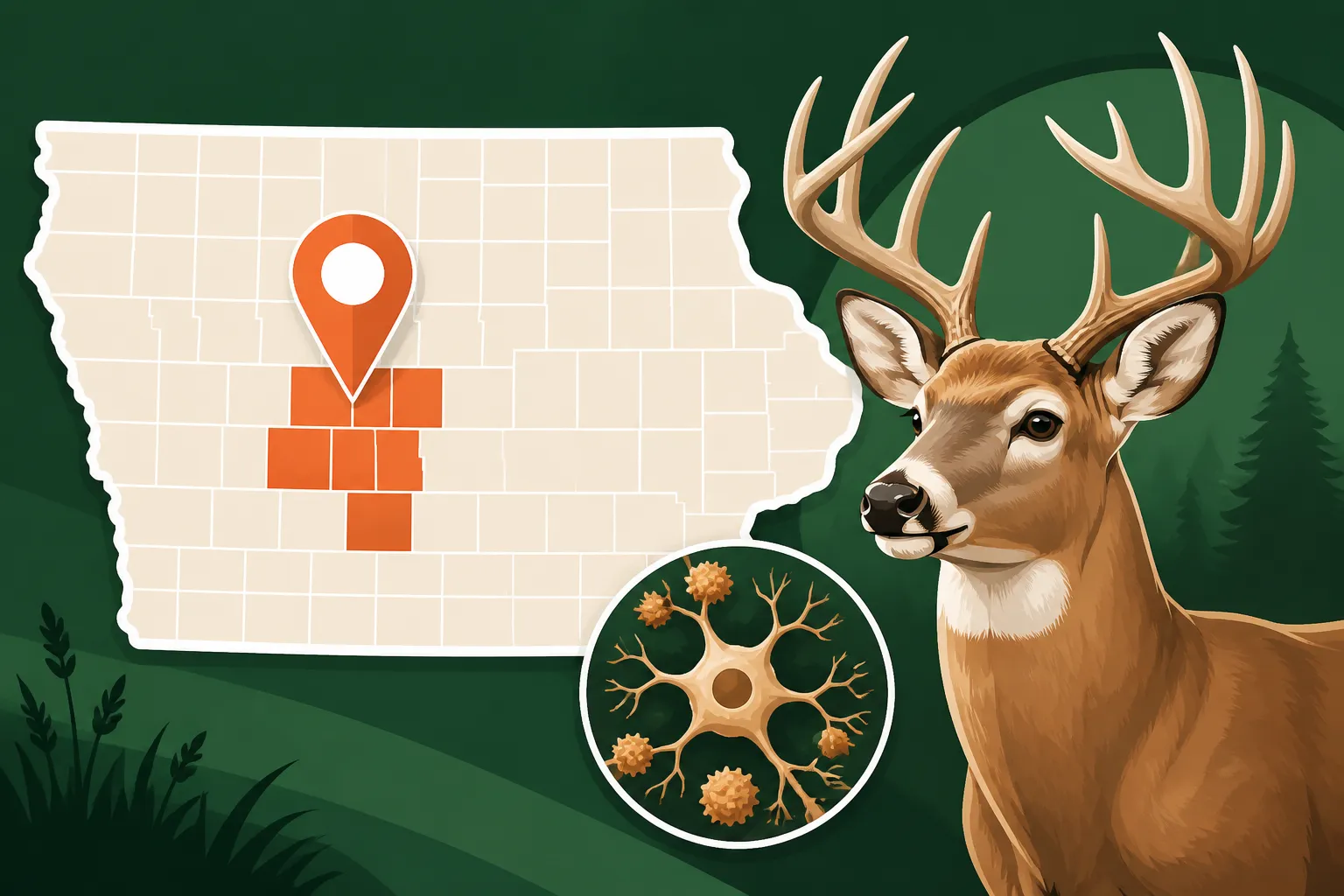
The unwelcome news broke in 2013. The very first positive test for CWD in Iowa's wild deer herd came from an adult doe harvested in Allamakee County, specifically in the northeastern corner of the state. I remember the feeling, that collective gasp among hunters. It wasn't entirely unexpected, given the proximity to other states where CWD was already established, but it was still a punch to the gut. Allamakee County, with its rugged bluff country, dense timber, and proximity to Wisconsin and Illinois (both states with CWD), was unfortunately a prime candidate for the initial incursion. This wasn't just another statistic; it was confirmation that the disease had officially breached our borders and was now a tangible threat to the deer we pursue. It meant a shift in how we all had to think about deer management and our personal responsibility as hunters.
Early Suspicions and Confirmed Cases
Before the 2013 confirmation, the Iowa Department of Natural Resources (DNR) had been conducting surveillance for CWD for many years. They weren't sitting idly by, I can tell you. They were actively testing deer, especially those harvested near state borders or exhibiting any unusual behaviors. There were suspicions, of course, as the disease was identified in Wisconsin and Illinois. Hunters themselves were often the first line of defense, noticing sick or emaciated deer and reporting them. When that Allamakee County doe tested positive, it triggered an immediate and intensified response. Suddenly, the focus wasn't just on monitoring, but on understanding the extent of the spread. Following that initial case, additional sampling efforts were concentrated heavily in the surrounding areas. It didn't take long for more positives to emerge in Allamakee and nearby counties, confirming that this wasn't an isolated incident, but rather the beginning of an established presence. This initial cluster of cases really underscored the need for widespread education on topics like Chronic Wasting Disease in Iowa Deer and How CWD Spread Across Iowa Counties.
Understanding CWD: A Deeper Dive for Hunters
It's natural to hear "CWD" and feel a surge of concern. As hunters, we're intimately connected to the health of the herd. To truly grasp why this initial discovery was so significant, and why it continues to be a top concern, we need to understand what CWD actually is and how it impacts deer. It’s not just about a sick deer; it’s about a complex disease with long-term implications.
What Chronic Wasting Disease Really Is
Chronic Wasting Disease is a neurological disease that affects cervids – deer, elk, and moose. It's caused by abnormal proteins called prions, which slowly accumulate in the brain and other tissues. Think of it like a zombie disease for deer, though it's much slower and less dramatic than Hollywood portrays. These prions cause progressive damage to the brain, leading to a host of debilitating symptoms over time. Affected animals often show dramatic weight loss (hence "wasting"), behavioral changes, excessive salivation, difficulty walking, and a general decline in health. The disease is invariably fatal, and there is currently no cure or vaccine. This long incubation period, sometimes years, means a deer can be infected and spreading the disease without showing any outward signs, making detection and management incredibly challenging. Understanding the basics of the disease is vital, and resources exist if you're ever curious about Is CWD Dangerous to Hunters?, though current scientific consensus indicates a very low risk to humans.
How CWD Spreads Among Deer
This is where CWD becomes particularly insidious. Unlike many common diseases, CWD prions are shed by infected animals through saliva, urine, and feces. These prions can then persist in the environment – in the soil, on plants, even in water – for extended periods, potentially for years, and remain infectious. This means that a healthy deer can contract CWD by directly contacting an infected animal, but also by encountering these prions in the environment, perhaps by grazing on contaminated vegetation or drinking from a shared water source. Deer congregate at certain times of the year, especially during the rut or at popular food sources, which can accelerate transmission. The higher the deer density in an area, the greater the potential for widespread transmission. This environmental persistence makes CWD incredibly difficult to eradicate once it takes hold in a landscape. It's a key reason why practices like baiting, which concentrate deer, are so heavily scrutinized by wildlife agencies. Hunters often use tools like the mapping features on GoHunt to identify potential congregation areas and plan their hunts accordingly, being mindful of CWD implications.
Iowa's Proactive Response and Expanding Surveillance
The Iowa DNR didn't just throw up their hands after the initial CWD detection. They responded with a comprehensive strategy, understanding that containing and managing this disease requires sustained effort from wildlife professionals and the hunting community alike. It's a long game, not a quick fix.
DNR's Immediate Actions and Initial Containment Efforts
Upon the 2013 discovery, the Iowa DNR immediately ramped up its CWD surveillance efforts, particularly in Allamakee County and the surrounding northeastern region. This meant significantly increasing the number of deer tested, focusing on specific "hot zones" where positive cases had been found. They established CWD management zones, where special regulations might apply, such as increased antlerless harvest opportunities to help reduce deer density, which can slow the spread of the disease. Carcass transport restrictions were also put in place to prevent hunters from unknowingly moving infected deer parts out of a CWD-positive area and potentially contaminating new locations. Hunters quickly learned that bringing a whole deer carcass from certain counties into others was no longer allowed, a crucial step in preventing artificial spread. You can find detailed information on these rules by looking up Iowa Carcass Transport Restrictions. These early actions were about limiting the disease's geographical expansion as much as possible, a monumental task given the nature of CWD.
Mandatory Sampling and Hunter Cooperation
One of the most critical components of Iowa's CWD management strategy is mandatory sampling. In designated CWD surveillance zones or specific counties, hunters are often required to provide samples from their harvested deer for CWD testing. This isn't just about burdening hunters; it's about gathering vital data. Every sample helps the DNR map the disease's prevalence and geographic distribution. For instance, knowing How Many Iowa Deer Have Tested Positive for CWD is crucial for informed management decisions.
The process is usually straightforward: after harvesting a deer, hunters might be directed to specific CWD sampling stations, or they may be asked to drop off deer heads at designated coolers or collection sites. It’s a bit of an extra step, but most hunters understand its importance. Checking the latest regulations before your hunt, perhaps even using a platform like GoHunt to verify local rules, is always a good idea to ensure you comply with current CWD testing requirements. Information on Iowa CWD Mandatory Sampling Counties is updated annually and readily available. This partnership between the DNR and hunters is absolutely essential; without hunter participation, the data needed to track and fight CWD would be severely lacking.
Living with CWD: Hunter Responsibilities and Future Outlook
CWD isn't going away anytime soon, and living with it means adapting our hunting practices and remaining vigilant. It’s not about fear, but about informed participation in wildlife conservation. As hunters, we have a significant role to play in protecting Iowa's deer herd for future generations.
Your Role in Monitoring and Reporting
Every hunter is an eyes and ears on the ground, and your observations are invaluable. If you ever encounter a deer that appears sick, emaciated, or exhibits unusual behavior – stumbling, excessive drooling, or being unafraid of humans – it's crucial to report it. Don't assume someone else will. Contact your local DNR wildlife office immediately. This prompt reporting helps the DNR investigate potential new cases and identify new areas where CWD might be present. Reporting a sick deer is a simple but powerful act of stewardship. Furthermore, understanding Iowa Deer Harvest Reporting Rules goes hand-in-hand with CWD monitoring, as accurate harvest data is fundamental for herd management in general.
Practical Tips for Hunters in CWD Zones
Hunting in a CWD-affected area might require a few adjustments to your routine, but it shouldn't deter you from enjoying your time afield. Here are some practical tips to keep in mind:
- Know the Rules: Always check the most current Iowa DNR regulations for CWD zones, mandatory sampling requirements, and carcass transport restrictions before you head out. These can change year to year based on new detections.
- Sample Your Deer: If hunting in a mandatory sampling county, make sure you know where and how to submit your deer for testing. This is a non-negotiable step in areas where it's required.
- Safe Carcass Handling: Wear gloves when field dressing any deer, regardless of CWD status. Minimize contact with brain, spinal cord, spleen, and lymph nodes, as these tissues tend to have the highest concentration of prions. Proper handling is key to limiting potential exposure, and there's plenty of information available on How CWD Testing Works on a Deer if you're curious about the science behind it.
- Carcass Disposal: Dispose of deer carcasses properly. If you're in a CWD zone, avoid leaving high-risk parts (brain, spinal cord) in the environment. Many CWD sampling stations offer specific disposal options for these materials.
- Processing Your Harvest: If you process your own deer, use separate knives and cutting boards for wild game versus domestic meat. Clean tools thoroughly. Consider bone removal in the field if you're traveling across county lines and encounter carcass transport restrictions.
- Utilize Resources: Websites like GoHunt often provide state-specific information and tools that can help you stay informed about CWD distribution and regulations, ensuring you’re always prepared.
CWD is a serious challenge, but with continued vigilance, cooperation, and adherence to best practices, we can all contribute to the long-term health of Iowa’s deer herd. The DNR continues its extensive Iowa Wildlife Disease Monitoring efforts, and our role as hunters is crucial in supporting that work.
| Year of First Detection | County | Game Species | Key Action |
|---|---|---|---|
| 2013 | Allamakee | Whitetail Deer | Intensified surveillance, CWD zones established |
Disclaimer
This article is for general informational purposes only and does not constitute professional advice. Laws, prices and regulations vary by location and change over time. Consult a qualified professional for guidance on your specific situation.