How CWD Testing Works on a Deer
The moment you drop that Iowa buck, especially in an area where chronic wasting disease (CWD) is a concern, a new set of questions can immediately pop into your head. Beyond the thrill of the harvest and the work of field dressing, many of us wonder about the health of the deer and what we need to do to ensure it's safe for our families. This guide is here to walk you through exactly how CWD testing works on a deer in Iowa, from sample collection to understanding your results.
Understanding Chronic Wasting Disease and Its Impact on Iowa Hunters
Chronic Wasting Disease is a serious topic for anyone who loves hunting in Iowa. It's not just a scientific curiosity; it directly impacts our hunting traditions, the health of our deer herd, and what we, as responsible hunters, need to know and do. It's perfectly normal to feel a bit overwhelmed or even frustrated by the complexities, but understanding it is key.
What is CWD and Why It Matters
CWD is a neurological disease that affects cervids, including deer, elk, and moose. It's caused by abnormal proteins called prions, which slowly damage the brain and nervous system of infected animals. Think of it like a very slow, degenerative process that ultimately proves fatal. Animals infected with CWD might appear normal for a long time, but as the disease progresses, they show symptoms like emaciation (wasting away), abnormal behavior, drooling, excessive thirst, and a lack of coordination. It's heartbreaking to see. For us hunters, the biggest concern isn't just the health of individual animals, but the long-term health of the entire deer herd and the potential implications for human consumption, though currently there's no direct evidence of CWD transmitting to humans. The goal of monitoring, therefore, is to keep the prevalence low and prevent its widespread establishment in Iowa. You can dive deeper into the broader implications by reading about Chronic Wasting Disease in Iowa Deer.
The reason it matters so much to us isn't just about the deer themselves; it's about the future of hunting in Iowa. If CWD becomes rampant, it could lead to stricter regulations, reduced deer populations, and a general decline in the quality of our hunting experience. We all want to leave a healthy hunting legacy for the next generation, and CWD poses a direct threat to that. It's a reminder that our role as hunters extends beyond just the harvest; it includes being stewards of the wildlife and their habitat.
Iowa's Approach to Monitoring CWD
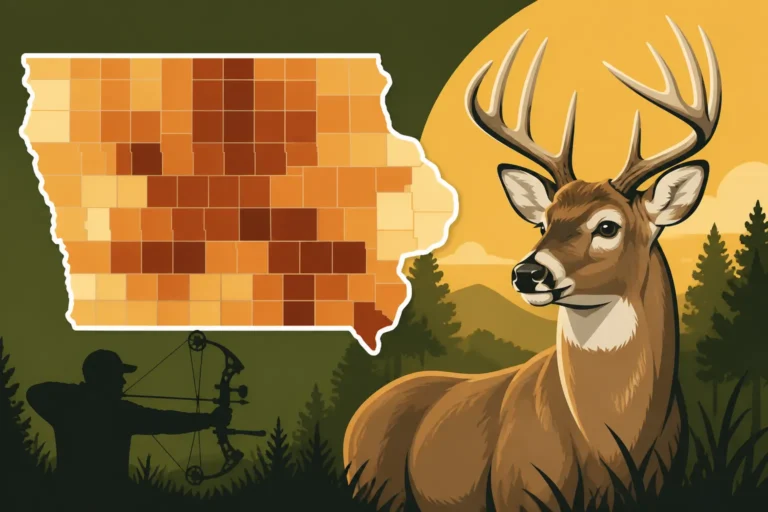
Iowa has been proactive in its CWD monitoring efforts, especially since the first confirmed case. The Iowa Department of Natural Resources (DNR) takes a strategic approach, focusing surveillance on certain areas and specific populations. This isn't random; it's based on science and a desire to detect the disease early and understand its spread. They're trying to keep a finger on the pulse of the herd's health. You'll often see specific counties or zones designated as "CWD surveillance areas" or "mandatory testing counties." This means if you harvest a deer in one of these areas during specific seasons, your deer must be tested. For other areas, testing might be voluntary but still highly encouraged.
This targeted approach helps the DNR allocate resources effectively. Instead of trying to test every single deer harvested across the state (which would be an astronomical task), they concentrate their efforts where the risk is highest or where they need more data. This is why it's so important for hunters to stay informed about the current regulations for the zones they plan to hunt. Information is often updated annually, so checking the official Iowa DNR website or resources like GoHunt before each season is a smart move. This also ties into understanding How Many Iowa Counties Have CWD and where those hot zones might be.
The Process of CWD Sample Collection
So, you've harvested a deer, and you're in a mandatory surveillance county or you've decided to participate voluntarily. What's next? The process of getting a sample collected is actually quite straightforward, but it requires you, the hunter, to be aware of the options and procedures. It's a small but vital contribution to the overall health of Iowa's deer population.
Voluntary and Mandatory Check Stations
Depending on where and when you harvest your deer, you might encounter either voluntary or mandatory CWD check stations. Mandatory stations are exactly what they sound like: if you've harvested a deer in a designated county during a specific season (often certain gun seasons), you are legally required to bring your deer, or at least its head, to a check station for sampling. These stations are typically staffed by DNR personnel or trained volunteers who will collect the necessary tissue samples. They're usually set up at convenient locations like county conservation offices, state parks, or even some locker plants during peak hunting times. It's a structured, efficient process designed to get a lot of samples in a short period. Be sure to understand Iowa CWD Mandatory Sampling Counties before you head out, so you're prepared.
Voluntary check stations, on the other hand, are available for hunters outside of mandatory zones or seasons who still want their deer tested. You might not see as many of these, and the hours could be more limited, but they serve an important role in gathering additional data. For both types, the staff will usually ask for some basic information – where you harvested the deer (county, township, etc.), date of harvest, and your contact information so they can link the sample to you and notify you of the results. They'll then take the necessary tissue samples, which usually takes only a few minutes. It's a good idea to check the DNR website or a platform like GoHunt well in advance of your hunt to locate these stations and their operating hours.
Self-Sampling Options and Drop-Off Locations
Recognizing that getting to a staffed check station isn't always feasible for every hunter, the Iowa DNR has also implemented self-sampling options in some areas. This often involves specific drop-off locations where hunters can deposit a deer head, sometimes with a kit and instructions for basic information. This is particularly common in more remote areas or outside of peak hunting days. While you won't be taking the actual tissue sample yourself (that's left to trained professionals), you're responsible for properly labeling your sample and providing accurate harvest information. These drop-off points are typically well-marked and often have coolers or designated bins for safe storage of the heads until they can be picked up by DNR staff for sampling.
Additionally, some licensed meat processors and taxidermists in CWD surveillance areas are enrolled in programs where they can collect CWD samples from deer brought to them by hunters. This can be a huge convenience, as you're already taking your deer there for processing or mounting. Always call ahead to your chosen processor or taxidermist to confirm if they participate in the CWD sampling program and what their specific requirements are. Regardless of the method, the goal is to get a fresh, viable sample to the lab. For a comprehensive list of collection sites, make sure you know Where to Drop an Iowa CWD Sample.
Here’s a quick overview of sample collection methods:
| Collection Type | When/Where | Who Collects Sample | Hunter Action Required |
|---|---|---|---|
| Mandatory Stations | Designated CWD surveillance counties/seasons | DNR staff/trained volunteers | Bring whole deer or head; provide harvest info |
| Voluntary Stations | Outside mandatory zones/seasons; hunter's choice | DNR staff/trained volunteers | Bring whole deer or head; provide harvest info |
| Self-Sampling Drops | Remote areas, off-hours; specific drop-off sites | Hunter drops off head; DNR samples later | Properly tag head, fill out form, deposit at site |
| Participating Processors/Taxidermists | At facility during normal business; confirmed participation | Trained staff at facility | Inform them of intent to test; provide harvest info |
What Happens at the Lab: Understanding the Tests
Once your deer's sample has been collected, it embarks on a journey to a specialized laboratory where the actual testing takes place. This is where the science truly happens, and understanding this part of the process can demystify the wait for results. It's a meticulous process, ensuring accuracy in detecting this insidious disease.
Targeting Lymph Nodes and Brain Tissue
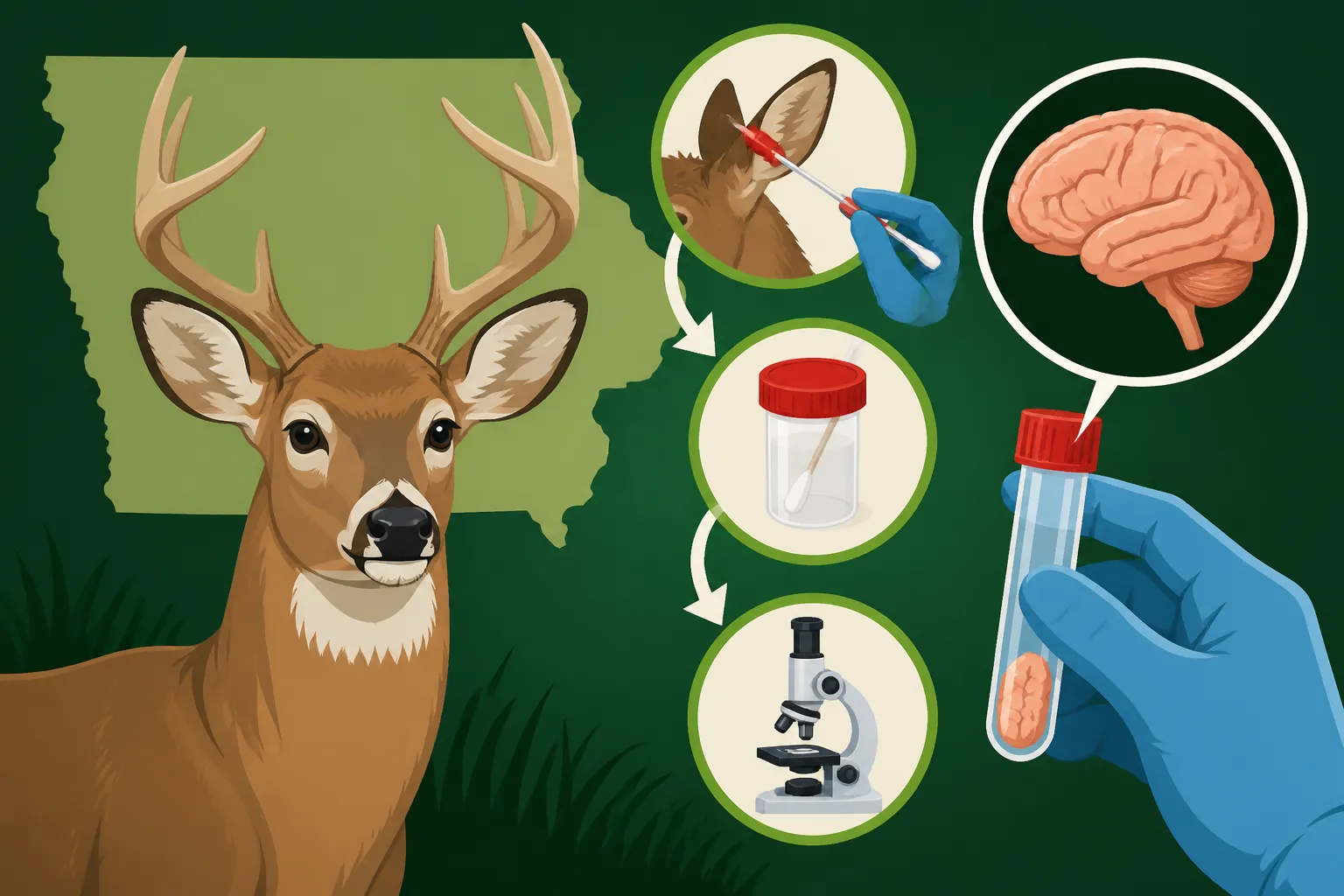
When it comes to CWD testing, not just any tissue will do. The prions, those abnormal proteins responsible for the disease, accumulate in specific parts of the deer's body, primarily in the lymphatic system and the brain. Therefore, the samples collected at check stations or by self-sampling protocols are always focused on these critical areas. The most common tissues collected are the retropharyngeal lymph nodes (which are located in the throat area, near the back of the jaw) and a section of the obex (a specific part of the brainstem). These tissues are carefully extracted, ensuring enough material for accurate analysis.
The reason for targeting these tissues is their high concentration of CWD prions in infected animals. Other tissues might contain prions, but these two are the most reliable indicators for detection. This precision in sample collection ensures that the lab has the best possible chance of detecting the disease if it's present, minimizing false negatives. This targeted approach is a cornerstone of effective CWD surveillance and is a standard practice in wildlife disease management across North America.
The Specific Testing Methods Used
At the lab, once the samples arrive, they undergo a series of specialized tests to detect the presence of CWD prions. The primary diagnostic test used for CWD is immunohistochemistry (IHC). This method involves preparing thin slices of the collected tissue (lymph nodes and brainstem), which are then treated with specific antibodies that bind to the CWD prions. If prions are present, the antibodies "light up" under a microscope, allowing trained pathologists to visually identify the abnormal proteins. It's a highly sensitive and specific test, considered the gold standard for CWD diagnosis.
Sometimes, other tests like ELISA (Enzyme-Linked Immunosorbent Assay) might be used as a screening tool, especially when processing a large volume of samples quickly. However, any positive or inconclusive ELISA result would typically be confirmed with the more definitive IHC test. The labs that perform these tests are highly specialized, often state veterinary diagnostic laboratories or federal facilities, and they employ scientists with extensive training in prion diseases. This rigorous testing protocol ensures that results are reliable, giving hunters and wildlife managers accurate data to make informed decisions about herd health and safety. The importance of monitoring for diseases like CWD is also highlighted in broader discussions about Iowa Wildlife Disease Monitoring.
Getting Your Results and What They Mean for You
After the waiting period, which can sometimes feel like an eternity, you'll finally receive your CWD test results. Understanding how to access them and, more importantly, what those results actually signify for you and your harvested deer is the final, crucial step in the CWD testing process.
Accessing Your CWD Test Results
The good news is that accessing your CWD test results in Iowa has become increasingly user-friendly. In most cases, the Iowa DNR will provide a specific online portal or a dedicated phone number where you can check the status and outcome of your sample. When you initially submit your sample, you'll typically be given a unique identification number or barcode that is linked to your deer. This number is your key to retrieving the results. You simply enter it into the online system or provide it over the phone, and your results will be displayed or communicated to you. Many hunters find resources like the GoHunt platform useful for finding direct links and updated information on result access, in addition to the official DNR channels.
The turnaround time for results can vary depending on the volume of samples being processed, the time of year (peak hunting seasons mean more samples), and the lab's current workload. It can range from a few weeks to sometimes over a month. While waiting, it's natural to feel a bit anxious, but rest assured that the labs are working diligently. It's always a good practice to keep your unique sample ID number in a safe place until you have received and understood your results. For direct guidance, you can always refer to the specific instructions provided when you submitted your sample or check the DNR website for information on Getting Iowa CWD Test Results Online.
Interpreting a Positive or Negative Result
Receiving a negative CWD test result is, of course, the best possible outcome. A "negative" means that CWD prions were not detected in the tissues submitted for testing. This gives you peace of mind that the venison from your harvested deer is safe for consumption, according to current scientific understanding. You can proceed with processing and enjoying your harvest, knowing you've done your part.
A "positive" result, however, means that CWD prions were detected in your deer's sample. While this can be disheartening, it's crucial to understand what it means. The Iowa DNR recommends that meat from CWD-positive animals not be consumed by humans. While there's no conclusive scientific evidence that CWD can spread to humans, public health agencies universally recommend this precaution. If your deer tests positive, you will typically be contacted directly by the DNR to discuss the implications and the proper disposal of the carcass. This data is also incredibly valuable for their ongoing CWD surveillance and management efforts, helping them understand the spread and prevalence of the disease. It's a vital piece of information that helps protect the entire deer herd. For more information on handling a positive result, and general guidelines, review Iowa CWD Sampling and Carcass Rules.
Disclaimer
This article is for general informational purposes only and does not constitute professional advice. Laws, prices and regulations vary by location and change over time. Consult a qualified professional for guidance on your specific situation.