Raccoon Numbers and Fur Prices
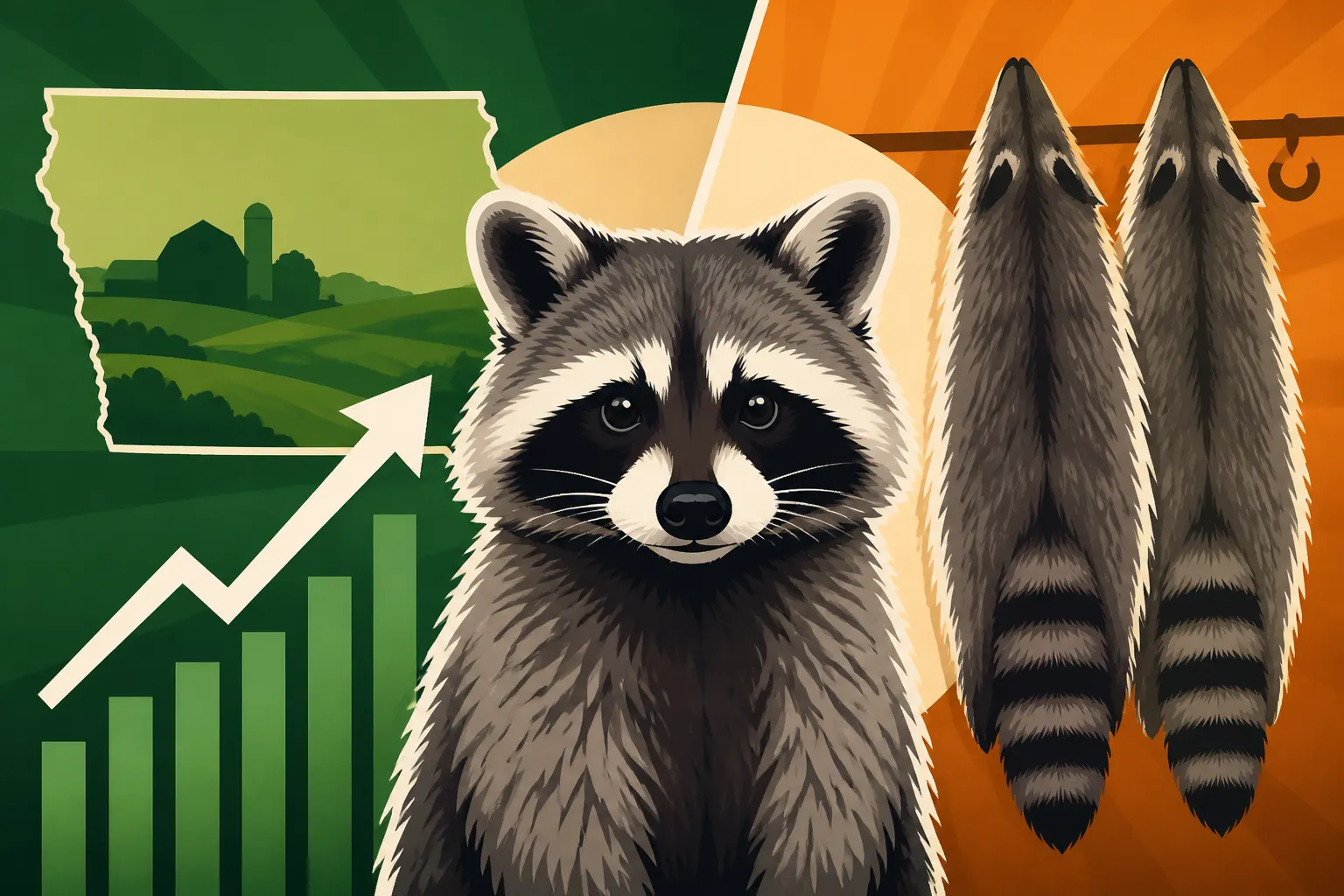
It can be incredibly disheartening to dedicate time and effort to hunting or trapping, only to find that the populations of certain species seem unpredictable, and the market for their fur is even more so. You've probably noticed the peaks and valleys in how many raccoons you see, or how much a prime pelt fetches from one year to the next. This guide is here to shed some light on those mysteries, exploring the intricate dance between raccoon numbers in Iowa and the volatile world of fur prices, helping you understand the forces at play and how to adapt your approach.
Understanding Iowa's Raccoon Population Dynamics
Raccoons are incredibly adaptable creatures, a trait that has allowed them to thrive across diverse landscapes, from our bustling cities to the quietest river bottoms here in Iowa. However, even these resilient animals are subject to population fluctuations driven by a complex web of environmental factors. If you spend any time outdoors in Iowa, especially in our timbered creeks and corn-rich fields, you know raccoons are almost everywhere. But "everywhere" doesn't mean "always in the same numbers."
One of the primary drivers of raccoon numbers is simply habitat and food availability. Iowa, with its vast agricultural lands and extensive network of waterways, provides an absolute smorgasbord for raccoons. Corn, soybeans, fruits, nuts, insects, and small vertebrates are all on the menu, making our state a raccoon paradise. When food is abundant, especially after a good growing season, you'll often see larger litters and higher survival rates among young raccoons. Conversely, harsh winters, prolonged droughts, or widespread crop failures can put a significant dent in their numbers as food becomes scarce and survival harder. They might even move out of areas they typically frequent, pushing into new territories in search of sustenance.
Disease outbreaks also play a crucial, albeit often unseen, role in population control. Canine distemper is a common culprit, and it can sweep through raccoon populations with devastating effects. This viral disease primarily affects their respiratory, gastrointestinal, and nervous systems, leading to symptoms that can sometimes be mistaken for rabies. When distemper hits a localized population hard, you might notice a sudden, dramatic drop in sightings, especially if you're trapping or hunting regularly in that specific area. The Iowa DNR monitors these trends, but as hunters and trappers, our observations on the ground are often the first real indicators. Furthermore, predator populations, while not a primary control for raccoons, can have localized impacts, especially on young kits.
Human interaction, beyond direct hunting and trapping, also influences their distribution and density. Urban expansion means more raccoons adapt to living among us, utilizing garbage cans and attics as convenient food sources and den sites. This can lead to localized "hot spots" of high populations in suburban areas, even as rural numbers might shift. Understanding these dynamics is key to anticipating where you might find them and recognizing why the numbers might not always be consistent from one year to the next in your favorite hunting spots. You can gain insights into general wildlife trends by regularly checking resources like the Iowa DNR's reports, which often summarize population estimates and harvest data, providing a broader context for what you're seeing in the field. This kind of information is helpful not just for deer, but for all game species, including furbearers like raccoons, as it reflects the overall health of the ecosystem.
The Rollercoaster of Fur Prices: What Drives the Market
Now, let's talk about something that can feel even more volatile than raccoon populations: fur prices. You might have fond memories of prices being robust, only to see them plummet to what feels like pennies per pelt just a few seasons later. It's a frustrating reality for anyone who dedicates the time and effort to responsibly harvest furbearers. The simple truth is, fur prices are largely dictated by a global market, and that market is a temperamental beast, prone to dramatic shifts.
The primary driver for wild fur demand comes from international fashion trends, particularly in regions like Russia, China, and parts of Europe. When fur coats, trim, or accessories are in vogue, demand goes up, and so do prices. Conversely, when fashion shifts away from fur, or when economic downturns in those key markets reduce discretionary spending, demand wanes, and prices fall. It’s a delicate balance, and Iowa raccoons, along with other furbearers, are just one small piece of a much larger global puzzle. You might harvest a beautiful, prime pelt, but if the international buyers aren't interested, or their economies are struggling, that top-quality fur simply won't fetch the price it deserves.
Another significant factor is the overall global supply of fur, both wild and farmed. If other regions, like Canada or northern states, have a bumper crop of high-quality raccoons, or if farmed fur operations increase their output, the market can quickly become saturated, driving down prices for everyone. This competition means that even if Iowa has excellent fur quality, an oversupply from elsewhere can still depress the local market. The cost of storage, processing, and shipping also plays into the final price buyers are willing to pay. Ultimately, the raw fur you bring to a buyer in Iowa has to pass through many hands and incur various costs before it becomes a finished product, and those costs are factored into what you're offered.
Finally, societal and political pressures, particularly from animal rights activism, can influence consumer demand. While many people value sustainable, ethically harvested wild fur, negative publicity can sometimes deter consumers, creating a chilling effect on the market. It's a complex interplay of supply, demand, economic health, and public perception that makes predicting fur prices akin to predicting the weather a year out. What might seem like a good investment one year could be a tough break the next, and it takes a realistic perspective to navigate this aspect of the trapping and hunting lifestyle. For anyone interested in the broader picture of Iowa's hunting and trapping seasons, including furbearers, resources like Iowa Predator and Furbearers can offer valuable context.
Strategies for Trappers and Hunters in a Fluctuating Market
Given the unpredictable nature of both raccoon populations and fur prices, it's easy to get discouraged. However, a seasoned trapper or hunter understands that adaptation is key. Instead of solely chasing high prices, many find value in a more holistic approach to furbearer management and harvest. The first, and arguably most important, strategy is to focus on ethical harvest and quality fur handling, regardless of the market. A well-skinned, properly fleshed, and perfectly stretched pelt will always fetch a better price than a poorly prepared one, even in a down market. Buyers are looking for consistency and quality, and taking the time to learn and perfect your craft pays dividends, if not always in top dollar, then certainly in reputation and respect.
Many trappers also diversify the species they target. If raccoon prices are low, perhaps muskrat, mink, or coyotes are seeing better demand. Iowa offers a variety of furbearers, and being knowledgeable about multiple species and their habitats can help you spread your efforts and mitigate the impact of a single species' market slump. For those looking to get started, or refresh their knowledge, understanding the requirements for your activities is crucial. Information on getting licensed can be found through resources like Iowa Furharvester Licence. Even if the market isn't booming, the experience of being out in Iowa's Scouting Iowa Timber and River Bottoms and harvesting a variety of animals is a reward in itself.
Beyond selling raw fur, there's a growing trend towards value-added products. Tanning hides for personal use – whether for display, crafting, or making your own garments – offers a way to utilize your harvest without relying on the commercial market. Local craft markets, online artisan shops, or even simply gifting a beautifully tanned hide can provide immense satisfaction. This allows you to control the end product and bypass the fluctuating fur auction system altogether. It also allows you to focus on the traditional aspects of the craft, which many find deeply fulfilling.
Understanding the grading process at fur buyers is also essential. Ask questions, learn what makes a "prime" pelt, and pay attention to how yours are evaluated. This feedback loop is invaluable for improving your handling techniques. While the market may not always reward you financially, the knowledge gained from observing wildlife, refining your skills, and connecting with the land is an immeasurable return. For access to prime trapping grounds, it's always good to be informed about how to get permission on private land, which can often hold less pressured furbearer populations. Familiarize yourself with Iowa Landowner Permission Basics to ensure you're always hunting ethically and legally. Additionally, understanding broader wildlife trends, perhaps through articles on Iowa Deer Herd Management and Harvest, can give you insights into habitat changes that might affect furbearers.
| Factor | Impact on Raccoon Numbers | Impact on Fur Prices |
|---|---|---|
| Habitat Loss (e.g., development) | Decreased (less cover, food) | Potential Increase (lower supply of quality fur) |
| Disease Outbreaks (e.g., Distemper) | Significantly Decreased (mortality) | Potential Increase (lower supply of quality fur) |
| Severe Winters (long, deep snow) | Decreased (survival rates due to cold/food scarcity) | Potential Increase (lower supply of quality fur) |
| Abundant Food Sources (good crop yields) | Increased (higher reproduction, kit survival) | Potential Decrease (higher supply of fur) |
| Global Fashion Trends | No direct impact on biological numbers | Significant Impact (demand drives price up or down) |
| Economic Recessions (key buying nations) | No direct impact on biological numbers | Decreased (less disposable income for luxury goods) |
| Trapper Participation (fewer trappers) | Potential Increase (fewer harvested individuals) | Potential Increase (lower supply, if demand stable) |
| Quality of Fur Handling (skinning, fleshing) | No direct impact on biological numbers | Significant Impact (higher quality fetches better price) |
Long-Term Outlook for Raccoon Trapping in Iowa
Looking ahead, the future of raccoon trapping and hunting in Iowa, much like the wildlife itself, is dynamic. One thing remains constant: raccoons are a robust and sustainable resource in our state. Their adaptability, combined with responsible management practices by the Iowa DNR and ethical harvesting by hunters and trappers, ensures that their populations generally remain healthy. The question for many is less about the sustainability of the resource and more about the sustainability of the fur market.
The global fur market will likely continue its cyclical nature. There will be good years and lean years, and anticipating those trends will remain a challenge. However, the intrinsic value of wild fur, its warmth, durability, and natural beauty, means there will always be a market for it, even if it shifts in size and location. For those who participate in fur harvesting, understanding that the monetary return is only one part of the equation is vital. The connection to nature, the challenge of the chase, the opportunity to be self-sufficient, and the conservation aspect of managing wildlife populations are often cited as equally, if not more, important rewards. This lifestyle is more than just about dollars and cents; it's about being actively engaged in the natural world.
Beyond market forces, the role of raccoons as nuisance wildlife ensures there will always be a need for population management. Raccoons can cause significant damage to crops, residential properties, and even carry diseases transmissible to pets and humans. Trapping plays a crucial role in mitigating these conflicts, providing a necessary service whether fur prices are high or low. In many areas, especially near urban fringes or within certain agricultural zones, the harvest of raccoons is a practical necessity. Information on broader hunting access and rules, such as those related to Public Hunting Land in Iowa or Iowa Wildlife Management Areas, can sometimes offer opportunities for nuisance control trapping on public grounds. Even understanding things like Access Routes That Avoid Bedding Areas can be surprisingly relevant when setting up a trap line to avoid disturbing other game or to target prime raccoon travel corridors.
For hunters and trappers in Iowa, maintaining a long-term perspective is crucial. Invest in quality gear, continually refine your skills, and stay informed about both local wildlife trends and global market shifts. Utilize resources like your state DNR and local trapping associations. While the price of a pelt might not always justify the effort in purely financial terms, the rich traditions, the time spent outdoors, and the satisfaction of a successful, ethical harvest continue to be powerful motivators. For instance, being aware of general hunting education requirements, covered in Iowa Hunter Education Requirements, contributes to a well-rounded and responsible approach to all forms of outdoor pursuit. Ultimately, the spirit of the Iowa outdoors, and the dedicated individuals who appreciate it, ensures that raccoon hunting and trapping will remain a part of our heritage for generations to come.
Disclaimer
This article is for general informational purposes only and does not constitute professional advice. Laws, prices and regulations vary by location and change over time. Consult a qualified professional for guidance on your specific situation.