Coyote Behaviour Around Iowa Farms
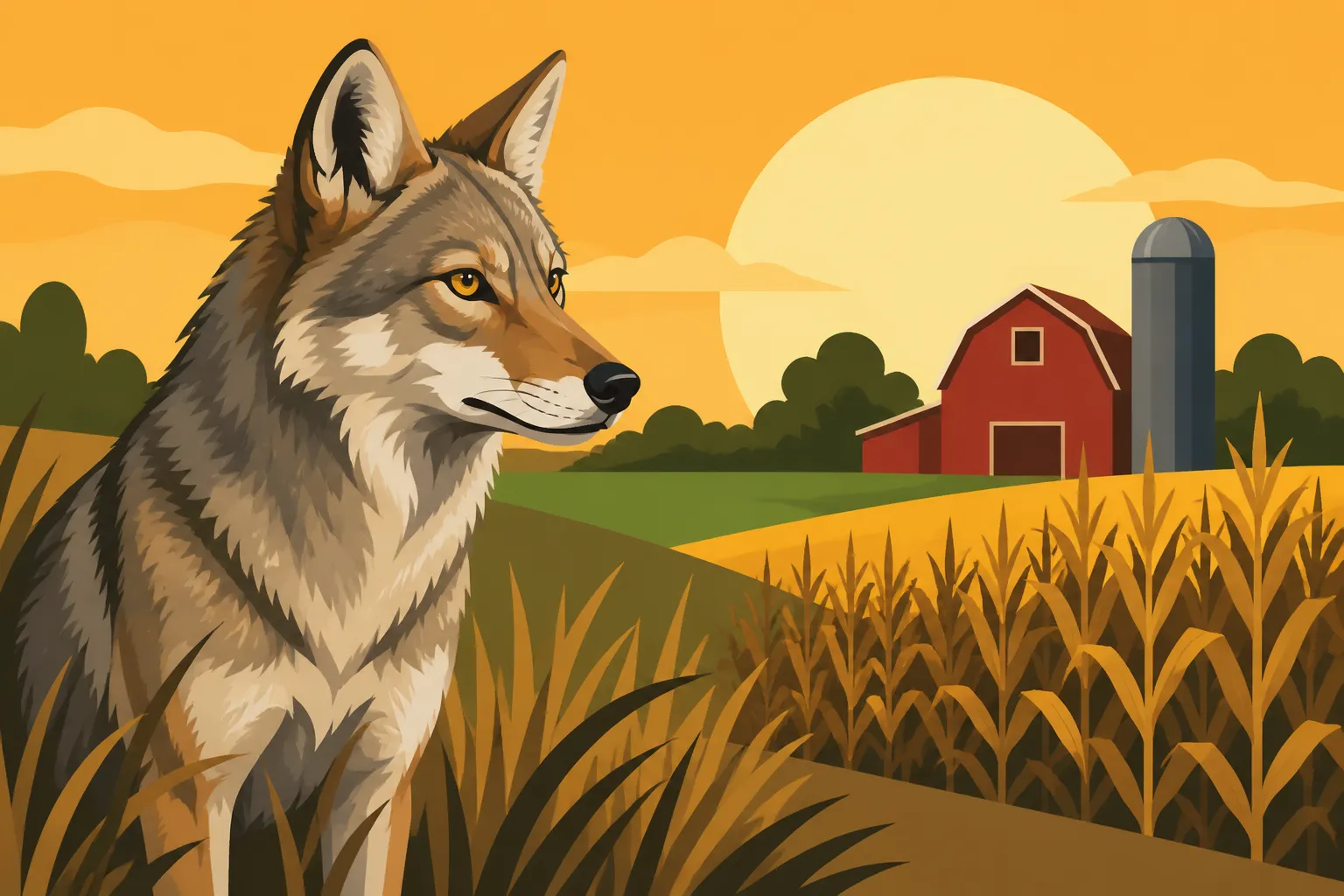
The howl of a coyote across an open Iowa cornfield at dusk is a sound that evokes a mix of respect and concern for anyone living or working in rural areas. While these intelligent canines are a vital part of our ecosystem, their presence on or near active farmland can present challenges, from livestock predation to concerns about pets. Understanding how coyotes move, hunt, and interact with the landscape around Iowa farms is crucial for both coexistence and effective management, allowing us to anticipate their actions and make informed decisions.
Understanding the Iowa Coyote Landscape
Iowa's agricultural landscape is a mosaic of open fields, timbered draws, brushy creek bottoms, and sprawling grasslands. This diverse environment, while heavily influenced by human activity, offers an ideal setting for coyotes to thrive. They are masters of adaptation, and the changes to Iowa's natural habitats over centuries have only sharpened their survival instincts, making them a common sight and sound even in areas with significant human presence.
The Rise of Coyotes in Iowa's Agricultural Heart
It’s easy to think of coyotes as creatures of the wild, but Iowa’s history tells a different story. As the vast prairies were converted to agriculture, many native predators were pushed out or eradicated. But the coyote? It didn't just survive; it adapted. This resilience is a hallmark of the species, allowing them to expand their range and population across North America, including right here in the Hawkeye State. The patchwork of row crops, pastures, and small timber blocks provides an abundance of resources for these opportunistic hunters. They can den in secluded pockets of timber, hunt along field edges, and use drainage ditches and creek beds as travel corridors, all while often remaining largely undetected by the casual observer. This adaptability means they aren't confined to vast wilderness areas; they are literally living in our backyards, or at least, next to our cornfields. If you spend time scouting Reading Aerial Imagery for Bedding Cover, you'll quickly see the types of secluded cover coyotes will use.
Consider a typical Iowa farm: you have vast fields of corn and soybeans, which provide incredible cover and an abundant food source (rodents!) during much of the year. Then you have those brushy fence rows, the overgrown creek banks, and those small, isolated woodlots. For a coyote, this isn't a fragmented landscape; it's a buffet and a sanctuary rolled into one. They leverage every fold in the topography, every change in vegetation, to their advantage. They are not shy of human activity, often moving closer to farmsteads under the cover of darkness or during periods of low activity. This persistent presence makes understanding their patterns critical for farmers and rural residents alike.
Coyote Diet and Prey Availability on Farms
Coyotes are famously opportunistic omnivores, which is a fancy way of saying they'll eat just about anything they can get their paws on. Around Iowa farms, their diet is incredibly varied and largely dependent on what's easiest to catch. A significant portion of their diet consists of small mammals like mice, voles, gophers, and especially rabbits. Iowa Rabbit Population Trends directly impact how many coyotes an area can support. These prey animals are plentiful in and around crop fields, grassy ditches, and brushy cover, making farm country a veritable smorgasbord for coyotes.
Beyond small rodents and rabbits, coyotes are known to prey on deer fawns, especially during the spring birthing season. A young fawn, bedded down in tall grass or brush, can be an easy meal for a hungry coyote. They also scavenge on carrion, including deer carcasses left after hunting season or livestock that has died naturally. While less common, poultry, small calves, or lambs can also become targets if not adequately protected. This is why securing chicken coops, lambing pastures, and even outdoor pet food is so important. They are always on the lookout for an easy meal, and an unsecured garbage can or compost pile near a farmstead is an open invitation. Their ability to switch between primary prey items and opportunistic scavenging makes them incredibly successful at maintaining their population numbers even through lean times.
Typical Coyote Behavior Patterns Near Farms
Understanding the rhythms of coyote life can help you better anticipate their presence and potential interactions around your property. They operate on schedules influenced by both time of day and the changing seasons, adapting their movements and activities to maximize their chances of survival and reproduction.
Daily and Seasonal Movements
Coyotes are often described as crepuscular, meaning they're most active during dawn and dusk. However, around Iowa farms, don't be surprised to see them at any time of day. If food is scarce, or if they feel less pressure, they'll move whenever they need to. During planting and harvesting seasons, the commotion of farm equipment might push them deeper into cover during the day, only for them to emerge once the machinery quiets down. Conversely, an empty field after harvest might see more coyote activity as they scour for leftover grain or rodents disturbed by the combines. These animals learn incredibly fast.
Seasonally, their behavior shifts dramatically. In spring, especially during denning season, they become more territorial and focused on providing for their pups. Dens are often located in dense cover – Cedar and Locust Thickets as Bedding Cover are perfect – or in secluded banks along creeks. During late summer and fall, young coyotes disperse from their birth territories to find new ranges, which can lead to increased sightings as they venture into unfamiliar areas. This dispersal phase can sometimes bring them into closer proximity to farmsteads than usual. During the colder months, when natural prey might be harder to find, they may become even more bold in their search for food, making those winter nights particularly prime for hearing their distinct calls. Knowing these patterns helps in understanding why you might see more or less activity at certain times.
Scent Marking and Communication
Coyotes are incredibly communicative animals, and much of their interaction happens through scent. Like domestic dogs, they use urine and scat to mark their territory, announce their presence, and convey information about their reproductive status. You might find coyote scat on prominent features like rocks, elevated spots along field edges, or even near fence posts. This isn't just random; it's a message board for other coyotes in the area, letting them know who's around and what's going on. These scent posts are a crucial part of their social structure and territorial defense, especially in areas where multiple packs might overlap.
Their vocalizations are perhaps the most recognizable form of communication and a sound many Iowa farmers are intimately familiar with. Their chorus of howls, yips, and barks isn't just random noise; it's a complex language. A lone howl can announce presence, while a group howl often signifies a pack gathering or a territorial declaration. Short, sharp barks often indicate alarm or aggression, especially if they feel threatened or are warning intruders away from a den. The "yipping" sound, often mistaken for multiple coyotes, is frequently one or two animals creating a cacophony of short, sharp barks and yelps. Understanding these calls can give you insight into what's happening in your rural neighborhood. Hearing these sounds regularly around your property is a clear indicator of consistent coyote presence. You might even want to try your hand at Coyote Calling in Iowa Farm Country if you're interested in interacting.
Coyote Interactions with Livestock and Pets
Living in close proximity to coyotes means managing the potential for conflict, particularly when it comes to the safety of livestock and domestic animals. While coyotes play a natural role in controlling rodent populations, their opportunistic nature means that an easy meal is an easy meal, whether it’s a wild rabbit or an unprotected chicken.
Minimizing Predation Risks for Livestock
For many Iowa farmers, the most pressing concern regarding coyotes is the safety of their livestock. Smaller animals like chickens, ducks, sheep, and young calves or lambs are most vulnerable. The good news is that there are numerous proactive steps you can take to significantly reduce the risk of predation. Secure fencing is paramount, especially for poultry. Tightly woven wire, extending into the ground to prevent digging, is essential. Electrified fencing can be highly effective around pastures for sheep and goats. Regularly inspecting fences for breaches and keeping gates closed are simple but crucial actions.
Beyond physical barriers, livestock guardian animals – such as specific breeds of dogs, donkeys, or llamas – have proven successful for many producers. These animals bond with the livestock and actively deter predators. Another key strategy is proper carcass disposal. Leaving dead animals in fields or near farm buildings can attract coyotes. Prompt removal or burial helps eliminate an easy food source that draws them closer to your active farm areas. Similarly, securing feed bins and pet food bowls ensures that coyotes aren't lured in by unintended food rewards. By making your farm a less appealing target, you drastically reduce the chances of unwelcome encounters. This is where a bit of planning, like creating Access Routes That Do Not Bump Deer away from vulnerable areas, can help keep general wildlife disturbances to a minimum.
Protecting Farm Pets from Coyotes
Our beloved pets, particularly smaller dogs and cats, can unfortunately be perceived as prey or competition by coyotes. This can be a heartbreaking reality for rural residents who allow their pets to roam freely. Coyotes are incredibly quick and stealthy, and an unsupervised pet, even in a fenced yard, can be vulnerable. It's not uncommon to hear stories of coyotes luring a domestic dog away from a yard or seizing a cat left out overnight.
The most effective way to protect your farm pets is through consistent supervision. Keeping dogs on a leash, especially during dawn and dusk, is crucial. If your dog has a strong prey drive, their barking or chasing might even provoke a coyote encounter. For smaller dogs and cats, ensuring they are indoors overnight or confined to extremely secure, coyote-proof kennels or runs is highly recommended. Even larger dogs can be at risk, especially if they encounter a pair or group of coyotes. Remember, coyotes are wild animals driven by instinct, and our pets can sometimes be seen as invaders of their territory or simply another meal. Being proactive and vigilant is the best defense. A quick check on a tool like GoHunt for maps of dense cover around your property can help you identify potential coyote hangouts that might warrant extra caution with pets.
Recognizing Coyote Sign and Presence
Being able to identify the subtle clues coyotes leave behind is a valuable skill for anyone living in Iowa farm country. It's like being a detective, piecing together the story of their movements and activities, and it helps you confirm their presence even when you don't see them directly.
Tracks, Scat, and Other Physical Evidence
One of the most common ways to confirm a coyote's presence is by identifying their tracks. Coyote tracks are generally more oval-shaped than those of a domestic dog, and their two middle toes are usually closer together and extend further forward. You can often draw an imaginary 'X' through the paw print without touching the outer toes, unlike the more splayed look of many dog tracks. Claw marks are typically visible. Look for them in mud, soft dirt along field edges, dusty trails, or fresh snow. Creek beds and drainage ditches are prime locations to find clear prints, as coyotes often use these as travel corridors.
Scat (feces) is another strong indicator. Coyote scat is often rope-like, usually twisted, and typically contains visible hair, bone fragments, and sometimes even berry seeds or plant matter, reflecting their varied diet. It's commonly found on prominent locations, serving as scent markers, as we discussed earlier. Beyond tracks and scat, you might find evidence of kills – small piles of fur or feathers, often with distinct canine bite marks. If you have livestock, an attack will often leave very specific signs that differ from dog attacks, like smaller puncture wounds or signs of an animal being dragged. Learning to distinguish these subtle differences can make a big impact on your ability to respond appropriately. Remember, trails through CRP Grass and Where Bucks Bed can also be used by coyotes.
Vocalizations and Visual Confirmations
As mentioned before, the calls of coyotes are distinctive and provide undeniable proof of their presence. The classic high-pitched howl that rises and falls, often followed by a series of sharp yips and barks, is unmistakable. Sometimes, especially when a pack is active, it sounds like dozens of animals, even if it's just a few. They often vocalize at dawn, dusk, and throughout the night, particularly around breeding season or when they've made a kill. Learning to discern a coyote's call from a domestic dog's bark is a key skill; coyotes often have a more complex, fluctuating vocal pattern.
Visual confirmations, while sometimes fleeting, are also powerful. Spotting a coyote usually happens at dawn or dusk, or occasionally during daylight hours in less pressured areas. They are often seen trotting along field edges, crossing roads, or slipping through brushy cover. They tend to be lean and graceful, with a bushy tail that usually hangs down between their legs. Keep an eye out when you're driving country roads at these times, or when you're out on the farm checking fences. Binoculars can be incredibly helpful for confirming a sighting from a distance. Tools like GoHunt often have satellite imagery that can help you understand the density of cover where you might expect to see them. Understanding their movements visually, coupled with auditory cues, gives you a comprehensive picture of Iowa Coyote Population dynamics in your area.
| Coyote Sign | Description | Common Locations | What it tells you |
|---|---|---|---|
| Tracks | Oval shape, four toes (claws often visible), two front toes close together, tighter than dog tracks. | Muddy areas, dusty trails, snowy fields, creek banks. | Recent presence, travel corridors, direction of movement. |
| Scat | Rope-like, twisted, often contains fur/bone/plant matter. | Elevated spots, prominent rocks, trail intersections, fence posts. | Diet, territory marking, frequent use of an area. |
| Howls/Yips | High-pitched, rising and falling howls, sharp yips, barks. Often sounds like multiple animals. | Heard mainly at dawn/dusk/night. | Pack presence, communication, territorial claims, potential kills. |
| Physical Sightings | Lean, graceful, bushy tail often carried low. | Field edges, road crossings, dense cover, open pastures. | Direct confirmation of presence, activity patterns. |
| Kills/Remains | Carcasses (e.g., deer fawns, small livestock, rodents) with distinct canine bite marks, sometimes partially eaten. | Pastures, dense bedding cover, near den sites. | Hunting success, food sources, potential threat to livestock. |
Disclaimer
This article is for general informational purposes only and does not constitute professional advice. Laws, prices and regulations vary by location and change over time. Consult a qualified professional for guidance on your specific situation.