Which Iowa Game Meat Tastes Best
One of the most rewarding aspects of harvesting game in Iowa, beyond the experience itself, is bringing that lean, organic protein home to your family. But let's be honest, not all game meat is created equal, and if you've ever had a "gamey" meal that wasn't prepared right, you know the frustration of turning a hard-earned harvest into something less than appetizing. This guide will walk you through the nuances of different Iowa game meats, what truly influences their flavor, and how to prepare them to ensure every meal is a delicious celebration of your hunt.
Understanding What Influences Game Meat Flavor
Before we dive into which Iowa game species might tickle your taste buds the most, it's crucial to understand that the flavor of wild game isn't just a flip of a coin. It's a complex tapestry woven from several key factors, many of which you, as a hunter, have some influence over. This isn't just about the animal itself; it's about the entire process from field to table.
Diet and Habitat
Think about it: what an animal eats directly impacts its flesh. Just like a grass-fed beef tastes different from a grain-fed one, a deer that’s been feasting on acorns and lush browse in a timber bottom will likely have a different flavor profile than one primarily living off soybeans in a row crop field. In Iowa, our rich agricultural landscape and diverse natural habitats mean that deer, turkeys, and upland birds often have excellent diets. A pheasant from a field of milo and natural grasses is going to offer a distinct flavor compared to one from a highly cultivated area, or even a different state with a less varied diet.
The type of cover and water sources an animal uses also plays a role. A duck from a stagnant slough might carry a different taste than one from a free-flowing river. This is why knowing your hunting area, perhaps with tools like GoHunt that help you scout habitat, can indirectly contribute to predicting the potential flavor of your harvest. These environmental factors are foundational to the natural taste of the meat, before any human intervention in processing or cooking.
Age and Sex of the Animal
Generally speaking, younger animals tend to have more tender meat with a milder flavor. A plump young doe or a jake turkey will often yield a more universally palatable meal than an old, battle-scarred buck or a tough, mature gobbler that has spent seasons chasing hens and fighting rivals. Older animals, especially males during the rut, have higher levels of hormones that can impart a stronger, more intense flavor to their meat – what many refer to as "gamey."
The meat from a rutting buck, for instance, often has a much more robust flavor and tougher texture compared to a deer harvested earlier in the season or an antlerless deer. This isn't always a bad thing if you appreciate strong flavors, but it's certainly a factor to consider in your expectations and preparation. Understanding the animal's life stage and sex can guide your post-harvest care and cooking choices to bring out the best in the meat.
Field Care: The Critical First Step
This is arguably the most important factor within your control. No matter how perfect the animal's diet or age, poor field care can ruin even the best potential cut of meat. Getting the animal field-dressed quickly, cleanly, and cooling the carcass as rapidly as possible are non-negotiable steps for good-tasting game meat. Warm weather is the enemy of fresh meat, allowing bacteria to multiply and strong flavors to develop.
If you're hunting during Early-Season Bowhunting Over Water in warm October weather, getting that deer gutted and cooled is paramount. Even a few hours of delay can drastically impact the flavor and tenderness. Many hunters swear by quartering a deer in the field, especially during warmer hunts, to facilitate faster cooling and easier transport. This immediate attention to detail in the field is what separates a truly delicious wild game meal from one that might leave you wondering what went wrong.
The Top Contenders: Iowa's Best-Tasting Game Species
Iowa offers a fantastic variety of game, and each species brings its own unique flavor profile to the table. While personal preference will always play a huge role, some meats are consistently praised for their deliciousness. Let's explore some of Iowa's most popular game species and what you can expect from their meat.
Whitetail Deer: The Iowa Icon
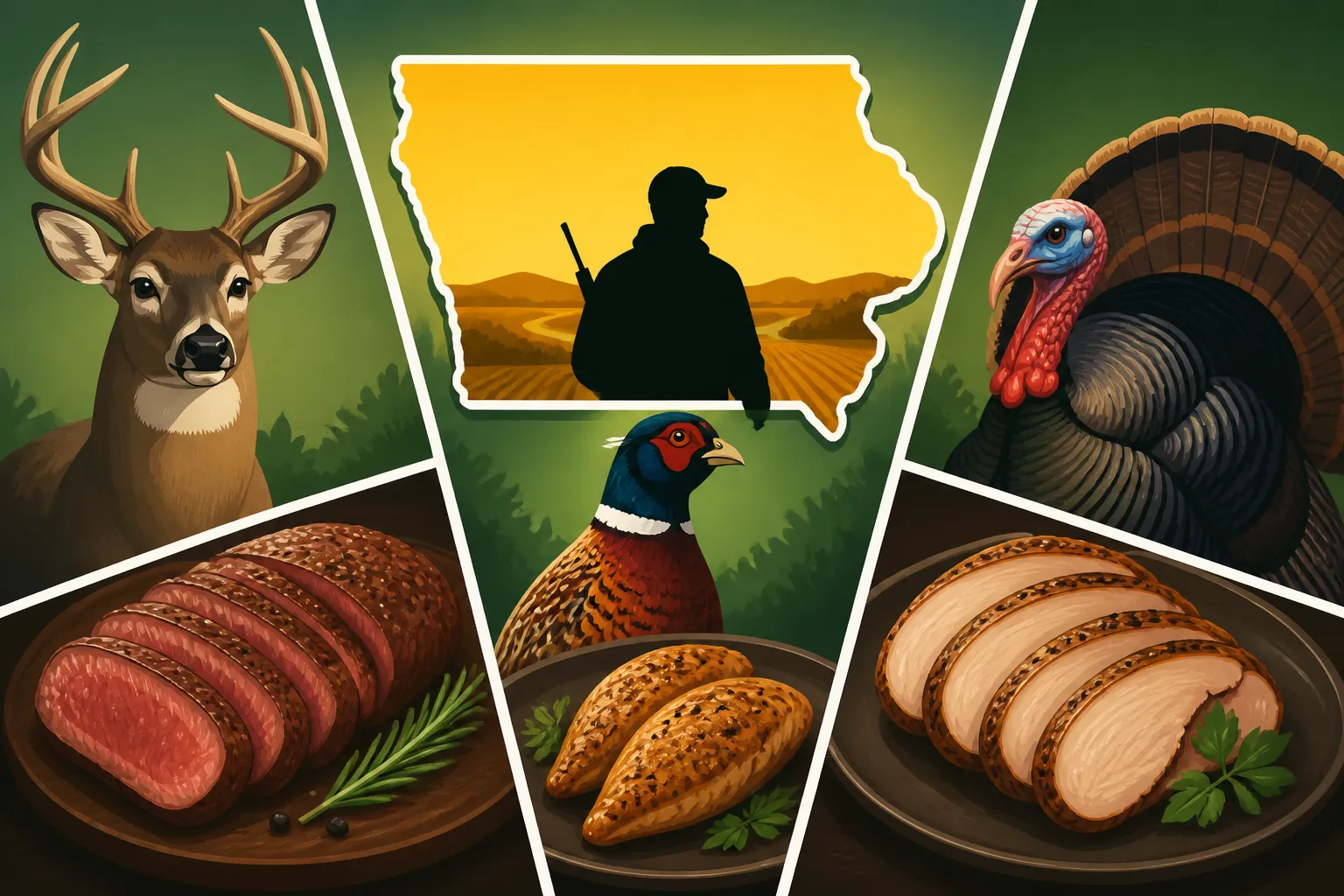
Iowa whitetail deer are, for many, the pinnacle of wild game meat. Often described as rich, lean, and earthy, venison from a well-cared-for Iowa whitetail is a true delicacy. The flavor can vary based on the deer's diet, as mentioned earlier. Deer from corn and bean country might have a slightly sweeter, milder flavor, while those from deep timber relying on acorns and browse could be richer and more robust. Why Iowa Produces Big Whitetail Bucks is often due to this fantastic nutrition, which also translates to quality meat.
The key to excellent venison is proper field care and cooking. Many people complain about "gamey" venison, but often that's a result of poor handling, not the deer itself. If you've ever had properly prepared venison backstrap seared to medium-rare, you know it can rival the finest cuts of beef. It’s incredibly versatile, working well in everything from roasts and steaks to ground meat for burgers and chili. The leanness requires careful cooking to prevent drying out, but when done right, it's outstanding.
Wild Turkey: A Different Kind of Fowl Play
Iowa's wild turkeys are a fantastic table bird, offering meat that is surprisingly different from its domestic counterpart. Wild turkey meat is leaner, darker, and boasts a richer, more intense flavor. The breast meat is often lighter, while the leg and thigh meat are quite dark and incredibly flavorful, but also tougher, requiring slow cooking. Iowa Wild Turkeys Across the State provide excellent hunting opportunities, and with good field care, superb eating.
Many hunters swear by the taste of a spring gobbler, which can be challenging to hunt but incredibly rewarding on the plate. The flavor profile is often described as earthy, nutty, and distinctly wild. It's not chicken, and it shouldn't be treated like it. Slow-cooking methods like braising or stewing work wonders for the leg and thigh meat, while the breast can be quickly seared or roasted to perfection. The sheer volume of Turkey Breast Meat Yield from a mature tom means plenty of meals.
Upland Birds: Pheasant and Quail
Iowa is famous for its upland bird hunting, and for good reason: these birds are not only a blast to pursue but also incredibly tasty. Iowa Ring-Necked Pheasants and the Roadside Survey often predict a great hunting season, meaning more delicious birds for the table. Pheasant meat is delicate, with a milder, slightly sweet flavor that's richer than chicken but less intense than wild turkey. It's a truly gourmet bird, prized by chefs and hunters alike.
Bobwhite quail, found primarily in southern Iowa, offer a similar, perhaps even more delicate, flavor profile. Bobwhite Quail in Southern Iowa are small but mighty when it comes to taste. Their meat is tender and mild, making them perfect for roasting whole or pan-frying. Both pheasant and quail benefit from quick cooking methods to preserve their tenderness and subtle flavors. They pair wonderfully with lighter sauces and fresh herbs, making for an elegant meal.
Small Game: Rabbits and Squirrels
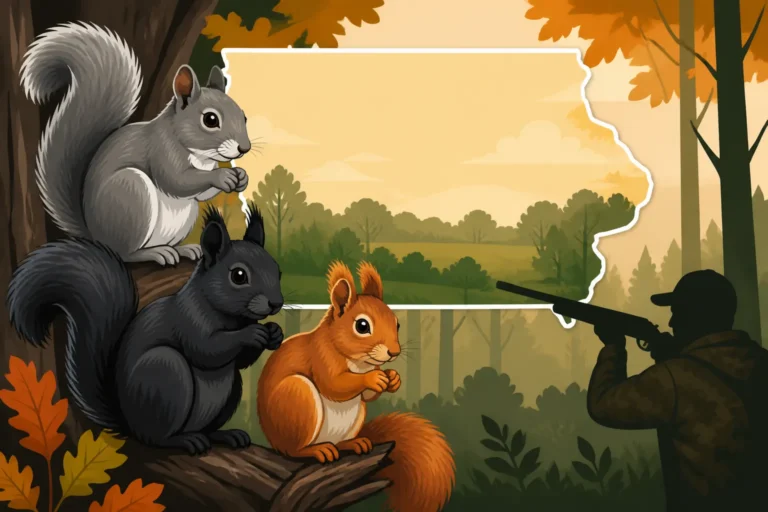
Don't overlook the humble small game species found across Iowa. Cottontail rabbits and squirrels, particularly fox and gray squirrels in Iowa's timber, provide incredibly delicious and underrated table fare. The meat from these animals is lean, tender, and has a mild, slightly sweet flavor, often compared to chicken or pork. Iowa Small Game: Rabbit, Squirrel and Partridge offers year-round opportunities to fill the freezer.
Rabbit is incredibly versatile and often prepared in stews, fried, or roasted. Squirrel meat, particularly from younger animals, is delicious fried, braised, or in a rich gravy. While they require a bit more effort to process due to their size, the reward is well worth it. Many old family recipes revolve around these small game species, a testament to their long-standing culinary appeal.
Factors Affecting Flavor and How to Enhance It
Getting the game from the field to the plate is a journey, and every step impacts the final flavor. Beyond the animal itself, your actions as a hunter and cook are paramount. Here's how you can actively enhance the taste of your Iowa game meat.
Proper Field Dressing and Cooling
We touched on this, but it's worth reiterating: this is critical. Immediately after the harvest, get to work. For deer and turkeys, field dressing to remove the internal organs rapidly cools the body cavity and prevents bacterial growth that can cause off-flavors. For upland birds and small game, drawing or gutting them quickly is also important, though their smaller size means they cool faster. In warm weather, especially common during early seasons, getting ice into the body cavity of a deer or submerging birds in an ice bath can make a world of difference.
Ignoring this step is the fastest way to turn potentially great meat into something that truly tastes "gamey" in a bad way. A warm carcass allows blood to pool and bacteria to flourish, leading to a strong, undesirable metallic or sour flavor. Think of it this way: the hunt isn't over until the meat is properly cared for. Field Dressing in Warm October Weather is a skill every Iowa hunter needs to master for optimal results.
Aging and Processing
Once cooled, many game meats, especially venison, benefit from a period of aging. Aging meat, either wet aging (in vacuum-sealed bags) or dry aging (in a controlled environment), allows natural enzymes to break down muscle fibers, leading to a more tender product. For deer, a few days to a week in a cooler with ice (drained daily) can significantly improve tenderness and flavor. This isn't strictly necessary for smaller game or birds, but for deer, it's highly recommended.
When it comes to Processing Your Own Deer at Home, taking care to remove all silverskin, fat, and fascia is crucial. Wild game fat often contains the strongest "gamey" flavors, so trimming it away before freezing or cooking will result in cleaner-tasting meat. Properly wrapping and freezing your meat also protects its quality over the long term. Consider consulting resources available through GoHunt or local processors for best practices.
Cooking Methods for Each Species
The way you cook game meat can transform its flavor and texture. Matching the right cooking method to the specific cut and species is key. For lean cuts like venison backstrap or turkey breast, quick, high-heat methods like searing, grilling, or pan-frying are excellent, ensuring the meat remains tender and juicy. Remember that venison and other lean game often cook faster than domestic meats, so be careful not to overcook.
For tougher cuts, such as deer roasts, shanks, or turkey legs and thighs, slow, moist-heat methods are your best friend. Braising, stewing, or slow-roasting in liquid breaks down tough connective tissues, making the meat incredibly tender and flavorful. Don't be afraid to experiment with marinades, brines, and rubs to complement the natural flavors. A table summarizing these points might be helpful:
| Game Species | Typical Flavor Profile | Best Cooking Methods for Tender Cuts | Best Cooking Methods for Tougher Cuts (if applicable) |
|---|---|---|---|
| Whitetail Deer | Rich, earthy, lean, slightly sweet | Searing, grilling, pan-frying, roasting (steaks, backstrap) | Braising, stewing, slow-roasting (roasts, shanks) |
| Wild Turkey | Rich, earthy, distinctly wild, lean | Searing, grilling, roasting (breast) | Braising, stewing, confit (legs, thighs) |
| Ring-necked Pheasant | Delicate, mild, slightly sweet | Roasting, pan-frying, grilling (whole or breast) | Braising, stewing (whole bird, if older) |
| Bobwhite Quail | Very delicate, mild, tender | Roasting, pan-frying, grilling (whole bird) | N/A (typically cooked whole and quickly) |
| Cottontail Rabbit | Mild, slightly sweet, tender | Frying, roasting, braising, stewing | Braising, stewing (for older animals or specific preparations) |
| Squirrel | Mild, slightly sweet, lean | Frying, braising, stewing | Braising, stewing |
Dispelling Myths and Setting Expectations
Many people approach wild game with preconceived notions, often based on one bad experience or old wives' tales. Let's clear up some common misconceptions and help you set realistic expectations for your culinary adventures.
"Gamey" Flavor: What It Really Means
The term "gamey" is often thrown around as a catch-all for any wild game that tastes "off" or strongly flavored. However, this isn't always fair. As we've discussed, much of what people perceive as a negative "gamey" taste is actually a result of improperly handled meat, especially issues with heat, bacteria, and blood. Strong flavors can also come from older, rutting animals, which isn't necessarily a bad thing if you enjoy a more intense, robust taste.
True wild game should taste different from domestic meat. It's lean, often has a deeper red color, and contains natural compounds from the animal's wild diet and active lifestyle that give it its unique character. Embrace this difference! If your venison tastes like beef, you're missing out on the unique essence of a wild harvest. By learning to distinguish between good "game" flavor and truly "off" flavors caused by poor care, you can better appreciate the bounty of Iowa's fields and forests.
Learning Your Palate and Experimenting
Ultimately, taste is subjective. What one person loves, another might find too strong. The best way to determine Which Iowa Game Meat Tastes Best for you is to try different species, experiment with various cooking methods, and pay close attention to your field care. Don't be afraid to try new recipes or adapt old family favorites. Resources like GoHunt might not focus on recipes, but they can guide you to areas with diverse game populations, allowing you to sample different meats.
Perhaps you'll discover that you adore pan-fried pheasant but prefer your venison slow-cooked in a rich stew. Maybe you find Working a Henned-Up Tom Midday results in a tougher bird than you'd like, and you'll focus on younger birds or different cooking methods in the future. Embrace the process, learn from each meal, and enjoy the journey of savoring Iowa's wild flavors. It's a connection to the land and a heritage worth celebrating.
Disclaimer
This article is for general informational purposes only and does not constitute professional advice. Laws, prices and regulations vary by location and change over time. Consult a qualified professional for guidance on your specific situation.