Iowa Ring-Necked Pheasants and the Roadside Survey
For many of us who dream of those explosive flushes and the cackle of a rooster pheasan, the reality of finding consistent bird numbers in Iowa can be a real head-scratcher. One year you're walking through a field thick with birds, the next it feels like a ghost town. This comprehensive guide is here to unravel the mysteries of Iowa's ring-necked pheasant populations, explaining the critical role of the annual roadside survey and how you can use this invaluable information to plan more successful hunts.
Understanding Iowa's Ring-Necked Pheasant
The ring-necked pheasant (Phasianus colchicus) isn't native to Iowa, but it has certainly made itself at home, becoming an iconic game bird across the state's agricultural landscape. Their striking colors, particularly the iridescent green head and crisp white neck ring of the rooster, make them instantly recognizable, and their explosive flush and cackling call are the stuff of hunting legend. For generations of Iowans and out-of-state hunters alike, chasing pheasants is more than just a hunt; it's a cherished fall tradition, a chance to walk the endless rows and grass with friends, family, and a good dog.
These birds thrive in a mix of habitats, primarily preferring agricultural areas interspersed with dense cover. They're often found along field edges, in CRP (Conservation Reserve Program) grasslands, brushy draws, and sloughs. Their survival hinges on having reliable sources of food, water, and crucially, protective cover throughout the year, especially during harsh Iowa winters and the critical nesting season. Without this varied landscape, pheasants struggle, which is why understanding their needs is paramount to successful management and, ultimately, good hunting.
A Brief History of Pheasants in Iowa
The story of the ring-necked pheasant in Iowa is a fascinating tale of introduction and adaptation. These beautiful birds were first brought to North America from Asia in the late 1800s, with significant releases in Iowa occurring in the early 1900s. They found Iowa's rich, fertile farmland and diverse landscape, especially with the early patchwork of smaller farms and more varied crops, to be quite hospitable. Their populations exploded through the mid-20th century, leading to what many old-timers recall as the "glory days" of pheasant hunting in the state. It wasn't uncommon for hunters to fill their limits quickly, and the sheer number of birds was staggering.
However, like many wildlife populations tied to agricultural land, pheasant numbers have seen their ups and downs. Changes in farming practices, such as larger fields, reduced fence rows, and the shift from small grains to continuous corn and soybeans, have significantly impacted available habitat. The push for maximum crop production often comes at the expense of the diverse cover that pheasants need to nest, raise broods, and survive winter. Understanding this historical context helps us appreciate both the resilience of the bird and the challenges it faces in modern Iowa. The ongoing efforts by the Iowa Department of Natural Resources (DNR) and various conservation groups are critical in trying to provide pockets of ideal habitat amidst an ever-changing landscape.
Life Cycle and Behavior of Iowa Pheasants
Iowa pheasants exhibit distinct behaviors throughout the year, largely dictated by weather, food availability, and breeding cycles. In spring, after the snow melts and temperatures rise, roosters become territorial, crowing loudly to attract hens and establish their breeding grounds. Hens will nest in dense grasses, often in undisturbed areas like CRP fields, road ditches, or sloughs, typically laying a clutch of 8-12 eggs. Nesting success is highly dependent on spring weather conditions; cold, wet springs can lead to higher nest mortality and lower poult survival. This early season weather directly impacts future populations, as you'll see in the Spring Rain and Poult Survival discussion later.
Once hatched, the pheasant poults are vulnerable, growing rapidly but requiring insects for protein in their early weeks. Brood survival is a huge factor in the fall hunting numbers. As summer progresses, pheasants often move into crop fields, particularly corn, for cover and food. In the fall, as crops are harvested, birds concentrate in remaining cover patches. During winter, survival depends heavily on access to food and adequate thermal and escape cover, like dense cattails, brushy draws, or standing corn adjacent to heavy grass. A harsh winter with deep, persistent snow and ice can decimate populations, often contributing to dramatic drops in numbers that hunters feel the following fall.
The Importance of Habitat
Habitat is the absolute bedrock for pheasant populations in Iowa. Without the right mix of cover types, food sources, and water, pheasants simply cannot thrive. In a state dominated by row crops, every acre of diverse habitat becomes incredibly valuable. We're not just talking about any patch of grass; pheasants need specific types of cover for different stages of their life cycle. Think of it like a carefully designed home with various rooms, each serving a crucial purpose.
The frustrating reality for many hunters is that finding these ideal habitats can be tough, especially on public land that sees a lot of pressure. Knowing what to look for, and understanding why certain types of cover are critical, gives you a significant edge. It allows you to read the landscape better, identify potential holding areas, and ultimately, put yourself in front of more birds.
Key Habitat Types for Pheasants
Iowa's best pheasant habitat is a mosaic, not a monoculture. It needs a combination of several key elements:
- Nesting Cover: This is crucial in spring. Undisturbed, dense perennial grasses like those found in the Conservation Reserve Program (CRP), undisturbed hayfields, or even wide road ditches provide the concealment hens need to lay eggs and raise young. Think about those areas that don't get mowed or disturbed until well after June. The success of Nesting Cover and Pheasant Broods is a direct predictor of fall populations.
- Brood Rearing Cover: Once poults hatch, they need areas rich in insects, often sparse, shorter grasses with broadleaf weeds. This allows them to move easily and forage for the protein-rich bugs essential for their growth. Think of the edges of a field, or areas that might be slightly thinner than prime nesting cover but still offer some overhead protection from predators.
- Winter Cover: This is perhaps the most critical for overwinter survival. Dense, woody cover (like multiflora rose, plum thickets, or cedar groves), cattail sloughs, or large blocks of standing corn adjacent to heavy cover provide thermal protection from blizzards and deep snow, as well as escape cover from predators like raptors and coyotes. Without good winter cover, even a mild Iowa winter can be tough, let alone a harsh one, impacting Winter Severity and Iowa Pheasant Numbers.
- Food Sources: Pheasants are primarily grain eaters, so waste grain from corn and soybean fields, as well as natural seeds from weeds, are vital, especially during fall and winter. This is why you often find them relating to crop fields, even when the crops are harvested.
The Impact of Land Use Changes
Over the past several decades, agricultural intensification has profoundly altered the Iowa landscape, and not always for the better when it comes to upland birds. The shift from smaller, diverse farms with fence rows, shelterbelts, and smaller grain crops to vast monocultures of corn and soybeans has led to a significant loss of critical habitat. What was once a patchwork of different fields, grasslands, and timber, offering everything a pheasant needed within a relatively small home range, has become a sea of uniform crops for much of the year.
The draining of wetlands, clearing of timber, and converting pastures to row crops have all reduced the overall carrying capacity of the land for pheasants. While programs like CRP have been instrumental in putting some of this vital habitat back on the landscape, the sheer scale of the changes means that finding contiguous blocks of quality pheasant habitat can be a challenge. Hunters often express frustration at the lack of places to hunt or the sparse numbers of birds in areas that "used to be good," and these land use changes are often the root cause. This trend makes using tools like GoHunt, which can help identify and map out these remaining pockets of habitat, incredibly valuable for today's hunter.
Iowa's Annual Roadside Survey
If you're an upland bird hunter in Iowa, or even just interested in the health of wildlife populations, you've undoubtedly heard about the Iowa DNR's annual pheasant roadside survey. This isn't just some dusty government report; it's a vital pulse check on the pheasant population, providing crucial insights for hunters, landowners, and wildlife managers alike. It helps us understand the ebb and flow of bird numbers, predict hunting season success, and gauge the effectiveness of habitat initiatives.
The survey is a massive undertaking, relying on dedicated DNR staff driving specific routes across the state. It's a scientific method designed to standardize observations and provide comparable data year after year. For hunters eager to hit the fields in the fall, waiting for these results is like waiting for Christmas morning, as it offers the first real indication of what the season might hold. Without this survey, we'd largely be flying blind, relying on anecdotal evidence that can often be misleading or localized.
How the Survey is Conducted
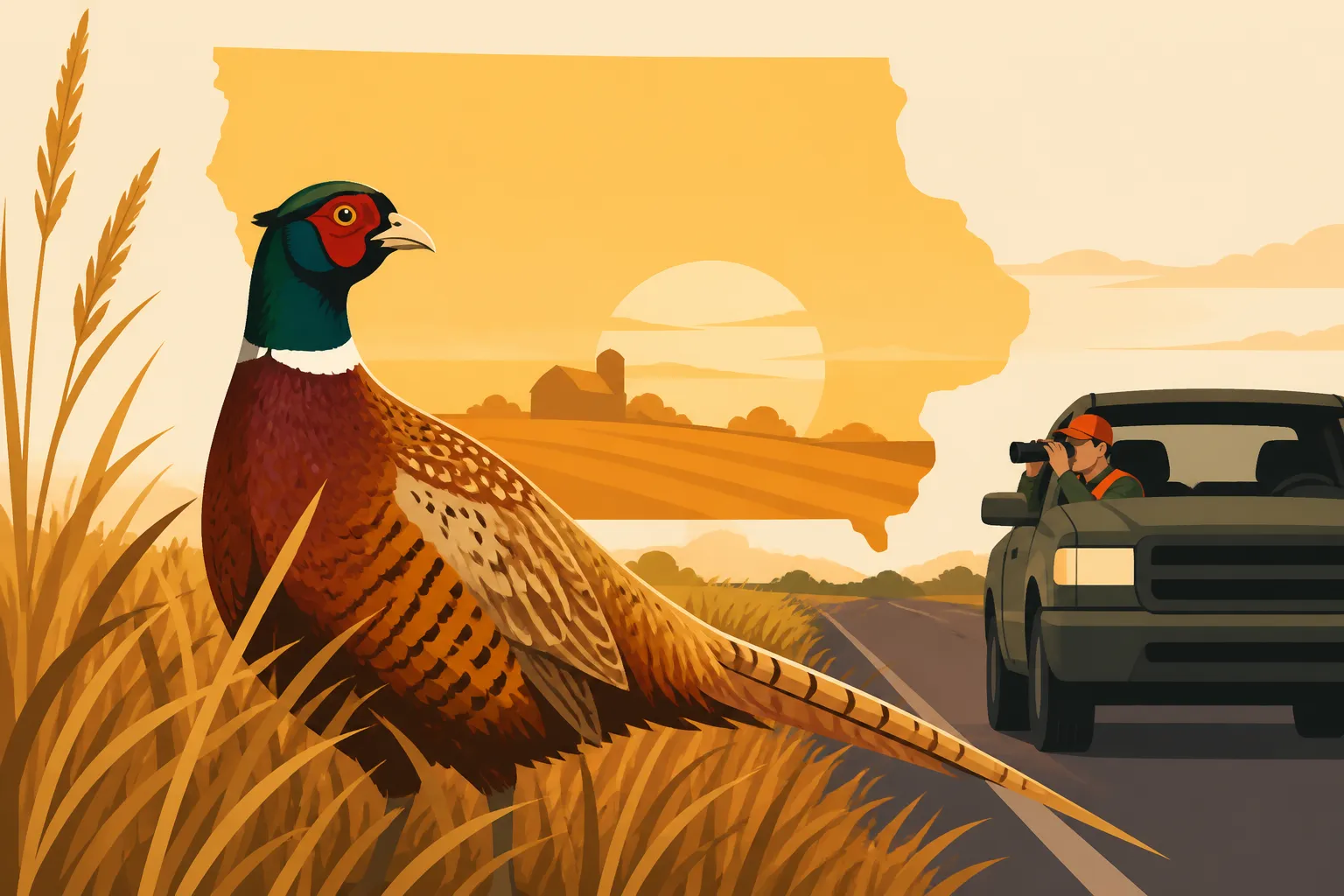
The Iowa pheasant roadside survey is conducted annually during the first two weeks of August, a very specific window that's critical to its accuracy and comparability. DNR wildlife biologists and technicians drive 208 standardized 30-mile routes across all 99 counties in Iowa. These routes are driven typically between 6:00 AM and 8:30 AM (or sunrise to 8:30 AM), when dew is still on the grass, causing pheasants and other upland birds (like quail and partridge) to move to the roadsides to dry off and forage for grit. This specific timing and methodology ensures that the survey conditions are as consistent as possible each year.
The observers record every pheasant they see, distinguishing between adults and young-of-the-year poults. They also record brood sizes. This detailed information allows the DNR to calculate not just the total number of birds seen, but also crucial metrics like the average brood size and the hen-to-poult ratio, which are strong indicators of nesting success and overall reproductive output for the year. The survey also tracks rabbits, quail, and gray partridge, providing a broader picture of small game populations. This meticulous data collection is what forms the backbone of the What the Iowa Roadside Survey Measures report.
Why the Timing is Crucial
The timing of the roadside survey in early August isn't arbitrary; it's scientifically chosen for several important reasons. By early August, most pheasant broods have hatched and are mature enough to be easily visible and counted, but still young enough to reflect the current year's reproductive success. Waiting much longer would mean poults are harder to distinguish from adults, and they might be less reliant on roadsides for drying off, skewing the counts.
Furthermore, this timing provides enough lead time for the DNR to analyze the data and release the results well before the pheasant season opens in late October. This allows hunters to use the information for their planning and scouting, giving them a valuable tool to decide where they might focus their efforts. If the survey results indicate a boom year in certain regions, hunters might shift their focus there, while lower numbers in other areas might prompt a more cautious approach. The consistency of the August timeframe over decades allows for year-to-year comparisons that are truly meaningful, highlighting trends and providing invaluable long-term data on Iowa Pheasant Population Cycles.
Decoding the Survey Results
Understanding the pheasant roadside survey isn't just about looking at the "birds per route" number. While that's certainly an important headline figure, truly decoding the results requires a deeper dive into the data. The DNR provides a wealth of information that, when properly interpreted, can give you a much clearer picture of what to expect in the field. Ignoring these nuances means you might miss critical insights that could lead to a more successful hunting season.
It’s easy to get frustrated if the overall state number is down, thinking the season is a bust. But the real story often lies in the regional breakdowns and specific metrics that highlight reproductive success or failure. This is where tools like GoHunt, with its mapping capabilities, can help you visualize how these survey numbers translate to actual ground in specific areas, allowing you to cross-reference with known habitat.
Interpreting Birds Per Route and Regional Data
The "birds per route" average is the most commonly cited figure from the roadside survey, representing the average number of pheasants observed on each 30-mile route. A higher number generally means more pheasants. However, it's crucial to look beyond the statewide average and delve into the regional breakdowns. Iowa is a large state with diverse weather patterns and habitat conditions, so pheasant numbers can vary dramatically from one region to another. The DNR typically breaks the state into several survey regions (e.g., North Central, Northwest, East Central, etc.).
For instance, a particular year might show a slight statewide decrease, but a specific region, perhaps the Northwest, could actually be experiencing a localized boom due to favorable weather and habitat. Conversely, a region hit by severe spring floods or a brutal winter might see significantly lower numbers, even if the statewide average remains stable. This regional specificity is paramount for effective hunt planning, guiding hunters to areas with better potential. The Iowa Pheasant Roadside Survey Results often highlight these regional differences, allowing you to pinpoint where Best Iowa Counties for Pheasants might be that year.
The Significance of Brood Sizes and Hen-to-Poult Ratios
Beyond just total birds, the survey provides crucial reproductive metrics: average brood size and the hen-to-poult ratio. These numbers offer a window into the nesting and brood-rearing success of the current year, which is a much stronger predictor of fall hunting numbers than just adult bird counts.
- Average Brood Size: This figure indicates how many young pheasants, on average, are surviving in each brood. A healthy average brood size (typically around 5-7 poults per hen) suggests good conditions for hatching and early survival. If this number is low, it suggests problems during the nesting or early brood-rearing period, such as excessive rain, cold temperatures, or high predation.
- Hen-to-Poult Ratio: This is arguably the most telling metric. It tells you how many poults were seen per adult hen. A high ratio (e.g., 4:1 or 5:1) means that hens were successful in hatching and raising a good number of young, indicating a strong recruitment year. A low ratio (e.g., 2:1 or 1:1) suggests poor reproductive success, meaning fewer young birds will be available for hunting in the fall, regardless of how many adult birds survived from the previous year. These ratios directly reflect Poult Survival and Spring Weather impacts and are critical for predicting the upcoming season's harvest potential.
Factors Influencing Pheasant Populations
Pheasant populations in Iowa are incredibly dynamic, influenced by a complex interplay of environmental and human factors. It's never just one thing that determines whether it's a boom year or a bust; rather, it's a combination of several key variables that can swing numbers wildly from one season to the next. Understanding these factors helps to explain why those roadside survey numbers can change so dramatically and why some years just feel "birdier" than others. It also provides a better context for the challenges faced by the Iowa DNR and conservation groups in managing this prized game bird.
Hunters often feel the immediate impact of these fluctuations on opening weekend, and it can be disheartening to walk miles without a flush. But knowing the underlying reasons for these changes can foster a deeper appreciation for the birds' resilience and the ongoing efforts to support them.
Weather Extremes and Their Impact
Weather is perhaps the most significant, uncontrollable variable affecting pheasant populations in Iowa. From one season to the next, the weather can be a friend or a foe:
- Winter Severity: Harsh winters with deep, persistent snow and prolonged periods of extreme cold can be devastating. When snow covers food sources for extended periods, pheasants can starve, and bitter cold without adequate thermal cover leads to mortality. A severe winter can decimate the overwintering adult population, leading to fewer breeding birds in the spring, directly impacting the Winter Severity and Iowa Pheasant Numbers.
- Spring Weather: This is absolutely critical for nesting and poult survival. Cold, wet springs can lead to increased nest abandonment, reduced hatch rates, and high mortality for newly hatched poults, which are highly susceptible to hypothermia and diseases in damp conditions. Conversely, a warm, dry spring often translates to excellent nesting success and strong recruitment, leading to a bump in the Iowa Pheasant Roadside Survey Results.
- Summer Droughts or Floods: While less immediately impactful than spring or winter weather, extreme summer conditions can also play a role. Prolonged droughts can reduce insect populations (a vital food source for young poults) and degrade habitat quality. Extensive summer flooding can destroy nests, drown young birds, and make areas temporarily uninhabitable.
Predation and Habitat Quality
Predation is a natural part of the ecosystem, and pheasants have evolved defenses against it. However, when habitat quality is poor, pheasants become much more vulnerable. A good balance of habitat can mitigate the effects of predation.
- Predator Numbers: Common pheasant predators in Iowa include coyotes, foxes, raccoons, skunks, and various raptors. While predator populations fluctuate, sustained high numbers can impact pheasant survival, especially in areas with fragmented or limited cover. However, typically, good habitat is the best defense against predation, offering pheasants places to hide and escape.
- Habitat Fragmentation: When prime pheasant habitat is broken up into small, isolated patches, birds have fewer places to hide and are forced to travel across open, exposed areas. This makes them easy targets for predators. Quality habitat isn't just about having cover; it's about how that cover is arranged across the landscape. Large, contiguous blocks of diverse cover provide better protection and reduce the impact of predation. The lack of continuous cover is a real issue for Pheasant Hunting Iowa Grass and Crop Edges as birds will often run out of good hiding spots.
Farming Practices and Conservation Programs
Modern agricultural practices have a profound influence on pheasant habitat. As discussed earlier, larger fields, intensive tillage, and reduced field margins directly impact the amount and quality of available cover and food. However, conservation programs aim to counteract these trends.
- Conservation Reserve Program (CRP): CRP is a federal program that pays landowners to take environmentally sensitive land out of agricultural production and plant it with conservation covers, such as grasses and wildflowers. These CRP fields are absolutely vital for pheasants, providing excellent nesting, brood-rearing, and winter cover. Fluctuations in CRP acreage in Iowa have a direct correlation to pheasant numbers.
- Other Programs: State initiatives, often supported by hunting license sales, also contribute to habitat restoration and protection. Programs focused on wetland restoration, planting buffer strips along waterways, or establishing wildlife habitat areas help create those crucial pockets of diversity that pheasants need to survive and thrive. Understanding these programs can also help hunters identify potential Hunting Iowa Walk-In Ground Without Burning It Out areas.
Finding Pheasants Beyond the Survey
While the roadside survey is an invaluable tool for understanding regional pheasant trends, it's just the starting point. Successful pheasant hunting in Iowa requires more than just knowing which quadrant of the state has the highest "birds per route" number. It demands boots-on-the-ground scouting, an eye for prime habitat, and a willingness to explore. The survey gives you the broad strokes; your personal scouting fills in the details.
Many hunters feel overwhelmed by the vastness of Iowa's landscape and the limited public access. This section will empower you to go beyond the numbers and develop practical strategies for locating birds, maximizing your chances of a successful hunt. Remember, even in a "down" year, there are still pheasants to be found; you just have to know where to look and how to interpret the subtle clues the landscape provides. This is where detailed mapping tools, like those offered by GoHunt, become indispensable, allowing you to layer different habitat types and property boundaries.
Pre-Season Scouting and Aerial Imagery
Long before opening day, effective pre-season scouting can drastically increase your odds. Modern technology has revolutionized this aspect of hunting, making it more efficient than ever.
- Aerial Imagery: Start from home with aerial imagery (Google Maps, onX Hunt, GoHunt, etc.). Look for the specific habitat types we discussed: large blocks of CRP grass, cattail sloughs, dense brushy draws, unharvested food plots, and timbered edges adjacent to crop fields. Pay close attention to how these different cover types connect. Pheasants often use these corridors to move between feeding and bedding areas. Identify pinch points, shelterbelts, and areas where multiple cover types converge—these are often pheasant magnets. You can use these maps to find good access points for Scouting Iowa Public Land Before the Opener.
- Boots-on-the-Ground: After identifying promising areas on your map, it's time to put your boots on the ground. This could involve walking the edges of public lands, driving gravel roads to observe fields, or even knocking on doors for private land access (always with permission!). Look for direct pheasant sign: droppings, feathers (especially the distinct barred tail feathers of roosters), and dusting bowls. Pay attention to crops being harvested; pheasants will move from standing corn to other cover as fields are cut. Early morning or late evening drives can reveal birds moving between roosting areas and feeding fields.
Reading Cover and Field Edges
Pheasants are masters of concealment, and knowing how to "read" the cover is a skill that comes with experience but can be learned. It's not just about looking for tall grass; it's about looking for the right kind of tall grass and how it interacts with other features.
- Density is Key: Pheasants prefer dense, protective cover. Thin, sparse grass offers little protection from predators or harsh weather. Look for areas where the grass is thick at the base, providing concealment from above and insulation from the ground. Think about areas that will hold snow but also provide refuge under the snow.
- Edge Habitat: Field edges are often prime locations. This could be where a cornfield meets a CRP field, or where a brushy ditch runs alongside soybeans. These "edge habitats" offer both food (from crop fields) and cover (from the adjacent natural vegetation). Pheasants will often congregate along these edges, especially in the early morning and late afternoon. When Working Pheasant Cover Without a Dog, paying close attention to these edges and their density is paramount.
- Water Sources: While pheasants don't require open water like ducks, they do need moisture. Dew on the grass is often enough, but areas near sloughs, wetlands, or even drainage ditches can hold higher insect populations and provide denser vegetation, making them attractive to birds.
| Habitat Feature | Pheasant Benefit | Scouting Tip |
|---|---|---|
| CRP Grasslands | Nesting, brood-rearing, winter cover, food | Look for dense, tall grass blocks. Prioritize older CRP contracts. |
| Cattail Sloughs | Excellent winter thermal & escape cover, roosting | Often holds birds in late season. Approach carefully, they'll flush wild. |
| Brushy Draws/Shelterbelts | Travel corridors, escape cover, winter thermal cover | Connects larger cover blocks, birds travel here. Check edges and interiors. |
| Standing Corn/Soybeans | Food, temporary cover (until harvested) | Once harvested, birds move to adjacent cover. Look for late-season standing corn. |
| Drainage Ditches/Fence Rows | Travel lanes, marginal cover, some food | Often overlooked, can hold single birds or small coveys. |
| Food Plots | Concentrated food source in fall/winter | If accessible on public land, can be magnets. Look for adjacent heavy cover. |
Conservation Efforts for Iowa Pheasants
The continued presence of pheasants in Iowa is not accidental; it's the result of ongoing, dedicated conservation efforts by state agencies, non-profit organizations, and private landowners. Given the pressures of modern agriculture and changing climate patterns, active management and habitat creation are absolutely essential to ensure these magnificent birds continue to thrive for future generations of hunters. Without these efforts, the pheasant cackle might become a much rarer sound across the Iowa landscape.
Hunters themselves play a crucial role, not just through their license fees that fund many of these initiatives, but also through advocating for and participating in habitat projects. It's a collective responsibility to protect and enhance the natural resources that make Iowa such a special place for upland bird hunting.
State and Federal Programs
Numerous programs at both the state and federal levels are designed to support pheasant populations:
- Iowa DNR Wildlife Management Areas (WMAs): The Iowa DNR actively manages thousands of acres across the state as WMAs. These areas are specifically designed to provide high-quality habitat for various wildlife, including pheasants. They often feature a mix of grasslands, wetlands, and food plots, offering prime hunting opportunities and serving as vital breeding grounds. The DNR constantly works on these lands, employing techniques like prescribed burns and strategic plantings to enhance habitat. You can often find information on Iowa Wildlife Management Area Acres through the DNR website.
- Conservation Reserve Program (CRP): As mentioned, CRP is a cornerstone of pheasant conservation. Administered by the USDA, it provides financial incentives to farmers to convert highly erodible cropland or other environmentally sensitive acreage to vegetative cover. These perennial grasses provide critical nesting, brood-rearing, and wintering habitat. Hunters should actively support policies that maintain and expand CRP acreage.
- Iowa Habitat and Access Program (IHAP): IHAP is a state-level initiative that partners with private landowners to open up private land for public hunting access. These lands often have excellent habitat. The program pays landowners to allow access, and in return, hunters get more places to go. It's a fantastic example of a win-win, expanding Public Hunting Land in Iowa and giving birds more secure cover. You can find IHAP tracts on the Iowa DNR Hunting Atlas.
Non-Profit Conservation Organizations
Beyond government agencies, several non-profit organizations are instrumental in pheasant conservation:
- Pheasants Forever (PF): This organization is a powerhouse in upland habitat conservation. PF has local chapters across Iowa that work directly with landowners to implement habitat projects, fund equipment for habitat management, and advocate for pro-wildlife policies. They're often involved in planting food plots, restoring wetlands, and establishing pollinator habitat, all of which benefit pheasants. Their "seed sales" and youth programs are also key components of their efforts.
- Ducks Unlimited (DU), National Wild Turkey Federation (NWTF), etc.: While their primary focus might be waterfowl or turkeys, many of these organizations' habitat efforts indirectly benefit pheasants. Wetland restorations, timber stand improvements, and planting native grasses create diverse ecosystems that support a wide range of wildlife, including upland birds. Supporting any of these conservation groups is a direct investment in the future of hunting in Iowa.
- Local Conservation Groups: Many local county conservation boards and smaller regional groups also undertake critical habitat work. These grassroots efforts are vital for addressing specific local needs and building community involvement in conservation.
Pheasant Hunting Tactics in Iowa
Once you've done your scouting, consulted the roadside survey, and know where you're heading, it's time to think about tactics. Pheasant hunting in Iowa is a very active pursuit, often demanding a lot of walking, strategic thinking, and, ideally, a good dog. It's not usually a sit-and-wait kind of hunt, but rather an engaging experience where you actively work the cover. The sheer excitement of a rooster flushing from underfoot, cackling as it gains altitude, is what keeps us coming back year after year.
Remember, safety is paramount, especially when hunting with a group. Communication and clear understanding of roles are critical. While this section gives a brief overview, there are many detailed strategies for Pheasant Hunting Iowa Grass and Crop Edges that you can explore to refine your approach.
Working Cover With and Without a Dog
A good bird dog is undeniably an incredible asset for pheasant hunting, but it's not absolutely essential. Many successful pheasant hunters in Iowa operate effectively without a canine companion.
- With a Dog: A well-trained flushing dog (like a Springer Spaniel, Labrador Retriever, or German Shorthaired Pointer) can cover far more ground than a human, penetrate thick cover that you might avoid, and most importantly, find and retrieve downed birds. Dogs help locate those tight-holding roosters that would otherwise be missed. They also dramatically reduce crippling losses, ensuring humane recovery of birds. When hunting with a dog, pay attention to their body language; they'll often tell you a bird is nearby before you see it. Ensure your dog is properly conditioned and hydrated, especially on long, warm days.
- Without a Dog: If you're hunting without a dog, you need to adjust your strategy. Focus on systematically walking through cover, leaving no stone unturned. Zig-zagging through dense grass, pausing frequently (pheasants often flush when hunters hesitate), and driving birds towards blockers are key tactics. Small, isolated patches of cover, ditches, and brush piles become even more important as pheasants will hold tight in these spots, making them accessible to a single hunter. For more details on this, check out Working Pheasant Cover Without a Dog.
Group Hunting and Blocking Strategies
Pheasant hunting often lends itself well to group efforts, especially when dealing with larger blocks of cover or trying to push birds out of heavy fields. Group tactics can dramatically increase success rates and add a fun social element to the hunt.
- Pushing and Blocking: This is a classic pheasant hunting strategy. A line of "pushers" walks through a field or strip of cover, moving slowly and systematically, while "blockers" are positioned at the end of the cover, ready for birds that flush ahead. This works particularly well in long, narrow strips of grass, shelterbelts, or sloughs. Communication between pushers and blockers is crucial for safety and effectiveness. Make sure everyone knows their role and maintains safe shooting lanes. This strategy is perfect for Blocking and Driving Iowa Grass Strips.
- Safety First: When hunting in a group, safety must be the absolute priority. Always wear blaze orange, know where every member of your party is at all times, and communicate constantly. Ensure everyone understands the shooting rules – never shoot at low-flying birds or in the direction of another hunter. Be mindful of property lines and safe zones, especially during Party Hunting Rules and Safe Drives.
When and Where to Find Birds During the Season
Pheasant behavior and location change as the season progresses, influenced by weather, hunting pressure, and crop harvest.
- Early Season (Late October – Mid-November): Birds are still dispersed, often in lighter cover, and less pressured. Standing corn can still hold a lot of birds. They're often found in CRP fields, road ditches, and field edges. Good for solo hunters or small groups. The Iowa Pheasant Season Dates typically start in late October.
- Mid-Season (Mid-November – Early December): Crop harvest is usually complete, forcing birds into remaining heavy cover. Hunting pressure increases. Focus on denser cover like thick sloughs, brushy draws, and larger blocks of CRP. Birds become wilier and will run more, requiring systematic pushing.
- Late Season (December – January): This is when birds are often concentrated in the densest, most protective winter cover. Cattail marshes, large multi-flora rose thickets, and deep draws adjacent to food sources are prime locations. Birds are tough and will hold tight. Snow cover makes tracking easier and can push birds into very specific areas, but also makes walking much harder. Remember to check Iowa Upland Bird and Waterfowl Seasons for specific closing dates.
Disclaimer
Please remember that hunting regulations and conditions can change. Always consult the official Iowa Department of Natural Resources (DNR) regulations and current publications before heading afield. This guide provides general information and tactics, but it is your responsibility to know and follow all applicable laws and safety guidelines.