Early-Season Bowhunting Over Water
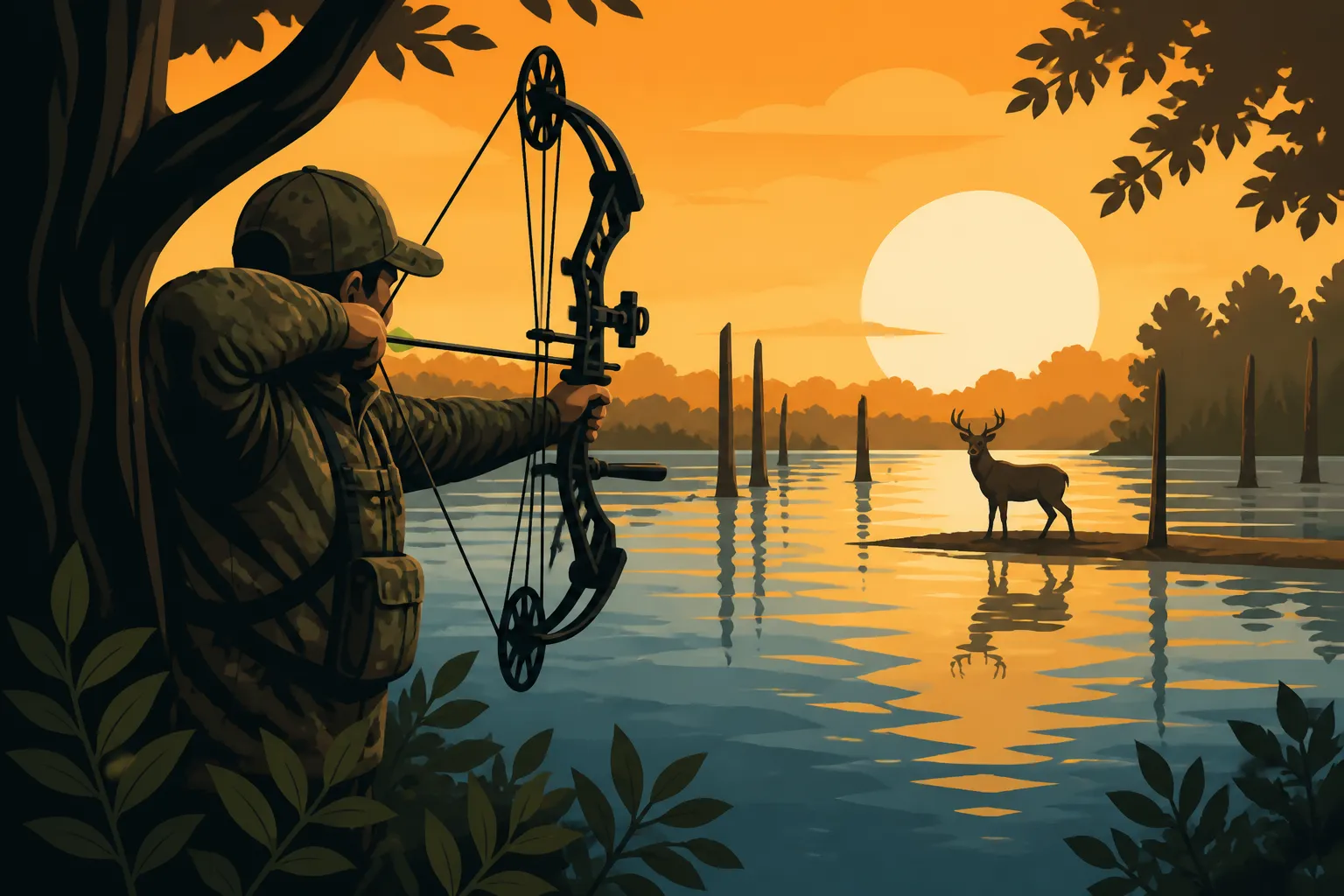
Early season bowhunting in Iowa can be incredibly frustrating. The vibrant green landscape, often uncomfortably warm temperatures, and deer still on relatively relaxed summer patterns make it a challenge to consistently connect. However, many hunters overlook one of the most consistent draws for whitetails when the acorns haven't dropped and crop fields are still standing tall: water. This guide will dive deep into why and how you can successfully target deer over various water sources during Iowa's early archery season.
Why Early Season Water Sources Are Deer Magnets
When the sun beats down and the humidity hangs heavy, a deer's primary concern, much like ours, is staying hydrated and cool. While lush greenery provides some moisture, a reliable, fresh water source becomes an absolute necessity, creating predictable movement patterns that savvy bowhunters can exploit.
The Thirst Factor in Warm Weather
Think about it: during the early archery season, especially in September and early October, Iowa often experiences warm, sometimes even hot, weather. Deer, just like any other mammal, need to drink water regularly to regulate their body temperature and aid in digestion. Their metabolism is still running high from the summer, and even though they're shedding velvet, their need for hydration is constant. Unlike late season when snow or dew might provide some moisture, the early season's dry spells make standing water sources invaluable.
Many early-season food sources, like standing soybeans or alfalfa, are relatively dry compared to the succulent green growth of spring. While deer get some moisture from their forage, it's often not enough, especially if they're pushing through thick timber or bedding in open CRP fields under a hot sun. This makes a consistent water source, be it a small pond, a trickling creek, or even a seep, an undeniable magnet, drawing deer from surrounding bedding and feeding areas. They'll often hit these spots during midday lulls or on their way to evening feeding, making for a perfect ambush point.
Natural Travel Corridors and Edge Habitat
Beyond just providing a drink, water sources often double as critical travel corridors and create highly productive edge habitat. A winding creek bottom, for example, often features dense cover along its banks, offering deer a secure, concealed path to move between their bedding areas and distant food plots or agricultural fields. They can navigate these areas without exposing themselves in open areas, using the terrain and vegetation for safety.
These natural corridors are often funnel points. A narrow creek or a small pond nestled within a larger timber block will naturally constrict deer movement, forcing them to pass through predictable areas. Moreover, the edges around water sources, where timber meets open water or where different vegetation types converge, are classic edge habitats. Deer are creatures of the edge, preferring to move along the boundaries of different cover types. A timbered pond bank or a brushy creek edge provides both security and access to water, making them prime locations for a well-placed treestand. You can learn more about Hunting a Narrow Creek Corridor if you have such a feature on your hunting property.
Identifying Prime Water Sources for Bowhunting
Finding just any water source isn't enough; you need to identify the prime ones that deer are actively using. This requires a combination of detailed map scouting and diligent boots-on-the-ground reconnaissance.
Creeks, Ponds, and Seeps on Public & Private Land
Iowa's landscape, particularly in farm country, is dotted with various water sources. Small creeks, often meandering through timbered draws or agricultural fields, are common. Many farms also feature man-made ponds, built for livestock or erosion control, which become essential for wildlife. Don't overlook smaller, less obvious sources like natural seeps or even depressions in the ground that hold water after a rain. The key is consistency and deer preference. A small, muddy seep might be more frequently visited than a large, clear pond if it offers better cover or is closer to a preferred bedding area.
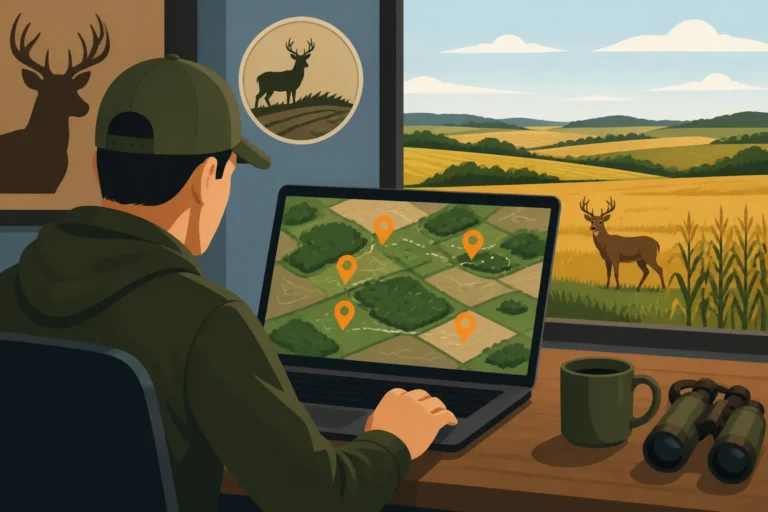
When you're looking for these spots, think about both public and private lands. On public land, creeks and river bottoms are often the most reliable, especially if they have good timber cover along their banks. For private land, farm ponds are abundant. Don't be afraid to knock on doors and ask for permission to scout a specific pond. Tools like the Iowa Hunting Atlas or mapping applications like GoHunt can be invaluable for identifying these features from your couch, showing public land boundaries, timber blocks, and often even mapping out small water bodies and drainage patterns. This digital scouting gives you a fantastic head start, allowing you to prioritize areas for physical scouting. In fact, if you're struggling to find water sources in certain areas, particularly in drier regions, you might find specific advice on Finding Water in Dry Southern Iowa incredibly helpful.
Reading Aerial Maps and Topography
Before you even step foot in the woods, spend significant time pouring over aerial maps. Look for blue lines indicating creeks or rivers, and identify any small ponds or wet spots. Pay close attention to topography. Contour lines that form a "V" shape pointing uphill usually indicate a drainage or a creek bottom. Areas where contour lines are very close together show steep terrain, which can funnel deer, while flatter areas with slight depressions might indicate where water pools. Learning to use tools for Reading Aerial Imagery for Bedding Cover is also crucial, as water sources are often intrinsically linked to bedding and travel.
Once you've identified potential water sources on your map, visualize how deer might travel to them. Are there clear trails leading from nearby timbered ridges or bedding thickets? Are there pinch points or funnels created by the topography that would force deer past the water? Your goal is to narrow down your scouting efforts to the most promising locations. While maps are excellent starting points, nothing replaces getting on the ground to confirm your suspicions and look for actual deer sign.
Scouting Water Sources Effectively Before the Season
Once you have a handful of promising water sources identified on your map, it's time to hit the woods. Early season scouting is all about confirming deer activity and understanding their patterns before you introduce any hunting pressure.
Locating Fresh Sign and Active Trails
When you're on the ground, your eyes should be peeled for fresh deer sign. Around water sources, this primarily means tracks in the mud along the bank. Look for clear, sharp hoof prints – these indicate recent activity. Pay attention to the size of the tracks; larger, blunter tracks might indicate a mature buck. Scour the edges for fresh droppings, which can tell you how recent and consistent the deer usage is. If you find heavily browsed vegetation or fresh rub lines leading to or from the water, you've hit a jackpot.
It's vital to differentiate between a water source deer occasionally pass by and one they actively use as a primary drinking spot. A few old tracks don't make a prime location. You're looking for an abundance of fresh sign, indicating regular, consistent visits. Consider the entire travel route. Are there well-worn trails leading directly to the water? If so, follow them back towards potential bedding areas to understand the full picture of deer movement. Remember, the goal isn't just to find water, but to find water that deer are consistently frequenting in the early season.
Using Trail Cameras for Patterning
Trail cameras are your best friends when patterning deer around water sources. Place them strategically on main trails leading to the water, or directly overlooking a well-used drinking spot. Position your cameras low to avoid spooking deer and ensure you get clear shots. A time-lapse mode can be particularly useful for monitoring large areas around a pond or an extended creek bank, showing you general activity patterns throughout the day.
When reviewing your trail camera footage, look for patterns. What times of day are deer visiting? Is it predominantly does and fawns, or are you seeing mature bucks? Pay attention to temperature data if your camera provides it; higher temperatures often correlate with increased water visits. Consistent daytime activity, especially during the midday hours when deer are often bedded elsewhere, is a huge indicator of a prime water source. Just be mindful not to over-pressure these sensitive areas with frequent camera checks, especially as the season draws near. Set them and leave them for a week or two at a time.
Stand Placement Strategies for Water Hunts
Once you've confirmed active water sources, the next critical step is to strategically place your stand or blind for optimal success. This involves a delicate balance of concealment, wind awareness, and anticipating deer movement.
Playing the Wind and Thermals
This is arguably the most crucial factor when hunting over water, especially in early season. In warm weather, scent control is paramount, and near water sources, wind and thermals can be tricky. Creek bottoms and low-lying areas often experience swirling thermals, particularly in the morning and evening as temperatures change. Warm air rises in the morning and cool air sinks in the evening. Understanding how these air currents move through a draw or along a river break is essential for not getting busted. For example, if you're hunting a creek bottom in the evening, thermals will typically pull your scent downhill and then downstream. You need to position your stand to ensure your scent is carried away from approaching deer.
Ideally, you want your stand to be elevated, if possible, to help carry your scent above the deer's nose. However, if elevated stands aren't feasible, a well-brushed-in ground blind can also work, provided you have a consistent wind. Always approach and exit your stand with the wind in your favor, and be prepared to move if the wind shifts unexpectedly. You can learn more about how to navigate these challenges by studying Wind and Thermals in River Breaks. Always bring a wind checker and use it frequently throughout your hunt.
Setting Up for Optimal Shot Opportunities
Beyond wind, consider the most likely entry and exit points deer will use around the water. Look for worn trails, natural funnels created by topography or dense vegetation, and areas where deer are forced to cross in the open. Your stand should offer clear shooting lanes to these key areas, as well as to the water source itself. Think about shot angles – often, deer will be facing the water, offering quartering-away or broadside shots as they approach or drink.
Consider the sun's position. Early season sun can be intense, so try to position your stand where you won't be silhouetted against the morning or evening sky, and where direct sunlight won't glare off your optics or blind your view. Having multiple stand locations for different wind directions is ideal, allowing you flexibility. For example, you might have one stand for a north wind and another for a south wind, ensuring you can hunt the spot effectively without giving away your presence. Also, consider the overall landscape; are there Best Stand Locations in Rolling Timber nearby that you can leverage with a water source?
Early Season Considerations Beyond the Stand
Hunting over water in the early season presents unique challenges that go beyond just finding the right spot and setting up. From managing your scent in the heat to ensuring a swift recovery, these details can make or break your hunt.
Managing Scent and Approach/Exit Routes
Early season heat means you're going to sweat, and sweat means scent. Meticulous scent control is not just recommended, it's absolutely crucial. Shower with scent-free soap, use scent-eliminating sprays, and store your hunting clothes in airtight containers. Dress in layers so you can shed clothing during your walk in to minimize sweating. Rubber boots are a must to keep ground scent to a minimum, especially in damp areas around water.
Equally important are your approach and exit routes. Deer hitting a water source are often on high alert, even during the mid-day. Your route to and from your stand should be as quiet and concealed as possible, avoiding bedding areas and any established deer trails. Use terrain features, ditches, or dense vegetation to hide your movement. It's often best to plan your approach so that you're walking into the wind, or at least crosswind, to avoid blowing your scent into the area you intend to hunt. This principle of silent entry and exit is critical for not educating the deer to your presence, a topic deeply explored in guides like Access Routes That Do Not Bump Deer.
Post-Shot Strategy in Warm Weather
One of the most critical, and often overlooked, aspects of early season bowhunting is the post-shot strategy. When temperatures are warm, even sixty degrees Fahrenheit, blood trailing and meat care become urgent priorities. A deer hit effectively will still need time, but waiting too long can lead to spoiled meat. If you make a good shot, wait at least 30-60 minutes for a broadside lung shot, and longer for any shot that might be less than ideal. However, don't wait overnight if the temperatures are still high.
Once the deer is down, you need to act quickly. Field dressing should happen immediately to begin the cooling process. Get the guts out, open the body cavity to allow air circulation, and if possible, prop it open with a stick. If you have a long drag, consider quartering the deer in the field to reduce weight and make it more manageable. Transport the deer to a cooler as quickly as possible, packing the body cavity with ice or frozen water jugs. This rapid cooling is paramount to preserving the quality of the meat. You can find more specific advice on Field Dressing in Sixty-Degree Weather and techniques for Getting a Deer Cooled in October, which are invaluable for successful early season hunting.
| Water Source Type | Pros | Cons | Ideal Hunting Conditions |
|---|---|---|---|
| Small Farm Pond | Consistent water source, good cover nearby | Can be open, limited approach routes | Warm, dry periods, low wind |
| Winding Creek | Natural travel corridor, good concealment | Swirling thermals, challenging shot angles | Stable winds, varied terrain to block scent |
| Natural Seep/Spring | Often overlooked, very consistent | Small area, easily over-pressured | Very hot/dry weather, minimal hunting pressure |
| River Backwater | Abundant water, diverse habitat | Large area to pattern, difficult access | Mid-day movement, good boat access |
| Temporary Puddle | Hyper-local draw after rain, fresh sign | Unreliable, short-lived, limited cover | Post-rain events, immediate scouting required |
Disclaimer
Disclaimer: Hunting is an inherently dangerous activity. Always prioritize safety, follow all local and state regulations, and obtain proper licensing. This guide provides general information and recommendations; individual results may vary. Consult the Iowa Department of Natural Resources for current regulations and safety guidelines.