Pheasant and Quail Meat Handling
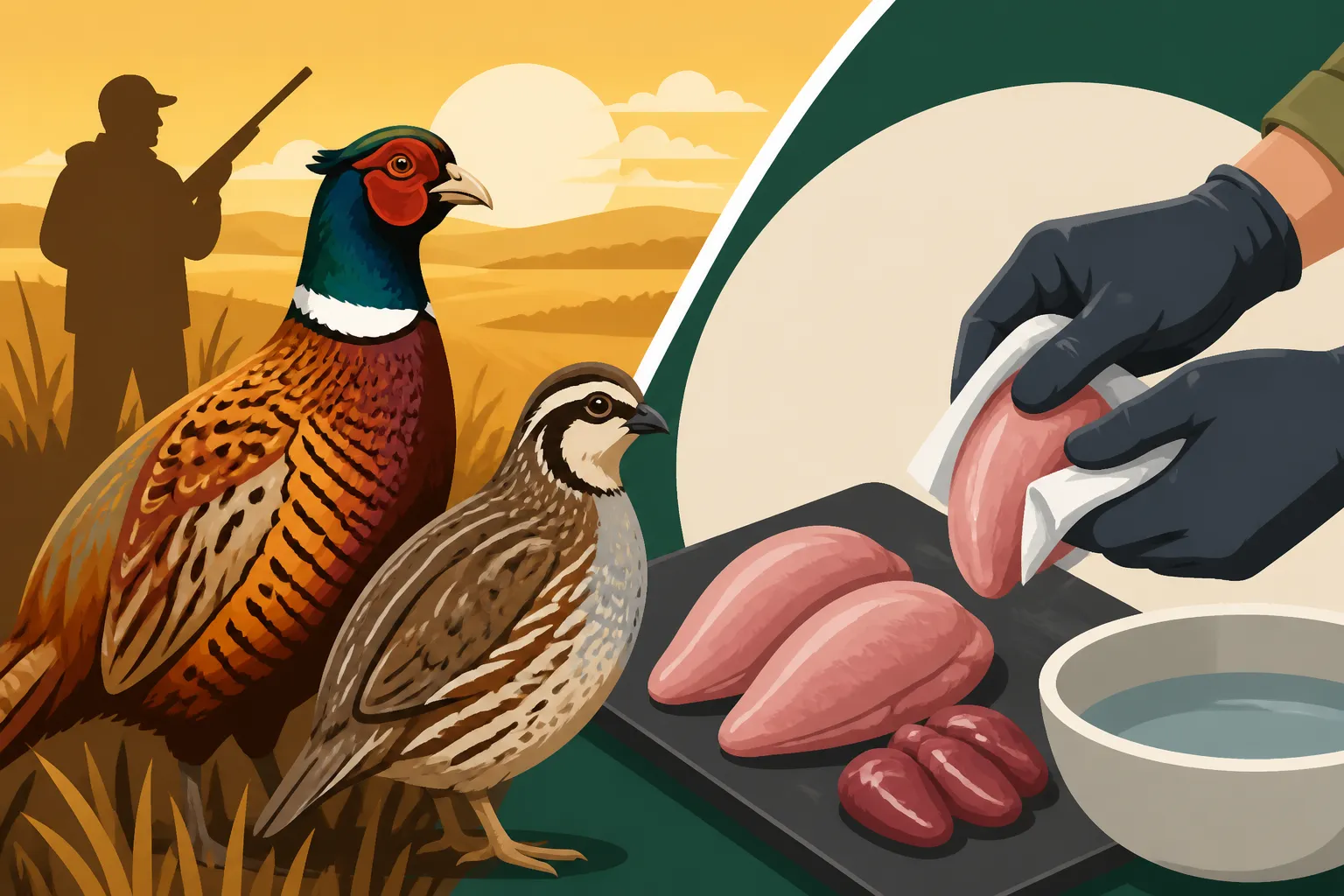
You’ve just made a great shot on a pheasant rocketing out of a CRP field or perhaps a covey of quail burst from a brush pile, and you’ve connected. That moment of triumph quickly transitions to responsibility: how do you properly handle that hard-earned game bird to ensure it makes it to your dinner plate tasting its absolute best? Nothing sours the experience faster than mishandling wild game, leading to tough, off-tasting meat. This guide will walk you through everything from immediate field care to long-term storage, ensuring your Iowa pheasant and quail harvests are delicious.
The Critical First Steps: Field Care Immediately After the Shot
The moment your bird hits the ground, the clock starts ticking on meat quality. Unlike big game, pheasants and quail are small, but they can still spoil quickly, especially on a warmer day early in the season. Immediate attention is key to preserving that delicate flavor. Don't just toss it in a game bag and forget about it for hours; those critical first minutes make a huge difference.
Cooling Down Your Bird Quickly
The primary enemy of fresh game meat is heat. A bird's body retains heat, and if that heat isn't dissipated, bacteria begin to multiply rapidly, leading to off-flavors and spoilage. As soon as you retrieve your pheasant or quail, your first priority should be to cool it down. If you're carrying a small cooler with ice packs, that's ideal. Many hunters, especially upland hunters covering miles on foot, don't carry a cooler. In this scenario, stringing the birds up on a game strap or simply hanging them where air can circulate around them is crucial. Avoid piling birds in a tight game vest pocket where body heat can accumulate. Spreading them out helps immensely. Even a slight breeze can work wonders.
Think about it: you're walking across a sunny Iowa Pheasant Hunting Grass and Crop Edges field in October, and the temperatures are in the 50s or 60s. A bird shoved into a game pocket against your back will stay warm, potentially ruining the breast meat. Instead, if possible, hang them from a game strap or your belt, allowing air to get to them. Some hunters will even fan the wings out to further aid in cooling. For birds like quail, which are even smaller, this cooling process is equally vital. Don't underestimate how quickly a small bird can "cook" itself if not handled properly.
Gutting vs. Leaving Intact for Transport
There's an ongoing debate among bird hunters: do you field dress (gut) your pheasants and quail immediately, or do you leave them intact until you get back to camp or home? For many, especially when dealing with smaller birds like quail, the preference is often to leave them intact. The entrails can be messy, and if you're Working Pheasant Cover Without a Dog for several hours, it's not always practical to clean each bird thoroughly in the field. However, if the weather is warm, gutting can be a smart move, similar to how you might handle a deer when field dressing in warm October weather.
If you choose to gut them, simply make a small incision from the breastbone to the vent, reach in, and remove the entrails. Be careful not to puncture any organs, as this can make a bigger mess. Removing the guts immediately eliminates a major source of bacteria and heat, allowing the carcass to cool down much faster. The cavity can then be wiped clean with a paper towel or even some dry grass if water isn't available. If you opt to leave them intact, which is common practice for many upland hunters, focus intensely on maximizing external cooling and limiting transport time. Make sure air can circulate freely around each bird. When you get back to your vehicle or camp, transfer them to a cooler with ice as soon as possible. Some hunters, particularly when hunting solo for a mixed bag, will use their GoHunt app to mark where they bagged birds, allowing them to optimize their path back to the truck and a waiting cooler.
Getting Your Birds Home: Transport and Temporary Storage
You've done the hard work in the field; now it's time to ensure that effort isn't wasted on the journey home. Proper transport is just as critical as initial field care, especially if you have a bit of a drive ahead.
Keeping Them Cool in the Field and Vehicle
Once you've retrieved your birds, whether gutted or not, the goal is to keep them consistently cool. This means having a plan before you even leave the house. A dedicated cooler filled with ice or frozen water bottles is your best friend. Don't just toss the birds directly onto ice without protection; they can get waterlogged, which isn't ideal for meat quality. Instead, place them in zip-top bags or clean game bags before putting them on ice. This keeps the meat dry while still allowing it to chill rapidly. If you're on a long drive, periodically check the ice and drain any accumulated water.
For those long days Blocking and Driving Iowa Grass Strips or working Quail Coveys in Southern Iowa Brush, you might not have constant access to your vehicle and its cooler. In these situations, a well-ventilated game vest or a dedicated canvas game bag worn on your back can work wonders. The canvas allows air to pass through, promoting cooling, while keeping the birds contained. Avoid plastic bags in the field as they trap heat and moisture, creating a perfect environment for bacterial growth. If you anticipate a warmer hunt, perhaps late in the season after an Indian summer, consider a smaller, insulated backpack-style cooler with a few ice packs that you can carry with you to stash your birds. Using a hunting app like GoHunt to track your progress and navigate back to your vehicle efficiently can also help minimize the time your birds are out of optimal cooling conditions.
The Importance of Airflow and Cleanliness
Airflow isn't just important in the immediate aftermath of the shot; it's vital during transport too. Never pack birds tightly into a cooler or container without some space for air to circulate, even if they're on ice. Too much compression can damage the meat and prevent efficient cooling. If you have multiple birds, try to layer them with ice and ensure there's a bit of separation. When you arrive home, your first task should be to get them out of the cooler and either into the refrigerator or begin processing them immediately. Don't let them sit in meltwater for hours; that's a recipe for soggy, unappetizing meat.
Cleanliness also extends to your handling tools. Always have clean hands or gloves when handling your birds. The inside of your cooler should be spotless before you put game in it, and it should be thoroughly cleaned after each use. A diluted bleach solution or a good scrubbing with hot, soapy water is usually sufficient. This meticulous attention to hygiene prevents cross-contamination and ensures the integrity of your hard-earned meal. Remember, the same principles apply when getting a deer cooled in October; consistent temperature and cleanliness are paramount for any wild game.
Processing Your Birds: To Pluck or to Skin?
Now you're home, and your birds are chilled. The next big decision is how to remove the feathers. This choice primarily depends on your culinary preferences and how much time you have. Both plucking and skinning have their merits and drawbacks.
The Art of Plucking for Culinary Delights
Plucking a pheasant or quail takes more time and effort, there’s no denying it. But many, myself included, will tell you it’s worth every minute for the superior culinary experience. Why? Because the skin of these birds, especially a pheasant, holds a tremendous amount of flavor and fat. This fat bastes the meat during cooking, keeping it moist and adding richness. Roasted pheasant with crispy skin is a true delicacy. For a flavorful meal, keeping the skin on is the way to go.
The best way to pluck is often by hand, although some hunters use mechanical pluckers for larger volumes. Start by plucking against the grain of the feathers. For tough feathers, a quick dip in hot water (not boiling) can help loosen them, a technique known as scalding. Scalding also makes it easier to remove the fine down feathers. Be patient, take your time, and enjoy the process. It can be a bit messy, so setting up a dedicated plucking station outdoors or over a large tarp makes cleanup much easier. Don't forget to remove the feet and head, usually with a sturdy pair of game shears. The internal organs, if not already removed, should be carefully taken out, making sure to avoid breaking the gall bladder. The giblets—heart, liver, and gizzards—are often kept for gravy or pâté, so set them aside if that's your plan.
The Efficiency of Skinning for Quick Processing
If time is of the essence, or if you prefer a leaner cut of meat, skinning is definitely the faster option. Skinning a pheasant or quail can be done in a matter of minutes once you get the hang of it. Many hunters choose to skin, especially after a successful day where they've filled their Iowa Pheasant Daily Bag Limit or Iowa Quail Bag Limits and have many birds to process.
To skin, make an incision down the breastbone and then simply peel the skin away from the meat. You might need a knife to help separate the skin from the muscle in some areas, but often it comes off relatively easily. Once skinned, you can then remove the breast meat, legs, and thighs. The main downside here is losing that flavorful skin and the fat layer beneath it, which can result in drier meat if not cooked carefully. However, for stews, stir-fries, or dishes where the meat is braised or served with a sauce, skinning is perfectly acceptable and saves a lot of time. For smaller birds like quail, some hunters will even opt for a "breast out" method where they simply remove the breast meat from the carcass, leaving the legs and wings attached to the body, which is then discarded. This is the quickest way to get the primary meat.
Choosing Your Method: Pros and Cons Table
Deciding whether to pluck or skin often comes down to personal preference, time availability, and the intended recipe. Here's a quick comparison to help you weigh your options:
| Feature | Plucking | Skinning |
|---|---|---|
| Time Investment | High (30+ minutes per bird) | Low (5-10 minutes per bird) |
| Meat Quality | Retains skin and fat, richer flavor, moist | Leaner meat, potentially drier if not cooked well |
| Culinary Uses | Roasting, grilling, pan-frying (crispy skin) | Stews, stir-fries, braising, ground meat |
| Effort/Mess | High effort, more feathers to clean | Low effort, less mess (feathers stay with skin) |
| Skill Level | Requires patience and practice | Relatively easy, quick to learn |
Ultimately, there's no "wrong" choice, only the one that suits your needs and desired outcome. Try both methods to see which you prefer!
Butchering, Packaging, and Long-Term Storage
Once your birds are plucked or skinned, the final steps are to butcher them into manageable pieces, package them properly, and get them into storage. This ensures the meat stays fresh and delicious for months to come.
Breaking Down Your Birds for the Kitchen
Pheasants are similar in structure to small chickens, so you can butcher them into breasts, thighs, and drumsticks. Quail are smaller and often prepared whole or as breast fillets. To butcher a pheasant, you'll typically remove the wings, then the legs and thighs by cutting through the joint. Finally, you can separate the breast meat from the backbone. Many hunters simply remove the two breast halves whole, which is a very popular cut for both pheasants and quail. For quail, you can either cook them whole (if plucked) or remove the two small breast fillets. The small drumsticks and thighs can be saved for stock or small pan-fried pieces.
Before packaging, inspect the meat for any remaining feathers, shot pellets, or bruised areas. Trim away any heavily bruised sections, as these can affect flavor and tenderness. Give the meat a quick rinse under cold water if necessary, then pat it thoroughly dry with paper towels. Excess moisture can lead to freezer burn. This is a good time to reflect on the hunt itself, perhaps reviewing your GoHunt app for details on where you found that Iowa Ring-Necked Pheasants and the Roadside Survey showed higher numbers, planning for next season.
Proper Packaging to Prevent Freezer Burn
Freezer burn is the enemy of stored game meat. It occurs when air comes into contact with the meat, drying it out and altering its texture and flavor. To prevent this, vacuum sealing is by far the best method for long-term storage. A good vacuum sealer removes all the air and creates a tight seal, keeping your meat fresh for a year or more.
If you don't have a vacuum sealer, heavy-duty freezer bags or freezer paper can work, but you need to be more diligent. When using freezer bags, try to remove as much air as possible by pressing it out before sealing. You can also partially submerge the bag in water (without letting water get inside) to create a vacuum effect before sealing. For freezer paper, wrap the meat tightly, ensuring no air pockets, and then wrap it again in a second layer, taping the seams. Always label your packages with the date and contents (e.g., "Pheasant Breasts – Oct 2023"). This helps you keep track of your inventory and ensures you use older meat first. Properly packaged, your meat from Bobwhite Quail in Southern Iowa will be just as good as the day you shot it.
Freezing and Thawing for Best Results
Once packaged, place your game bird meat in the coldest part of your freezer. Rapid freezing helps preserve cell structure and minimize ice crystal formation, which can damage meat texture. Avoid overcrowding your freezer, as this can slow down the freezing process.
When you're ready to cook, proper thawing is just as important as proper freezing. The safest and best way to thaw game meat is slowly in the refrigerator. This can take 24-48 hours for larger cuts, but smaller pheasant or quail breasts might only need a day. Avoid thawing at room temperature, as this can encourage bacterial growth on the surface while the center remains frozen. If you need to thaw quickly, place the vacuum-sealed package in a bowl of cold water, changing the water every 30 minutes until thawed. Never use hot water, as this will start to cook the exterior of the meat unevenly. Following these steps will ensure that the delicious wild flavors of your Iowa pheasants and quail are perfectly preserved from the field to your plate, ready for your favorite recipes. You've invested time and effort in the hunt; invest a little more in the handling, and you'll be richly rewarded.
Disclaimer
This article is for general informational purposes only and does not constitute professional advice. Laws, prices and regulations vary by location and change over time. Consult a qualified professional for guidance on your specific situation.