Reporting a Sick Deer in Iowa
It's an unsettling feeling, isn't it? You're out driving in the quiet countryside, maybe scouting a new patch of timber, or perhaps just enjoying the view, and you spot a deer. But something isn't right. It's moving oddly, looks too skinny for the season, or maybe it's just standing there, unconcerned by your presence. Your heart sinks a little, and the thought immediately pops into your head: is that Chronic Wasting Disease? This guide is here to help you navigate that exact situation, explaining why your observations are so important and precisely how to report a sick or deceased deer to the Iowa Department of Natural Resources (DNR), ensuring you play a vital role in protecting our state's incredible deer herd.
Why Reporting a Sick Deer Matters for Iowa's Herd Health
When you spot a deer that just doesn't look right, your instincts are spot on. That uneasy feeling isn't just about one animal; it's about the health of the entire deer population we cherish here in Iowa. Every hunter, every outdoor enthusiast, becomes a critical set of eyes on the ground, helping the Iowa DNR monitor and manage potential disease outbreaks. Your report, no matter how small it seems, contributes directly to a bigger picture of herd health surveillance.
Understanding the Threat of Chronic Wasting Disease (CWD)
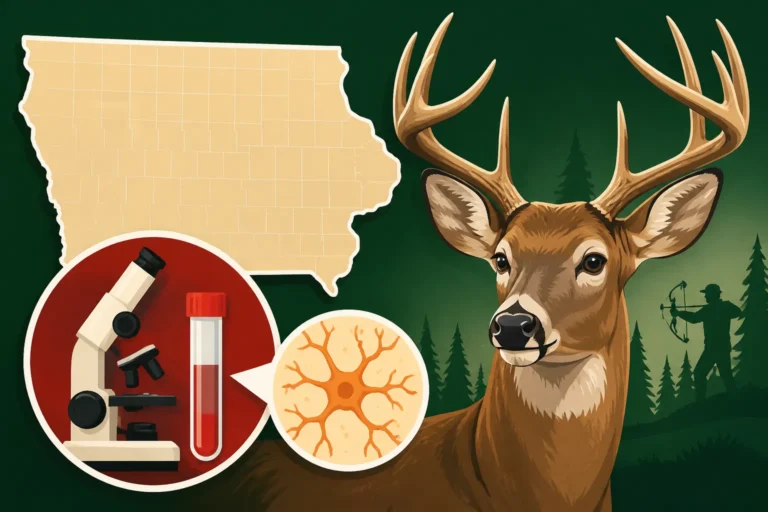
Let's talk about the big one, the disease that keeps many hunters up at night: Chronic Wasting Disease. CWD is a neurological disease, progressive and ultimately fatal, that affects deer, elk, and moose. It's caused by abnormal proteins called prions, which slowly damage the animal's brain and nervous system. The signs are heartbreaking to see – a deer becoming increasingly emaciated (hence the "wasting" part), stumbling, exhibiting abnormal behaviors, drooling excessively, and eventually succumbing to the disease. It's a slow, agonizing process, and there's currently no vaccine or cure.
The reason CWD is such a major concern for Iowa's deer population and for us hunters is its persistent and transmissible nature. The prions can survive in the environment for years, making it incredibly difficult to contain once established. Early detection is absolutely paramount for controlling its spread and understanding its distribution across the state. The more eyes we have out there, the better our chances of mapping where it is and preventing it from becoming widespread. You can learn more about how it's affecting us by looking into How Many Iowa Counties Have CWD and How CWD Spread Across Iowa Counties.
Other Diseases and Conditions Affecting Iowa Deer
While CWD rightly gets a lot of attention, it's important to remember that it's not the only ailment deer in Iowa can face. Often, hunters will see symptoms that look like CWD but are actually caused by other, sometimes less severe, conditions. For instance, Epizootic Hemorrhagic Disease, or EHD, is another significant concern, particularly in late summer and early fall when insect populations are high. EHD is caused by a virus transmitted by biting midges (often called "no-see-ums").
Deer infected with EHD typically develop a high fever, become lethargic, lose their appetite, and might develop swelling of the head, neck, and tongue. They often seek out water sources to cool down, which is why dead deer are frequently found near ponds, creeks, and rivers. Unlike CWD, EHD outbreaks are usually seasonal and often subside after the first hard frost kills the midges. Understanding the differences between these diseases is crucial for the DNR to implement appropriate management strategies, and your report helps them differentiate. Keep an eye on reports regarding EHD Outbreaks in Iowa Deer and Recovering From an EHD Year to understand the local impacts. Beyond diseases, deer can suffer from various traumas, like vehicle collisions or fence encounters, or simply extreme malnutrition during harsh winters. All these factors contribute to a deer looking "sick," and your report helps the DNR determine the cause and respond effectively.
The Role of Hunters and Concerned Citizens
Here in Iowa, our hunting community is truly the backbone of wildlife conservation. We spend countless hours in the field, observing deer behavior, monitoring patterns, and noticing the subtle changes in the environment. This makes us the absolute first line of defense against disease spread. You are more likely to encounter a sick animal than almost anyone else, simply because you're out there immersed in their world.
Your reports are not just logged into a database; they contribute directly to the DNR's ongoing surveillance and research efforts. This vital information helps wildlife biologists map disease distribution, identify potential hotspots, and understand trends that might influence future hunting regulations, season dates, or specific management zone requirements. When you take the time to report a sick deer, you're not just doing a good deed; you're actively participating in the scientific management of Iowa's deer herd, ensuring its health for generations to come.
How to Identify a Potentially Sick Deer
So, you're out there, and you see something. How do you know if it's truly a sick deer that warrants a report, or just an animal having a bad day or exhibiting normal behavior? It's not always cut and dry, but there are some key symptoms and observations that should definitely catch your attention.
Recognizing Key Symptoms
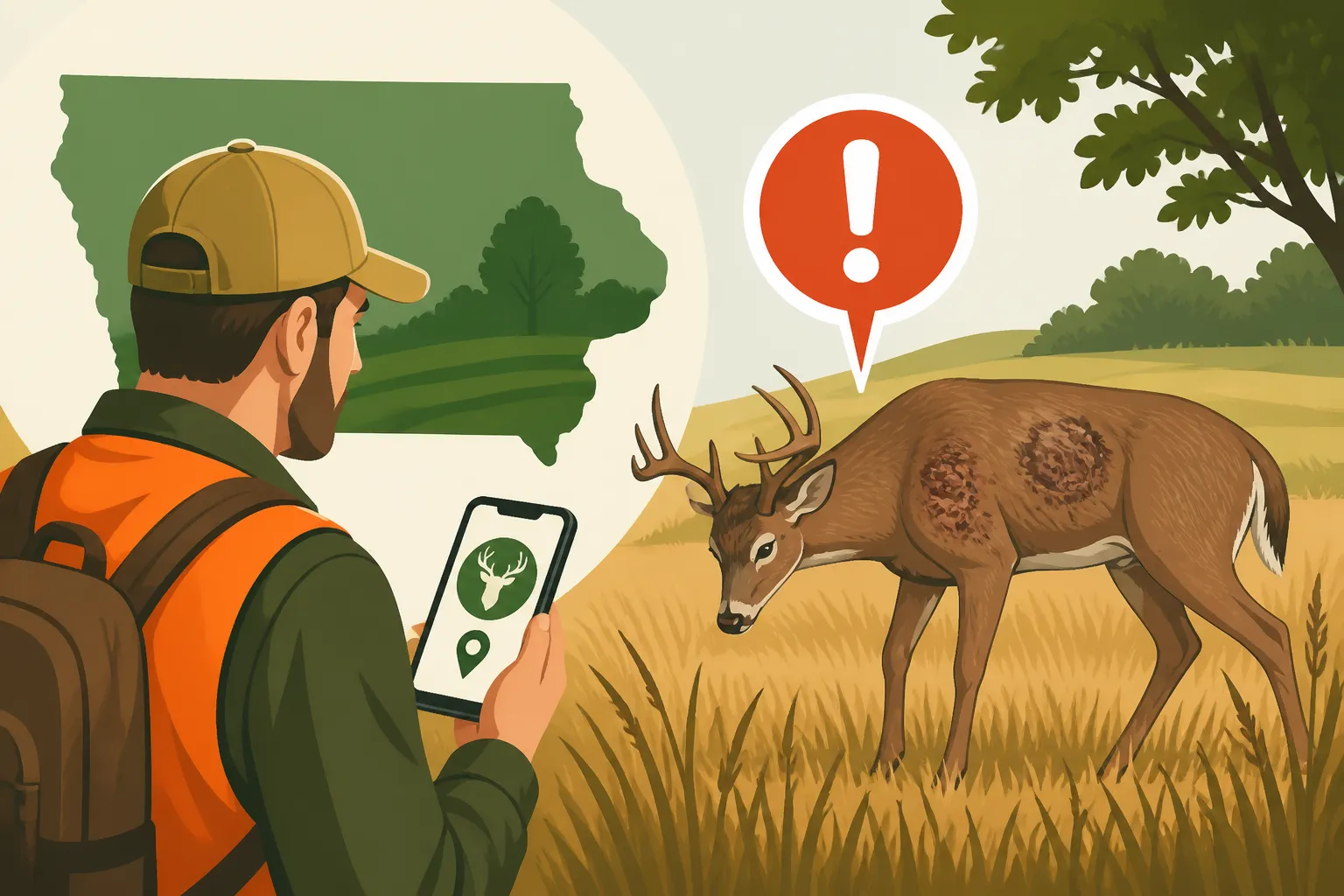
When observing a deer, try to note any unusual behaviors or physical appearances. A deer exhibiting signs of CWD will often show a combination of these over time, making it look progressively worse. For behavioral changes, look for profound lethargy or listlessness. This isn't just a deer taking a nap; it's an animal that seems utterly unresponsive to its surroundings, perhaps standing with its head down for prolonged periods. Another major red flag is a lack of fear of humans. Wild deer are naturally wary, so if one allows you to approach unusually close without reacting, that's a serious concern. They might also walk in circles, have an uncoordinated gait, or press their head against objects.
On the physical side, extreme weight loss, or emaciation, is a hallmark symptom, even if there's plenty of food available. Their coat might appear rough, dull, or unkempt, rather than the healthy sheen you typically see. Excessive drooling or salivation, often accompanied by a wet patch on their chin or chest, is another common sign, as is difficulty swallowing, which can lead to food buildup in the esophagus. Drooping ears can also be an indicator of neurological issues. While any one of these symptoms might have other causes, a combination, especially persistent weight loss and abnormal behavior, should trigger a report.
To help you distinguish between the two most common severe diseases, here's a quick comparison:
| Symptom | Chronic Wasting Disease (CWD) | Epizootic Hemorrhagic Disease (EHD) |
|---|---|---|
| Onset/Progression | Slow, progressive, chronic (weeks to months) | Rapid, acute (days to a week) |
| Seasonality | Year-round (not seasonal) | Late summer/early fall, ends with hard frost |
| Weight Loss | Severe, progressive emaciation (the "wasting") | Rapid, but not always as prolonged as CWD |
| Behavioral Changes | Lethargy, lack of fear, uncoordinated gait, head pressing, drooling | Lethargy, disorientation, seeking water, fever, swelling |
| Physical Signs | Rough coat, droopy ears, excessive drooling, difficulty swallowing | Swelling of head, neck, tongue; lesions in mouth/nose/hooves (if alive) |
| Deer Found Near | Anywhere | Often near water sources (to cool fever) |
| Mortality | Always fatal | High mortality, but some deer recover or are immune |
Distinguishing From Normal Deer Behavior or Other Injuries
It's easy to jump to conclusions when you see something unusual, but not every oddity means a disease report is necessary. A deer with a limp, for example, might have an old injury from a fence crossing or a skirmish with another buck. While it's sad to see, a limping deer that otherwise looks healthy and alert doesn't necessarily have CWD or EHD. Similarly, a deer that bolts away as soon as it sees you is behaving perfectly normally; it's the deer that doesn't react that you should be concerned about.
Don't confuse a deer bedding down peacefully in tall grass with lethargy, especially during midday or after feeding. They often rest and chew their cud. A young fawn might appear clumsy, which is normal as it grows. The key is to look for a combination of symptoms that point away from typical deer behavior. For instance, an animal that looks severely emaciated in the middle of a lush bean field in August, when food is abundant, is a stark contrast to a deer simply trying to survive a harsh January. Knowing what a healthy deer looks like in different seasons is part of being an observant hunter, and Why Iowa Grows Trophy Whitetails is a great reminder of our healthy population. Keep in mind that deer density can vary greatly across the state, as seen in Deer Density by Iowa County, so what might seem like a lot of deer in one area could be normal, while concentrated sick deer are always a red flag.
The Reporting Process in Iowa
Alright, you've seen something concerning, and you've tried to get a good read on the situation. Now it's time to report it. This isn't a complicated process, but having the right information upfront will make it much smoother for the DNR to respond effectively.
What Information to Collect Before Reporting
Before you even pick up the phone, try to gather as much detail as possible. The more specific you can be, the better.
First and foremost, get an exact location. This is perhaps the most critical piece of information. If you have a smartphone, open your mapping app (many hunters swear by tools like GoHunt for their detailed land base maps) and mark your precise GPS coordinates. If that's not possible, note the nearest address, road intersection, or specific landmarks. On public land, mentioning the Wildlife Management Area (WMA) or state park name and a description of where you saw the deer within it is incredibly helpful. For instance, "approximately 200 yards north of the main parking lot at Stephens State Forest." Using the Iowa DNR Hunter Atlas can help you pinpoint locations on public lands.
Next, record the date and time you observed the deer. Was it this morning, yesterday afternoon? This helps the DNR prioritize and understand the potential duration of the issue. Then, describe the deer's condition as specifically as you can. List all the symptoms you observed: "stumbling badly," "drooling excessively," "very emaciated, ribs showing," "lying down but didn't move when I approached," "walking in tight circles." Also, note the deer's status: Was it alive or deceased? If alive, was it moving, standing, or lying down? Finally, specify the number of deer affected. Was it just one, or did you see multiple animals acting strangely? Provide your contact information—your name, phone number, and email. The DNR might need to follow up for more details or to provide you with an update.
A crucial safety note: Do not approach the animal directly, especially if it's alive. Sick animals can be unpredictable, and if it's CWD, you want to avoid unnecessary contact with its bodily fluids or tissues. Observe from a safe distance, snap a photo if you can safely do so without disturbing it, but prioritize your safety.
Contacting the Iowa Department of Natural Resources (DNR)
Once you have your information ready, it's time to make the call. The most effective way to report a sick or deceased deer in Iowa is to contact your local Iowa DNR wildlife biologist or conservation officer. These individuals are on the ground in your area, know the local landscape, and are best equipped to respond. You can usually find their contact information on the official Iowa DNR website under the wildlife or law enforcement sections. Often, county-specific contact numbers are listed.
If you can't find a local contact, or if you feel the situation warrants more immediate attention, you can call the main Iowa DNR general contact number. They will be able to direct your call to the appropriate person. While some states have online reporting forms, for something as potentially time-sensitive as a sick or deceased animal, a direct phone call is often the quickest and most efficient method to ensure someone is notified promptly. When you call, calmly and clearly provide all the details you gathered. They might ask additional questions to help them understand the situation better. Be patient, as they often deal with a high volume of calls, especially during hunting seasons. Rest assured, your report is valuable and will be taken seriously as part of their broader Iowa Wildlife Disease Monitoring efforts. After you report, the DNR will decide on the appropriate course of action, which could range from sending an officer or biologist to investigate, collecting samples, or simply logging the report for data analysis.
After Your Report: What Happens Next and How You Can Help Further
Making that call is a huge part of the process, but your contribution to herd health doesn't necessarily end there. Understanding what happens after you report and how you can continue to be a proactive force in wildlife conservation is key for all Iowa hunters.
DNR's Response and Investigation
Once the Iowa DNR receives your report, they will assess the situation based on the details you provided. Not every report will result in a rapid field response; sometimes, it’s about collecting data points. However, for a live, visibly sick deer, especially in areas where CWD is a concern, they will take your report seriously. Their response will depend on the urgency of the situation, the location, and current staffing. For instance, a deceased deer found in a known CWD surveillance county will likely prompt a biologist to visit the site and collect samples for testing. This lab analysis is crucial for determining the presence of diseases like CWD or EHD and helps the DNR map out disease prevalence across the state. This is exactly how we get results like those shared for How CWD Testing Works on a Deer and later for Getting Iowa CWD Test Results Online.
The data collected from these reports feeds into larger research and management strategies. It helps the DNR prioritize resources, allocate personnel, and inform decisions about things like targeted surveillance efforts, carcass disposal recommendations, and even potential hunting season adjustments in affected areas. Even if you don't hear back directly from the DNR after your report, know that your observation has contributed to the collective knowledge base used to manage Iowa's valuable wildlife.
Best Practices for Handling Carcasses (If Applicable)
You might encounter a deceased deer and wonder about handling the carcass, particularly if it's on your own property or an area you frequent. The golden rule, unless specifically directed by the DNR, is do not move or touch a deceased deer suspected of having CWD. If you absolutely must move a carcass, perhaps it's on a roadway or your yard, always use heavy-duty gloves and avoid direct contact with fluids or tissues.
For carcass disposal on private land, deep burial is generally recommended, ensuring it's not near waterways or areas accessible to other deer or scavengers. Some municipal landfills may accept deer carcasses, but you should always check with them first. It's vital to remember the rules around Iowa CWD Sampling and Carcass Rules and Iowa Carcass Transport Restrictions. These rules are in place to prevent the spread of disease, especially CWD prions, which can persist in the environment. If you harvest a deer that appeared healthy in the field but then discover unusual lesions or signs of disease during field dressing, report it immediately to the DNR. It’s also strongly recommended not to consume meat from any deer that tests positive for CWD. Always practice good hygiene: thoroughly wash your hands with soap and water and sanitize any tools or surfaces that came into contact with the animal.
Staying Informed and Continued Vigilance
The fight against wildlife diseases is ongoing, and staying informed is your best weapon. Make it a habit to regularly check the Iowa DNR website for the latest updates on CWD, EHD, and other wildlife health concerns. They often post maps showing affected areas, specific county-level surveillance information, and any new mandatory sampling requirements. For example, during deer gun seasons, certain counties may have mandatory CWD sampling, and knowing these details ahead of time is part of responsible hunting.
Your vigilance in the field shouldn't stop after one report. Continue to be an observant hunter and outdoor enthusiast. If you participate in any hunter observation surveys the DNR conducts, contribute your data. These surveys provide invaluable real-time information from those spending the most time in the deer woods. Talk to your fellow hunters, share information, and encourage them to report any sick deer they see. By using mapping apps and hunting resources, such as those that GoHunt provides, you can often find up-to-date information on public lands and areas of concern, ensuring you're always making the most informed decisions about your hunts and contributing to the health of Iowa's remarkable deer herd.
Disclaimer
This article is for general informational purposes only and does not constitute professional advice. Laws, prices and regulations vary by location and change over time. Consult a qualified professional for guidance on your specific situation.