Urban Deer Herds in Iowa Cities
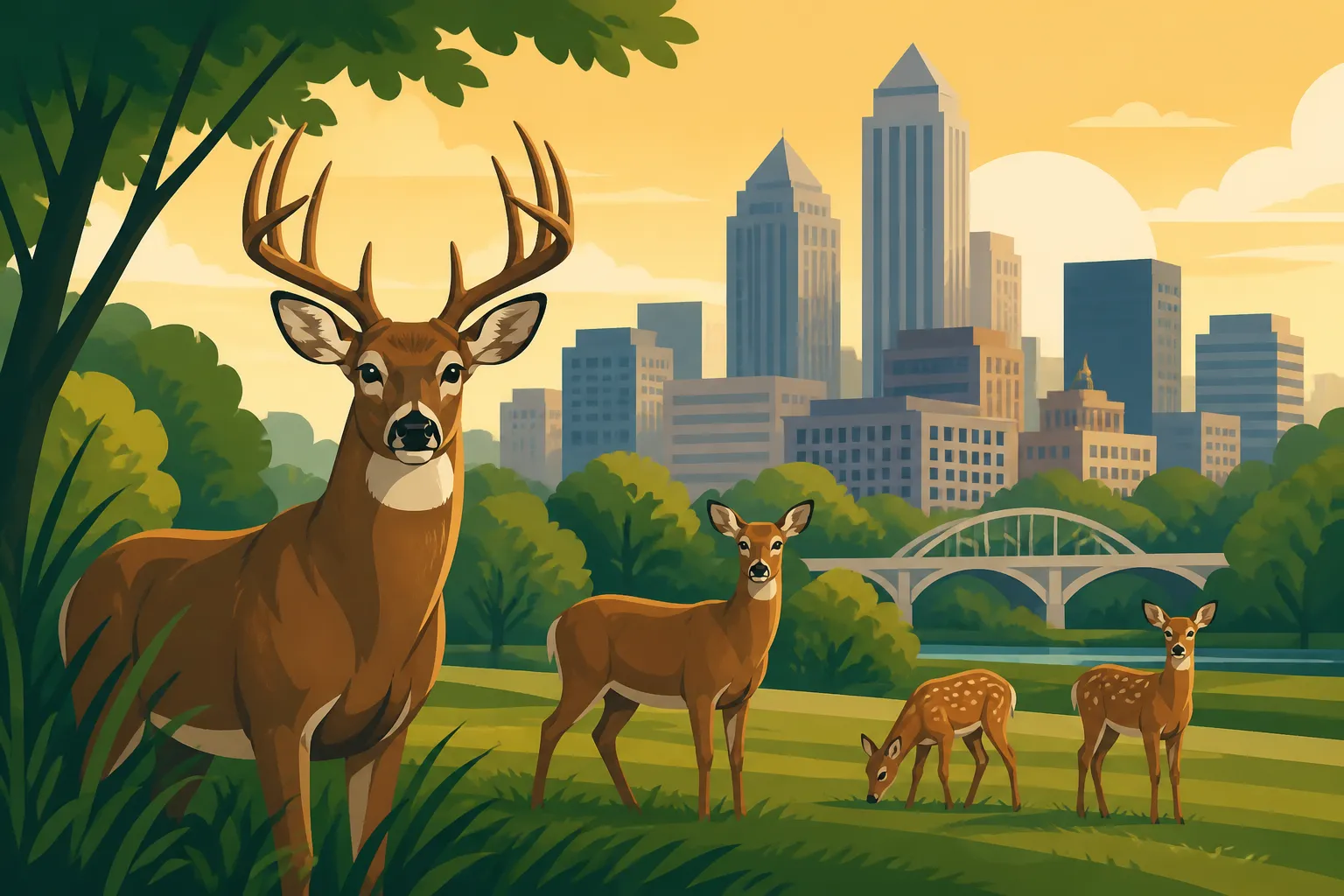
It's a common sight in Iowa these days – deer grazing in suburban yards, crossing busy streets, or even munching on landscaping in city parks. While beautiful, these Urban Deer Herds in Iowa Cities can create real headaches for residents and city planners alike, from damaged property to safety concerns. This comprehensive guide will dive deep into why these populations thrive, the unique challenges they pose to urban environments, and the various strategies communities and dedicated hunters are employing to manage them effectively and safely.
The Rise of Urban Deer Populations in Iowa
The presence of whitetail deer within city limits is a relatively modern phenomenon, especially in a state like Iowa, where agricultural lands dominate much of the landscape. However, as our cities expand and deer populations rebound, this overlap has become more pronounced. Understanding why deer thrive in these unlikely places is the first step toward effective management.
Adapting to the Concrete Jungle
Deer are incredibly adaptable creatures, and Iowa's urban and suburban areas often provide an unexpected bounty of resources that allow them to flourish, sometimes even more so than in purely rural settings. They've learned to navigate our neighborhoods with surprising stealth and resilience.
Abundant Food Sources and Shelter
Think about a typical suburban neighborhood in Iowa. What do you see? Lush green lawns, meticulously maintained flower beds, fruit trees, vegetable gardens, and ornamental shrubs. To a whitetail, this is a veritable buffet, often much richer and more accessible than the natural browse found in stressed timber lots. They can find high-calorie, nutrient-dense forage in residential areas with ease, leading to healthier deer and higher reproductive rates. Furthermore, parks, greenbelts, undeveloped lots, creek bottoms, and even large backyards provide ample bedding cover and travel corridors, offering sanctuary from human disturbance and a sense of security. These small pockets of cover become crucial refuges where deer can bed down during the day and emerge under the cover of darkness to feed.
Lack of Natural Predators
In their traditional habitats, deer face predation from coyotes, bobcats, and occasionally bears (though bears are rare in Iowa). However, within city limits, these natural predators are largely absent. While coyotes do exist in urban fringes, their impact on adult deer populations in dense residential areas is significantly reduced. This absence means fewer mortalities from natural causes, allowing deer populations to grow unchecked. Without this natural thinning, the deer herd can quickly outpace the carrying capacity of their urban habitat, leading to stress on the environment and increased conflicts with humans. The result is often an overpopulation that becomes increasingly noticeable and problematic for residents.
Human Tolerance and Expansion
Beyond the ecological factors, human behavior and the very nature of urban development play a significant role in fostering these thriving deer populations. Our actions, both intentional and unintentional, often contribute to the problem.
Suburban Sprawl and Edge Habitats
As Iowa cities grow, housing developments push further into what was once agricultural land or timber. This creates extensive "edge habitats" – the transition zones between forests, fields, and developed areas. Deer are edge-dwelling creatures by nature, and these landscapes offer a perfect blend of cover, food, and security. New subdivisions, with their mix of manicured lawns, young trees, and undeveloped pockets, essentially invite deer to take up residence. These areas become ideal places for deer to browse, particularly on the easy-to-reach, palatable plants that homeowners often cultivate. This constant expansion means more prime urban deer habitat is created every year.
Intentional and Unintentional Feeding
It's a common, well-intentioned act: leaving out corn or other treats for deer to enjoy. While seemingly harmless, intentional feeding can concentrate deer in residential areas, habituate them to human presence, and artificially inflate local populations. Deer learn quickly where easy meals can be found, leading them to abandon more natural foraging behaviors. Even unintentional feeding, such as unsecured trash cans, pet food left outdoors, or gardens left unprotected, can draw deer in. This constant food availability reduces their natural fear of humans and roads, increasing the likelihood of vehicle collisions and property damage. Education campaigns are vital to help residents understand the long-term negative consequences of feeding wildlife.
Challenges Posed by Urban Deer Herds
While seeing a deer in your backyard can be a magical experience, the reality of a booming urban deer population quickly brings a host of problems that impact property, safety, and even ecological health. These challenges often pit conservation goals against resident concerns.
Property Damage and Landscaping Woes
For many homeowners, the most immediate and frustrating consequence of urban deer is the destruction they wreak on meticulously cared-for landscaping and gardens. That beautiful hosta bed you planted or the young sapling you've nurtured can be devoured overnight.
Devastated Gardens and Ornamental Plants
Deer are notoriously fond of a wide variety of plants, and their preferences often align perfectly with popular landscaping choices. Hostas, daylilies, hydrangeas, arborvitae, and many fruit trees are essentially candy to them. Homeowners invest significant time and money into their yards, only to find them stripped bare or severely damaged by deer browsing. This leads to ongoing expenses for replacement plants, protective measures like fencing, or the disheartening task of replanting season after season. The sheer number of deer in some urban areas means that even "deer-resistant" plants eventually become fair game when other food sources are depleted. It's a constant battle for many residents, turning their beautiful yards into a source of frustration.
Impact on Forest Understory
Beyond individual yards, large urban deer herds can have a significant ecological impact on natural areas within and surrounding cities, such as parks and green spaces. Deer preferentially browse on certain native tree and shrub seedlings, consuming them before they can mature. Over time, this can alter the composition of the forest understory, reducing plant diversity and preventing forest regeneration. Areas can become "browse lines" where deer have eaten everything within reach, leaving a barren landscape beneath the canopy. This affects other wildlife species that rely on diverse understory plants for food and shelter, potentially throwing the local ecosystem out of balance.
Public Safety Concerns
Perhaps the most serious challenges posed by urban deer populations revolve around public safety. From collisions on roads to the potential spread of disease, deer can present tangible risks to human well-being.
Vehicle-Deer Collisions
As deer populations increase in areas with high traffic density, so does the risk of vehicle-deer collisions. These incidents are not just an inconvenience; they can result in significant property damage to vehicles, serious injuries to drivers and passengers, and even fatalities. Iowa has many areas with high deer populations, and when these populations move into busy corridors, the danger escalates. Drivers often have split-second decisions to make, sometimes swerving and causing further accidents. These collisions are particularly common during the rut in late fall, when bucks are actively seeking does and are less cautious, and during dawn and dusk hours when deer are most active. City and state agencies often grapple with how to reduce these incidents, as they place a considerable strain on emergency services and insurance providers.
Disease Transmission Risks
While the risk is often low, the close proximity of dense deer populations to humans and domestic animals can raise concerns about disease transmission. Deer can carry ticks, which in turn can carry diseases like Lyme disease. Although not always a direct transmission, an increase in deer numbers can lead to an increase in tick populations in residential areas, exposing people and pets to a higher risk. Furthermore, concerns about Chronic Wasting Disease (CWD) are ever-present in Iowa. While CWD primarily affects deer and is not known to be transferable to humans, a higher density of deer in urban settings could theoretically facilitate its spread within the deer population, creating a management challenge. Public education on Iowa CWD Sampling and Carcass Rules is increasingly important, especially for hunters participating in urban hunts.
Managing Urban Deer in Iowa Cities
Addressing the complexities of urban deer requires a multi-faceted approach, balancing the needs of the deer herd with the safety and well-being of human residents. Iowa communities employ a variety of strategies, often involving partnerships between state wildlife agencies, local governments, and hunters.
Special Hunting Seasons and Urban Deer Hunts
One of the most effective tools for managing overabundant deer populations is regulated hunting. However, hunting within city limits presents unique challenges and requires special consideration for public safety and perception.
Controlled Hunts and Permitted Zones
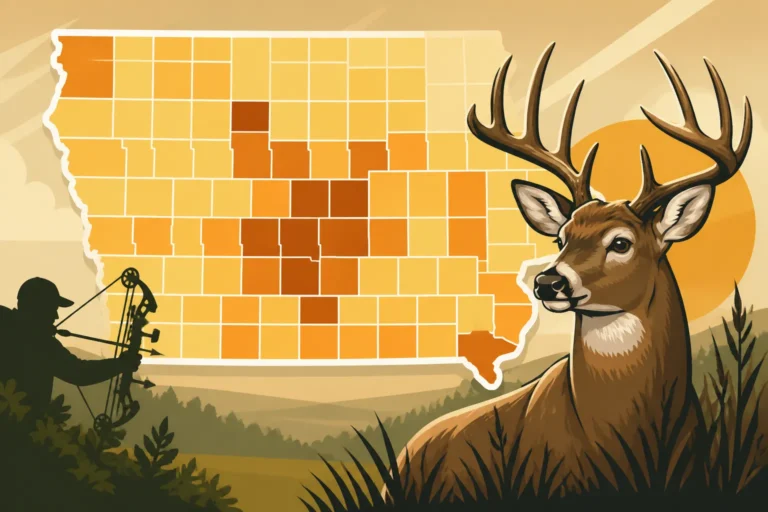
Many Iowa cities, often in cooperation with the Iowa Department of Natural Resources (DNR), implement special controlled hunts or expand existing hunting seasons into designated urban zones. These hunts are carefully structured to ensure public safety, often restricting weapon types (e.g., archery only or specific firearm types like shotguns or straight-wall cartridges), setting strict boundaries, and requiring hunters to pass proficiency tests. These are not free-for-all hunts; they are typically highly regulated, permit-based systems. Hunters might apply for specific areas or participate in city-organized programs. These programs allow skilled archers or even shotgun hunters in certain designated zones to help thin out doe populations, which is crucial for controlling herd growth. You can often find details about these specific hunts, including application periods and rules, through your local city or county conservation board websites, or by using resources like GoHunt to scout and understand specific boundaries and regulations. Iowa Urban Deer Zone Hunting provides more insight into these specific opportunities.
Utilizing the January Antlerless Season
Beyond dedicated urban hunts, the statewide Iowa January Antlerless Hunts can play a crucial role in reducing deer numbers, particularly in areas just outside dense city centers but still within the urban fringe. This late-season opportunity, often under very cold conditions, allows hunters to target does after other seasons have closed, when deer are often concentrated on available food sources. For landowners or hunters with permission on properties bordering urban areas, this can be an effective way to harvest additional deer and help mitigate local population issues. These late-season hunts are especially important for reducing the reproductive capacity of the herd for the following year. Hunters participating in these hunts are encouraged to report their harvest diligently, following Iowa Deer Harvest Reporting Rules.
Non-Lethal Management and Prevention
While lethal removal through hunting is often the most effective way to reduce populations, many communities also explore and implement non-lethal strategies, often in combination with hunting, to address the impacts of urban deer.
Habitat Modification and Exclusion
One approach involves making urban environments less appealing to deer. This can include planting deer-resistant landscaping, which, while not foolproof, can deter some browsing. Homeowners can also install physical barriers like fences around gardens, individual plants, or even entire properties. While expensive and sometimes visually intrusive, fencing can be highly effective in protecting specific assets. Communities might also explore altering habitat in public parks or green spaces to reduce preferred bedding or feeding areas, though this is often a larger-scale and more complex undertaking. The goal is to reduce the "attractants" that draw deer into close proximity with human activity.
Public Education and Deterrence
Educating residents is a cornerstone of non-lethal management. Campaigns focus on discouraging intentional feeding of deer, explaining how it exacerbates the problem by concentrating deer and reducing their natural wariness. Residents are encouraged to secure garbage, clean up fallen fruit from trees, and protect gardens with deterrents like motion-activated sprinklers, noisemakers, or commercially available deer repellents. While these deterrents often have limited long-term effectiveness in high-pressure areas, they can be part of a broader strategy. Building community awareness about the impacts of urban deer and fostering a collective responsibility can lead to more consistent practices across a neighborhood.
The Role of Hunters in Urban Deer Management
Hunters are not just recreational participants; they are vital partners in wildlife conservation and management. In urban deer scenarios, their skills and dedication are often critical for successful population control.
Skilled and Ethical Participation
Participating in an urban deer hunt demands a high level of skill, responsibility, and ethical conduct. These hunts are often held in challenging environments where safety is paramount, and public scrutiny is high. Hunters must be proficient with their chosen weapon, understand shot angles, and be capable of making clean, ethical kills while being mindful of their surroundings. This is not the typical wide-open timber hunt; it often involves navigating smaller patches of cover, dealing with closer proximity to homes, and being acutely aware of backstops. Many urban hunt programs require archery proficiency tests precisely for this reason. A mapping application like GoHunt can be incredibly useful for these hunts, helping hunters identify safe shooting lanes, understand property lines, and mark potential deer travel corridors in confined spaces.
Contributing to Data and Conservation
Beyond the physical act of harvesting deer, hunters contribute significantly to deer management through their participation in data collection. Every deer harvested during an urban hunt, or any hunt for that matter, provides valuable data to wildlife biologists. Information on age, sex, and health, especially if CWD testing is involved, helps the DNR understand herd dynamics and make informed management decisions. Iowa Deer Herd Management and Harvest relies heavily on hunter cooperation. By participating in these efforts, hunters help maintain healthy deer populations, reduce conflicts with humans, and ensure the long-term sustainability of the resource, often on a volunteer basis. This partnership between hunters and wildlife agencies is a testament to the crucial role ethical hunting plays in modern conservation.
Urban Deer Management Strategies Overview
Here's a quick look at common strategies employed to manage urban deer populations in Iowa:
| Strategy | Description | Primary Goal | Key Considerations |
|---|---|---|---|
| Controlled Hunts | Regulated hunting (often archery) within designated urban or suburban zones, typically with special permits. | Reduce deer population, particularly does. | Public safety paramount, specific weapon rules, hunter proficiency, public perception. |
| Sharpshooting/Culling | Professional wildlife staff or contractors humanely remove deer, often at night, in specific problem areas. | Rapid, targeted population reduction. | Costly, public perception can be negative, requires specialized training and permits. |
| Habitat Modification | Removing preferred food sources, planting deer-resistant vegetation, installing fencing. | Reduce deer attractiveness to an area, prevent damage. | Slow impact, high cost for fencing, deer adapt to "resistant" plants when hungry, requires consistent effort. |
| Public Education | Informing residents about not feeding deer, securing attractants, and using deterrents. | Change human behavior, reduce conflicts. | Slow to achieve widespread change, doesn't reduce existing herd, but vital for long-term sustainability. |
| Repellents/Deterrents | Sprays, sonic devices, or other measures to scare deer away from specific plants or areas. | Protect specific landscaping. | Limited long-term effectiveness, deer habituate, needs frequent reapplication, often a temporary solution. |
| Trap and Relocate | Capturing deer and moving them to a new location. | Non-lethal removal. | Very costly, high stress on deer, low survival rates post-relocation, disease transmission risks, often ineffective. |
Disclaimer
This article is for general informational purposes only and does not constitute professional advice. Laws, prices and regulations vary by location and change over time. Consult a qualified professional for guidance on your specific situation.