Winter Weather and Hen Survival
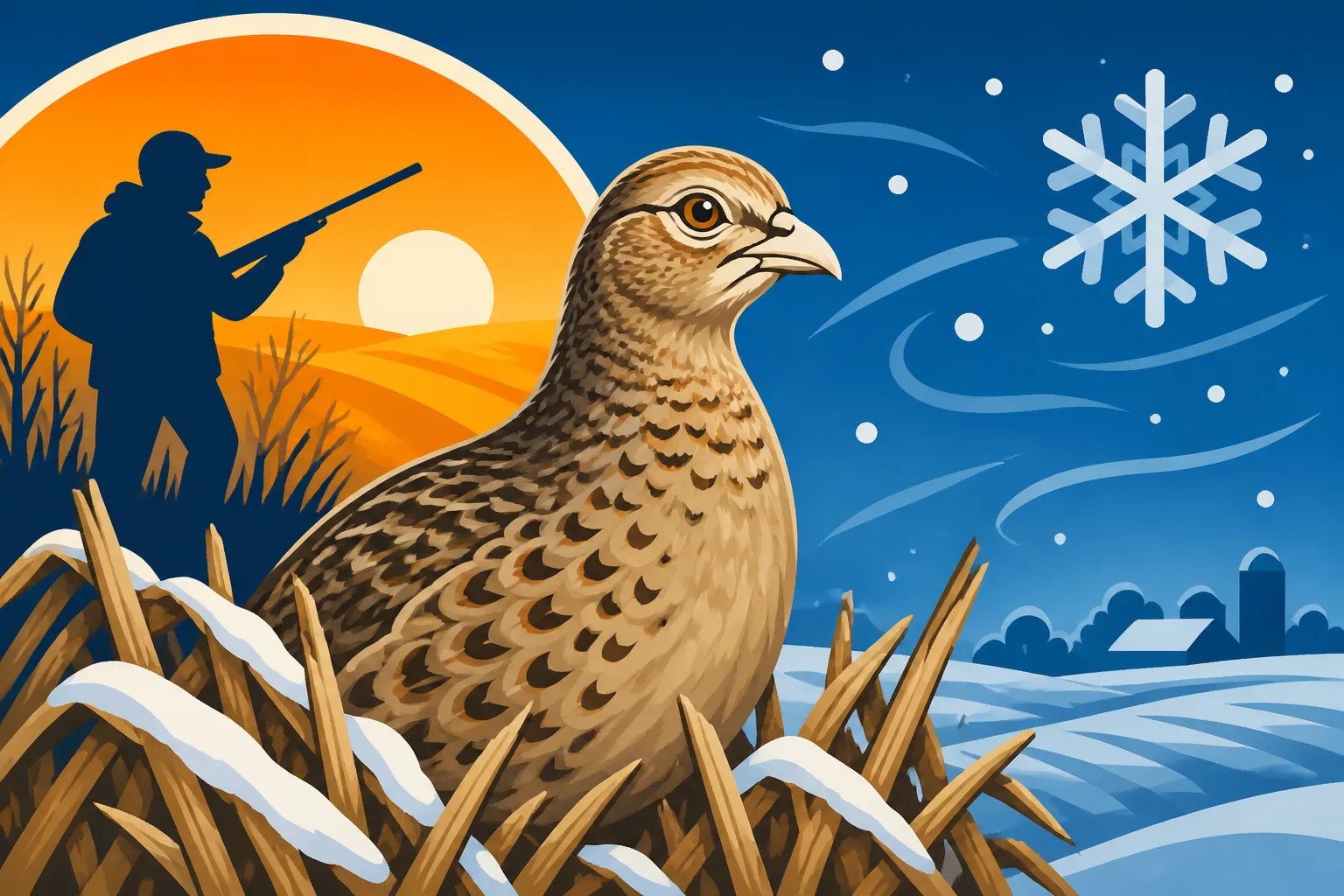
Iowa's winters can be notoriously tough, throwing everything from deep snow to bitter cold at our local wildlife. For pheasants, particularly the hens, these harsh conditions aren't just uncomfortable; they can be a matter of life or death, directly impacting the success of next spring's hatch and, ultimately, the quality of our future hunting seasons. This guide will walk you through the critical ways winter weather affects pheasant hen survival and why understanding these dynamics is so important for hunters and conservationists alike.
The Direct Impact of Harsh Winter Conditions on Pheasant Hens
When those Iowa blizzards roll in and the mercury drops, it's not just us humans that feel the pinch. Pheasant hens, vital for the continuation of our populations, face incredible challenges. Every decision they make, from where they roost to what they eat, is dictated by their need to conserve energy and stay safe from the elements and predators.
Snow Depth and Duration: A Blanket of Trouble
Deep snow is arguably one of the most significant threats to hen survival in winter. It's not just about the cold, it's about accessibility. Imagine trying to find your next meal when it's buried under two feet of white powder. Pheasants primarily feed on waste grain, seeds, and insects found on or just below the surface. When snow accumulates and crusts over, these vital food sources become impossible to reach. Hens are forced to expend precious energy scratching through the snow, often to no avail.
Beyond food, deep snow also impacts mobility. These birds are built for walking and short, explosive flights. Navigating deep, powdery snow is exhausting, making them more vulnerable to predators like coyotes, foxes, and even raptors. If the snow sticks around for weeks, or even months, as it can in an Iowa winter, the cumulative effect of starvation and increased predation can decimate a hen population. This is why we often hear about concerns for Winter Severity and Iowa Pheasant Numbers after a particularly brutal stretch.
Ice Storms and Freezing Rain: A Deadly Glaze
While deep snow is a slow burn, ice storms are often a sudden, catastrophic event for pheasants. Freezing rain coats everything – vegetation, fence lines, and even the birds themselves – in a layer of ice. This can have several devastating effects. First, it completely encases any remaining food sources, rendering them inaccessible even more effectively than deep snow. Second, the ice can build up on the hens' feathers, making flight difficult or impossible. A bird that can't fly can't escape a predator or reach a safer roosting spot.
Furthermore, roosting cover, which is crucial for insulating hens from the cold, can become brittle and less effective under an ice load. Think about a dense cattail marsh or a cedar thicket. When those plants are coated in ice, they lose their insulating properties and can even break, leaving birds exposed. A hen that gets soaked and then frozen in place overnight has little chance of survival. These events, though sometimes short-lived, can have a profound and immediate impact on local pheasant numbers.
Extreme Cold and Wind Chill: The Energy Drain
Even without deep snow or ice, sustained periods of extreme cold, especially when combined with biting wind chill, are incredibly taxing on pheasant hens. Birds, like all warm-blooded creatures, need to maintain a constant body temperature. In sub-zero conditions, this requires a massive amount of metabolic energy. They shiver, fluff their feathers, and seek shelter, all of which burn calories at an accelerated rate.
If food is scarce, as it often is during harsh winters, hens simply cannot consume enough calories to offset the energy expenditure needed to stay warm. They begin to burn through their fat reserves, and once those are gone, their chances of survival plummet. A strong wind can penetrate even the densest cover, stripping away the birds' natural insulation and forcing them to work even harder to stay warm. This constant battle against the cold leaves them weak, susceptible to disease, and less capable of reproducing once spring finally arrives.
Habitat's Role in Winter Survival for Hens
You can have the toughest pheasants in the world, but without the right habitat, their chances of surviving a severe Iowa winter are slim to none. Habitat isn't just about where they nest; it's about their year-round survival, especially when the landscape turns white and the temperatures plunge.
Critical Thermal and Escape Cover
Think of winter cover as a pheasant's bomb shelter. When the wind howls and the snow flies, they need dense, multi-layered vegetation that can trap warmth and block the elements. Good thermal cover might include thick stands of switchgrass, dense cattail marshes, cedar thickets, or even brushy draws. These areas create microclimates that can be several degrees warmer than the exposed open fields. Without these sanctuaries, hens are at the mercy of the wind and cold, burning through vital energy reserves just to exist.
Beyond warmth, this dense cover also provides crucial escape routes from predators. A hen tucked deep into a brush pile or a tall grass stand is much harder for a coyote or a hawk to spot and catch. The type and quality of winter cover can be the single biggest factor in whether a hen makes it through to spring. When you're Scouting Iowa Timber and River Bottoms or looking for good pheasant ground, always keep an eye out for these winter havens.
Accessible Winter Food Sources
Even the best cover won't save a hen if she can't find food. Winter survival is a delicate balance of energy intake versus energy expenditure. Accessible food sources are paramount. This often means standing waste grain in corn or soybean fields that haven't been tilled, strips of food plots specifically designed for wildlife, or areas with persistent seed-producing weeds. The proximity of food to secure winter cover is also critical. Hens can't afford to make long, energy-sapping treks across open, exposed landscapes to find a meal.
Farmers who leave standing grain or establish food plots are often unsung heroes in the world of pheasant conservation. These pockets of accessible nutrition, especially during prolonged snow cover, can literally be the difference between life and death for entire coveys. Tools like GoHunt can sometimes help identify areas where landowners might have implemented such practices, allowing hunters to key into areas with better potential for healthy bird numbers.
The Importance of Unbroken Habitat Corridors
Isolated patches of great winter cover and food are certainly helpful, but large, interconnected blocks of habitat are even better. Unbroken corridors allow pheasants to move safely between feeding, roosting, and escape cover without exposing themselves to predators or the full fury of winter storms. These might be long strips of CRP, natural grasslands, or brushy fencelines that connect larger patches of timber or marsh.
When habitat is fragmented, hens are forced to venture into open areas to move from one essential resource to another. This increases their exposure to cold, wind, and avian predators like hawks and owls that patrol open country. Good habitat connectivity minimizes these risky movements, allowing birds to navigate their winter landscape with greater security and less energy drain. Thinking about Working Pheasant Cover Without a Dog also means understanding how birds move through and utilize these continuous strips of cover.
Understanding Hen Survival for Future Pheasant Seasons
The survival rate of pheasant hens through the winter isn't just a biological curiosity; it's a direct predictor of the health of our pheasant populations in the coming year. For hunters, this means potentially more birds in the fall. For wildlife managers, it's a key metric for understanding herd dynamics.
Connecting Winter Survival to Spring Breeding Success
The link is pretty straightforward: more hens surviving winter equals more potential nests in the spring. Each healthy hen that makes it through the cold months represents a breeding unit that can lay eggs and raise a brood. Conversely, a winter with high hen mortality directly translates to fewer breeding hens, fewer nests, and ultimately, fewer pheasants for the next hunting season. This is a primary reason why Iowa Pheasant Population Cycles are so closely tied to weather patterns.
Beyond just sheer numbers, the condition of the surviving hens also matters. Hens that emerge from winter strong and healthy are more likely to lay larger clutches of eggs, incubate them successfully, and raise more robust poults. Hens that are emaciated or weakened from a tough winter might lay fewer eggs, abandon nests, or produce poults with lower survival rates. So, a mild winter doesn't just mean more hens, it means better hens for breeding.
How Wildlife Agencies Monitor Hen Populations
State wildlife agencies, like the Iowa DNR, don't just guess at pheasant numbers. They conduct surveys to get a pulse on the population, and while direct hen counts in winter can be challenging, data gathered from other surveys helps piece together the picture. The most well-known is the annual Iowa Ring-Necked Pheasants and the Roadside Survey, typically conducted in August. While this survey counts birds in late summer, its results are heavily influenced by the previous winter's hen survival and the subsequent spring's nesting success.
Biologists look for trends in these survey numbers, noting declines after severe winters or upticks after mild ones. They also consider hunter harvest data, which can provide insights into overall population health. While they can't count every hen, these broad surveys and long-term data sets give them a good idea of how successful hens were in surviving winter and producing the next generation. These metrics often feed into discussions about How Many Routes the Iowa Survey Covers and what the data truly means for hunters.
What Hunters Can Observe and Report
As hunters and outdoor enthusiasts, we are often the first on the ground and can provide valuable anecdotal observations. If you're out late-season pheasant hunting or even just driving rural roads in winter, pay attention to the conditions of the birds you see. Do they look healthy and robust, or do they appear stressed and underweight? Are there many birds, or do numbers seem low even in good habitat? Noticing if birds are struggling to find food after a heavy snow can be a clue.
While these aren't scientific surveys, consistent observations from multiple hunters across different areas can paint a more vivid picture for local biologists. Knowing where hens are finding adequate winter cover and food, or where they appear to be struggling, can help inform local habitat initiatives. You can also monitor specific areas you hunt and note population changes over a few years, correlating them with winter severity.
Mitigating Winter's Impact: Conservation Efforts and Hunter Contributions
While we can't control the weather, we can certainly influence the factors that help pheasant hens survive it. This is where conservation efforts, often supported by hunters, become absolutely crucial.
Habitat Improvement Projects
Local, state, and federal agencies, along with conservation organizations, are constantly working on habitat improvement projects aimed at boosting pheasant populations. Many of these projects focus on creating or enhancing the critical winter cover and food sources that hens desperately need. This might involve planting dense grasses, creating brushy hedgerows, restoring wetlands, or establishing dedicated food plots. These aren't just feel-good efforts; they are strategic investments in wildlife survival.
Landowners often partner in these projects, understanding the value of healthy wildlife populations. Initiatives focused on increasing Nesting Cover and Pheasant Broods also often incorporate winter cover, as the two are intrinsically linked for a strong annual cycle. These efforts are particularly important in a state like Iowa, where intensive agriculture often leaves limited natural cover.
The Role of CRP and Other Conservation Programs
The Conservation Reserve Program (CRP) and similar initiatives are absolute lifelines for pheasant hens in Iowa. These programs pay farmers to take highly erodible or environmentally sensitive land out of agricultural production and plant it with beneficial grasses and other vegetation. These CRP acres provide excellent nesting cover in the spring and, crucially, phenomenal winter thermal and escape cover when the snow flies.
When scouting for Pheasant Hunting Iowa Grass and Crop Edges, many hunters focus on CRP fields precisely because they offer the year-round habitat pheasants need. Programs like the Iowa Habitat and Access Program Explained (IHAP) further enhance this by opening up some of these private lands to public access, benefiting both hunters and wildlife. Supporting these programs, whether through advocacy or by participating as a landowner, directly contributes to better hen survival rates. GoHunt users often leverage their mapping tools to identify these public access and CRP areas, understanding their importance for bird populations.
Supporting Conservation Through License Purchases
Every time you buy a hunting license, habitat stamp, or federal duck stamp in Iowa, you're directly contributing to conservation efforts that benefit pheasant hens and countless other wildlife species. A significant portion of these funds goes towards habitat acquisition, restoration, and management programs that create and maintain the critical winter cover and food sources discussed earlier. It's a user-pay, user-benefit system that has been the backbone of wildlife conservation in North America for decades.
So, when you're gearing up for Iowa Pheasant Season Dates, remember that your investment in a hunting license is more than just permission to hunt; it's an investment in the future of the very game you pursue. It ensures that wildlife agencies have the resources to implement projects that help hens weather the storm, literally, and come out strong enough to reproduce in the spring.
Disclaimer
This article is for general informational purposes only and does not constitute professional advice. Laws, prices and regulations vary by location and change over time. Consult a qualified professional for guidance on your specific situation.