Iowa Deer Crop Damage
For many Iowa farmers, the sight of lush green fields isn't just a promise of harvest; it's also an open invitation to the local deer herd. Dealing with deer crop damage is a persistent, frustrating battle that can chip away at profits and patience, leaving landowners feeling helpless as their hard work literally gets eaten away. This comprehensive guide aims to unpack why deer target agricultural crops, the real impact this has on Iowa's farming communities, and the various strategies, from proactive deterrents to wildlife management tools, available to help mitigate this ongoing challenge.
Understanding the Scope of Deer Crop Damage in Iowa
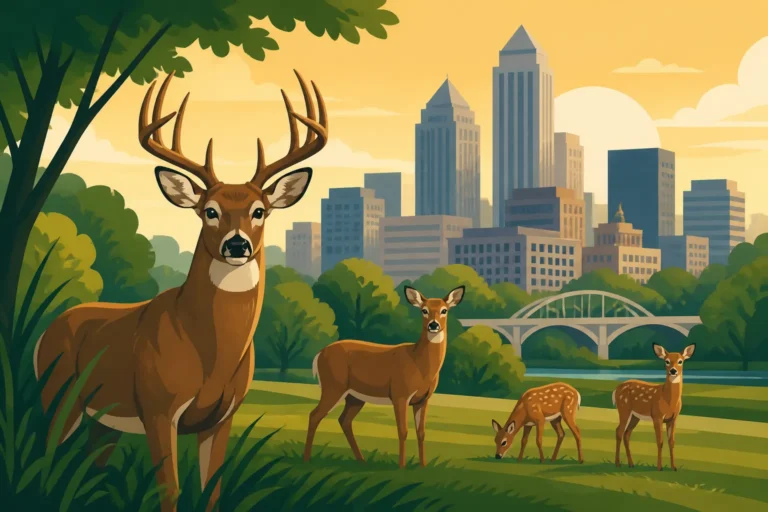
If you've ever driven through Iowa's rural landscapes, especially during late summer and early fall, you've likely seen vast fields of corn and soybeans stretching to the horizon. What you might not immediately realize is the constant, subtle war being waged within those fields between farmers and the state's abundant whitetail deer population. Deer don't just graze; they can cause significant, measurable damage that impacts livelihoods.
Why Deer Target Specific Crops
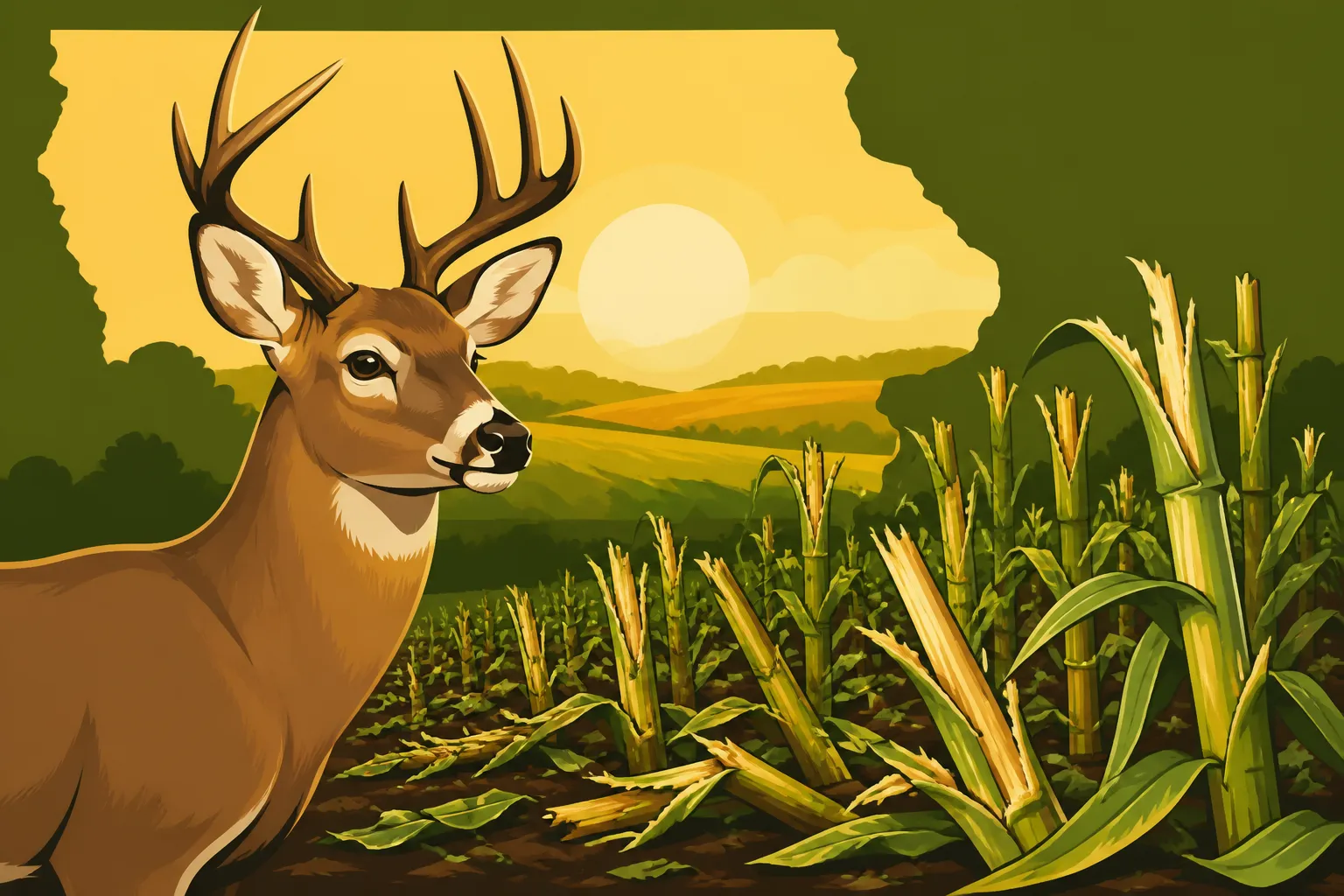
Deer are opportunistic browsers, and Iowa's agricultural fields offer an irresistible buffet. Young soybean plants, with their tender leaves and high protein content, are particularly vulnerable in the spring and early summer. Deer will browse heavily, often nipping off the tops of plants, which stunts growth and reduces yield. As the season progresses, corn becomes a prime target. Once corn ears begin to fill with milk, they are incredibly palatable to deer, offering a high-energy food source. You'll see tell-tale signs: ears stripped down the stalk, kernels nibbled away, often leaving the husk hanging tattered. Deer also love alfalfa, winter wheat, and even specialty crops like pumpkins or fruit trees, making almost any planted field a potential target. It’s not just a quick snack for them; it’s a sustained feeding pattern that can decimate acres.
Beyond the sheer palatability, there's a certain efficiency for deer. Why expend energy browsing tough native vegetation when a dense, nutritious food plot the size of several football fields is readily available? The sheer abundance of row crops in Iowa means that deer often don't have to travel far from secure bedding cover in timber or CRP fields to find a meal. This combination of high-quality food and easy access makes agricultural fields a consistent draw, especially during critical growth stages for crops.
The Financial and Emotional Impact on Farmers
The financial toll of deer crop damage can be substantial, often calculated in reduced yields per acre. For a farmer operating on tight margins, even a 5-10% loss to deer across several fields can mean the difference between profit and breaking even. Consider a typical soybean field where deer might browse heavily on young plants. Those plants won't recover to their full potential, directly impacting the bushel count at harvest. With corn, a field heavily browsed during the milk stage can see rows of damaged ears, leading to significant dockage at the elevator or, worse, entire sections deemed unharvestable. These losses aren't theoretical; they hit farmers squarely in the wallet, year after year.
But it’s not just about money. There's a deep emotional and psychological toll. Farmers pour their heart, sweat, and significant financial investment into planting and nurturing their crops. To then see large sections of their fields devastated by deer, especially when they've spent countless hours trying to deter them, can be incredibly disheartening. It feels like an unfair burden, a constant uphill battle against a natural force that shows no respect for property lines or hard work. The frustration can be immense, leading to a constant search for effective solutions and a feeling of being at the mercy of the local deer herd.
Factors Contributing to Increased Crop Damage
It's easy to point fingers solely at the deer, but the reality is more complex. Several interconnected factors contribute to the problem, from how deer populations are managed to the changing landscape of Iowa itself.
Deer Population Dynamics and Density
One of the primary drivers of crop damage is simply the number of deer in a given area. Iowa is renowned for its healthy deer herd, which is fantastic for hunters, but can be problematic for agricultural producers. When deer populations in a localized area exceed the habitat's carrying capacity, or when preferred natural forage is scarce, they inevitably turn to abundant, high-quality agricultural crops. The state's management strategies, including antlerless quotas and special hunts, aim to balance deer numbers with landowner tolerance and ecological health. However, these are broad strokes, and localized hotspots of high deer density can still cause disproportionate damage. Understanding Iowa Deer Herd Management and Harvest can shed light on these efforts.
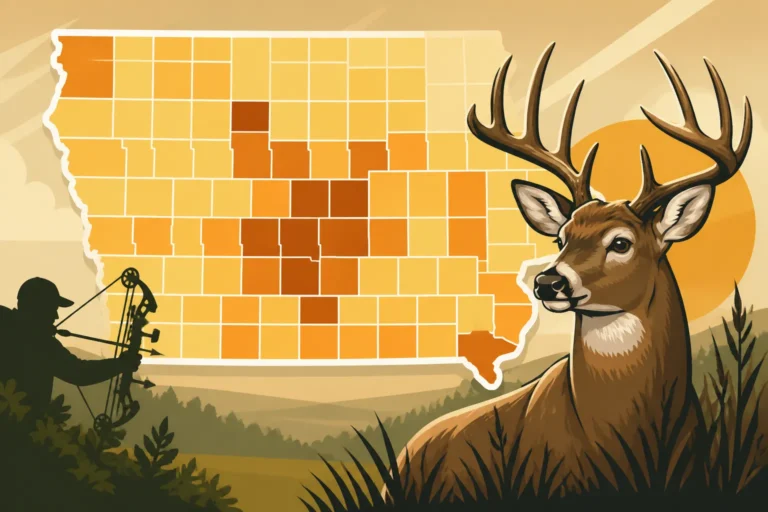
Furthermore, factors like mild winters can lead to higher fawn survival rates, which contributes to a growing deer population. If doe harvest isn't sufficient in specific zones, those numbers can quickly rebound, putting renewed pressure on crops. It's a delicate balance; too few deer impact hunting opportunities and revenue, too many lead to increased damage. Farmers often feel they are living with the consequences of this balancing act directly on their fields. You can get a sense of local pressure by looking at Deer Density by Iowa County.
Habitat Changes and Agricultural Practices
Iowa's landscape has been significantly altered by agriculture, creating a mosaic of intense food sources (crops) juxtaposed with fragmented pockets of cover (timber, CRP, river bottoms). This creates an ideal scenario for deer. They can bed down securely in thick timber or dense grass during the day, then venture out at night into adjacent fields to feed. Modern farming practices, such as larger field sizes and monocultures, can concentrate deer activity in certain areas, increasing the potential for widespread damage.
Consider a large, uninterrupted soybean field bordered by a timber edge. Deer living in that timber don't have to travel far to access the beans. They'll often create well-worn trails from the timber directly into the field, and the damage will be most severe along that edge. The availability of Standing Corn Late in the Iowa Season can also provide both food and cover, exacerbating damage issues in the late fall and early winter. While farmers need to maximize their acreage for production, these changes in land use inherently create conditions that draw deer to crops, making mitigation a constant challenge.
Strategies for Mitigating Deer Crop Damage
There’s no single magic bullet for stopping deer crop damage entirely, but a multi-pronged approach combining deterrents, hunting pressure, and habitat adjustments can significantly reduce the problem.
Physical and Chemical Deterrents
Farmers often turn to physical barriers or chemical deterrents as a first line of defense, especially in high-value areas or smaller plots.
Physical Barriers:
- Fencing: The most effective physical deterrent is often an electric fence, particularly a multi-strand high-tensile electric fence designed specifically for deer. These fences are an investment in time and money, but they can be highly effective around smaller, intensely damaged fields or areas near valuable crops like orchards or gardens. A single strand of polywire with peanut butter tabs can even teach deer a quick lesson.
- Netting: For smaller, high-value gardens or fruit trees, netting can physically exclude deer. This is less practical for large row crops but valuable for specific vulnerable plants.
Chemical Deterrents:
- Repellents: Various commercial deer repellents are available, often using foul-tasting or strong-smelling ingredients (like putrescent egg solids, capsaicin, or garlic oil) that deter deer. These are sprayed directly onto plants. The challenge is that they often need frequent reapplication, especially after rain, and can be costly for large acreage. Their effectiveness can also diminish as deer become accustomed to them or as new growth emerges.
- Sound and Visual Deterrents: While less effective long-term, some farmers experiment with motion-activated sprinklers, scarecrows, or reflective Mylar strips. Deer are intelligent and usually habituate to these types of deterrents quickly, often realizing they pose no real threat.
| Deterrent Type | Pros | Cons | Best Use Case |
|---|---|---|---|
| Electric Fencing | Highly effective physical barrier | Expensive, labor-intensive to install and maintain | High-value crops, smaller fields, orchards, gardens |
| Chemical Repellents | Easy to apply, immediate effect | Requires frequent reapplication, costly, effectiveness can wane | Small plots, vulnerable young plants, perimeter defense |
| Sound/Visual | Low cost, easy to deploy | Short-term effectiveness, deer habituate quickly | Temporary relief, supplemental to other methods |
Strategic Hunting Pressure
Hunting is arguably the most effective long-term strategy for managing deer populations and reducing crop damage. Farmers often encourage hunters on their property, particularly those willing to harvest antlerless deer.
- Increased Doe Harvest: The key to controlling population numbers is reducing the doe herd. Encouraging hunters to take more does through general season tags or by utilizing Iowa Antlerless Tags and Quotas can significantly reduce the overall deer density in an area over time. This directly impacts fawn recruitment and future generations of crop-eating deer.
- Targeted Hunting: Some landowners focus hunting efforts on problem areas, such as timber edges bordering heavily damaged fields. Placing stands or blinds in these transition zones can intercept deer moving to and from feeding areas. Resources like GoHunt can be valuable here, allowing hunters to e-scout and identify key travel corridors and bedding areas that might be contributing to crop damage patterns. Understanding Hunting Pressure After Opening Weekend can also inform when and where to apply pressure.
- Depredation Permits: In severe cases, where traditional hunting seasons aren't enough, Iowa offers Depredation Permits for Iowa Farmers. These special permits allow landowners or their designees to remove deer causing damage outside of regular hunting seasons, under specific conditions and reporting requirements. This is usually a last resort for chronic, severe damage.
Habitat Modification and Alternative Food Sources
Sometimes, subtle changes to habitat can shift deer behavior away from cash crops.
- Creating Buffer Strips: Planting native grasses, wildflowers, or less palatable crops like hay or small grains along crop field edges can create a buffer zone. This might not stop all damage but can reduce the initial impact by providing an alternative, less desirable food source closer to cover.
- Food Plots: While counterintuitive to some, strategically placed food plots composed of highly attractive forage (like clover, brassicas, or winter wheat) can sometimes draw deer away from cash crops. These plots need to be located away from the primary cash crop fields, ideally nestled deep within secure cover, to act as a diversion. The goal is to offer something more appealing and keep deer from needing to venture into the commercial fields. Scouting Iowa Timber and River Bottoms and E-Scouting Iowa Farm Country From Home can help identify ideal locations for these plots.
- Creek Corridors: Deer often use creek bottoms as travel routes. Managing vegetation along these corridors or encouraging hunting pressure there can help deter deer from reaching fields. Hunting a Narrow Creek Corridor is a tactic many experienced hunters use.
Working with Wildlife Agencies and Community Efforts
Managing deer crop damage isn't just an individual farmer's problem; it's a community issue that often benefits from collaboration with state wildlife agencies and local efforts.
The Role of the Iowa Department of Natural Resources (DNR)
The Iowa DNR plays a crucial role in managing the state's deer herd, aiming for a balance that supports both healthy wildlife populations and agricultural interests. They establish hunting season dates, bag limits, and special antlerless tag quotas based on population estimates and public input.
- Technical Assistance: Farmers experiencing significant crop damage can contact their local DNR wildlife biologist for technical assistance. These professionals can visit the property, assess the situation, and offer tailored advice on deterrents, habitat modifications, and hunting strategies. They are also the point of contact for obtaining depredation permits.
- Data and Research: The DNR collects data on deer populations, harvest rates, and crop damage complaints, which informs their management decisions. They aim to understand how factors like Chronic Wasting Disease in Iowa Deer might impact herd health and distribution, which in turn can influence crop damage patterns. Understanding the overall health and distribution of Iowa Whitetail Deer and Why They Score So High helps in developing long-term strategies.
- Outreach and Education: The DNR often provides educational materials and workshops for landowners on deer management techniques and available programs. They strive to bridge the gap between wildlife conservation and agricultural needs.
Collaborative and Community-Based Approaches
When multiple landowners in a localized area face similar deer damage issues, a collaborative approach can be far more effective than individual efforts.
- Neighborhood Hunting Cooperatives: Forming a cooperative among neighboring landowners can create a more cohesive hunting strategy. By coordinating hunting pressure across larger tracts of land, hunters can be more effective in reducing localized deer densities. This can involve sharing access, staggering hunting times, and focusing on antlerless harvest goals. It’s about creating a unified front against overpopulation.
- Communication with Hunters: Farmers who lease or allow hunting access on their land should clearly communicate their concerns about crop damage to hunters. Encouraging hunters to target does, especially early in the season, can make a significant difference. Discussing specific problem areas where deer are causing damage can guide hunters to where their efforts will be most beneficial. Transparency and shared goals are key.
- Advocacy and Input: Farmers can provide valuable input to the DNR during public comment periods for hunting regulations. Sharing real-world experiences and concerns helps shape policies that reflect the challenges faced by the agricultural community. Your voice matters in how Iowa Deer Herd Management and Harvest is shaped.
Addressing Iowa deer crop damage is an ongoing challenge that requires patience, persistence, and a willingness to adapt. By understanding deer behavior, implementing a mix of deterrents, leveraging hunting pressure, and working collaboratively, farmers can take significant steps toward protecting their valuable crops and easing the burden of these persistent visitors.
Disclaimer
This article is for general informational purposes only and does not constitute professional advice. Laws, prices and regulations vary by location and change over time. Consult a qualified professional for guidance on your specific situation.