IHAP Walk-In Access Dates
One of the most frustrating things for any hunter, especially those of us who rely on public access, is showing up to a prime piece of ground only to find out it's not actually open for hunting yet, or worse, that it closed yesterday. This guide is all about navigating the specific walk-in access dates for Iowa's Habitat and Access Program (IHAP) land, making sure you know exactly when and where you can pursue your passion without any unwelcome surprises.
What Exactly is Iowa's Habitat and Access Program (IHAP)?
Before we dive into the nitty-gritty of dates, it’s really helpful to understand what the IHAP program is all about. It’s not your typical state park or wildlife management area; it’s a unique partnership that opens up a lot of otherwise private ground for public hunting. This distinction is key to understanding why its access dates might be a bit different than what you're used to.
The Core Mission Behind IHAP
At its heart, Iowa's Habitat and Access Program is designed to increase public hunting and fishing access on private land. The Iowa Department of Natural Resources partners with private landowners, providing them with financial incentives and technical assistance to improve habitat on their property. In return, these landowners agree to open portions of their land for public walk-in hunting and fishing. It’s a win-win situation, really – landowners get help managing their property and a little extra income, and hunters get more places to chase deer, pheasants, and turkeys without having to knock on doors or pay for expensive leases. It really broadens the horizons for folks who might not have a lot of private land options. Iowa's Habitat and Access Program Explained delves deeper into the program's foundation.
This program helps to address a significant challenge in a state like Iowa, where a vast majority of the land is privately owned and actively farmed. Without IHAP, many fantastic pockets of timber, CRP, and river bottoms would remain completely inaccessible to the general public. It's a testament to cooperative conservation, creating opportunities for countless outdoor enthusiasts to experience Iowa's rich wildlife resources. Think about all those overlooked creek bottoms or small woodlots nestled between corn and bean fields – IHAP brings them into play for us.
How IHAP Differs from Other Public Lands
Unlike traditional state-owned Wildlife Management Areas (WMAs) or State Forests, IHAP land maintains its private ownership status. This means there can sometimes be specific rules or nuances tied to an individual property, although general statewide IHAP rules always apply. The landowner is still very much a part of the equation, and their cooperation is essential to the program’s success. While WMAs are typically open year-round for various activities, IHAP areas often have more defined seasonal access periods tailored to hunting seasons.
The temporary nature of some IHAP agreements also means that tracts can change from year to year. A parcel that was open last year might not be this year, or a new one might pop up down the road. This constant flux underscores the importance of checking current maps and dates regularly. It’s not like a static state forest where you can expect the same access points and regulations decade after decade. You have to be proactive in your research, which can feel like a bit of a scavenger hunt, but it's totally worth it for the opportunities it provides.
Understanding the General IHAP Walk-In Access Calendar
So, let's talk about the dates themselves. While the specifics can vary slightly by property and game species, there's a pretty standard window you can count on for most IHAP lands in Iowa. Knowing this general calendar is your first step to successful planning.
The Standard Opening and Closing Period
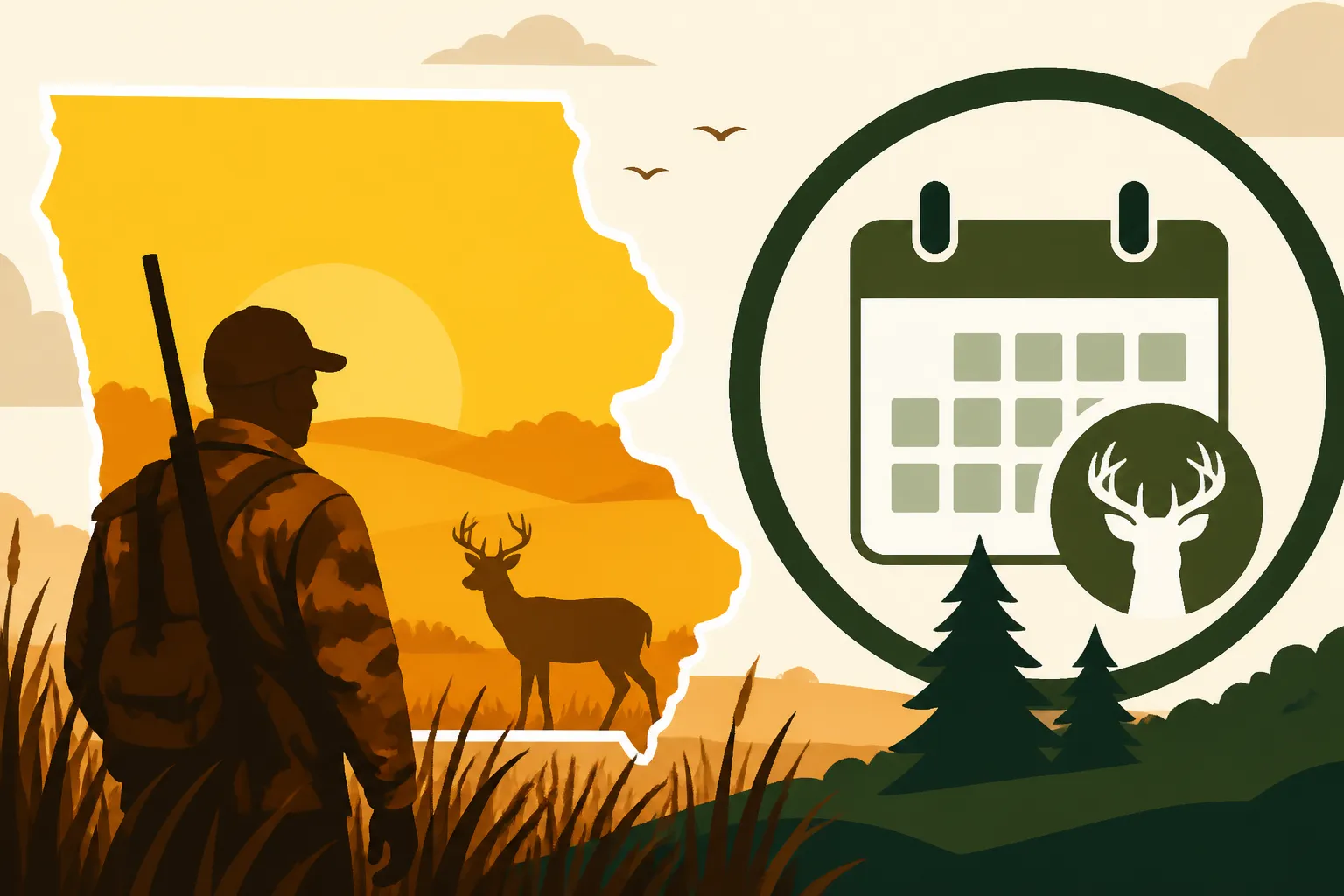
Most IHAP properties in Iowa operate under a general hunting season access window. Typically, these lands become accessible for hunting around September 1st, just in time for the early goose seasons, dove hunting, and the archery deer opener. This is a huge relief for archers who are chomping at the bit to get into the timber as soon as possible. The access then generally extends all the way through the end of the January antlerless deer season, which provides fantastic late-season opportunities when other public lands might feel picked over.
This extended period covers a vast array of hunting seasons, from early fall upland birds to late-season whitetails. However, it's crucial to remember that this is a general guideline. There can be exceptions, particularly for specific parcels or if a landowner has a unique agreement with the DNR. Always, and I mean always, verify the exact dates for the specific IHAP tract you intend to hunt. Showing up a week early with your bow only to find a locked gate is a frustrating experience that can be entirely avoided with a little planning.
Why These Dates Matter for Your Hunting Strategy
Understanding these access windows isn't just about legality; it's about optimizing your hunting strategy. For instance, knowing that IHAP lands open on September 1st means you can scout these areas in late August, identifying travel corridors, food sources, and bedding areas before hunting pressure builds. This early access for scouting is a game-changer for bowhunters who want to understand deer movement before the season even begins. Scouting Iowa IHAP Tracts on Foot offers more insights into this critical phase.
Conversely, the late January closing date means that IHAP tracts offer crucial opportunities during the colder, later deer seasons. Many hunters pack it in after the second shotgun season, but those hardy souls willing to brave the cold for Iowa January Antlerless Hunts can find productive hunting on IHAP land when food sources are limited and deer patterns are more predictable. The ability to hunt well into January means more time afield and a better chance at filling those extra antlerless tags, contributing to herd management.
Specific Season Breakdowns for IHAP Access
While the general September 1st to January 31st window is a good starting point, it's really helpful to break down IHAP access by specific game seasons. Different species have different needs, and understanding these nuances will make your planning much more effective.
Deer Hunting Opportunities and Date Nuances
For deer hunters, IHAP lands are a golden ticket. The September 1st opening date aligns perfectly with Iowa's archery season, allowing bowhunters ample time to pursue whitetails through the early season, the pre-rut, and the When the Iowa Rut Peaks. This continuous access through the main gun seasons (shotgun and muzzleloader) is invaluable, especially for non-residents or those without private land access. It means you can plan your trips around prime times without worrying about the land suddenly closing.
However, a critical nuance for deer hunting on IHAP is often around the youth and disabled hunter seasons, or special urban hunts. While the general access is broad, always double-check if any specific IHAP tract has unique restrictions during these periods. Also, be mindful that while you can hunt late into January, not all deer tags are valid that long. Make sure your specific antlerless tag is legal for the January season if that's when you plan to be out. These subtle differences can make or break a hunt, so cross-referencing with the official Iowa Deer Season Dates by Weapon is essential.
Spring and Fall Turkey Hunting Considerations
Iowa's turkey hunting seasons, both spring and fall, also benefit immensely from IHAP access. Spring turkey hunting on public land can be challenging due to pressure, but IHAP opens up many smaller, overlooked parcels that might hold birds. For spring gobblers, most IHAP areas will be open from roughly April through May, covering all the spring seasons. This allows hunters to pursue toms through different phases of the breeding cycle, from early gobbling off the roost to midday calling. Iowa Turkey Licences and Seasons provides the exact season dates you'll need.
Fall turkey hunting on IHAP lands often falls within the general September 1st to January 31st window, coinciding with many other hunting activities. This means you can pursue turkeys as part of a mixed-bag hunt, perhaps after chasing pheasants or during a deer hunt. The benefit here is the flexibility. While fall turkey hunting might not be as popular as spring, having vast IHAP access means you can explore different strategies like calling family groups or still-hunting through timber. It really expands your options beyond the traditional WMA.
Upland Bird and Small Game Access
If pheasants, quail, rabbits, or squirrels are your quarry, IHAP lands are a treasure trove. Most upland bird and small game seasons fall comfortably within the standard September 1st to January 31st IHAP access window. This is fantastic for pheasant hunters, as much of Iowa's prime pheasant habitat is on private agricultural land. IHAP provides critical walk-in access to CRP fields, grassy waterways, and field edges that often hold good numbers of birds. Iowa Pheasant and Quail Season Dates are perfectly complemented by IHAP's long access period.
For small game hunters, IHAP also offers extensive opportunities. Rabbit hunting in brush piles and squirrel hunting in timber stands are often overlooked but incredibly rewarding pursuits. Knowing you have reliable access from early fall through late winter means you can plan numerous outings. Just remember, while the land is open, respect the crops. Many IHAP properties are actively farmed, so always avoid standing crops and stick to the designated habitat areas and boundaries.
| Game Species | Typical IHAP Access Start | Typical IHAP Access End | Key Considerations |
|---|---|---|---|
| Deer | September 1st | January 31st | Covers archery, shotgun, muzzleloader, and January antlerless. |
| Spring Turkey | April | May | Aligns with all spring turkey seasons; check specific parcel opening dates. |
| Fall Turkey | September 1st | January 31st | Coincides with fall deer and upland seasons. |
| Pheasant/Quail | September 1st | January 31st | Ideal for early, peak, and late-season upland hunting. |
| Rabbit/Squirrel | September 1st | January 31st | Great for extended small game opportunities. |
| Doves | September 1st | October/November | Covers early migratory bird seasons. |
| Waterfowl | September 1st | January 31st | Access to ponds, sloughs, and river backwaters, but check water level. |
Finding and Confirming IHAP Access Dates for Your Chosen Spot
Knowing the general access calendar is a solid start, but when it comes down to a specific tract of land you're eyeing, you need to confirm those dates with absolute certainty. Thankfully, there are several great tools and resources available to help you do just that.
Leveraging the Iowa DNR Hunting Atlas and Digital Tools
The absolute best resource for confirming IHAP access dates and boundaries is the official Iowa DNR Hunting Atlas. This online, interactive map is regularly updated with the most current information on all public hunting lands, including IHAP tracts. You can filter by land type, zoom in on specific areas, and, crucially, see the exact start and end dates for each IHAP parcel. It's an indispensable tool for anyone serious about hunting in Iowa. Using the Iowa Hunting Atlas is a must-read for mastering this resource.
Beyond the DNR's official map, modern mapping applications like onX Hunt have become invaluable for hunters. These apps allow you to overlay public land boundaries, including IHAP tracts, right onto satellite imagery on your phone. Many of them also pull in DNR data, so you can often tap on an IHAP parcel and see its specific access dates, along with other critical information like parking areas and walk-in only stipulations. Having this information literally in the palm of your hand while E-Scouting Iowa Farm Country From Home or even in the field is a huge advantage. GoHunt is another excellent resource for planning, especially when looking at broader application strategies and drawing odds for other states, but for immediate, ground-level IHAP access, the DNR atlas and onX Hunt are top-tier.
On-Site Signage and Local Information
While digital tools are incredibly convenient, always pay attention to the physical signage on IHAP properties. Every IHAP tract should have clear, distinctive yellow signs marking its boundaries and indicating "Walk-In Access" or "Public Hunting Access." These signs will also typically display the specific dates the land is open for hunting. This is your final, on-the-ground verification that you're in the right place and hunting within the legal window.
Sometimes, local conservation officers or even nearby landowners can offer valuable, up-to-the-minute information about an IHAP parcel. If you have questions that aren't clearly answered by maps or signs, don't hesitate to reach out to the local DNR office. Building a rapport with the community around your hunting areas can not only provide useful intel but also foster goodwill, which is always a good thing for hunters. Just remember to be polite and respectful, and understand that they might not always have every single detail at their fingertips.
Maximizing Your IHAP Hunt Within Access Windows
Knowing when and where you can hunt on IHAP land is fantastic, but turning that knowledge into a successful hunt requires thoughtful planning and execution. It's about more than just showing up on the first day; it's about understanding how to make the most of those precious access windows.
Scouting and Planning Around Open Dates
Your scouting efforts for IHAP land should always align with the access dates. If a property opens on September 1st, you definitely want to be in there before then if possible (for non-hunting activities like shed hunting or general exploration) or right on that date for a thorough pre-season scout. This allows you to identify fresh sign, pinpoint bedding areas, and locate key travel corridors before other hunters start to leave their boot prints. Remember, Access Routes That Do Not Bump Deer are crucial, especially on smaller IHAP parcels.
Once the season is open, don't just rely on your initial scout. Deer and other game animals are dynamic, especially under hunting pressure. Regularly checking for updated aerial imagery or using an app like onX Hunt to mark new observations can help you adapt your plan throughout the season. Planning your hunts to coincide with advantageous weather patterns, such as a cold front pushing deer to feed, or a crisp morning that gets pheasants moving, becomes much easier when you know your access is guaranteed.
Respecting Landowner Boundaries and Program Rules
Hunting on IHAP land comes with the immense privilege of private land access, and with that comes a responsibility to be an exemplary hunter. Always, always respect the posted boundaries. IHAP signs are there for a reason, and inadvertently trespassing onto private land adjacent to an IHAP parcel can jeopardize the entire program. Use your mapping apps like onX Hunt to clearly identify property lines and ensure you're always within the designated IHAP boundary. The last thing we want is for landowners to lose faith in the program due to a few careless individuals.
Beyond boundaries, be mindful of any specific rules for the IHAP program. This usually means walk-in access only – no ATVs or vehicles beyond designated parking areas. It also often means no permanent stands or blinds left overnight. While some WMAs might allow certain long-term setups, IHAP often requires a more mobile, leave-no-trace approach. Leaving No Trace on Iowa Walk-In Ground is a principle that should guide every hunt on these valuable properties. Following these rules not only keeps you legal but also helps to maintain the positive relationship between hunters, landowners, and the DNR, ensuring these vital access opportunities continue for years to come.
Disclaimer
This article is for general informational purposes only and does not constitute professional advice. Laws, prices and regulations vary by location and change over time. Consult a qualified professional for guidance on your specific situation.