Leaving No Trace on Iowa Walk-In Ground
It's incredibly frustrating when you finally find that perfect patch of Iowa walk-in ground, only to discover it's been trashed or over-pressured by other hunters who clearly didn't care. This guide is all about how we, as responsible hunters, can embrace the "Leave No Trace" philosophy to ensure these vital public and walk-in access areas remain pristine, productive, and enjoyable for everyone, for generations to come.
Understanding the "Leave No Trace" Ethos for Hunters
The concept of "Leave No Trace" (LNT) isn't just for backpackers and hikers; it's a powerful framework that can transform our hunting practices, especially on shared resources like Iowa's public and walk-in ground. It's about minimizing our environmental and social impact, ensuring that the wild places we cherish remain wild. For hunters, this means more than just packing out our trash; it's about a mindful approach to every aspect of our time in the field.
Why It Matters on Iowa Walk-In Ground
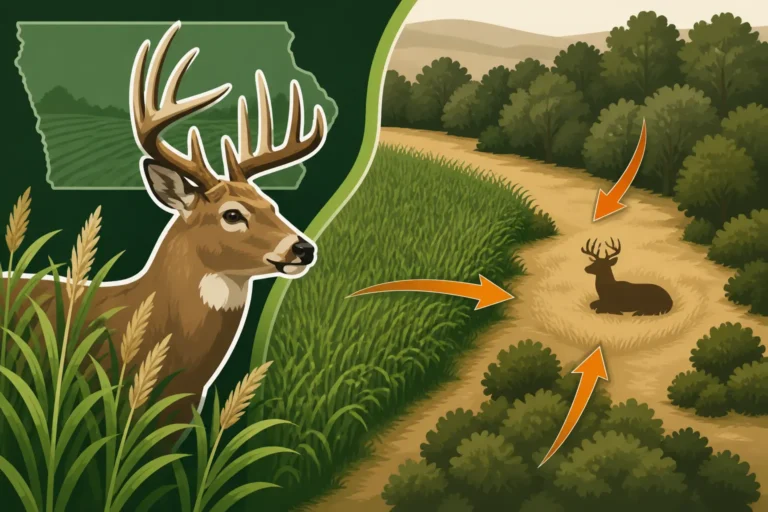
Iowa's walk-in access properties, like those enrolled in the Habitat and Access Program (IHAP) or our many Wildlife Management Areas (WMAs), are precious resources. They offer crucial hunting opportunities in a state dominated by private land. However, this accessibility often comes with a significant challenge: hunting pressure. When these areas see heavy use, and hunters aren't careful, the land can quickly show the wear and tear. We see new "trails" cut through bedding cover, discarded flagging tape, shell casings, and even field-dressed carcasses left in plain sight. This not only detracts from the experience for the next person but can also condition game animals to avoid those areas entirely, effectively "burning out" a spot for the entire season, or even longer.
Beyond the immediate impact on game and the aesthetics, how we treat these lands directly reflects on the hunting community as a whole. Landowners who enroll in programs like IHAP are making a generous choice to open their property. If they see their land being abused or disrespected, it directly threatens the future of such programs. Our collective responsibility is to ensure these partnerships thrive. By practicing Leave No Trace, we're not just being courteous to other hunters and the environment; we're actively participating in the long-term sustainability of Public Land Deer Hunting in Iowa and securing future access for all. It's about ensuring we can keep Hunting Iowa Walk-In Ground Without Burning It Out.
The Seven Principles Applied to Hunting
The Leave No Trace Center for Outdoor Ethics has outlined seven core principles. Let's look at how each one directly applies to us as hunters, moving beyond just a general understanding to specific, actionable steps in the field.
First, Plan Ahead and Prepare. This is arguably the most crucial step for any hunter. It means knowing the regulations for the specific area you're hunting, understanding the weather forecast, scouting thoroughly (often using tools like GoHunt to e-scout from home), and packing accordingly. For us, this also means having a solid recovery plan for your animal, knowing your access routes, and preparing for any potential issues. It's about ensuring you have all necessary gear, food, and water, and that everything you bring in, you plan to bring out. Having a detailed plan minimizes surprises and reduces the chance of making hasty decisions that could impact the environment.
Second, Travel and Camp on Durable Surfaces. For most Iowa hunters, "camping" might mean a brief sit in a treestand or ground blind, but the principle of durable surfaces still applies. When walking in, stick to established trails, field edges, or creek beds when possible. Avoid creating new, unnecessary trails through thick cover, especially bedding areas, as this can disturb deer and create visible signs of hunter activity. When selecting a stand location, choose a tree that can accommodate your stand without excessive limb trimming. The goal is to move through the landscape with minimal impact, leaving no visible sign of your passage.
Third, Dispose of Waste Properly. This extends far beyond just "pack it in, pack it out." Yes, every single wrapper, spent shell casing, piece of flagging tape, and gutting glove needs to leave with you. But it also includes proper carcass disposal. While legal, leaving a full gut pile right next to a well-used trail or parking area can be unsightly and attract unwanted scavengers to a high-traffic spot. Consider carrying your gut pile deeper into cover if practical, or spreading it out to decompose naturally and quickly. For smaller game like pheasants or rabbits, feather and fur piles should be discreetly dispersed.
Fourth, Leave What You Find. This principle reminds us that we are guests in the wild. Resist the urge to collect shed antlers (unless specifically allowed and regulated for that property), take interesting rocks, or cut live vegetation unnecessarily. The landscape should remain as natural as possible. For hunters, this means not carving initials into trees, not building "blinds" out of natural materials that won't decompose quickly, and certainly not leaving behind any man-made objects like plastic bottles or old treestand straps. Everything has a place in the ecosystem, and we should respect that balance.
Fifth, Minimize Campfire Impacts. While campfires aren't typically part of an Iowa deer hunt, the spirit of this principle relates to any human-caused disturbance. For hunters, this translates to minimal cutting of shooting lanes. Only trim what is absolutely necessary, and only deadfall if at all possible. When hanging a stand, avoid damaging the tree's bark. The idea is to leave no permanent alteration of the landscape.
Sixth, Respect Wildlife. This one might seem obvious for hunters, but it encompasses more than just following bag limits. It means observing wildlife from a distance when not actively hunting, avoiding unnecessary disturbance of bedding areas or nesting sites, and understanding that your presence can impact animal behavior. Ethical hunting practices, like clean Shot Placement on a Whitetail at Twenty Yards and responsible pursuit of wounded game, are integral to this principle. It also means not habituating wildlife to human food sources by leaving scraps behind.
Seventh, Be Considerate of Other Visitors. This is about sharing the outdoors respectfully. On walk-in grounds, this means parking your vehicle considerately, not blocking access points, and being mindful of noise levels. It's about giving other hunters ample space, especially during peak seasons. If you encounter another hunter, a friendly nod or brief greeting is usually sufficient; avoid trying to claim territory or disrupting their hunt. Understanding the rules for Party Hunting Rules and Safe Drives can also help ensure safety and courtesy.
Practical Steps for Minimizing Your Impact While Hunting
Applying the Leave No Trace principles in the real world of Iowa hunting requires intentional choices and a commitment to thoughtful practice. It's about building habits that serve both your hunting success and the longevity of our wild places.
Smart Planning and Preparation
The success of a Leave No Trace hunt often begins long before you set foot in the timber or CRP field. Thorough preparation minimizes the need for on-the-fly decisions that might lead to unintended impacts. Start your planning from home by e-scouting using satellite imagery and apps like GoHunt. This allows you to identify potential travel corridors, bedding areas, and access points without disturbing the actual ground. You can pinpoint likely stand locations, estimate travel times, and plan your approach and exit routes carefully. This helps reduce aimless wandering or the creation of new "scouting trails" that can alert deer to your presence.
Next, dive deep into the specific regulations for the area you intend to hunt. Iowa has various public and walk-in areas, and each might have slightly different rules regarding stand placement, vehicle access, or even how long stands can remain. Knowing these rules beforehand prevents violations and helps you choose appropriate gear. For instance, understanding portable stand rules on Iowa public ground means you won't bring a permanent stand to an area where it's forbidden. Always check the weather forecast before heading out. Unexpected rain or snow can make trails muddy, increasing your impact, or necessitate a longer sit in the field, requiring more gear to be packed in and out. Finally, plan your packing list meticulously. Bring reusable water bottles, sturdy bags for trash, and an extra bag specifically for anything you might accidentally drop or find. Consider packing a small, foldable saw for trimming only dead branches if absolutely necessary, rather than breaking live limbs.
Stealthy Movement and Site Selection
The way we move through a hunting area has a profound impact, not just on our chances of success, but also on the long-term health of the habitat and the experience of other hunters. When accessing your spot, prioritize existing trails, two-track roads, or well-defined field edges. These are "durable surfaces" that are designed to handle foot traffic. Avoid creating new paths, especially through dense undergrowth or sensitive habitats. If you must cut through, choose the path of least resistance and try to blend your passage.
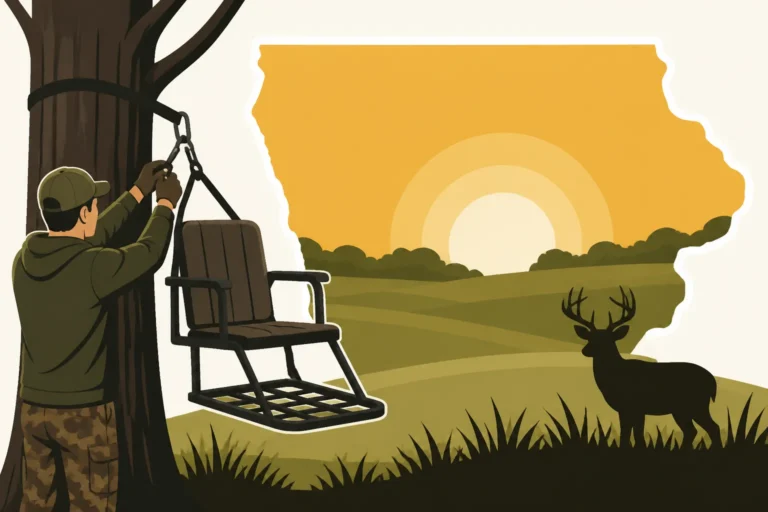
When it comes to choosing a stand site, whether it's for bowhunting or gun season, think about the minimum necessary impact. Avoid taking a chainsaw to an entire section of timber to open up shooting lanes. Instead, pick a tree that naturally offers good lanes or requires only minimal pruning of dead branches. If you're Hanging Stands on Iowa Public Ground, ensure your stand setup is secure and doesn't damage the tree bark. Some areas might have specific rules about using screw-in steps; always verify if Are Screw-In Steps Legal in Iowa? for your chosen location to avoid violating regulations and leaving permanent marks. Remember, the goal is for your presence to be as temporary as possible. When you leave, the area should look almost exactly as it did when you arrived.
Waste Management and Field Care
This is where the "pack it in, pack it out" mantra really shines. It sounds simple, but it's astonishing what gets left behind. Every single item you bring into the woods, from energy bar wrappers and sandwich baggies to empty water bottles, spent shotgun shells, and even small pieces of flagging tape used to mark a trail, must come back out with you. Consider using brightly colored, biodegradable flagging if you absolutely must mark a trail temporarily, but always remove it when you leave. Carrying a dedicated small trash bag in your pack makes this an easy habit.
When it comes to field dressing a deer, thoughtful practice is key. While it's common practice to gut a deer where it falls, consider the location. If you're right next to a busy public trail or a property line, that gut pile can be an eyesore, a source of odor, and an attractant for scavengers to a sensitive spot. If possible and practical, drag the carcass a short distance into thicker cover before field dressing, or at least spread the entrails out to allow for quicker decomposition. For situations where temperatures are warm, proper Field Dressing in Warm October Weather is crucial for meat preservation, but also consider how quickly scavengers will disperse the remains. If you're blood trailing, try to keep your tracking to a minimum of disturbance. Don't break unnecessary branches or trample wide swaths of vegetation. Once the deer is recovered, ensure any temporary markers are removed. If using Deer Carts on Iowa Walk-In Ground or dragging, try to follow existing paths or make your way through less sensitive areas to minimize ground disturbance.
Respecting the Land, Wildlife, and Fellow Hunters
Hunting on walk-in ground is a privilege, not a right. Our actions reflect not just on us, but on the entire hunting community and its relationship with landowners and the broader public. Respect is at the core of Leave No Trace, encompassing how we interact with the environment, the animals, and other people.
Minimizing Impact on Vegetation and Habitat
Every time we enter the woods, we create some level of disturbance. The goal of Leave No Trace is to make that disturbance as minimal and temporary as possible. When selecting a stand location, avoid over-trimming shooting lanes. Remember, less is often more. A small, strategic trim of a branch here or there is far different from clear-cutting a wide swath. Over-trimming not only leaves an obvious sign of human presence but also alters the natural habitat and might never grow back in your lifetime.
When using treestands, ensure they are installed and removed in a way that doesn't damage the tree. Avoid anything that girdles the tree or leaves permanent scarring. If you’re using rope, use tree-friendly varieties and methods. Always remove your stand and all associated gear promptly after your hunt, especially on public land where rules might dictate removal dates. For those who enjoy activities like Shed Hunting Rules on Iowa Public Land, the principle of "leave what you find" often extends to not disturbing habitat while searching. Resist the urge to tear through dense thickets or create new trails just to find an antler. Leave the natural environment as undisturbed as possible for the wildlife that calls it home.
Ethical Interaction with Wildlife
Hunters have a unique and intimate connection with wildlife. Leave No Trace reinforces the importance of ethical, responsible interaction. This means not only following all hunting regulations and bag limits but also understanding how your presence affects deer and other game. Repeatedly stomping through core bedding areas or pushing deer out of their safe zones can create significant Hunting Pressure Patterns on Iowa Public Land, causing deer to become nocturnal or completely abandon an area. Knowing when and where to push into certain areas is crucial.
Beyond the hunt itself, we must ensure our actions don't inadvertently harm wildlife. This includes making ethical shot choices to ensure a quick, humane harvest, minimizing tracking time and stress on the animal. If you wound an animal, dedicating yourself to its recovery is paramount, ensuring it doesn't suffer needlessly. Avoiding the introduction of foreign substances, like attractants or minerals that are not naturally occurring and not specifically permitted, also falls under this umbrella. Even something as simple as not littering prevents wildlife from ingesting harmful materials.
Being Considerate of Others
Shared spaces require shared responsibility and mutual respect. On Iowa's walk-in grounds, you're bound to encounter other hunters, hikers, birdwatchers, or even just people enjoying nature. Your actions can significantly impact their experience. First, practice good parking etiquette. Don't block gates, access roads, or other vehicles. Park off to the side, allowing ample room for others to pass or pull in. If a parking area is full, consider going to another access point if available, rather than creating a makeshift spot that could block traffic or damage vegetation.
Maintain appropriate distances from other hunters. While there's no official "personal space" rule in the woods, common courtesy dictates not setting up your stand directly next to another hunter's vehicle or an obvious access point they're using. If you see someone else, a quiet wave and continuing on your way is usually best. Avoid loud conversations or unnecessary noise that could disrupt another hunter's experience. If you're involved in Party Hunting Rules and Safe Drives, always be aware of your surroundings, communicate clearly, and ensure everyone in your party understands and follows safety protocols and considers others using the area. Remember, a positive interaction with a fellow outdoors person can foster goodwill and promote a more harmonious environment for everyone.
Long-Term Stewardship of Iowa's Walk-In Areas
The spirit of Leave No Trace is not just about a single hunt; it's about a long-term commitment to conservation and responsible outdoor ethics. For hunters, being a good steward means actively working to preserve the wild places and the hunting traditions for future generations.
Regular Site Checks and Maintenance
Our commitment to Leave No Trace shouldn't end when we drag a deer back to the truck. It extends to ensuring that our chosen hunting spot remains clean and undisturbed long after we've gone. If you've hung a stand for multiple hunts, make it a habit to do a thorough check of the area each time you retrieve it. Are there any forgotten pieces of gear? Did a piece of flagging tape fall off? Even small items, if left behind, accumulate over time.
Consider making a final pass through your hunting area at the end of the season. This dedicated "clean-up" trip can be incredibly beneficial. Remove any old scent wicks, ground blind stakes, or anything else that might have been left inadvertently. Look for and pack out any trash that might have been left by others, too. Think of it as leaving the area better than you found it. This goes a long way in maintaining the ecological integrity and aesthetic appeal of our public lands, ensuring they remain inviting for wildlife and fellow hunters alike.
Educating Others and Leading by Example
Promoting Leave No Trace principles doesn't require becoming a militant enforcer in the woods. Instead, the most effective way to spread the message is by leading through example. When other hunters see you meticulously packing out your trash, using minimal impact techniques, and showing respect for the land, it sets a positive precedent. They might not know why you're doing it, but they'll see the responsible behavior.
You can also subtly educate others. If you're chatting with a fellow hunter at the truck, a casual mention of how you try to keep your spots clean to prevent burning them out can spark a conversation. Share information about the benefits of using tools like GoHunt for Scouting Iowa Public Land Before the Opener which reduces physical scouting impact. Hunter education programs play a critical role in teaching these ethics to new hunters. We, as seasoned hunters, can reinforce these lessons by being mentors and demonstrating best practices in the field. Our actions speak volumes, shaping the culture of hunting on Iowa's precious walk-in ground.
Supporting Conservation Efforts
Ultimately, the ability to hunt on Iowa's walk-in grounds is a direct result of ongoing conservation efforts. Our license fees, habitat stamps, and excise taxes on hunting equipment (through the Pittman-Robertson Act) directly fund wildlife management and land acquisition programs. By purchasing your licenses and tags, you are already contributing financially to the maintenance and expansion of these areas.
Beyond mandatory contributions, consider joining and supporting conservation organizations like Pheasants Forever, Delta Waterfowl, or the Iowa Deer Hunters Association. Many of these groups actively work with the Iowa Department of Natural Resources (DNR) to improve habitat, advocate for hunter access, and educate the public on responsible outdoor ethics. Volunteering for habitat improvement projects or public land clean-ups is another powerful way to give back and actively participate in the stewardship of our hunting heritage. Every bit of effort, whether it's meticulous planning for your next hunt or a donation to a conservation group, helps ensure that Iowa's diverse landscapes continue to provide incredible hunting opportunities for years to come.
| LNT Principle | General Application | Hunting-Specific Application |
|---|---|---|
| Plan Ahead & Prepare | Know the area, weather, gear. | E-scout with GoHunt, understand specific area regulations, pack out all trash, have a recovery plan, carry emergency supplies, check Iowa Regulation Booklet Release Date. |
| Travel & Camp on Durable Surfaces | Stick to trails, established sites. | Use existing trails, field edges, or creek beds for access; avoid creating new trails, especially through bedding areas. Select stand trees carefully to minimize impact. |
| Dispose of Waste Properly | Pack out trash, human waste. | Pack out all trash (wrappers, shells, flagging tape). Disperse gut piles discreetly and away from high-traffic areas. Remove any temporary markers. |
| Leave What You Find | Don't take natural objects, alter sites. | Do not carve trees, build structures from natural materials, or leave permanent marks. Only collect sheds if permitted. Avoid excessive trimming of shooting lanes. |
| Minimize Campfire Impacts | Use existing fire rings, small fires. | For hunters, this translates to minimal cutting of shooting lanes (only deadfall if possible), and proper installation/removal of stands to avoid tree damage. |
| Respect Wildlife | Observe from a distance, don't feed. | Follow all hunting regulations and bag limits. Avoid unnecessary disturbance of bedding areas. Make ethical shots and commit to recovering wounded game. Understand Deer Density by Iowa County and how your presence impacts animal behavior. |
| Be Considerate of Others | Yield to others, keep noise down. | Park considerately, give other hunters space, minimize noise, and communicate respectfully if encounters occur. Understand the implications of Hunting Pressure After Opening Weekend. |
Disclaimer
The information provided in this guide is for general informational purposes only and does not constitute legal advice. Hunting regulations, seasons, and access rules can change frequently. Always consult the official Iowa Department of Natural Resources (DNR) regulations and local ordinances before engaging in any hunting activities. Hunters are responsible for understanding and adhering to all applicable laws and regulations.