Iowa IHAP Acres and Counties
It can be incredibly frustrating trying to figure out where you can actually hunt in Iowa, especially when you're staring at maps that show endless private ground. The good news is, Iowa has some fantastic programs designed to open up more land for hunters, and one of the most impactful is the Iowa Habitat and Access Program, or IHAP. This guide is all about diving deep into IHAP, helping you understand not just how much land is available, but where it is, how to find it, and how to make the most of these invaluable hunting opportunities across the Hawkeye State.
What is IHAP and Why It Matters
Navigating Iowa's hunting landscape can feel like a maze of "no trespassing" signs and tightly held private parcels. For many years, hunters, especially those without private land access, struggled to find consistent places to pursue deer, turkeys, and upland birds. That's where the Iowa Habitat and Access Program, or IHAP, steps in, offering a crucial lifeline by partnering with private landowners to open up acres for public hunting. It’s a game-changer for anyone who has ever felt locked out of Iowa's rich hunting potential.
The Core Concept Behind IHAP
At its heart, IHAP is a voluntary program where private landowners receive incentives to allow public hunting access on portions of their property. Think of it as a win-win: landowners get a financial benefit and help manage their land for wildlife, while hunters gain access to diverse habitats they might never otherwise experience. These aren't just marginal acres; many IHAP tracts boast prime habitat, ranging from restored prairies and timber stands to wetlands and crop field edges. The program focuses on creating, enhancing, or protecting wildlife habitat on these lands, which in turn boosts local populations of game species. It's a testament to collaboration, showing how private and public interests can align for the greater good of wildlife and the hunting community. For a full breakdown, check out How Iowa IHAP Works.
Benefits for Hunters and Landowners
For hunters, the benefit is straightforward and immense: more places to hunt! IHAP dramatically expands the footprint of publicly accessible land, providing opportunities for bowhunters seeking mature bucks, shotgunners chasing pheasants, and turkey hunters calling in spring gobblers. It often unlocks parcels that are nestled among other private lands, creating new corridors and blocks of huntable territory. Imagine being able to walk into a prime timber block or a robust CRP field without needing to knock on doors and ask permission. That's the power of IHAP. Landowners, on the other hand, benefit from financial incentives for their participation and receive assistance with habitat improvements. This might include planting native grasses, establishing food plots, or improving timber stand quality, all of which ultimately benefit the wildlife residing on their property and the surrounding landscape.
A Unique Approach to Public Access
What makes IHAP unique compared to traditional public lands like Wildlife Management Areas (WMAs) or State Forests is its dynamic nature and integration with private land. Unlike state-owned lands which are permanent fixtures, IHAP tracts are enrolled on a contract basis, meaning the available acreage can change year to year as contracts expire or new ones are added. This requires hunters to stay updated, but it also means new opportunities can pop up in unexpected places. The program often targets areas with existing high-quality habitat or strategic locations that connect other wildlife corridors, making these parcels incredibly valuable. It’s not just about quantity; it’s about strategically placing public access where it can have the most impact on hunter success and wildlife management.
Navigating Iowa's IHAP Acreage
Once you understand what IHAP is, the next step is figuring out how to use it. These aren't always sprawling, easily identifiable blocks of land like some state parks. Instead, IHAP properties are often smaller, tucked away, and require a bit more legwork to locate and understand. Knowing how to effectively navigate and utilize these valuable tracts is key to a successful hunt.
Understanding the "Walk-In Only" Rule
Perhaps the most critical rule to grasp about IHAP lands is that they are almost universally "walk-in only." This means motorized vehicles are strictly prohibited beyond designated parking areas. You'll need to leave your ATV or UTV at home and rely on your own two feet, or perhaps a reliable deer cart, to get to your hunting spot and retrieve game. This rule isn't just about limiting impact; it helps maintain the quality of the hunting experience by keeping vehicle traffic to a minimum and often allows for a more natural, undisturbed environment for wildlife. Embrace the walk-in aspect – it often means less competition from hunters who aren't willing to put in the effort. For a closer look at these access rules, check out Walk-In Only Access on IHAP Ground.
Finding IHAP Tracts with Mapping Tools
The best way to find current IHAP tracts is by using digital mapping tools. Forget trying to decipher old paper maps; the dynamic nature of IHAP demands something more current. The Iowa Department of Natural Resources (DNR) maintains an excellent online resource called the Using the Iowa Hunting Atlas, which is regularly updated with IHAP boundaries. Beyond the official DNR map, mapping apps like onX Hunt have revolutionized how hunters locate and navigate these properties. With onX Hunt, you can overlay property lines, see IHAP boundaries clearly marked, identify potential access points, and even scout the terrain from your couch. This is invaluable for identifying hidden corners, timbered draws, or CRP fields that might hold game, helping you develop a solid plan before you ever set foot on the ground. GoHunt also provides valuable state-specific resources that can complement your research by offering detailed information on drawing odds and hunt planning tools, although for specific parcel boundaries, an app like onX Hunt is your daily driver.
Reading IHAP Signage in the Field
When you arrive at an IHAP property, you'll notice distinctive yellow signs with the IHAP logo. These signs are crucial; they delineate the public access boundaries and often indicate specific rules or conditions for that particular tract. It’s absolutely essential to respect these signs and understand that public access usually only applies to the land inside the marked boundaries. Do not assume adjacent private land is also accessible. Always pay close attention to where the signs begin and end, and if you have any doubt, refer back to your mapping app. Misinterpreting signage can lead to trespassing, which is something no ethical hunter wants to do. The signs are there to help you, and they’re a clear indicator that you're on designated public access ground.
Key Counties for IHAP Access
While IHAP aims to spread access across the state, some counties naturally have more enrolled acreage than others. This isn't random; it's often a reflection of existing habitat, landowner willingness, and strategic conservation goals. Knowing which regions are generally more active with IHAP can help you focus your scouting and planning efforts.
Counties with Significant IHAP Presence
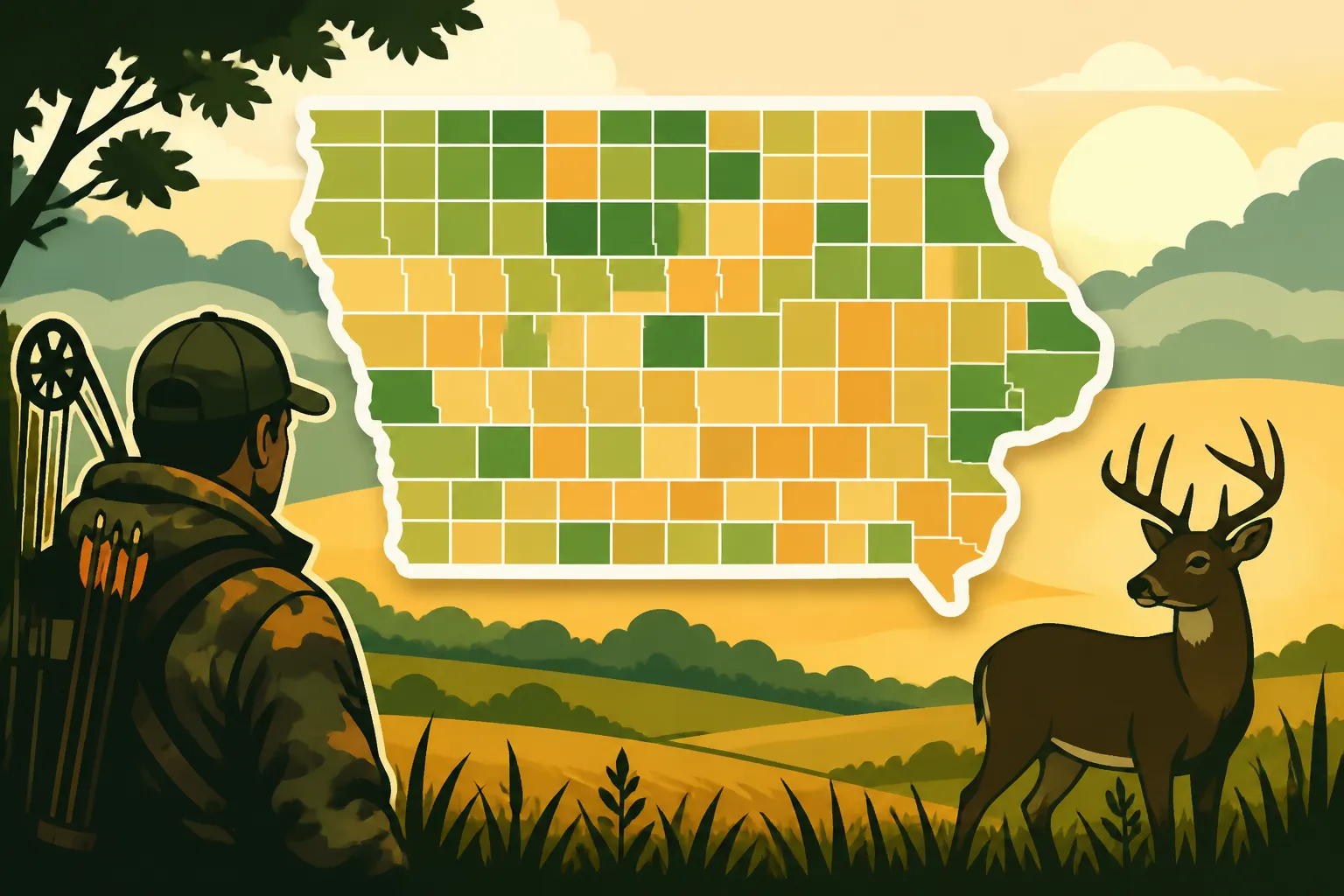
Historically, IHAP enrollment has seen strong participation in various parts of the state, often in regions known for strong whitetail, turkey, or pheasant populations. Areas with a mix of timber, row crops, and grassland, particularly in central, southern, and eastern Iowa, often have good IHAP representation. These regions tend to have a higher density of suitable habitat for enrollment and landowners who are more attuned to conservation programs. While specific numbers fluctuate annually, looking at maps will quickly reveal clusters of IHAP properties in counties that historically boast good hunting. It’s worth noting that the program is constantly evolving, so what might be a hotbed of IHAP activity this year could shift slightly next year.
Here's a general overview of characteristics you might find in counties with high IHAP enrollment:
| Characteristic | Description | Impact on Hunting |
|---|---|---|
| Habitat Diversity | Mix of timber, CRP, row crops, wetlands, and creek bottoms. | Provides varied cover and food sources for multiple game species. |
| Conservation Ethic | High engagement from landowners interested in wildlife and land stewardship. | Leads to higher enrollment and well-managed hunting areas. |
| Agricultural Mix | Balanced blend of farming practices with habitat corridors. | Creates edge habitat and critical bedding/foraging areas for deer. |
| Geographic Location | Often located within known major game animal ranges (e.g., deer, pheasants). | Strategic placement maximizes hunter success and population health. |
Regional Variations in IHAP Availability
The type of habitat and therefore the kind of hunting opportunities available on IHAP lands can vary significantly by region. In southern Iowa, for instance, IHAP tracts might lean heavily towards timbered ridges and creek bottoms, offering prime deer and turkey habitat. Moving north or west, you might find more IHAP acreage dedicated to restoring prairies and grasslands, which are fantastic for pheasants, quail, and other upland birds. The eastern part of the state, particularly the Driftless Area, could offer rugged timbered tracts with steep bluffs and river access. Understanding these regional tendencies helps you tailor your IHAP scouting to the species you’re most interested in pursuing.
Strategic Planning Based on County Data
For serious hunters, it pays to dive into the details. While an official statewide tally of IHAP acres by county isn't always readily available or static, you can use tools like the Iowa Hunting Atlas or your onX Hunt app to manually scan regions of interest. Pay attention to how many IHAP signs you see on the map in a particular area. You can also look at historical harvest data from the Iowa DNR by county. Counties that consistently show high deer or pheasant harvests, combined with a noticeable amount of IHAP acreage, are excellent places to start your research. Remember, IHAP properties are often smaller than typical WMAs, so finding multiple tracts in close proximity can create a larger huntable area and offer more flexibility.
Maximizing Your IHAP Hunting Opportunities
IHAP lands offer fantastic opportunities, but they aren't always a walk in the park. Like any public hunting ground, they require smart strategy, diligent scouting, and respectful practices to truly maximize your success. These lands can see pressure, so knowing how to adapt and make the most of your time is crucial.
Scouting IHAP Lands Effectively
Effective scouting is paramount on IHAP properties. Because these tracts can be smaller and more interspersed with private land, you need to be precise. Start with E-scouting using satellite imagery on your onX Hunt app or the Iowa Hunting Atlas. Look for key features like pinch points, funnels, bedding cover (dense cedars, thickets, tall grass), water sources, and food plot locations. Identify potential access routes that minimize disturbance to bedding areas. Once you've got a few spots picked out, it's time for boots on the ground. Walk the property lines, look for deer sign (rubs, scrapes, trails, droppings), and identify potential stand or blind locations. Pay attention to wind direction and thermals in relation to these spots. Scouting Iowa Public Land Before the Opener is a great resource to refine your strategy here.
Hunting Pressure and Timing Your Visits
IHAP lands are a valuable resource, and like most public ground, they can experience hunting pressure, especially on opening weekends or during peak rut. Recognizing this is key to developing a successful strategy. If you hit an IHAP tract and find other vehicles in the parking area, don't just leave. Instead, consider adjusting your approach. Perhaps there's a lesser-known corner, a difficult-to-access area, or a different entry point that fewer hunters utilize. Often, the farther you're willing to walk, the more likely you are to find undisturbed pockets of game. Timing your visits can also make a huge difference. Hunting during weekdays, mid-week, or even during inclement weather can reduce competition. For example, during the shotgun season, the initial rush often subsides after the first few days, opening up more opportunities for those who can hunt later in the week. Learn more about Hunting Pressure Patterns on Iowa Public Land to plan your trips.
Ethical Hunting on Shared Ground
Hunting on IHAP land means you're often sharing the resource, not just with other hunters, but with the landowners and the wildlife itself. Always practice the highest ethical standards. This includes knowing and respecting property boundaries, packing out everything you pack in (and maybe a little extra trash you find), and being mindful of noise and disturbance. If you encounter other hunters, a friendly wave and a respectful distance go a long way. Remember, the continued success of the IHAP program relies on landowners having positive experiences, and that means hunters demonstrating responsible behavior. Leaving a positive impression encourages more landowners to participate, ultimately benefiting everyone. Always double-check regulations regarding specific rules for individual IHAP tracts, as some may have unique considerations. For general best practices on minimizing your impact, read Leaving No Trace on Iowa Walk-In Ground.
Common Questions About IHAP Lands
When you're new to hunting IHAP lands, it's natural to have a few questions about the specifics. These properties operate a little differently than state parks or private land, so understanding the nuances of the rules can make a big difference in your planning and success.
Rules on Blinds and Stands
A frequently asked question concerns the use of treestands and ground blinds on IHAP properties. Generally, temporary blinds and treestands are permitted on IHAP lands. However, they must be removed daily. This is a crucial distinction from some other public lands where stands can be left for longer periods. You cannot permanently affix stands to trees with screw-in steps or damage trees in any way. Portable ladder stands, hang-on stands, and climbing stands are all acceptable, as long as they are taken down after each hunt. Ground blinds also need to be portable and removed. Always check specific regulations for the particular IHAP tract you're hunting, as very rare exceptions or additional rules might apply. For detailed rules on this, consult Blinds and Stands on Iowa IHAP Ground and Are Screw-In Steps Legal in Iowa?.
Dates of Access and Seasonality
The access dates for IHAP properties are typically consistent with Iowa's general hunting seasons for the species present on the land. However, it's important to remember that IHAP agreements are for specific periods. Most IHAP tracts are open for walk-in hunting from September 1st through May 31st annually, covering most of Iowa's deer, turkey, and upland bird seasons. This means you can scout these areas during the late summer and early fall and hunt through the winter and into the spring turkey season. Again, using the Iowa Hunting Atlas or your onX Hunt app will confirm the specific open and closed dates for each individual tract, as there can sometimes be variations based on the landowner's agreement. Knowing When Iowa IHAP Tracts Open in Fall can help you plan your initial scouting trips.
Comparing IHAP to Other Public Lands
IHAP lands offer a unique opportunity compared to other types of public hunting ground in Iowa. While Wildlife Management Areas (WMAs) and State Forests are typically larger, permanently owned by the state, and often have more established infrastructure (like maintained roads and parking lots), IHAP tracts are privately owned and smaller, but significantly increase the total available public hunting footprint. County Conservation Board (CCB) lands also offer hunting, but their rules can vary widely by county and often have more restrictions on certain activities. The beauty of IHAP is its ability to unlock parcels in areas that might otherwise be entirely private, often connecting existing habitat or filling in gaps.
Here's a quick comparison of general characteristics:
| Feature | IHAP Lands | State WMAs/Forests | County Conservation Areas |
|---|---|---|---|
| Ownership | Private land with public access agreement | State-owned (DNR) | County-owned |
| Access Type | Primarily walk-in only | Varies; may have vehicle access on main roads | Varies greatly by county; often walk-in |
| Stand/Blind Rules | Temporary stands/blinds only; removed daily | May allow longer-term placement (check specific WMA) | Varies by county; often temporary |
| Acreage | Generally smaller, dispersed parcels | Typically larger, contiguous blocks | Variable; can be small parks to larger nature areas |
| Seasonality | Sept 1 – May 31 (general IHAP rule) | Open per state seasons | Varies by county; check specific area |
| Dynamic Nature | Acreage can change yearly as contracts renew/expire | Relatively stable, permanent public land | Stable, but rules can be updated by county board |
| Habitat Focus | Habitat improvement/protection for public hunting | Wildlife management and public recreation | Conservation, recreation, and some hunting |
This comparison illustrates that IHAP is a crucial piece of the puzzle for Iowa hunters, offering access to areas that might otherwise be inaccessible. It demands a slightly different approach than other public lands, but with careful planning and respect for the rules, it can lead to incredibly rewarding hunting experiences.
Disclaimer
This article is for general informational purposes only and does not constitute professional advice. Laws, prices and regulations vary by location and change over time. Consult a qualified professional for guidance on your specific situation.