Enrolling Land in Iowa IHAP
As an Iowa landowner, you might find yourself in a tricky spot: you love seeing healthy wildlife on your property, you've put in work to create great habitat, but the costs can add up, and requests for hunting access can be overwhelming to manage. You want to contribute to the outdoor heritage, but you also need to protect your investment and time. The Iowa Habitat and Access Program (IHAP) offers a fantastic solution, providing financial support and important liability protection in exchange for opening your land to responsible public hunting. This guide will walk you through everything you need to know about enrolling your property in IHAP, making it a win-win for you and Iowa's hunters.
Understanding Iowa's Habitat and Access Program (IHAP)
Let's be real, managing land and nurturing wildlife habitat is a passion, but it's also a significant undertaking. The Iowa Habitat and Access Program (IHAP) steps in as a truly innovative partnership, designed to benefit both private landowners and the hunting public. It’s essentially a program where the Iowa Department of Natural Resources (DNR) works with you, the landowner, to open up your private property for public walk-in hunting access. Think of it as a way to formalize and support the access you might already be considering, but with a structured approach and tangible benefits.
What IHAP Is and Why It Matters
At its core, IHAP is about increasing hunting opportunities on private land across Iowa, specifically through "walk-in" access. For years, finding a place to hunt in Iowa, especially for nonresident deer hunting or even for local residents without private connections, has been a challenge. IHAP directly addresses this by creating a network of properties clearly marked for public access. It's a game-changer for folks who cherish the outdoors but don't own land or have extensive private land connections.
From a wildlife perspective, IHAP is also a huge win. Often, the parcels that enroll are those with existing, high-quality habitat that landowners are already working hard to maintain. By participating, you’re not just providing access; you’re often securing resources to enhance or preserve critical nesting cover, wintering areas, or travel corridors for deer, turkeys, pheasants, and other game. It helps create a more robust and resilient landscape for wildlife across the state. This initiative really underscores the idea that strong wildlife populations and access go hand-in-hand.
The Philosophy Behind Walk-In Access
The "walk-in" part of IHAP is absolutely critical and defines the program. Unlike traditional hunting leases that might involve vehicle access or permanent structures, IHAP emphasizes low-impact, foot-traffic-only access. This ensures minimal disturbance to your property and maintains the integrity of the natural environment. Hunters are expected to park at designated points and proceed on foot, often relying on their own scouting and woodsmanship.
This approach often appeals to landowners who want to provide opportunities without the full commitment of an exclusive lease or the constant negotiation with individual hunters. It's a structured way to open your gates, knowing that the rules are clear and consistently enforced by the DNR. For hunters, it offers a refreshing alternative to crowded public lands, granting them access to properties that often receive less pressure due to their private ownership. It's truly a testament to community and shared stewardship, something we could all use more of in the hunting world. If you're curious about the mechanics, you can read more about How Iowa IHAP Works.
Key Benefits for Landowners
Now, let's talk about why this might be a fantastic option for you, the landowner. First and foremost, financial compensation. The DNR provides payment based on the acres enrolled, offering a significant incentive to offset some of those habitat management costs or simply to provide income from your land. This isn't just a handshake deal; it's a formal contract that ensures you receive fair compensation for the access you provide.
Beyond the direct payment, IHAP offers crucial liability protection. This is a huge concern for many landowners considering opening their property to others. Iowa has a Recreational Use Statute that helps protect landowners who allow public recreational access. By formally enrolling in IHAP, you're solidifying that protection, which can bring immense peace of mind. The program also provides habitat improvement support, often offering technical assistance from DNR wildlife biologists who can help you develop or enhance your property's ecological value. Imagine having experts on your side, helping you plan out the best food plot locations or prescribed burn strategies to truly maximize your habitat efforts.
Eligibility and Land Requirements for IHAP Enrollment
So, you're interested. But what kind of land is IHAP actually looking for? It's not just any parcel; the program is strategic in targeting properties that offer the most benefit for both wildlife and hunters. Understanding these requirements is key to determining if your land is a good fit and to navigating the enrollment process smoothly. The DNR wants to ensure that the areas they open up provide a quality hunting experience and contribute meaningfully to habitat corridors.
Minimum Acres to Enrol in Iowa IHAP
One of the first questions most landowners ask is, "How big does my property need to be?" While the specifics can vary slightly based on the type of habitat and its location, the program generally looks for tracts of a certain size to be viable for walk-in hunting. It's not just about a raw number, but about creating an area large enough to offer a meaningful hunting experience without feeling too small or fragmented.
Generally, the program is keen on parcels that can support a hunt without quickly running out of room or bumping into boundaries every few minutes. While there isn't a hard and fast rule that says "exactly X acres," larger contiguous blocks of quality habitat are certainly preferred. Sometimes, smaller parcels can be enrolled if they are adjacent to other IHAP lands or existing public hunting areas, effectively creating a larger accessible block. It’s always best to discuss your specific acreage with a DNR representative, as they can assess the practical hunting footprint of your land. For more details on this, you can look into Minimum Acres to Enrol in Iowa IHAP.
Desirable Habitat Features and Location
The DNR isn't just looking for open fields; they're looking for prime wildlife habitat. Think timber stands, dense CRP (Conservation Reserve Program) grasslands, wetlands, river bottoms, and even strategically placed crop fields that offer late-season food sources. These are the places where deer bed, turkeys roost, pheasants hide, and waterfowl flock. Properties that have a good mix of cover, food, and water are highly desirable, as they tend to hold more game and offer more diverse hunting opportunities.
Location also plays a huge role. Properties that are adjacent to existing public hunting lands or that form critical links in wildlife travel corridors are particularly attractive. Imagine your parcel connecting a state forest to a large CRP field – that's a prime candidate! These strategic locations maximize the impact of IHAP by creating larger, more functional blocks of habitat and hunting access. If your land boasts diverse cover and is situated in an area known for good wildlife populations, it definitely has a head start.
Avoiding Conflicts and Existing Leases
It's important to understand that IHAP is designed to create new public hunting access, not to replace existing arrangements or create conflicts. If your land is already under a long-term hunting lease with a private party, it generally wouldn't be eligible for IHAP until that lease expires. The program's goal is to expand opportunities, so replacing one form of private access with another doesn't quite fit the mold.
Similarly, if your land is heavily farmed, there needs to be a clear understanding of how hunting access would integrate with agricultural operations. While many IHAP properties include crop fields, the focus is typically on the habitat edges, timber blocks, or grass strips within or around those fields. The DNR will work with you to ensure that any hunting access doesn't interfere with your primary farming activities. Open communication about any existing leases, agreements, or land-use plans during the initial discussions is crucial to a smooth application process.
The Iowa IHAP Application Process: A Step-by-Step Guide
So, you've decided your land might be a great fit for IHAP. What's next? The application process is relatively straightforward, guided by the Iowa DNR. It involves some initial conversations, a site visit, and then formalizing an agreement that works for both you and the program. It's a partnership, and the DNR staff are generally very helpful in walking you through each stage.
Initial Contact and Site Visit
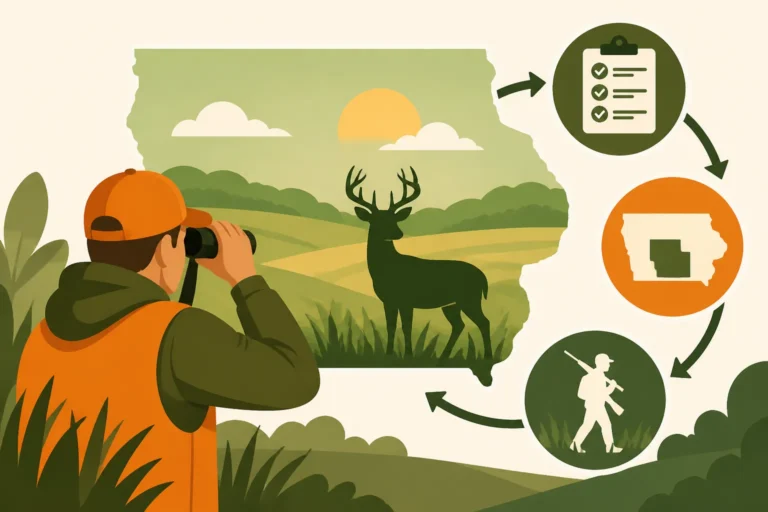
The first step is to express your interest to the Iowa DNR. You can usually find contact information for your local wildlife management biologist or the IHAP coordinator on the DNR's website. They’re the folks who can answer your initial questions and help you gauge your property's suitability. Once you’ve made contact, a DNR wildlife biologist will likely schedule a site visit to your property.
During this visit, they'll walk the land with you, assessing the quality of the habitat, potential access points, and discussing your goals and any concerns you might have. This is a great opportunity to ask all your questions, point out specific features of your land, and understand how public access might work on your unique parcel. They'll look at things like existing trails, potential parking areas, and how easily boundaries can be identified. It's a collaborative conversation to ensure a good fit.
Contract Negotiation and Terms
If your property is deemed a good fit, the next stage involves negotiating the contract terms. This is where the specifics of your agreement with the DNR are hammered out. A key component of this is What Iowa Pays IHAP Landowners. While I can't provide exact figures (as these can change), rest assured it's a per-acre payment designed to compensate you fairly for opening your land. The payment structure and rates will be thoroughly explained during this phase.
The contract will also detail How Long an Iowa IHAP Contract Runs. These are typically multi-year commitments, which provides stability for both the landowner and the program. It ensures a consistent offering of public access and gives you a predictable income stream. During this negotiation, you’ll also work with the DNR to define specific access points, areas where parking will be permitted, and the exact boundaries of the land open to public hunting. This clarity is vital for both your peace of mind and for guiding hunters responsibly.
Signage and Marking Your IHAP Property
Once the contract is signed, your property will be officially designated as an IHAP area. This is where those distinctive yellow signs come in. You've probably seen them if you've done any public land hunting in Iowa – bright yellow signs clearly stating "WALK-IN PUBLIC ACCESS." These signs are crucial for identifying the property for hunters and for clearly marking the boundaries of the accessible land.
The DNR will typically provide and help install these signs, ensuring they are placed strategically at access points and along boundaries. However, as the landowner, you'll play a role in maintaining awareness of their presence and condition. Clear boundaries are paramount, not just for hunters, but also for protecting adjacent private property that is not enrolled in IHAP. These signs are a visual contract, informing hunters exactly where they are welcome to pursue game.
Managing Your Land Under IHAP: Expectations and Responsibilities
Enrolling your land in IHAP is just the beginning of a rewarding partnership. Understanding the expectations for both you as the landowner and the hunters accessing your property is crucial for a successful experience. The program is designed to be mutually beneficial, and clear communication about what's allowed and what's not helps everyone have a positive experience.
Vehicles on Iowa IHAP Tracts and Hunter Conduct
One of the most defining rules of IHAP is the "walk-in only" nature of the access. This means no ATVs, no trucks, no driving out into the timber or fields, even to retrieve game. Hunters are expected to park in designated areas – usually a small pull-off or parking lot – and proceed on foot. This rule is fundamental to minimizing disturbance to your property and ensuring a fair chase environment. For more specific rules, you can consult Vehicles on Iowa IHAP Tracts.
Hunter conduct is another key aspect. While the vast majority of hunters are respectful and responsible, inevitably, there can be concerns. IHAP signs clearly state that hunters must abide by all Iowa hunting regulations, and common courtesies like staying off private drives, respecting fences, and packing out all trash are expected. If issues arise, you should report them to the DNR or local conservation officers, as they are responsible for enforcing the rules and addressing any problems. It's a partnership where both sides have a role in maintaining respect for the land.
Blinds and Stands on Iowa IHAP Ground
For many hunters, a treestand or ground blind is essential for a successful hunt. However, there are specific rules about these on IHAP properties. Generally, hunters are only allowed to use portable blinds or stands that must be removed daily. This aligns with the "leave no trace" philosophy and prevents permanent structures from altering your property. Blinds and Stands on Iowa IHAP Ground provides detailed regulations on this.
As the landowner, you might have specific areas you'd prefer not to have stands, or you might even consider installing your own permanent blinds for hunters to use (though this would typically be an arrangement you'd discuss and agree upon with the DNR outside of standard IHAP rules). The program aims for flexibility while ensuring that the land remains largely undisturbed by permanent fixtures. Hunters are expected to be good stewards, not damaging trees for stands and always using safety equipment like harnesses.
Habitat Work on Iowa Public Land and IHAP
Enrolling in IHAP doesn't mean you stop managing your land; in fact, it can often enhance your habitat efforts. The DNR often provides technical assistance to landowners participating in the program. This means you can work with wildlife biologists to plan and implement projects that benefit game species, which in turn enhances the hunting opportunities on your property. This might include anything from developing new food plots (where permissible by contract) to conducting prescribed burns for prairie restoration, or planting trees for improved cover.
The program often ties into broader conservation goals, making your individual efforts part of a larger, state-wide strategy. This can be incredibly satisfying, knowing that your land is contributing to the overall health of Iowa's ecosystems. It's a partnership where your land management goals can align perfectly with the DNR's objectives for wildlife and habitat.
Benefits Beyond Payment: Habitat, Community, and Legacy
While the financial compensation and liability protection are undoubtedly major draws for IHAP, the program offers a wealth of other, less tangible benefits that resonate deeply with many landowners. These often revolve around the satisfaction of contributing to conservation, fostering a love for the outdoors in others, and leaving a lasting legacy. It's about more than just acres and dollars; it's about stewardship and community.
Enhancing Wildlife and Ecological Value
When you enroll your land in IHAP, you're not just opening it up; you're often ensuring that its ecological value is recognized and maintained, sometimes even enhanced. The program prioritizes properties with good habitat, and your participation helps secure that habitat for generations of wildlife. This has a direct positive impact on local populations of deer, turkeys, pheasants, and other game animals. Your property might be a critical fawning area for whitetails, a crucial nesting site for pheasants, or a vital corridor for migrating waterfowl.
By working with the DNR, you can gain access to expertise and sometimes even resources that help you implement best practices for wildlife management. This contribution to conservation extends beyond your fence lines, positively affecting regional wildlife health and biodiversity. It's a powerful feeling to know that your efforts are directly supporting the health and vibrancy of Iowa's natural heritage. You are actively playing a role in Iowa Deer Herd Management and Harvest and other wildlife conservation efforts.
Becoming a Part of the Iowa Hunting Community
There's a unique satisfaction that comes from providing an opportunity for others to enjoy the outdoors. For many Iowa landowners, participating in IHAP is about giving back to the hunting community. It provides a chance for hunters, who might not otherwise have access, to experience the thrill of the chase, introduce their kids to hunting, or simply spend time in nature.
This fosters a sense of shared responsibility and connection. While you might not meet every hunter who steps onto your property, knowing you've provided that space can be incredibly rewarding. It strengthens the bonds within the broader hunting community and promotes a positive image of land stewardship. You become a crucial part of keeping Iowa's rich hunting traditions alive and accessible.
Long-Term Land Management and Future Considerations
IHAP can be an integral part of your long-term land management strategy. The multi-year contracts provide a stable income stream that can help fund other conservation efforts on your property, from invasive species removal to timber stand improvements. It offers a consistent use for your land that aligns with conservation values, without the complexities of managing private hunting leases year after year.
Furthermore, IHAP can be an excellent way to introduce a conservation easement or other long-term land protection strategies. By establishing your property's value as a public access and habitat area, you set a precedent for its future use. It's a way to ensure that your land continues to provide ecological and recreational benefits far into the future, creating a lasting legacy that extends beyond your ownership. This might also be relevant if you're exploring options like Iowa Landowner and Tenant Deer Tags for other portions of your property.
Practical Advice for Prospective IHAP Landowners
Deciding to enroll your land in IHAP is a big step, and like any important decision, it helps to be prepared. Thinking through a few key aspects before you even pick up the phone to call the DNR can make the entire process smoother and more efficient. From mapping out your property to understanding common questions, a little preparation goes a long way.
Using Mapping Tools to Assess Your Property
Before the DNR biologist even steps foot on your land, you can get a head start by using modern mapping tools. Applications like onX Hunt or GoHunt are incredibly powerful for landowners. These platforms allow you to precisely see your property lines, analyze aerial imagery for habitat features (like timber blocks, CRP fields, and water sources), and identify potential access points or parking areas. You can also see nearby public lands and how your property might connect to them, which is a major plus for IHAP.
"E-scouting" your own land can help you anticipate questions the DNR might have and also help you think through how hunters would navigate your property. You can mark potential stand locations, game trails, or sensitive areas you want to discuss during the site visit. This kind of preparation shows initiative and helps streamline the conversation with the wildlife biologist, ensuring that everyone is on the same page from the get-go.
Communicating with the Iowa DNR
Clear and open communication with the Iowa DNR is paramount throughout the entire IHAP process. Don't hesitate to ask questions, voice your concerns, or seek clarification on any aspect of the program. The DNR staff are there to help and want to ensure that IHAP is a good fit for you and your land. Before your site visit, make a list of everything you want to discuss, from liability questions to specific management goals you have for your property.
Be transparent about any existing uses of your land, such as agricultural operations, timber harvests, or even personal hunting. The more information you provide, the better the DNR can tailor a contract that works for everyone. Remember, this is a partnership, and effective communication is the foundation of any strong partnership. The folks at the DNR are usually passionate about wildlife and conservation, just like you, so approaching them as collaborators will always lead to the best outcomes. Knowing more about How Iowa IHAP Works before your call can also help you formulate specific questions.
Frequently Asked Questions and Common Concerns
It's natural to have questions and concerns when opening your private land to the public. One of the most common worries is about liability. As mentioned, Iowa has a Recreational Use Statute that provides significant protection, and participating in IHAP further strengthens that. The DNR can provide detailed information on this, putting many landowners' minds at ease.
Another concern is often about property damage or excessive hunting pressure. While these are valid points, the DNR actively manages IHAP properties, and hunters are generally aware they are on private land and are expected to be respectful. The "walk-in only" rule itself helps deter less responsible individuals. Local conservation officers monitor these areas, and any issues can be reported and addressed. While IHAP properties certainly see hunting pressure, it's often more controlled and respectful than some general public lands. Remember, hunters generally appreciate the opportunity and want to see the program succeed.
IHAP Versus Traditional Leasing: A Quick Comparison
When considering opening your land to hunters, it’s helpful to understand how IHAP stacks up against a more traditional private hunting lease. Both have their merits, but they serve different purposes and offer different benefits to landowners. This table provides a quick overview to help you weigh your options.
| Feature | Iowa Habitat and Access Program (IHAP) | Traditional Private Hunting Lease |
|---|---|---|
| Access Type | Public walk-in access only | Exclusive private access, often with vehicle privileges |
| Compensation | Per-acre payment from DNR | Negotiated fee from private hunter(s) |
| Liability | Enhanced protection under state statute (IHAP formalizes) | Protected by state statute, but no formal program backing |
| Habitat Support | Technical assistance from DNR biologists | Typically none, unless negotiated with lessee |
| Management | Collaborative with DNR, aligned with state goals | Landowner manages, or lessee manages by agreement |
| Duration | Multi-year contracts, stable | Typically 1-year, renewable annually |
| Hunter Contact | Minimal direct contact with individual hunters | Direct relationship with lessee(s) |
| Signage | DNR-provided, uniform yellow signs | Landowner responsible for posting |
| Flexibility | Less flexible on specific hunter control | Highly flexible, landowner sets all terms |
| Goal | Increase public access & habitat conservation | Generate income, exclusive hunting rights |
This comparison highlights that IHAP is a public-oriented conservation program with landowner benefits, while private leasing is a more direct business transaction focused on exclusive rights. Both can be great options, depending on your personal goals and comfort level.
Disclaimer
This article is for general informational purposes only and does not constitute professional advice. Laws, prices and regulations vary by location and change over time. Consult a qualified professional for guidance on your specific situation.