Iowa Antlerless Harvest Numbers
Iowa antlerless harvest numbers explain deer population health, management strategies, and county totals reported to the Department of Natural Resources.
Know what you’re after.
Big game, small game, upland birds, and waterfowl — identification, behavior, rut and migration timing, and how each species moves through the season.
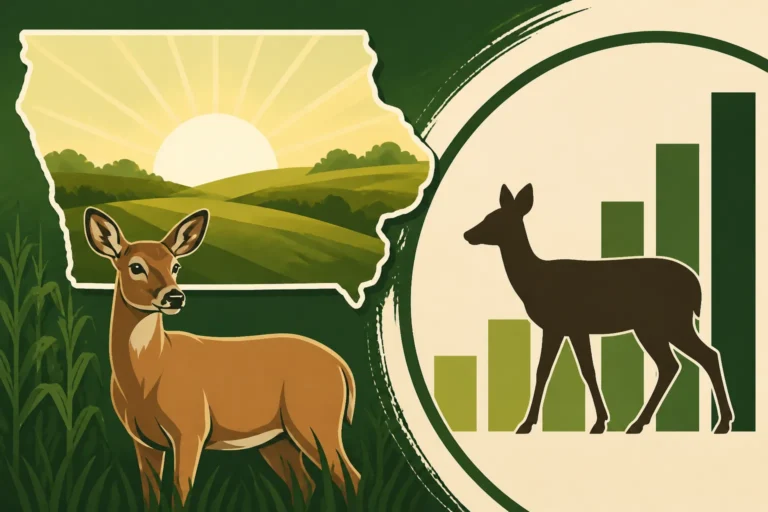
Iowa antlerless harvest numbers explain deer population health, management strategies, and county totals reported to the Department of Natural Resources.
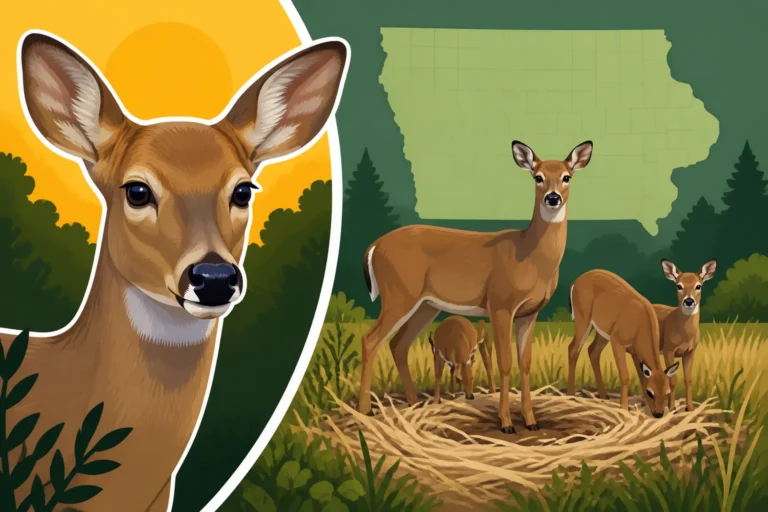
Iowa doe family groups and their matriarchal social structures dictate daily deer movement patterns across diverse timber and crop landscapes.
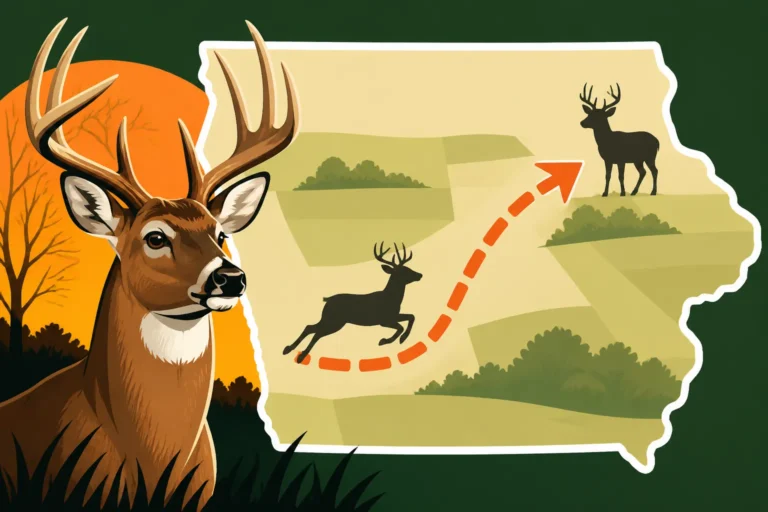
Buck dispersal distance in Iowa explains why young male deer leave birth areas and how far they travel to establish new ranges.
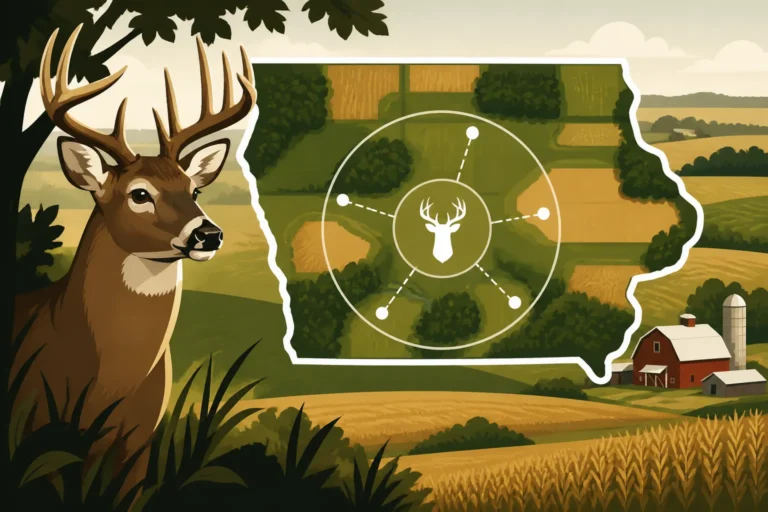
Iowa whitetail home ranges in agricultural farm country shift constantly due to seasonal crop changes and farming activity.
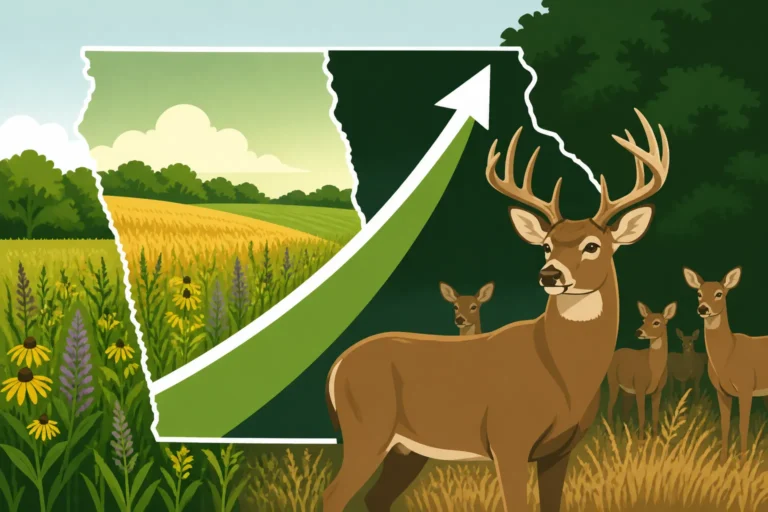
Conservation Reserve Program acres provide vital Iowa deer habitat and security cover, dictating where whitetails bed and move.
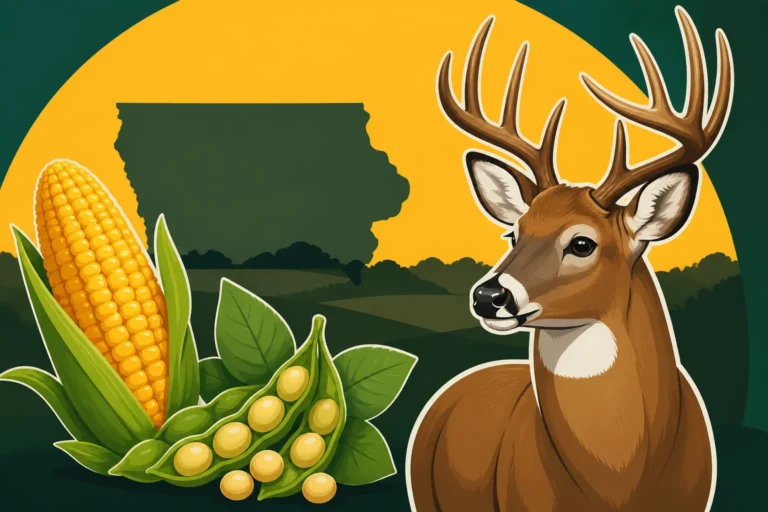
Iowa corn and soybeans provide energy and protein that drive whitetail deer antler development, body size, and seasonal movement.
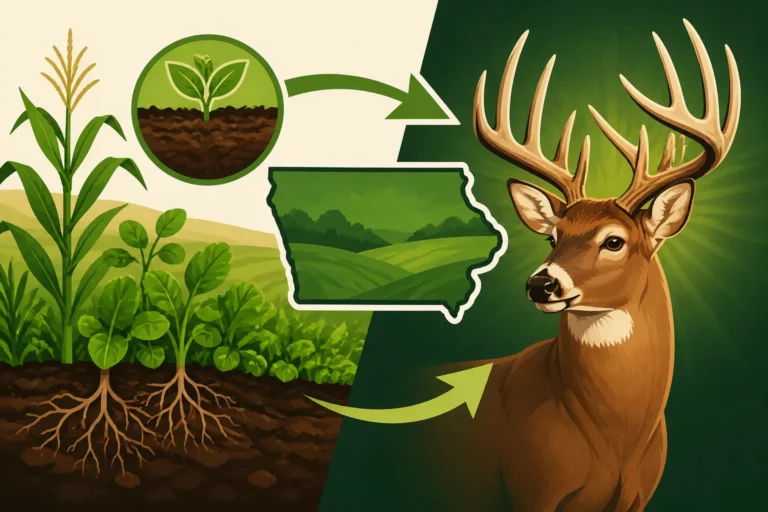
Iowa soil fertility, glacial till, and mineral-rich corn and soybean crops explain how bucks grow massive trophy whitetail antlers.
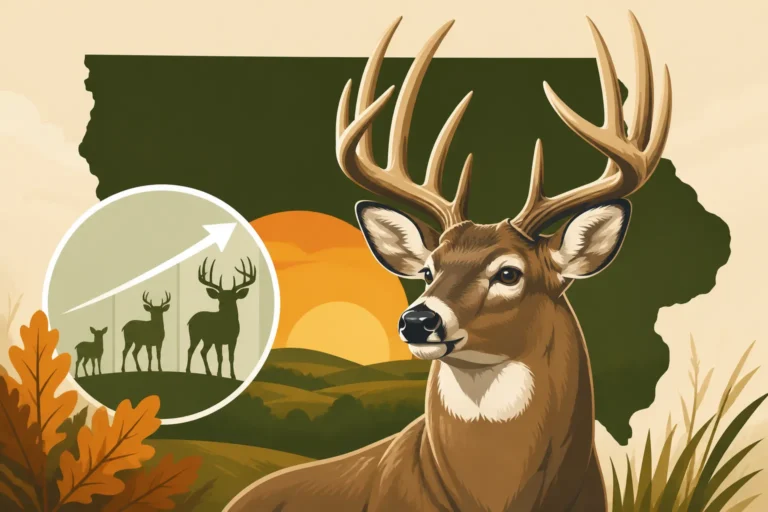
Iowa whitetail deer reach impressive maturity due to superior genetics, fertile soil, and abundant corn and soybean crops.
Wildlife agency data and hunter surveys reveal the average harvest age of bucks in Iowa and factors driving deer longevity.
Photoperiod sets the whitetail rut peak in Iowa, driving consistent annual deer breeding behaviors and movement patterns.