Early-Season Bowhunting Over a Pond
Early-season bowhunting in Iowa can be a real grind. The thermometer often hovers in the 70s or 80s, the humidity is thick enough to chew on, and deer patterns are famously fickle as they transition from summer feeding to fall routines. Many hunters struggle to pinpoint exactly where deer will be active with lush crops still standing and natural forage abundant. This guide is all about cutting through that uncertainty by focusing on a consistent early-season deer magnet: water, specifically hunting over a pond, to give you a reliable strategy for tagging an Iowa whitetail when the weather is still warm.
The Irresistible Pull of Water in Early Season
When the late summer sun bakes Iowa, whitetails, just like us, need to stay hydrated. Water isn't just a luxury; it's a daily necessity that becomes even more critical when temperatures soar and the deer's diet consists heavily of succulent green vegetation and carbohydrate-rich crop fields. Hunting over a pond during these warm periods can be an incredibly effective tactic because it concentrates deer activity in predictable locations.
The Hydration Imperative for Whitetails
Deer constantly lose water through urination, defecation, and respiration, especially when it's hot and humid. A mature buck might consume gallons of water daily, and while they can get some moisture from their food, direct water sources are essential. Think about how much you drink on a hot day working in the yard – deer are no different. They're often on a consistent schedule, hitting water multiple times a day. In early September, with the sun beating down and the cornfields still providing thick cover, deer will seek out the coolest, shadiest, most accessible water source.
A shallow pond tucked into a timber edge or a secluded back pasture becomes a high-traffic intersection, especially during the middle of the day or just before they head out to feed in the evening. This behavior creates a fantastic opportunity for bowhunters. It's not just about a quick drink; it's about comfort and survival. They're trying to regulate their body temperature and replenish fluids. This predictable need means you often don't have to guess as much as you might when trying to pattern deer around vast food sources like a standing bean field, which can change daily. Focus on those pinch points where deer have to come to get water.
Bedding Close to Water Sources
Another critical aspect of early-season deer behavior tied to water is their preference for bedding near it. While deer might browse and feed in open areas during cooler parts of the day or night, they seek dense thermal cover for bedding during daylight hours. When the weather is warm, they'll prioritize bedding areas that offer both concealment and easy access to water. Imagine a dense cedar thicket or a multi-flora rose tangle right on the edge of a pond. That's a five-star hotel for an Iowa buck on a hot day.
If a buck can bed down, stay cool, and grab a drink with minimal effort, he's going to do it. This means that deer trails leading to and from these water sources are often well-worn and active. These bedding-to-water movements can be a goldmine for an early-season bowhunter. It's not uncommon to find a buck getting up for a drink midday, offering a unique opportunity when other hunting methods might be slow. Understanding these patterns, like where deer are likely to get up from their beds to get a drink, allows you to set up your stand in a high-probability location. This is especially true on smaller properties where deer might not have a huge selection of watering holes.
Scouting for the Perfect Pond Set-Up
Finding the right pond and understanding its unique dynamics are paramount to a successful early-season hunt. Not all ponds are created equal, and a bit of diligent homework before the season starts can dramatically increase your odds. This isn't about aimlessly wandering; it's about strategic reconnaissance to identify those hidden gems.
Identifying Productive Ponds on the Map
Start your scouting from home using mapping tools like GoHunt or other satellite imagery. Look for ponds, sloughs, or small oxbows that are tucked away from roads and human activity. The key is seclusion. Ponds that are easily accessible by vehicles or are too open are less likely to hold mature deer during daylight hours. Pay close attention to ponds that are bordered by dense timber, CRP fields, or thick creek bottoms. These features provide the security deer crave. You're looking for natural funnels or pinch points that direct deer traffic right past the pond.
Also, consider the surrounding habitat. If a pond is surrounded by vast corn and soybean fields, it's likely a primary water source for all the deer in that area. If it's in an area with numerous other water sources, like a large river or multiple small creeks, it might be less of a magnet. Using mapping tools can help you visualize deer travel corridors. Look for trails leading to and from the water. You can often spot these as faint lines through vegetation or clearings in the timber. Identifying these patterns on a map can guide your physical boots-on-the-ground scouting, saving you valuable time and minimizing disturbance.
| Pond Characteristic | Early Season Value | What to Look For |
|---|---|---|
| Seclusion | High | Away from roads, human activity |
| Cover Type | High | Bordered by thick timber, CRP, brush |
| Connectivity | High | Trails leading to bedding/feeding |
| Size | Medium | Small to medium, not vast lakes |
| Shade | High | Canopy over water's edge |
Boots-on-the-Ground Verification and Sign Reading
Once you've identified a few promising ponds on your map, it's time to get out there and walk the ground. Do this well before the season, ideally in late summer, to avoid disturbing deer patterns too close to opening day. Approach the pond cautiously, paying attention to wind direction, just as you would when hunting. Look for fresh deer tracks in the mud around the edges, especially those of larger-bodied animals, indicating buck activity. Examine the trails leading to and from the pond. Are they heavily used? Are there rubs or scrapes along these trails?
Also, check for droppings and browse lines, which tell you if deer are consistently feeding or bedding nearby. Look for overhanging trees that could provide natural cover for your stand and shade for the deer. A pond that offers a cool, shaded spot for deer to drink is often more appealing than one fully exposed to the sun. Pay attention to the wind patterns around the pond. Water bodies can create microclimates, and understanding how the wind behaves in that specific spot is crucial for selecting your stand site. Remember, the goal is to confirm what the maps showed and identify the exact tree or location where you'll hang your stand for the best opportunity. This is a critical step in Scouting Iowa Timber and River Bottoms or other potential hunting areas.
Executing Your Pond Hunt Strategy
Once you've done your homework and picked your pond and stand location, the real test begins: executing a stealthy and effective hunt. This means paying meticulous attention to detail, from your approach to your shot.
Mastering Scent Control and Entry/Exit Routes
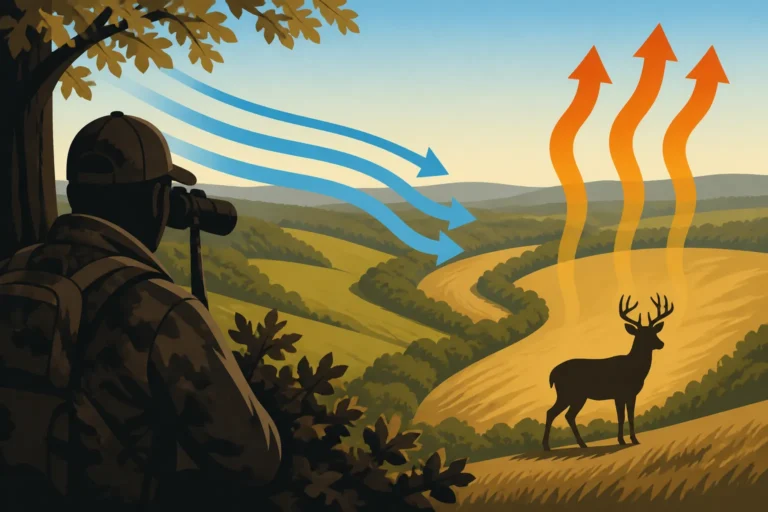
Early season hunting, especially over water, demands impeccable scent control. Deer are already wary, and in warmer temperatures, human odor can hang in the air for longer, making it easier for deer to bust you. Shower with scent-eliminating soap, wear clean hunting clothes, and use scent sprays. More importantly, consider wind direction for your entry and exit. You absolutely cannot walk through an area where deer might be bedding or feeding. Your access route should be as discreet as possible, ideally using ditches, fence lines, or terrain features to shield your movement and scent.
Plan your approach so the wind is in your favor as you walk to your stand. If the wind shifts, you might need to adjust your strategy or even abandon the hunt for that day. A common mistake is to overlook the exit. Many hunters get busted walking out after a hunt, educating deer for future encounters. Always exit with the wind in your face or crosswind, moving away from known bedding areas. This diligence in scent control and planning your routes will be the difference between seeing deer and spooking them. For more on this, checking out Access Routes That Do Not Bump Deer can be incredibly helpful.
Optimal Stand Placement and Shot Opportunities
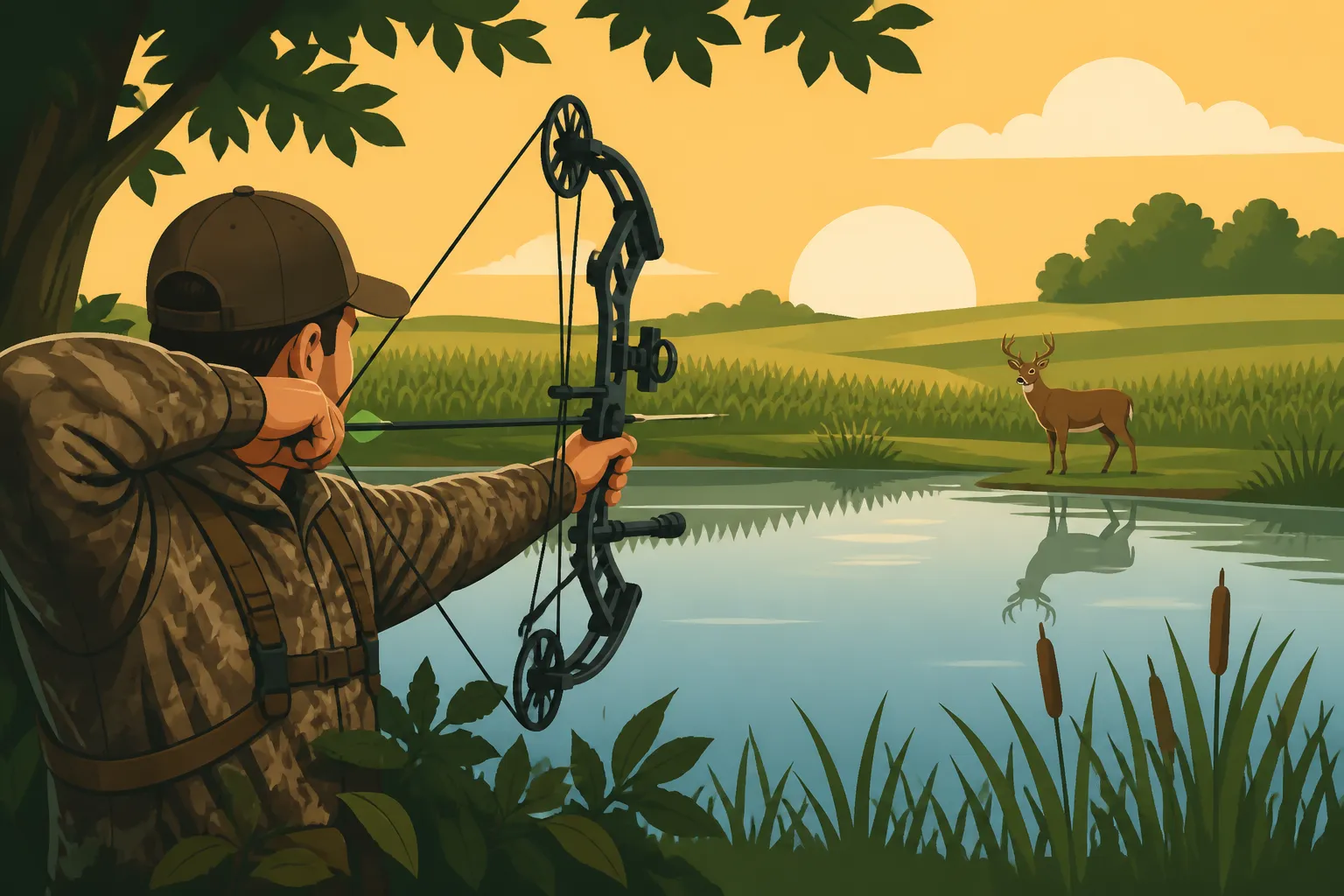
Your stand placement is critical when hunting a pond. You want to be close enough for a good bow shot (typically 20-30 yards) but far enough away not to silhouette yourself against the sky or be easily spotted. Look for a tree that offers good cover and shooting lanes to the most likely drinking spots. Often, deer will approach a pond from a specific trail and drink from a particular, easily accessible spot along the bank. Position your stand to intercept them on their way in or out, or while they are standing at the water's edge.
Consider the sun's position. Early mornings or late evenings can mean the sun is directly in your eyes or, worse, shining on you, making you glow to incoming deer. Also, think about the wind. While you want your scent to blow away from the approach, you also need to ensure it's not swirling due to terrain or tree lines, which can be common in river breaks or timbered areas. Utilizing a stand with a good backdrop, like thick timber, helps you blend in. When a deer approaches the water, they'll likely stop, offering a perfect quartering-away or broadside shot. Be patient, let them commit to the water, and wait for the best opportunity.
Essential Gear for Water-Based Hunting
Hunting over water, especially in early season Iowa, calls for specific gear considerations. The right equipment can significantly enhance your comfort, stealth, and overall success.
Treestands and Ground Blinds for Water Edges
For most pond setups, a reliable treestand is often the best choice, especially if you have good, mature trees around the water's edge. A hang-on stand allows for precise placement and can be set up quickly. It's crucial to use a safety harness and lifeline every single time you're in a stand. If the terrain doesn't allow for a treestand, or if you prefer a more concealed approach, a ground blind can be highly effective. Modern ground blinds offer excellent concealment, and when brushed in properly, they can virtually disappear into the environment.
When selecting a ground blind for a pond, look for one that's dark on the inside to help hide your movement and has silent window operation. Placement is key for blinds, too; tuck it into natural cover, like a brush pile or a cedar thicket, rather than placing it in the open. The goal is to make it look like part of the natural landscape, not a foreign object. Regardless of your choice, ensure it's stable, comfortable for long sits, and allows for clean, unobstructed shots toward the pond. Remember, portable stand rules on Iowa public ground vary, so always check before setting up on public land.
Optics and Scent Control for Warm Weather
In early season Iowa, your optics need to perform in low light, but also be robust enough for potential humidity and condensation. A good pair of 8×42 or 10×42 binoculars will help you scan the edges of the pond and surrounding cover for approaching deer. A rangefinder is non-negotiable for bowhunting, allowing you to accurately determine distances to key spots around the pond, like specific drinking locations or obstacles. Remember, your range will vary, and knowing it precisely ensures ethical shots.
Beyond optics, scent control is paramount, as discussed earlier. Investing in good rubber boots is crucial, not just for wading through wet areas but for containing foot odor, which can be a major deterrent for deer. Look for rubber boots versus leather for deer hunting, as they are less permeable to scent. Early season also means bugs, so a head net and insect repellent (preferably scent-free) are wise additions to your pack. Warm weather also demands lightweight, breathable clothing in appropriate camouflage patterns. Overdressing can lead to sweating, which only amplifies human odor. Think layers that can be shed or added as temperatures fluctuate throughout the day. For managing those annoying pests, be aware of Tick Season in Early Bow Season and take necessary precautions.
Strategic Timing for Pond Hunts
Just like any deer hunting, timing is everything. For pond hunting, understanding when deer are most likely to hit the water can significantly increase your success rate. This isn't about sitting all day, every day; it's about being strategic.
Midday and Afternoon Activity Around Water
While many hunters focus on early mornings and late evenings, early-season pond hunting often shines during the midday hours, particularly on hot days. Deer will often bed down in thick cover close to water, and when the sun gets high and temperatures peak, they'll get up for a quick drink to cool off and rehydrate. This can be a prime time to catch a mature buck on his feet. Instead of breaking for lunch, consider staying in your stand from late morning through the early afternoon.
As the afternoon progresses and temperatures begin to recede slightly, deer will become more active, moving from bedding areas towards evening food sources. They'll often stop at a water source as a pit stop before hitting a soybean or alfalfa field. This makes the late afternoon and early evening a fantastic time to be on a pond. You're catching them as they transition from rest to feeding, making their movements more predictable.
Weather Conditions and Pond Productivity
Certain weather conditions can make pond hunting exceptionally productive. Hot, dry spells are your best friend. When there hasn't been significant rain for several days, and temperatures are consistently warm, deer rely even more heavily on direct water sources. A sudden cold front after a warm spell can also be fantastic, as deer often become very active, and their need for water will still be relatively high as they adjust.
Conversely, rainy days or periods of extended cool weather might make pond hunting less productive. When it's cool and wet, deer can get moisture from dew on vegetation or puddles, reducing their reliance on a specific pond. Always keep an eye on the forecast and adjust your hunting plans accordingly. The GoHunt app, for example, often integrates weather patterns into its scouting features, which can help you predict deer movement. Remember to always Check Iowa Area Closures Before You Go and understand specific regulations if hunting public land around water.
Disclaimer
Please ensure you always consult the latest Iowa Department of Natural Resources hunting regulations before heading afield. Hunting laws and seasons can change, and it is your responsibility to be fully informed and compliant. Stay safe and ethical in all your hunting endeavors.