Walking In Before Legal Light
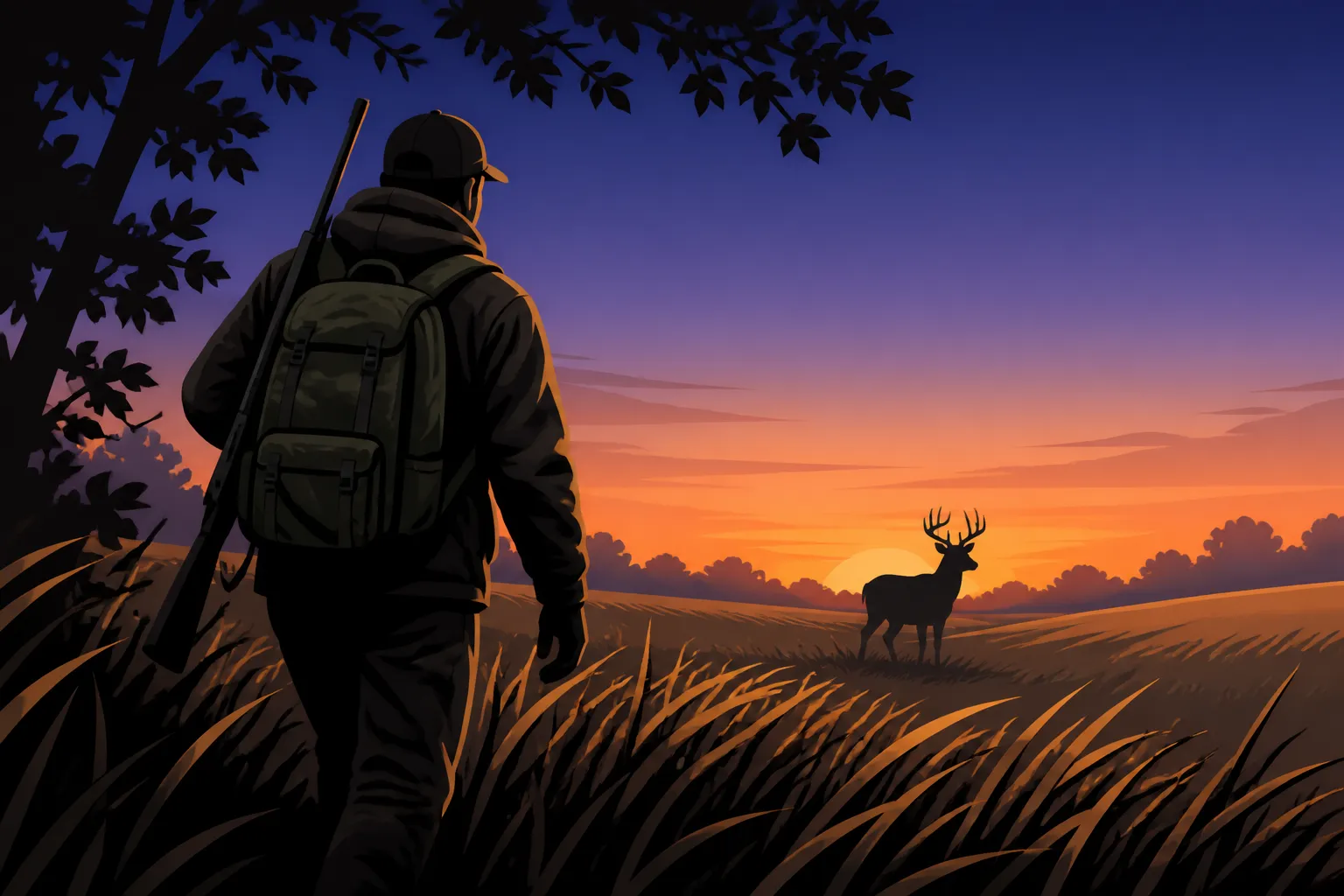
We've all been there: the alarm blares way too early, it's pitch black outside, and you're trying to sneak into your stand or blind without making a peep. It feels like every twig snaps and every breath echoes, often leaving you wondering if you've already spooked every deer within a quarter-mile before you even get settled. Getting to your hunting spot before legal shooting light, quietly and undetected, is one of the most nerve-wracking parts of an early morning hunt, but it's absolutely crucial for success. This guide is all about mastering that pre-dawn walk-in so you can be confident you're not blowing your chances before the hunt even officially begins.
The Criticality of a Stealthy Approach
There's a reason why so much emphasis is placed on getting into your hunting location well before the sun crests the horizon: deer, especially mature bucks, are incredibly alert during these twilight hours. Your ability to approach your stand or blind without making a sound, leaving a scent trail, or being seen is paramount to having a successful sit.
Why Quiet Entry Matters So Much
Think about it from a deer's perspective. The early morning hours are often when they're making their final movements from feeding areas back to their secure bedding sites. They are hyper-aware, using their keen senses to detect any sign of danger. The slightest rustle of leaves that isn't natural, a misplaced footstep that snaps a dead branch, or a whiff of human scent can instantly put them on high alert, causing them to alter their routes or, worse, blow out of the area entirely. If you've ever had the crushing feeling of hearing a snort-wheeze or the thud of hooves pounding away in the darkness, you know exactly what I mean. That sound means your hunt is likely compromised before you've even had a chance to nock an arrow or shoulder your firearm.
A quiet, undetected entry ensures that the deer in the area maintain their natural patterns. They won't know you're there, allowing them to move about their business, hopefully right into your shooting lane. It's about respecting their space and their incredible senses, giving yourself the best possible advantage without resorting to tactics that might push them out of the area for good.
Understanding Deer Behavior at Dawn
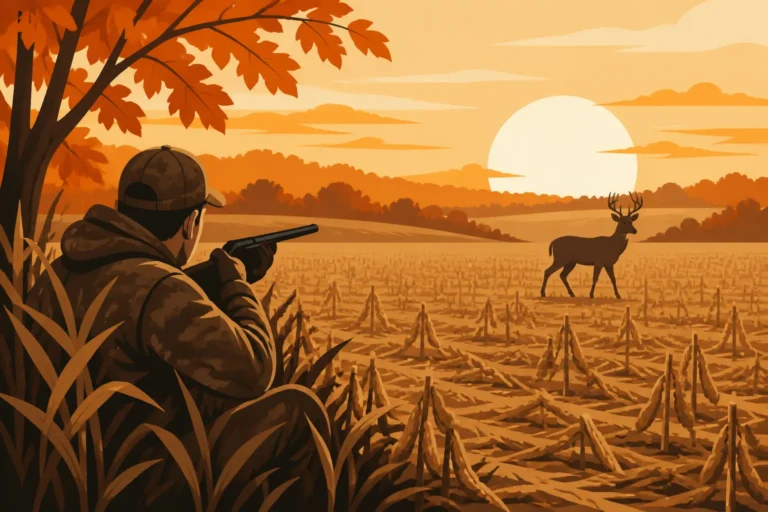
Deer movement peaks during dawn and dusk. In the morning, they're typically transitioning from a night of feeding, whether that's in a picked cornfield or a lush food plot, towards the safety of their bedding cover. Your approach path could directly intersect these travel corridors. During these critical transition times, their senses are particularly heightened. While the low light conditions might give you a visual advantage over them in some ways, it also means your movements and sounds are amplified in the quiet, still air.
Being settled in your stand or blind at least 30-45 minutes before legal shooting light is often recommended. This gives the woods a chance to settle down after your disturbance, and any deer that might have been close by a chance to resume their normal activity. It’s about being an unseen, unheard part of the landscape when the woods come alive, not a jarring intrusion. You want to be a silent observer, not an accidental alarm clock.
Mapping Your Access Routes and Entry Strategy
A successful walk-in starts long before you ever step foot out of your vehicle in the dark. It begins with meticulous planning and pre-season scouting. Knowing your exact route, understanding the terrain, and considering environmental factors like wind and thermals are paramount.
E-Scouting and Pre-Season Reconnaissance
The age of just "winging it" in the dark is long gone, or at least it should be for serious hunters. E-scouting is your best friend here. Before the season even opens, spend time on your computer or phone, pouring over aerial maps of your hunting property. Tools like the Iowa Hunting Atlas or other mapping applications such as onX or GoHunt are invaluable. Look for natural barriers that can shield your approach, like creek bottoms, ditches, or dense timber lines. Identify potential pinch points or funnels that deer might use, and then plot a route that avoids these areas, ensuring you don't cross any major deer trails or bedding sanctuaries.
It's not enough to just see these routes on a screen; you absolutely need to walk them during daylight hours in the off-season. This "boots on the ground" reconnaissance allows you to identify any unexpected obstacles like downed trees, hidden fence crossings, or particularly noisy patches of gravel or dead leaves. Mark these problem areas on your map within your GoHunt app so you're prepared for them in the dark. When you're Scouting Iowa Public Land Before the Opener, pay close attention to the terrain. A small ditch that looks insignificant on a map could be a knee-high challenge in the dark. Plotting out your exact steps ensures a smooth, silent passage. You can also glean valuable insights by E-Scouting Iowa Farm Country From Home to identify subtle elevation changes and cover.
The Wind and Thermals: Your Silent Partners or Enemies
Wind direction is, without question, the single most critical factor in determining your entry route. You absolutely cannot walk into an area with the wind at your back, pushing your scent directly into where you expect deer to be. Always, and I mean always, plan your Access Routes That Avoid Bedding Areas and keep your scent blowing away from likely deer travel lanes and bedding locations. This might mean taking a much longer, circuitous route, but it’s an investment worth making.
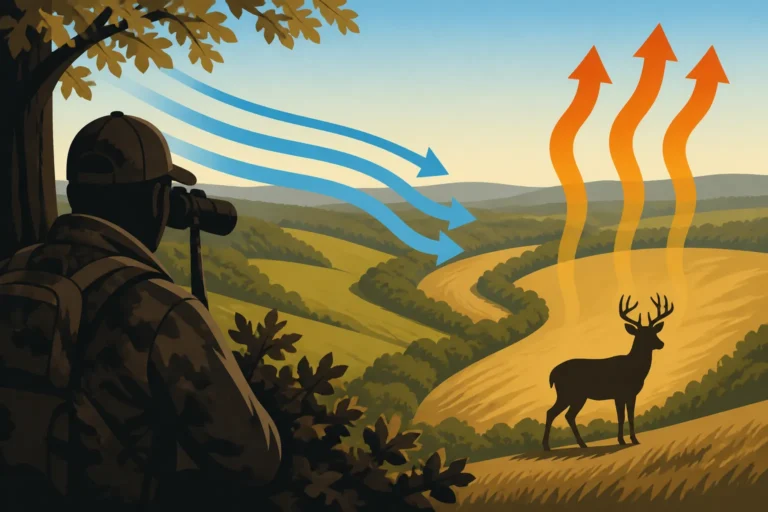
Beyond the prevailing wind, you also need to consider thermals, especially in the early morning. As the air cools overnight, it becomes denser and heavier, causing it to flow downhill and into low-lying areas. This means your scent, initially, will also be carried downwards. As the sun rises and begins to warm the air, the thermals will reverse, causing your scent to rise. Understanding Wind and Thermals in River Breaks or hilly terrain is crucial. For instance, if you're hunting a ridge top, your scent might drop down into a valley during your pre-dawn walk-in. If that valley holds bedding deer, you've already ruined your hunt. Plan your approach to use these natural air currents to your advantage, keeping your scent from drifting into sensitive areas. A smart hunter will often choose a route that keeps them on the upwind side of a draw or ridge, or walks along a high contour that allows thermals to drop their scent away from deer.
Executing a Silent Walk-In Before Legal Light
Once you've done your homework and planned your route, the execution phase comes down to careful gear selection, disciplined movement, and obsessive scent management.
Gear Considerations for a Quiet Approach
Your gear can either be your best friend or your worst enemy when it comes to a silent walk-in. Every item you carry needs to be assessed for its potential to make noise.
- Clothing: Forget noisy rain gear or stiff, crinkly fabrics. Opt for soft, quiet materials like fleece, wool, or brushed synthetics. Ensure your outer layers, particularly, are made of Quiet Fabrics for Treestand Hunting. Dress in layers so you can strip off outer garments during your walk-in to prevent sweating. Excess sweat means excess scent, and it also means you'll get cold faster once you sit still.
- Pack: Before you even leave the house, load your pack and shake it. Does anything jingle, clank, or rub noisily? Silence it. Wrap rattling items in a soft cloth, use tape to secure loose straps, and make sure zippers don't clang together. An internal frame pack generally offers a quieter profile than an external frame. Only carry what you absolutely need for the hunt to minimize bulk and potential noise.
- Footwear: Choose boots that are comfortable, offer good support for varying terrain, and are as quiet as possible. Heavy, clunky boots might offer protection, but they can be a hindrance for stealth. Rubber boots are often a great choice as they are waterproof and generally quiet, though they might not be ideal for long, strenuous walks.
- Headlamp: A good headlamp is essential, but use it sparingly and strategically. Many modern headlamps offer a red light option, which helps preserve your night vision and is less likely to spook deer than a bright white beam. Use the lowest setting necessary, and if you know your route well, try to minimize its use as you get closer to your stand. Often, once you're on a well-known path, you can switch it off and rely on ambient light or your memory.
Pacing, Foot Placement, and Sound Discipline
This is where the rubber meets the road. Your actual movement through the woods is perhaps the most critical component.
- Pacing: You're not in a race. Move at a slow, deliberate pace. Each step should be thought out. As you get closer to your stand, slow down even further.
- Foot Placement: This is an art form. Before you commit your weight, feel for twigs, crunchy leaves, or loose rocks with the front of your foot. Place your heel down first, slowly rolling your foot forward, distributing your weight evenly. This allows you to stop and lift your foot if you encounter something noisy. Try to walk on softer ground like grass, moss, or damp soil if available. Utilize natural features that mute sound, such as walking in the bottom of a dry ditch, along the soft edge of a field, or where vegetation is thick but not brittle.
- Sound Discipline: Beyond footsteps, be mindful of any other sounds you might make. Avoid talking, unnecessary rustling of clothes, or fumbling with gear. Stop frequently to listen. Let your ears adjust to the darkness and silence. This not only helps you detect deer movement but also allows you to gauge how much noise you're making. The woods often feel much louder in the dark, and what seems quiet to you might still be enough to alert a deer.
Managing Scent During Your Entry
Scent control is not a magic bullet, but it's a critical piece of the puzzle. Deer rely heavily on their nose, and a careless scent trail can ruin your hunt just as easily as loud noise.
- Pre-Hunt Routine: Your scent control efforts begin long before you step out of your truck. Wash your hunting clothes in scent-free detergent, and store them in airtight containers or bags away from household odors. Shower with scent-free soap and shampoo. While some make bold claims about Ozone and Scent Control Claims, basic hygiene and keeping your clothes clean and stored properly go a long way.
- Minimize Exertion: The biggest culprit for human scent is sweat. Plan your walk-in to be as effortless as possible. As mentioned earlier, dress in layers and strip down to a base layer for the walk. Carry your heavier outer layers in your pack and put them on once you're in your stand. This minimizes perspiration and, consequently, your scent output.
- Scent Cone Awareness: Always be mindful of your scent cone and how it's drifting, especially with those morning thermals. As you walk, your body sheds microscopic scent particles. Even with the best scent control, you're leaving a trail. Your primary goal is to keep that trail out of areas where deer are likely to be. Using a wind checker throughout your walk, even in the dark, can give you a better idea of how the air currents are moving your scent.
The Final Moments: Settling In Before the Sun Rises
You've made it through the arduous walk-in. Now comes the delicate process of getting into your stand or blind and preparing for the hunt as legal light approaches.
Approaching Your Stand or Blind
The last 50-100 yards to your stand or blind are arguably the most critical. This is where deer are most likely to be present, making their final movements before settling into bedding. Slow your pace even further. Take two steps, pause, listen. Take two more. Before climbing into your treestand or entering your ground blind, re-check the wind one last time.
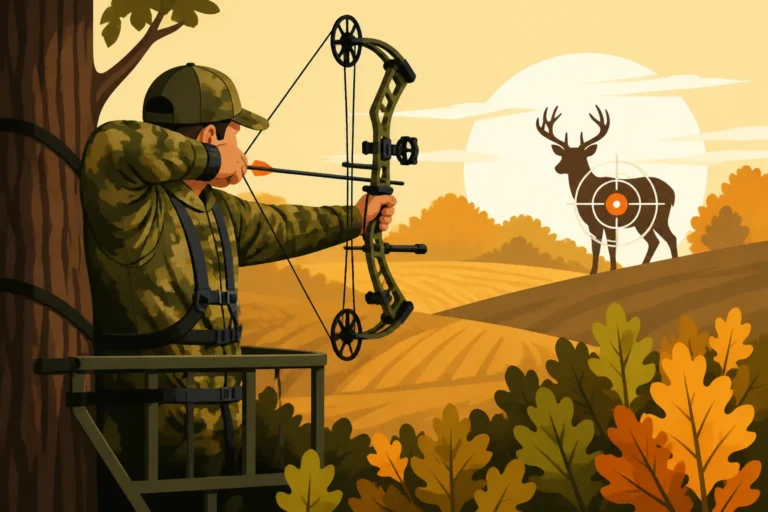
If you're using a treestand, ascend slowly and deliberately. Avoid letting climbing sticks bang against the tree or your metal stand clank as you hook it up. Every sound reverberates in the quiet pre-dawn woods. If you're utilizing a ground blind, ensure it was Brushing In a Ground Blind during daylight hours, well in advance of your hunt, so you're not wrestling with branches and cutting shooting lanes in the dark. Simply open the entry, slip in, and get settled.
Patience and Observation
Once you're safely in your stand or blind, don't immediately start rustling around. Pause. Take a deep breath. Let the woods "settle" around you. Listen intently for any deer you might have bumped or for natural sounds like leaves rustling or twigs snapping that indicate nearby deer movement. It might take 10-15 minutes for the immediate area to return to its natural rhythm.
Use this time to quietly prepare your equipment. Nock an arrow, load your firearm, pull out your rangefinder, and get any calls or grunt tubes ready. Confirm your shooting lanes, especially if you set up your stand in the dark. Check your GoHunt app again for the exact Iowa Legal Shooting Hours for that day, so you know precisely when you can legally take a shot. Be ready, be still, and be patient. The magic of dawn, and the potential for an unforgettable hunt, is about to unfold.
| Pre-Dawn Silent Entry Checklist | Priority | Action Item | Notes |
|---|---|---|---|
| Pre-Season Planning | High | E-Scouting Routes | Use apps like GoHunt, onX, or Iowa Hunting Atlas to plot quiet access. |
| High | Ground Reconnaissance | Walk your planned routes in daylight to identify obstacles and mark waypoints. | |
| High | Wind/Thermal Awareness | Always plan your route to keep your scent out of likely deer areas. | |
| Gear Preparation | High | Quiet Clothing | Wear soft, brushed fabrics; layer to manage sweat. |
| Medium | Silent Pack Setup | Secure loose items, tape noisy straps, minimize contents. | |
| Medium | Quiet Footwear | Choose soft-soled, comfortable boots; rubber boots are often a good choice. | |
| Low | Headlamp Discipline | Use red light, minimal brightness, or turn off when familiar with path. | |
| During the Walk-In | High | Slow Pacing | No rushing; deliberate, controlled movements. |
| High | Deliberate Foot Placement | Feel for twigs, step heel-to-toe, use soft ground. | |
| High | Scent Control | Scent-free routine, minimize sweating, dress in layers. | |
| High | Stop and Listen | Periodically pause to listen for deer and adjust. | |
| Arrival and Setup | High | Quiet Ascent/Entry | Slowly climb treestand, silently enter ground blind. |
| High | Settle In Quietly | Allow woods to calm; prepare weapon silently. | |
| High | Check Legal Light | Confirm legal shooting hours with an app like GoHunt. |
Disclaimer
The information provided in this guide is for general informational purposes only and does not constitute legal advice. Hunting regulations, seasons, and licensing requirements can change, and it is the sole responsibility of the hunter to be aware of and comply with all applicable Iowa Department of Natural Resources (DNR) laws and regulations. Always consult the most current Iowa Hunting Regulations pamphlet or the Iowa DNR website before engaging in any hunting activity.