Iowa Waterfowl Production Areas
One of the biggest headaches for any hunter, especially those of us chasing ducks and geese, is figuring out where to actually go. Iowa is known for its incredible whitetail, but it also sits right in the heart of the Mississippi Flyway, offering some fantastic waterfowl opportunities. This guide is all about diving deep into Iowa's Waterfowl Production Areas, or WPAs, giving you the lowdown on these hidden gems and how to make the most of your time hunting them.
Understanding Iowa's Waterfowl Production Areas
Iowa's landscape, while dominated by agriculture, holds some vital pockets of wetland and grassland habitat that are absolutely crucial for migratory birds, including ducks and geese. These special places are primarily managed by the U.S. Fish & Wildlife Service, often in cooperation with the Iowa Department of Natural Resources, and they serve a vital role beyond just hunting.
The Purpose Behind WPAs
Waterfowl Production Areas were established under the Migratory Bird Hunting and Conservation Stamp Act, more commonly known as the Duck Stamp Act. The idea was simple but powerful: use funds generated by hunters to purchase and preserve critical wetland and grassland habitats. These areas aren't just for breeding ducks and geese, though that's a huge part of it. They also serve as crucial staging and resting areas during migration, offering a much-needed sanctuary for birds traversing thousands of miles. For us hunters, it means access to prime habitat that might otherwise be drained or converted to agriculture. It's a testament to how hunter conservation dollars directly benefit wildlife and provide public access.
These aren't sprawling national parks, mind you. Many WPAs in Iowa are relatively small, sometimes just a few hundred acres, designed to be interspersed throughout the agricultural landscape. They often include a mix of permanent wetlands, seasonal wetlands, and upland nesting cover. This mosaic of habitats is exactly what waterfowl need, providing everything from food to secure nesting sites.
Ownership and Management Structure
While WPAs are managed by the U.S. Fish & Wildlife Service, they fall under the umbrella of the National Wildlife Refuge System. In Iowa, many of these are managed through complexes like the Northern Iowa Wetland Management District or directly by nearby National Wildlife Refuges. This means there's a federal hand in their oversight, which generally ensures consistent management objectives focused on migratory bird conservation.
The day-to-day management often involves local staff working closely with state agencies. You might see habitat work being done, like prescribed burns to improve grassland health, water level manipulation in impoundments, or even farming practices specifically designed to create food plots for wildlife. The goals are always geared towards maximizing habitat value for waterfowl, which, in turn, often means better hunting opportunities for us. This collaborative approach between federal and state agencies ensures that the land is stewarded effectively for its primary purpose, while also providing recreational opportunities where compatible.
Typical WPA Habitat in Iowa
If you're picturing vast, sprawling marshes, you might be a little off for many Iowa WPAs. While some do feature larger marshy complexes, many are a patchwork. You'll often find shallow wetlands, sometimes just a few feet deep, that might dry up in late summer but hold water beautifully during spring and fall rains. These are surrounded by significant tracts of upland cover, frequently comprised of native prairie grasses like switchgrass, big bluestem, and Indian grass. This dense cover is vital for nesting hens and young broods.
In some WPAs, you might also encounter small cattail marshes, scattered pockets of timber along drainage ditches, or even harvested agricultural fields leased for specific wildlife benefits. The variety is key. A WPA might have a designated parking area, sometimes a gravel lot or just a pull-off, and from there, it's typically walk-in only. The emphasis is on preserving natural conditions, so don't expect boat ramps or extensive infrastructure on every parcel. This diversity of habitat is what makes them so attractive to a wide array of waterfowl species, from dabblers like mallards and teal to divers and even geese. For hunters, this means the opportunity to employ different tactics depending on the specific water and cover available on a given WPA.
Why Hunters Should Target Iowa WPAs
Hunting public land in Iowa can sometimes feel like a high-pressure situation, especially during deer seasons. But for waterfowl hunters, WPAs often represent some of the most consistent and accessible opportunities available, offering more than just a place to set up decoys.
Consistent Waterfowl Opportunities
WPAs are specifically managed for waterfowl, which means they are designed to attract and hold birds. This isn't accidental; it's by design. The shallow water and abundant seed-producing plants create a smorgasbord for dabbling ducks, while the undisturbed nature of many of these areas makes them attractive resting spots for migrating flocks. Even during migration peaks, when private land can get heavily scouted and leased, WPAs remain open and ready for whoever shows up first.
The consistency isn't just about birds, it's about habitat. Year after year, these areas are maintained with waterfowl in mind. While weather and migration patterns will always play a role, you can generally count on WPAs to offer suitable habitat. This is a huge benefit compared to relying on temporary water or private land that could change hands or management styles. You know what you're getting, season after season, which helps immensely with long-term scouting and planning. This reliability makes them a prime destination, particularly during those crucial migration periods like the early teal season or the main duck opener.
Opportunities Beyond Ducks and Geese
While waterfowl are in the name, many WPAs offer excellent opportunities for other game species, particularly upland birds. The dense native grasslands, managed for nesting waterfowl, also provide superb cover for pheasants and quail. This means that a WPA you scout for ducks in the morning might be a prime spot to walk for pheasants in the afternoon. Iowa Pheasant and Quail Season Dates often overlap with duck season segments, providing a fantastic combo hunt potential.
It’s not uncommon to jump pheasants out of the cattail edges while walking into your duck blind, or to find rabbit and squirrel sign in the sparse timber along a ditch. Always check the specific regulations for each WPA you plan to hunt, as rules can vary slightly, but generally, if a species has an open season in Iowa, you can hunt it on these lands, provided it's not a restricted area. This multi-species potential truly maximizes your hunting dollars and time, offering a diverse experience within a single location. Don't overlook the edges and upland areas!
Potential for Lower Hunting Pressure
Let's be real, public land hunting can get crowded. But WPAs often fly under the radar compared to larger, more well-known public hunting areas or state parks. Because many are smaller and spread out, they don't always draw the massive crowds you might see on opening weekend at a major wildlife management area. This isn't to say you'll have them all to yourself, especially on a bluebird Saturday in November, but the pressure can be more manageable.
Successful hunting on WPAs often requires a bit more legwork – a walk from the road, rather than driving right up to the water. This natural barrier can deter some hunters, leaving better opportunities for those willing to put in the effort. Furthermore, the sheer number of small WPAs across the state means that hunters tend to spread out, making it easier to find an unpressured pocket. Utilizing mapping tools like onX Hunt can help you pinpoint these smaller, less-obvious parcels that might be overlooked by others, giving you a chance at a quality hunt without shoulder-to-shoulder competition. This also allows you to be more mobile, potentially moving between several WPAs in a single day or weekend if one is too busy.
Finding and Accessing Iowa Waterfowl Production Areas
Locating these smaller, often tucked-away gems can be a bit of a challenge if you don't know where to look. But with the right tools and a little bit of legwork, you'll be scouting like a pro in no time.
Utilizing Online Mapping Resources
In today's hunting world, digital maps are your absolute best friend, especially for pinpointing public land. Applications like onX Hunt are invaluable for locating WPAs. These apps allow you to see distinct property boundaries, identifying federal lands (often color-coded for easy recognition) down to the acre. You can zoom in and out, scout potential access points, and even drop pins to mark areas of interest or potential blind locations from the comfort of your home. Before you even set foot on the property, you can analyze the lay of the land, identify water sources, and look for natural funnels or pinch points that might concentrate bird movement.
The Iowa Department of Natural Resources also provides an excellent online resource, the Using the Iowa DNR Hunter Atlas. This interactive map specifically highlights public hunting areas, including WPAs, and often shows specific regulations or access rules for each parcel. Cross-referencing these resources allows you to gain a comprehensive understanding of the area, making your on-the-ground scouting much more efficient. Don't forget to download your maps for offline use, because cell service can be spotty out in the marshes and grasslands.
Ground Reconnaissance and Scouting
No amount of digital scouting can replace boots on the ground. Once you've identified a few promising WPAs on your map, it's time to visit them, ideally well before the season. Walk the perimeter, pay attention to the prevailing wind directions, and look for signs of bird activity. Are there natural potholes that hold water consistently? Are there areas with dense cattails or brush that could serve as natural blinds? Look for tracks, scat, and feeding signs to confirm that birds are using the area.
Pay close attention to access. Most WPAs are walk-in only, meaning you'll need to carry all your gear a distance. Consider how far you're willing to walk with decoys, a gun, a blind, and your retriever. Is the terrain marshy and difficult, or relatively firm? Are there any hidden ditches or creek crossings that could be challenging in the dark? Understanding these ground-level details is crucial for planning a successful hunt, especially when you’re trying to navigate in pre-dawn darkness. Remember to leave no trace while scouting; respect the habitat and other users.
Navigating Walk-in Access Challenges
The "walk-in" nature of WPAs is both a blessing and a curse. It limits pressure but also demands preparation. Many WPAs won't have designated trails or mowed paths. You'll often be pushing through tall grass, mud, or thick cattails. Good waterproof boots are non-negotiable, and if the water is significant, waders or hip boots become essential. Planning your route to your intended hunting spot in daylight is crucial, noting any landmarks or features that will help you find your way in the dark.
Consider your gear setup for mobility. A decoy bag that doubles as a backpack, a lightweight blind, and a durable gun case will make the trek much easier. If you plan to retrieve birds, a well-trained retriever is a huge asset. Without one, you'll spend more time sloshing through the marsh. Remember that Getting a Deer Out of an Iowa Creek Bottom is one thing, but retrieving a duck from a mucky marsh can be just as challenging! Be mindful of getting stuck or overexerting yourself, especially if you're hunting alone.
Effective Hunting Tactics for Iowa WPAs
Hunting waterfowl on WPAs requires a blend of traditional techniques and a flexible approach. Because these areas are public and can see varying levels of pressure, adaptability is key.
Decoy Spreads for Different Scenarios
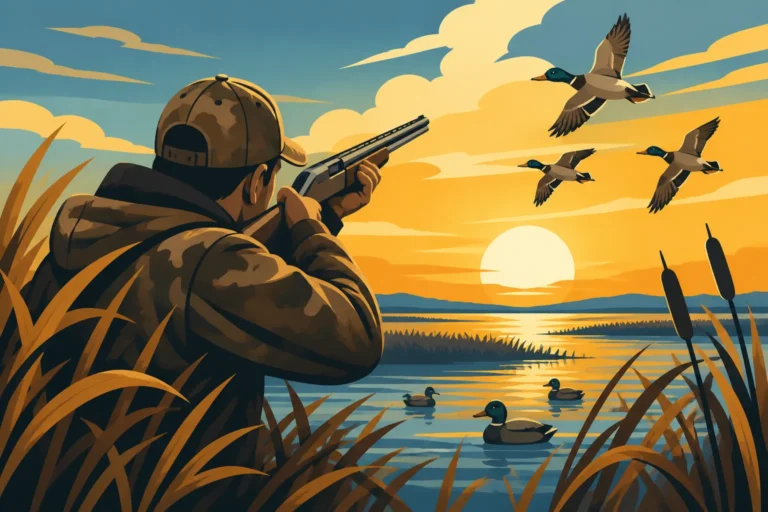
Your decoy spread needs to be versatile. On small potholes or shallow marshes, a tight, realistic spread of a dozen or two decoys can be incredibly effective. Focus on creating a landing zone right in front of your blind. For larger water bodies, you might need to increase your numbers to grab attention, but placement remains paramount. Think about how the ducks will approach against the wind and arrange your spread to guide them into shotgun range. Consider using a mix of dabbler and diver decoys if both species are in the area.
For field hunting opportunities on WPAs that include agricultural land, a spread of goose decoys or field duck decoys can be deadly, especially during late season. Always pay attention to what the birds are doing on that particular day – sometimes less is more, other times you need to put out a full spread. Don't be afraid to experiment with different patterns; a simple J-hook, U-shape, or even just a small blob of decoys can be effective, depending on the conditions and the birds' mood. You might find that Decoying an Iowa Whitetail Buck has some parallels in terms of thinking about approach angles and visual appeal!
Calling Strategies and Techniques
Calling is an art, not a science, and it’s especially true on WPAs. Sometimes, aggressive calling will pull birds from a mile away. Other times, a subtle chuckle or a few soft quacks are all it takes to convince a wary flock to commit. The key is to read the birds. If they're cupped and committed, often less calling is better – don't overdo it and risk flaring them. If they're hesitant or flying high, more aggressive calling might be necessary to get their attention.
A good mix of calls – a mallard hen call, a pintail whistle, and a goose call – will cover most of your bases. Practice different sequences and volumes. Remember, consistency in tone and rhythm is often more important than pure volume. Also, consider the wind; calls carry differently depending on the direction. When in doubt, start soft and increase volume and intensity as needed. Sometimes silence, especially when birds are working your spread, is the loudest call of all.
Strategic Blind Placement
Blind placement on a WPA is critical, and often you're working with natural cover. Look for dense cattails, brushy edges, or even subtle changes in topography that can break up your outline. Don't be afraid to enhance natural cover with local vegetation, but make sure you're not permanently altering the habitat or damaging live plants. Portable ground blinds or layout blinds are excellent choices, especially in open field settings or on bare mud flats, as they offer excellent concealment and are mobile.
Always consider the sun and wind direction. You want the sun at your back, if possible, to make it harder for birds to see you and easier for you to see them. The wind dictates how ducks will land, so setting your blind up with the wind at your back, pushing birds into your decoys, is usually ideal. Remember, Brushing In a Ground Blind effectively means blending in perfectly with your surroundings, making you virtually invisible to incoming birds. Don't just set it up and hide; make it part of the landscape.
Rules, Regulations, and Ethical Considerations
Hunting WPAs comes with specific responsibilities. Knowing and adhering to the rules is not just about staying legal; it's about respecting the land, the wildlife, and your fellow hunters.
General WPA Regulations
Because WPAs are federally managed, there are some overarching rules that apply to most of them, though local exceptions can occur. For instance, baiting is strictly prohibited, as is the use of toxic shot (lead shot) for waterfowl. Only non-toxic shot is allowed for hunting ducks and geese. You generally cannot construct permanent blinds or leave anything overnight, like decoys or stands. Everything you bring in must be packed out with you, leaving no trace of your presence.
Firearms restrictions can also apply; while shotguns for waterfowl are obviously permitted, other weapons like rifles for big game might have specific season or caliber restrictions. Vehicle access is typically limited to designated parking areas, with hunting access being walk-in only. It's always a smart move to look up the specific WPA you intend to hunt on the U.S. Fish & Wildlife Service website or by consulting the Iowa hunting regulations. Ignorance of the law is no excuse, and wardens patrol these areas diligently.
Specific Iowa Regulations for Waterfowl
Beyond federal WPA rules, you also have to abide by Iowa's statewide waterfowl regulations. This includes understanding Iowa Duck Season Zones and dates, bag limits for different species, and shooting hours. Make sure your federal duck stamp and Iowa waterfowl stamp are current, and that you've completed your Harvest Information Program (HIP) registration. These state-level requirements are crucial and are in addition to the federal guidelines.
Iowa also has rules regarding tagging and harvest reporting for all game, including waterfowl. Make sure you understand these procedures to avoid any issues. Always double-check current regulations each year, as they can change based on population surveys and management objectives. The Iowa DNR publishes an annual hunting regulations booklet that is an invaluable resource.
Leaving No Trace and Respecting Other Hunters
This is perhaps the most critical ethical consideration on public land, especially WPAs. When you leave, the only thing you should take with you are your birds and your memories. Pick up all your spent shell casings, food wrappers, decoy line, and anything else you brought in. This isn't just a rule, it's a principle of conservation that preserves the area for future generations and maintains its natural beauty. Leaving No Trace on Iowa Walk-In Ground is a mindset, not just a checklist.
Respecting other hunters means being mindful of their space. If you arrive at a WPA and see another group already set up, find another spot, or politely ask if there's room. Avoid sky-busting or setting up too close to another party. Sharing these precious public resources means being courteous and understanding that everyone is out there to enjoy the hunt. Good communication and common courtesy go a long way in ensuring everyone has a positive experience. Also, be aware of other users, such as bird watchers or hikers, and maintain a safe and respectful distance.
Conservation and the Future of WPAs
The very existence of Waterfowl Production Areas is a testament to successful conservation efforts, driven largely by hunter dollars. Understanding their role in the broader ecosystem helps us appreciate these special places even more.
The Role of Hunter Dollars
It's impossible to talk about WPAs without talking about the Duck Stamp. For every federal duck stamp purchased, 98 cents of every dollar goes directly to acquire and protect wetland habitat and associated uplands for the National Wildlife Refuge System. This fund has protected millions of acres of critical wildlife habitat, including many of the WPAs we hunt today. State hunting licenses and habitat fees also contribute significantly to the management of these areas.
As hunters, our commitment to purchasing these stamps and licenses directly translates into more habitat for waterfowl and other wildlife. This funding mechanism is a prime example of user-pay, user-benefit conservation, where the people who directly benefit from the resource are also the primary funders of its preservation. Supporting these programs isn't just good for hunting; it's essential for the health of entire ecosystems.
Challenges Facing Waterfowl Habitat
Despite the success of WPAs, waterfowl habitat faces ongoing challenges. Habitat loss due to agricultural expansion and urban development continues to be a major threat. Climate change can also impact migration patterns and the availability of water in wetlands. Droughts can dry up crucial potholes, while extreme weather events can destroy nesting cover. Winter Severity and Iowa Pheasant Numbers is often a concern, and the same can be true for waterfowl.
Diseases, like avian influenza, can also impact bird populations. These challenges mean that the work of managing and expanding WPAs is never truly done. Continued vigilance and adaptation are necessary to ensure these areas remain viable for generations of waterfowl and hunters. It's a constant balancing act between nature's whims and human impact.
Supporting WPA Initiatives
Beyond purchasing your annual Duck Stamp and hunting licenses, there are other ways to support WPAs. Organizations like Ducks Unlimited, Pheasants Forever, and Delta Waterfowl actively work to conserve and restore wetlands and grasslands, often partnering with federal and state agencies on WPA projects. Volunteering your time for habitat projects, advocating for conservation funding, or simply educating others about the importance of these areas can make a significant difference.
Even something as simple as reporting suspicious activity or poaching on a WPA helps protect the resource. Every bit of support, whether financial or through direct action, contributes to the longevity and health of these vital habitats and the incredible hunting opportunities they provide. These public lands are a shared heritage, and it's up to all of us to ensure they thrive.
| WPA Feature | Description | Hunter Implication |
|---|---|---|
| Habitat Mix | Typically shallow wetlands, dense grasslands, some timber. | Versatile hunting opportunities for ducks, geese, pheasants, quail. |
| Access | Mostly walk-in only from designated parking areas. | Requires good physical condition, mobile gear setup, and thorough pre-scouting. |
| Ownership | Managed by U.S. Fish & Wildlife Service (federal). | Non-toxic shot mandatory for waterfowl; strict "leave no trace" rules. |
| Size | Many are smaller parcels, often 100-500 acres. | Can lead to lower hunter pressure; allows for multiple spots to check in a day. |
| Management | Focused on waterfowl breeding, migration, and habitat conservation. | Consistent habitat quality; designed to attract and hold birds during peak seasons. |
| Pressure | Generally less crowded than larger state WMAs due to walk-in nature and smaller size. | Better chance for a quality hunt without immediate competition, especially on weekdays. |
| Food Sources | Natural wetland vegetation, sometimes managed food plots. | Scout for active feeding areas; adjust decoy spreads to mimic feeding. |
Disclaimer
This article is for general informational purposes only and does not constitute professional advice. Laws, prices and regulations vary by location and change over time. Consult a qualified professional for guidance on your specific situation.