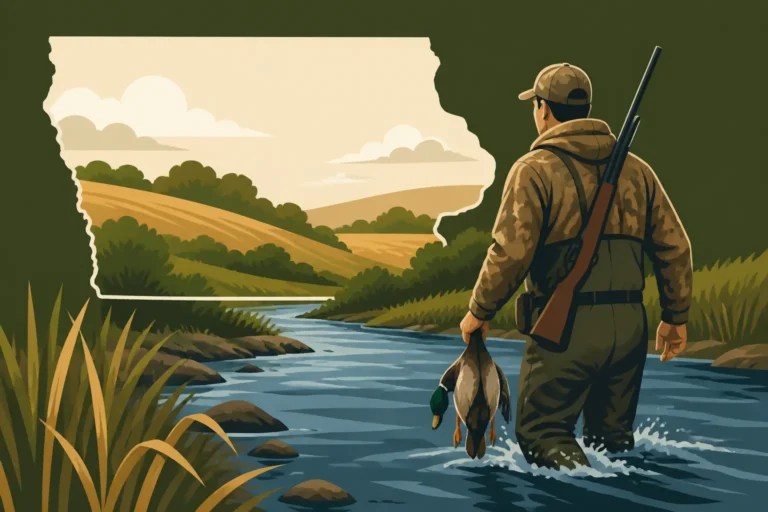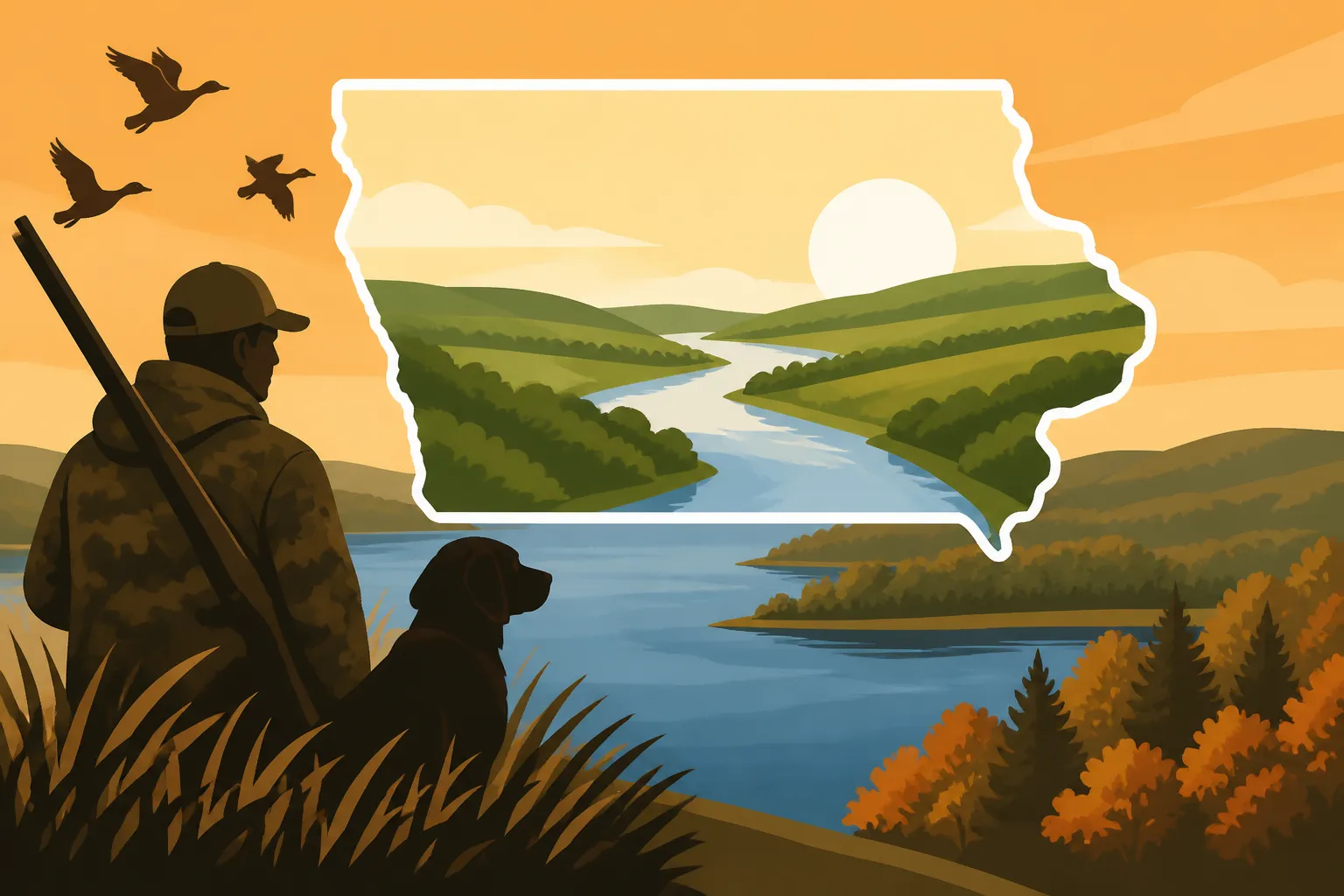
Iowa River and Reservoir Hunting Access
Navigating Iowa's incredible hunting landscape can feel like cracking a secret code, especially when you start looking beyond the familiar farm fields and into the dynamic world of rivers and reservoirs. Many hunters get stuck thinking about timber blocks or crop edges, but some of the most overlooked and productive hunting opportunities in the state lie along our waterways. This guide will take you deep into understanding how to find, access, and successfully hunt Iowa's vast river systems and numerous reservoirs, providing the knowledge you need to explore these often-underutilized public hunting grounds.
Understanding Iowa's River and Reservoir Landscape for Hunters
Iowa might be known for its rich agricultural lands, but it's also veined with an intricate network of rivers and dotted with significant reservoirs, all offering unique hunting prospects. These water-centric environments create distinct ecosystems that attract and hold game animals, often providing refuge from hunting pressure found elsewhere. However, hunting these areas comes with its own set of challenges, from understanding fluctuating water levels to deciphering complex ownership boundaries.
The Dynamic Nature of Riverine Habitats
Rivers are ever-changing entities. Their flows rise and fall, creating new sandbars, flooding timber, and altering access points almost seasonally. This dynamic nature means that what was a dry, accessible timber edge one year could be an underwater slough the next. For hunters, this translates into constant scouting and adaptability. These river corridors, especially the larger ones like the Mississippi and Missouri, act as natural travel routes for deer, migration paths for waterfowl, and provide diverse habitats for upland game. The constant movement of water also deposits rich silts, fostering lush vegetation that provides food and cover.
Furthermore, the banks and floodplains often feature a mix of dense timber, thick brush, and sometimes even smaller pockets of abandoned farm fields or CRP grass, making for incredibly diverse hunting grounds. These areas are often less disturbed by human activity than uplands, offering a sense of wildness that many hunters crave. Understanding how deer use these river bottoms, or how waterfowl stage on their backwaters, is key to consistent success.
Reservoirs: Man-Made Havens for Wildlife
Iowa's reservoirs, while man-made, have quickly become vital habitats for a wide array of wildlife, especially waterfowl and deer. These large bodies of water, often managed by the U.S. Army Corps of Engineers, are surrounded by extensive public lands, including wildlife management areas, timber, and grasslands. The sheer size of these areas, combined with their water features, creates significant sanctuaries and feeding grounds. Think of Coralville Lake near Iowa City, or Lake Red Rock near Knoxville – these aren't just for boating and fishing; they are vast hunting opportunities.
The margins of these reservoirs, with their fluctuating water lines, often grow thick stands of smartweed and other moist-soil plants, which are irresistible to migrating ducks and geese. The surrounding uplands, a mix of timber and managed fields, provide excellent deer and turkey hunting. Unlike natural rivers, reservoir levels are often controlled, offering a more predictable environment, though seasonal drawdowns can dramatically alter the landscape and access points. These areas often see significant waterfowl hunting pressure, so understanding how to get away from the crowds is paramount.
Legal Frameworks for Water-Associated Hunting
One of the biggest hurdles for hunters looking to explore Iowa's rivers and reservoirs is understanding the patchwork of land ownership and regulations. Much of the land directly adjacent to larger rivers and reservoirs is public, managed by federal agencies like the U.S. Army Corps of Engineers or the U.S. Fish and Wildlife Service (e.g., Upper Mississippi River National Wildlife and Fish Refuge), and state entities like the Iowa Department of Natural Resources (DNR) or County Conservation Boards. Each of these entities might have slightly different rules regarding access, permissible weapons, and even what species can be hunted in specific zones.
For instance, hunting on Corps of Engineers property, which surrounds many reservoirs and portions of major rivers, often has specific rules for blinds, stand placement, and vehicle access. It's crucial to consult the local office or online resources for each specific area you plan to hunt. Beyond the immediate banks, you'll also find state Wildlife Management Areas (WMAs) and County Conservation areas that provide crucial buffer zones and additional hunting opportunities. Always remember that navigating private land that abuts public water can be tricky, so be sure you know your boundaries. Iowa Trespass Law and Posted Land is an important read to ensure you stay on the right side of the law.
Key River Systems and Hunting Opportunities
Iowa is blessed with major river systems that carve through the landscape, offering some of the most diverse and challenging hunting experiences in the state. From the vast Mississippi to the meandering interior rivers, each offers unique characteristics for the intrepid hunter.
The Mighty Mississippi River Corridor
The Mississippi River forms Iowa's entire eastern border, creating an incredibly rich and complex hunting environment. This isn't just a single river; it's a vast floodplain ecosystem with main channels, side channels, backwaters, sloughs, islands, and dense timber. It's a waterfowl hunter's paradise, lying directly in the heart of the Mississippi Flyway. Hunters flock here for ducks, especially mallards, pintails, and wood ducks, as well as various species of geese. Understanding Mississippi River Backwater Waterfowl patterns is essential for success.
Beyond waterfowl, the numerous islands and timbered floodplains offer fantastic deer and turkey hunting. Bucks often use these islands and timbered ridges as sanctuaries, especially when hunting pressure builds on the mainland. Accessing these areas often requires a boat, adding an element of adventure and allowing hunters to reach spots unreachable by foot from the bank. However, boat access comes with its own set of challenges, including navigating fluctuating water levels, strong currents, and knowing safe travel routes. Many of these areas are part of the Upper Mississippi River National Wildlife and Fish Refuge, which has specific regulations for hunting and access that you must respect.
Missouri River Bottomlands and Tributaries
Along Iowa's western edge, the Missouri River presents a different but equally compelling hunting landscape. While less braided than the Mississippi, the Missouri River bottomlands are known for their expansive timber blocks, oxbow lakes, and associated sloughs, making it prime habitat for deer, turkeys, and waterfowl. The rich, fertile soils grow massive cottonwoods and other trees, providing excellent cover and food sources. This is a region renowned for its Missouri River Bottom Hunting in Iowa, with many public and private land opportunities.
The tributaries that feed into the Missouri, like the Big Sioux and Little Sioux Rivers, also offer significant hunting potential, often with more manageable access points. These smaller river systems provide crucial corridors for deer movement and diverse habitat for upland birds like pheasants and quail in the adjacent cover. Hunters here need to be mindful of both river currents and the often steep, unstable loess bluffs that flank portions of the river valley. The mix of river habitat and nearby agricultural fields creates a dynamic ecosystem where big deer can thrive.
Interior Rivers: Des Moines, Cedar, Skunk, Iowa, Raccoon
Don't overlook Iowa's interior rivers. The Des Moines River, Cedar River, Skunk River, Iowa River, Raccoon River, and countless smaller streams wind their way across the state, creating critical habitat and hunting opportunities often closer to home for many Iowans. While they may not have the vast scale of the border rivers, their impact on local wildlife populations is immense. These river corridors, even narrow ones, act as natural travel corridors for deer and provide vital cover in otherwise open agricultural landscapes. Hunting a Narrow Creek Corridor can be incredibly productive for catching deer moving between bedding and feeding areas.
Many of these interior rivers have associated Wildlife Management Areas (WMAs) or County Conservation Board lands, offering public access to timbered river bottoms, marshy areas, and adjacent uplands. Waterfowl can be found on larger bends and sloughs, while the timbered sections provide excellent deer and turkey hunting. Access often involves scouting out small parking areas or boat launches managed by local conservation boards. Learning to read these smaller river systems, understanding how deer use the banks and adjacent timber, and recognizing pinch points created by the water flow are vital skills for consistent success. Scouting Iowa Timber and River Bottoms is an excellent resource for learning how to identify these key areas.
Major Reservoirs and Their Unique Hunting Access
Iowa's large reservoirs offer vast hunting grounds that can be incredibly productive, especially for waterfowl and deer. These man-made lakes, often managed by federal agencies, come with specific rules and unique challenges that hunters need to understand.
Coralville and Red Rock: Expansive Opportunities
Coralville Lake, located north of Iowa City, and Lake Red Rock, southeast of Des Moines, are two of Iowa's largest reservoirs and major hubs for hunting activity. Both are managed by the U.S. Army Corps of Engineers, meaning there are extensive tracts of public land available for hunting. These areas are renowned for their waterfowl hunting, with thousands of ducks and geese using them during migration. The fluctuating water levels on these reservoirs allow for the growth of emergent vegetation, creating ideal feeding and resting areas for migrating birds. Hunters need to pay close attention to water level reports and be prepared to adapt their strategies based on current conditions.
Beyond waterfowl, the timbered hillsides and expansive grasslands surrounding these reservoirs offer excellent deer and turkey hunting. At Coralville, you'll find dense timber along the river arms and in the uplands, providing great cover for whitetails. Lake Red Rock, being even larger, boasts massive tracts of timber, grasslands, and even some remnant prairies that are home to thriving deer and turkey populations. Understanding the specific zones and regulations for each area, including refuge zones where hunting is prohibited, is critical for a legal and successful hunt. Often, these areas have specific walk-in access points, but also opportunities for Boat Access to Iowa River Islands and more remote areas.
Saylorville and Rathbun: Central Iowa Hotspots
Saylorville Lake, just north of Des Moines, and Rathbun Lake, in south-central Iowa, are two more significant reservoirs offering excellent hunting. Saylorville is another Corps of Engineers project, providing thousands of acres of public land. It's particularly popular for waterfowl, with large numbers of birds congregating on its waters and surrounding marshy areas. Deer hunting is also very good in the timbered river corridors that feed into the lake and in the surrounding upland forests. Pressure can be high due to its proximity to a major metropolitan area, so learning to find overlooked pockets or accessing areas by boat can be a game-changer.
Rathbun Lake, Iowa's largest man-made lake by area, offers a different flavor of hunting. While also managed by the Corps, a significant portion of its surrounding land is managed by the Iowa DNR as the Rathbun Wildlife Area, famous for its excellent deer and turkey hunting. The blend of timber, brushy draws, and agricultural fields makes for ideal whitetail habitat. Rathbun also sees strong waterfowl use, though perhaps not on the same scale as the larger, more open Coralville or Red Rock. Both of these reservoirs offer diverse hunting experiences, but require detailed scouting and a good understanding of local regulations.
Smaller Lakes and Ponds with Public Access
While the major reservoirs get a lot of attention, don't forget the numerous smaller lakes, county parks, and ponds scattered across Iowa that offer public hunting access. Many County Conservation Boards manage smaller lakes and ponds that, while not as grand as Coralville or Red Rock, can provide fantastic, less pressured hunting for waterfowl, pheasants, and deer. These smaller bodies of water often serve as local magnets for migrating ducks, especially early in the season. Jump Shooting Iowa Farm Ponds can be a thrilling way to hunt these smaller waters.
These areas are typically marked on the Iowa DNR Hunting Atlas or local county conservation maps. They might be small and seem insignificant, but a few ducks on a quiet pond or a deer moving through a timber block adjacent to a small lake can make for an incredibly rewarding hunt. It’s imperative to check specific county rules, as regulations can vary significantly from one county to the next, even for what seems like similar public access land. Often, these spots can be scouted quickly and provide a good alternative to more crowded major public areas.
Navigating Public Access: Rules and Regulations
Understanding the rules and navigating access on Iowa's river and reservoir lands can feel like a labyrinth. Various agencies manage these areas, each with their own set of guidelines. A little homework before you go can save a lot of headaches – and potentially a citation.
Understanding Corps of Engineers Land
The U.S. Army Corps of Engineers (USACE) manages vast tracts of land around Iowa's larger reservoirs (Coralville, Red Rock, Saylorville) and along portions of the Mississippi and Missouri Rivers. These lands are generally open to public hunting, but with specific rules designed for safety and resource management. For instance, there might be regulations on leaving stands overnight, establishing permanent blinds, or using ATVs. Understanding Corps of Engineers Land in Iowa regulations is paramount.
Often, specific zones around boat ramps, campgrounds, or administrative areas are designated as "no hunting" zones for safety reasons. It's common to see areas where only specific weapon types are allowed, or where certain hunting seasons are restricted. You’ll usually find maps and detailed regulations posted at USACE offices, kiosks at access points, and on their respective websites. Don't assume that because it's public land, anything goes. Always verify the rules for the specific recreation area or segment of the river you intend to hunt.
State and County Management Areas
Beyond federal lands, the Iowa DNR manages numerous Wildlife Management Areas (WMAs) along rivers and around smaller lakes, and County Conservation Boards oversee many local parks and natural areas, some of which are open to hunting. State WMAs generally follow statewide hunting regulations, but they might have special provisions for specific areas, such as refuge zones for waterfowl, or restrictions on vehicle access. For instance, Iowa Wildlife Management Area Acres can be quite substantial, offering plenty of room to roam.
County Conservation Boards offer some incredible hidden gems. They manage thousands of acres of land, and while their primary focus might be recreation, many properties permit hunting. However, the rules can vary greatly from county to county. What's allowed in Linn County might be different from Appanoose County. Always check the specific county conservation board website or contact their office directly to understand their hunting policy, permissible weapons, and any unique access requirements for the property you're interested in. Ignorance of county rules is no excuse!
Hunting Road Rights-of-Way Near Water
This is a common point of confusion for many hunters. While the general rule in Iowa is that you can hunt within a road right-of-way if it's not a paved public road, if you have permission from adjacent landowners, and if you're not within 200 yards of a building, things get murkier near water. Often, public land along rivers and reservoirs might be accessible from gravel roads, and sometimes, the right-of-way itself could be considered hunting ground. However, you need to be absolutely certain of property lines and regulations.
The biggest issue is often the proximity to private land. Even if you're legally in a road ditch, shooting across private property or retrieving game from private land without permission is trespassing. Also, safety is paramount. Hunting too close to roads or residences, even if technically legal, can create dangerous situations and generate negative public perception of hunters. Always err on the side of caution. If there's any doubt, find a more defined public access point or secure explicit permission from adjacent landowners. Review Iowa Road Right-of-Way Hunting Rules for more details.
Essential Gear and Tactics for Water-Based Hunting
Hunting Iowa's rivers and reservoirs demands a different approach and often specialized gear compared to hunting a standing cornfield. Whether you're chasing waterfowl or stalking deer, being prepared for water and potentially remote access is key.
Boats, Canoes, and Kayaks for Access
For many river and reservoir hunting opportunities, particularly on the Mississippi or large reservoirs, a boat is less of a luxury and more of a necessity. A dependable boat allows you to reach remote islands, access far-flung timber blocks, and deploy decoy spreads in open water. Depending on your target species and the size of the water body, you might need anything from a sturdy jon boat with an outboard motor for larger rivers to a quiet canoe or kayak for navigating shallow backwaters or small streams.
When selecting a boat, consider stability, carrying capacity for gear and game, and maneuverability. A good duck boat needs to be stable for shooting and retrieving, while a canoe or kayak for deer hunting might prioritize stealth and shallow draft. Always have essential safety gear: life jackets for everyone on board, paddles, a throw cushion, a whistle, and navigation lights if hunting before sunrise or after sunset. Be mindful of strong currents on rivers and sudden weather changes on large lakes. Learning to properly navigate rivers and understand current is critical, especially when dealing with Wind and Thermals in River Breaks.
Waterfowl and Upland Game Strategies
Waterfowl hunting is undoubtedly a primary draw for river and reservoir hunters. For ducks and geese, successful strategies often involve setting up decoy spreads in backwaters, sloughs, or along the edges of open water. Layout blinds or natural blinds brushed into shorelines are common. Understanding Waterfowl Hunting Iowa River Backwaters involves knowing where birds prefer to feed and rest, and how to mimic their natural behavior. Always consider wind direction for your decoy spread and blind placement.
While waterfowl often dominate the conversation, many river and reservoir areas also offer excellent upland game hunting. Pheasants and quail can be found in the grassy fringes, brushy thickets, and abandoned fields adjacent to these waterways, especially where there's good nesting cover near a food source. Working these cover edges without a dog can be challenging but rewarding. Look for areas where dense cover transitions to thinner vegetation or water, as these are natural travel corridors. Even rabbits and squirrels are plentiful in the timbered areas of river bottoms, providing additional small game opportunities.
Deer Hunting Near Water Sources
Deer are intrinsically drawn to water, making rivers and reservoirs prime locations for whitetail hunting. These areas provide not only a reliable water source but also dense cover, diverse food options (from acorns to browse), and often reduced human pressure in more remote sections. Bucks especially will use river bottoms and reservoir edges as travel corridors between bedding and feeding areas, often preferring to stick close to the water or in the thickest cover along its banks.
Tactics for deer hunting near water might include setting up stands along river bends, pinch points where the timber narrows, or on high ground overlooking sloughs and oxbows. Focus on intercepting deer traveling along established trails that parallel the water or cross narrow sections of a creek. During the rut, bucks will often cruise river edges looking for does. Early season, Early-Season Bowhunting Over Water can be incredibly effective, especially during hot weather when deer are thirsty. Pay attention to how deer move through the terrain, using the water as a barrier or a guide for their travel.
E-Scouting and On-the-Ground Reconnaissance
Before you even step foot in the timber or launch your boat, proper scouting is crucial for hunting success on Iowa's rivers and reservoirs. Modern technology has revolutionized this process, but there's no substitute for getting boots on the ground (or a boat in the water).
Leveraging Mapping Tools (onX Hunt)
Digital mapping applications like onX Hunt are invaluable for planning hunts on complex river and reservoir systems. These tools allow you to overlay property lines, public land boundaries (including Corps of Engineers, state, and county lands), topographic maps, and satellite imagery. You can identify potential access points, pinpoint islands or timber blocks, mark travel routes, and even identify hidden sloughs or pinch points that aren't obvious from the ground. With onX Hunt, you can differentiate between state-managed land and federal areas, understanding where different rules might apply.
Using the layers feature, you can see not only land ownership but also features like CRP fields, timber types, and elevation changes. This is particularly helpful for E-Scouting Iowa Farm Country From Home, as you can identify river bends with good timber, secluded backwaters, or elevated ridges that might hold deer. Dropping waypoints for potential stand sites, boat launches, or natural pinch points before you ever leave the house saves immense time and effort in the field, allowing you to focus your physical scouting efforts on the most promising areas.
Reading Topographic and Aerial Maps
Beyond digital apps, understanding how to read traditional topographic and aerial maps is a fundamental skill for river and reservoir hunting. Topographic maps reveal elevation changes, showing you where the high ground is in a flood plain, identifying subtle benches along a river, or illustrating drainages that deer might use to access the water. Combined with aerial imagery, you can identify hidden cover, subtle elevation changes, and travel corridors that are often overlooked.
Look for key features: where a river bends sharply, creating a bottleneck; where a timber strip narrows between the water and a field; where an oxbow lake connects to the main river during high water. For waterfowl, pinpoint shallow flats, mudflats, or areas with emergent vegetation. For deer, identify thick bedding cover in isolated pockets or on islands. Remember, these maps are a snapshot in time; actual conditions, especially water levels, will vary, but they provide a crucial starting point for understanding the terrain.
Pre-Season Scouting by Boat and Foot
While e-scouting provides the big picture, nothing beats physical reconnaissance. For river and reservoir hunting, this often means scouting by boat. Launching your boat or kayak and slowly cruising the shorelines, exploring backwaters, and motoring around islands gives you a firsthand look at the habitat, current conditions, and potential access challenges. You can identify natural blind locations, test water depths, and look for game sign directly. Scouting Iowa Public Land Before the Opener is crucial, but on these water systems, a boat adds a whole new dimension.
Beyond the boat, plan to walk the accessible shorelines and timber blocks. Look for deer trails, rubs, scrapes, and bedding areas. Identify areas of heavy browse or preferred food sources. For waterfowl, look for feathers, tracks, and droppings. Pay attention to any signs of previous hunting pressure, like old blinds or shell casings. Understanding game movement and usage patterns before the season starts allows you to pick the most opportune stand or blind locations, ensuring you're ready when opening day arrives.
Maximizing Your Success on Iowa's Rivers and Reservoirs
Hunting river and reservoir systems requires adaptability, patience, and a deep respect for the dynamic environment. By focusing on specific timing, minimizing your impact, and prioritizing safety, you can greatly increase your odds of success.
Timing Your Hunts with Water Levels and Migrations
One of the biggest factors for success on Iowa's rivers and reservoirs is timing. For waterfowl, this means aligning your hunts with the peak of the Iowa Duck and Goose Migration Timing. Cold fronts, north winds, and freezing temperatures to the north often push new waves of birds into Iowa, making these waterways prime staging and feeding areas. Pay attention to weather forecasts and migration reports to hit the peak flights.
For deer, timing also plays a crucial role. River bottoms are often sanctuaries during periods of high pressure, particularly during gun seasons. During the rut, bucks will actively cruise these corridors looking for does. Early season, as mentioned, water sources can be magnets during warm weather. Also, consider water levels. High water can restrict access and push deer to higher ground, while low water can expose new mudflats for waterfowl or create new travel routes for deer along exposed banks. Use mapping tools like GoHunt to track water levels if available for your chosen area, or check local Army Corps of Engineers websites.
Minimizing Pressure and Maximizing Stealth
Iowa's public river and reservoir lands can attract significant hunting pressure, especially on weekends and during peak seasons. To maximize your success, it's essential to minimize your impact and maximize your stealth. This means being the first one in, going deeper or to harder-to-reach areas, and reducing your scent and noise. If others are hunting the easily accessible spots, consider using your boat or kayak to get further away. Hunting Pressure Patterns on Iowa Public Land indicates that weekdays are often less crowded than weekends.
Access routes are critical. Plan your approach to avoid pushing game out of the area you intend to hunt. Use the water to your advantage for silent access. If walking in, use existing deer trails or follow the contours of the land to remain concealed. For waterfowl, setting up well before legal shooting hours is a must. For deer, still-hunting slowly and quietly through river bottom timber, or sitting patiently in a well-concealed stand, will pay dividends. The more you blend in and the less disturbance you create, the more likely you are to encounter game.
Safety Considerations on and Near Water
Hunting near or on water inherently carries additional safety considerations. Always wear a life jacket when in a boat, canoe, or kayak, even if you're a strong swimmer. Cold water immersion is a serious danger, especially in late fall and winter. Be aware of changing weather conditions – strong winds can quickly turn a calm lake into dangerous waves, and heavy rains can cause rivers to swell rapidly. Always check weather and water forecasts before heading out.
When hunting from a boat or near water, be extra mindful of your footing, especially on muddy or slippery banks. If you're wading, know the depth and current of the water. If hunting with others, communicate your plans and locations clearly, especially on large, complex river systems. For party hunts, ensure everyone understands Party Hunting Rules and Safe Drives and knows safe shooting lanes. Carrying a fully charged cell phone (in a waterproof bag), a GPS device or mapping app like onX Hunt, and a first-aid kit are also critical safety measures. Always inform someone of your hunting plans, including your exact location and expected return time.
| River/Reservoir System | Primary Game Species | Typical Access Methods | Key Challenges |
|---|---|---|---|
| Mississippi River | Waterfowl, Deer, Turkey | Boat, Walk-in | Strong currents, Complex boundaries, High pressure |
| Missouri River | Deer, Turkey, Waterfowl | Boat, Walk-in | River bluffs, Variable water levels, Isolated timber |
| Des Moines River | Deer, Turkey, Waterfowl | Walk-in, Canoe/Kayak | Segmented public access, Localized pressure |
| Coralville Lake | Waterfowl, Deer, Turkey | Boat, Walk-in | Refuge zones, Water level fluctuations, Crowding |
| Lake Red Rock | Waterfowl, Deer, Turkey | Boat, Walk-in | Large scale, Wind exposure, Distant access points |
| Saylorville Lake | Waterfowl, Deer, Turkey | Boat, Walk-in | Proximity to city, High recreational use |
| Rathbun Lake | Deer, Turkey, Waterfowl | Walk-in | Diverse habitat, Can be remote in some areas |
Disclaimer
This article is for general informational purposes only and does not constitute professional advice. Laws, prices and regulations vary by location and change over time. Consult a qualified professional for guidance on your specific situation.