Iowa Spring Turkey Season Dates
It’s officially spring in Iowa, and for many of us, that means the irresistible call of a tom gobbler echoing through the timber is already a constant daydream. Yet, when you start planning your hunt, trying to pin down the precise dates for Iowa’s spring turkey season can feel a little like trying to catch smoke. Between youth seasons, different periods, and resident versus nonresident considerations, it’s easy to get tangled up before you even step foot in the woods. This guide is here to clear the fog, giving you a detailed breakdown of all the Iowa spring turkey season dates so you can focus on the hunt itself, not the calendar.
Understanding Iowa's Spring Turkey Season Structure
Iowa's approach to spring turkey season is designed to offer opportunities for different hunter demographics while managing the turkey population effectively. It’s not a free-for-all; instead, the season is broken down into specific periods, ensuring that hunting pressure is spread out and everyone gets a fair shot at those elusive birds. It’s important to note that unlike deer hunting, Iowa’s spring turkey seasons are statewide, meaning the dates apply across all counties, though bag limits are restricted to one bearded turkey per license.
Youth Season Details
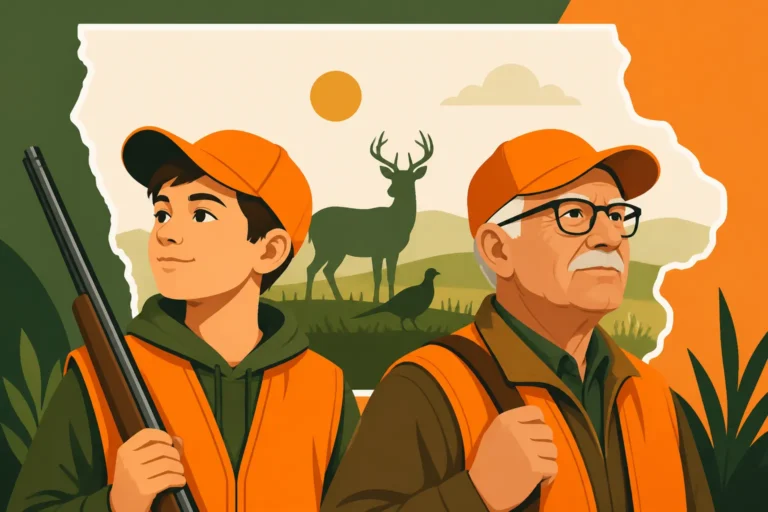
The spring turkey season always kicks off with a special youth season, typically running for a week or so before the general seasons begin. This is a fantastic opportunity for young hunters, usually under the age of 16, to experience the thrill of turkey hunting with an adult mentor by their side. It's often less crowded, which can be a huge benefit for learning the ropes and having a more relaxed experience. The exact dates for the youth season usually fall in early April. It’s a wonderful program aimed at fostering the next generation of hunters, giving them a head start and a dedicated time without the added pressure of a crowded woods. An adult hunter must accompany the youth, though only the youth can shoot a turkey. This is also a great time to introduce kids to ethical hunting practices and the joy of being out in nature, before the full swing of general seasons begins. For more on involving younger hunters, you might look into Iowa Youth Turkey Season.
General Spring Season Zones and Periods
After the youth season concludes, the general spring turkey season opens, traditionally divided into four distinct periods. Each period typically lasts about five to seven days, and they collectively run from mid-April through late May. Hunters must choose one of these periods when they purchase their license. The beauty of this system is that it allows hunters to select a time that best fits their schedule and preferred hunting conditions, which we’ll dive into more later.
Historically, these periods shake out something like this:
- Period 1: Usually starts around mid-April. This is the earliest general season, often characterized by more foliage, colder mornings, and sometimes more aggressive gobbling as turkeys are just starting their peak breeding activity.
- Period 2: Follows Period 1, typically beginning in late April. This period often sees peak gobbling activity.
- Period 3: Usually starts in early May. By this time, many hens are bred and beginning to nest, which can change gobbler behavior significantly.
- Period 4: The final period, typically running from mid-May until the end of the month. This late season can be challenging but rewarding, as gobblers might be more solitary and actively searching for unbred hens.
Keep in mind that while these are general guidelines, the exact dates can shift slightly year to year based on the Iowa Department of Natural Resources (DNR) regulations. It’s always best to check the current year’s Iowa Hunting & Trapping Regulations for the definitive schedule.
Key Dates and Application Windows
Getting your ducks in a row – or in this case, your turkeys – means knowing not just when to hunt, but when to secure your license. The process can differ significantly depending on whether you're an Iowa resident or a nonresident hunter. Many hunters, especially those looking at non-resident tags, rely on resources like GoHunt to keep these crucial dates organized.
Nonresident Application and Draw
If you're not an Iowa resident, securing a spring turkey license involves a draw process, similar to how nonresident deer tags are allocated, though typically with much better odds. Nonresidents apply for a specific season period (1, 2, 3, or 4) and a zone (though for spring turkey, this is usually statewide, you’re often applying for an 'any sex' or 'bearded-only' license, not a specific geographic zone).
The application period for nonresident spring turkey licenses usually opens in late December or early January and runs through late January or early February. It's a relatively short window, so marking your calendar is critical. If successful, you’ll typically be notified of the draw results in late February or early March. This is a major difference from resident hunters, who can generally purchase licenses over the counter. Planning your trip around these dates is essential, and forgetting to apply during this window means you'll miss out on the spring season entirely, unless leftover tags become available, which is rare for popular periods. Don't let those application deadlines sneak up on you; use a reminder system or a service like GoHunt to stay on top of the dates. You can find more specific details on Iowa Nonresident Turkey Application Dates.
Resident License Availability
For Iowa residents, the process is thankfully much simpler. Resident spring turkey licenses typically go on sale in early to mid-March, a few weeks before the season opens. You can purchase these licenses directly online through the Go Outdoors Iowa system, from any licensed vendor, or at a DNR office. There's no draw involved for residents, which is a huge convenience. You simply choose your desired hunting period (1, 2, 3, or 4) when you buy your license. This accessibility means residents can be a bit more flexible with their planning, reacting to weather forecasts or personal schedules closer to the season. The relative ease of acquiring an Iowa Turkey Licence Cost for residents makes it a much more straightforward process. However, even with this flexibility, it's still a good idea to purchase your license well in advance to avoid any last-minute technical glitches or long lines at vendors.
Why These Dates Matter for Your Hunt Planning
Knowing the specific season dates isn't just about legality; it's about strategy. The timing of your hunt within the spring season can dramatically influence turkey behavior, hunter pressure, and ultimately, your success. Hunters often refer to the "peak gobble" or the "late season lull," and these trends are directly tied to the calendar.
Impact on Turkey Behavior Gobbling, Breeding
The progression of the spring turkey season directly correlates with the turkeys' breeding cycle and subsequent behavior.
- Early Seasons (Youth & Period 1): In early to mid-April, gobblers are usually highly motivated. The weather can be cooler, and foliage might still be sparse, which can make spotting birds easier but also makes concealment a bit tougher. Gobblers are often still grouped up and very vocal, actively seeking hens. This can be an excellent time for hunters, as their calls can elicit strong responses. However, hens aren't always bred yet, meaning they might be with gobblers, making it challenging to call a tom away. Understanding Gobbling Activity Through the Spring is key here.
- Mid-Seasons (Periods 2 & 3): As the season progresses into late April and early May, hens start to breed and disperse to begin nesting. Period 2 is often considered the peak gobbling period, as toms are still hot and actively looking for hens. By Period 3, many hens are already on nests, which can leave gobblers "lonely" and more susceptible to calling, but also potentially less vocal as they don't have to compete as much. This is where Calling a Henned-Up Iowa Gobbler strategies might come into play, or even knowing how to work a more solitary tom.
- Late Season (Period 4): By mid to late May, most hens are committed to their nests. Gobblers at this point might be less vocal overall, or they might gobble frantically in short bursts as they desperately search for the last available hens. Hunting in Period 4 can require more patience and persistence, often involving covering more ground to locate birds. The woods are fully greened up, providing excellent concealment but also reducing visibility. Learning Run-and-Gun Turkey Tactics on Iowa Public Land can be particularly effective during this phase, as you're often searching for those more solitary birds.
Hunter Pressure and Strategy
The choice of season period also significantly impacts the amount of hunter pressure you'll encounter, especially on public land.
- Youth Season: As mentioned, this period typically sees the lowest hunter numbers, creating a more relaxed environment for young hunters and their mentors.
- Early General Seasons (Periods 1 & 2): These periods, particularly Period 2, tend to be the most popular, attracting many hunters eager to catch the peak gobbling action. If you're hunting public land, expect company. This means you need to be strategic about your access, scouting, and calling. Being aware of Public Land Turkey Safety is paramount during these busier times.
- Late General Seasons (Periods 3 & 4): Hunter pressure often wanes in the later periods. Many hunters have already filled their tags, or have moved on to other activities. While turkey behavior might be more challenging, the reduced competition can make for a more peaceful and potentially rewarding hunt. This might be a great time for advanced hunters or those who prefer solitude. It might also be a good time to try to call those often difficult Working a Henned-Up Tom Midday that seem impossible earlier in the season.
Important Regulations Beyond Just Dates
While knowing the season dates is crucial, they are just one piece of the regulatory puzzle. To ensure a legal and ethical hunt, you must also be familiar with Iowa's rules on bag limits, tagging, and legal shooting hours. These regulations are designed to manage the turkey population responsibly and ensure fair chase.
Bag Limits and Tagging Requirements
For Iowa’s spring turkey season, the general rule is straightforward: you are allowed one bearded turkey per license. This means hens are off-limits, which is a critical part of population management, as hens are responsible for reproduction. Most hunters will purchase a single license, but additional tags might be available in specific situations or for certain zones, though typically not for spring general seasons. Always confirm the current Iowa Turkey Bag Limits with the Iowa DNR.
Once you harvest a turkey, immediate tagging is required. The license includes a tag that must be securely attached to the bird through the leg or beard. This tag must remain with the turkey until it is processed for consumption. Additionally, within 24 hours of harvest, you must report your take to the Iowa DNR. This can usually be done online through the Go Outdoors Iowa system or by phone. This harvest reporting is vital for the DNR to track population trends and set future season structures and quotas. Failing to tag or report your harvest promptly can result in penalties.
Legal Shooting Hours and Equipment
Iowa has strict rules regarding legal shooting hours for turkey hunting, which typically run from one-half hour before sunrise to sunset each day of the season. Hunting outside of these hours is illegal and strictly enforced. It’s always a good practice to carry a reliable watch or use a GPS device with sunrise/sunset features to ensure you are within legal shooting hours. This is particularly important when Roosting Iowa Turkeys the Night Before, as you’ll want to be in position well before legal shooting light without disturbing the birds.
As for equipment, Iowa allows both shotguns and archery equipment for spring turkey hunting.
- Shotguns: Must be no larger than 10-gauge and cannot be capable of holding more than three shells in the magazine and chamber combined. Only shot sizes 4, 5, 6, 7, or 7.5 are permitted, or other shot approved by the U.S. Fish and Wildlife Service, such as TSS. Slugs are illegal for turkey hunting.
- Archery: This includes traditional bows, compound bows, and crossbows. Broadheads must have at least two cutting edges and be at least 7/8 inch wide. Mechanical broadheads are permitted if they meet these criteria. There are generally no draw weight minimums for bows, but ethical hunters ensure their equipment is sufficient for a clean kill.
Understanding these regulations is just as important as knowing the dates. Always refer to the most current Iowa Hunting and Trapping Regulations booklet for comprehensive details, as rules can sometimes be updated. This ensures you're ready to hunt legally and ethically, allowing you to fully enjoy your time pursuing Eastern Turkeys in Iowa Timber.
Iowa Spring Turkey Season at a Glance
To make things a bit easier to digest, here's a general overview of the typical Iowa spring turkey season dates and application periods. Remember, these are typical ranges, and the exact dates should always be verified with the current year's Iowa DNR regulations.
| Season Type | Typical Start Date | Typical End Date | Resident License | Nonresident Application |
|---|---|---|---|---|
| Youth Season | Early April | Mid-April | N/A | N/A |
| Period 1 | Mid-April | Mid-April | Mid-March | Late Dec – Early Feb |
| Period 2 | Late April | Late April | Mid-March | Late Dec – Early Feb |
| Period 3 | Early May | Early May | Mid-March | Late Dec – Early Feb |
| Period 4 | Mid-May | Late May | Mid-March | Late Dec – Early Feb |
Disclaimer
Please remember that hunting regulations, including season dates, bag limits, and licensing requirements, can change. While every effort has been made to provide accurate and up-to-date information, this guide is for informational purposes only. It is the hunter's responsibility to consult the official Iowa Department of Natural Resources (DNR) hunting regulations annually before participating in any hunting activity. Always confirm the most current information directly with the Iowa DNR.