Calling a Henned-Up Iowa Gobbler
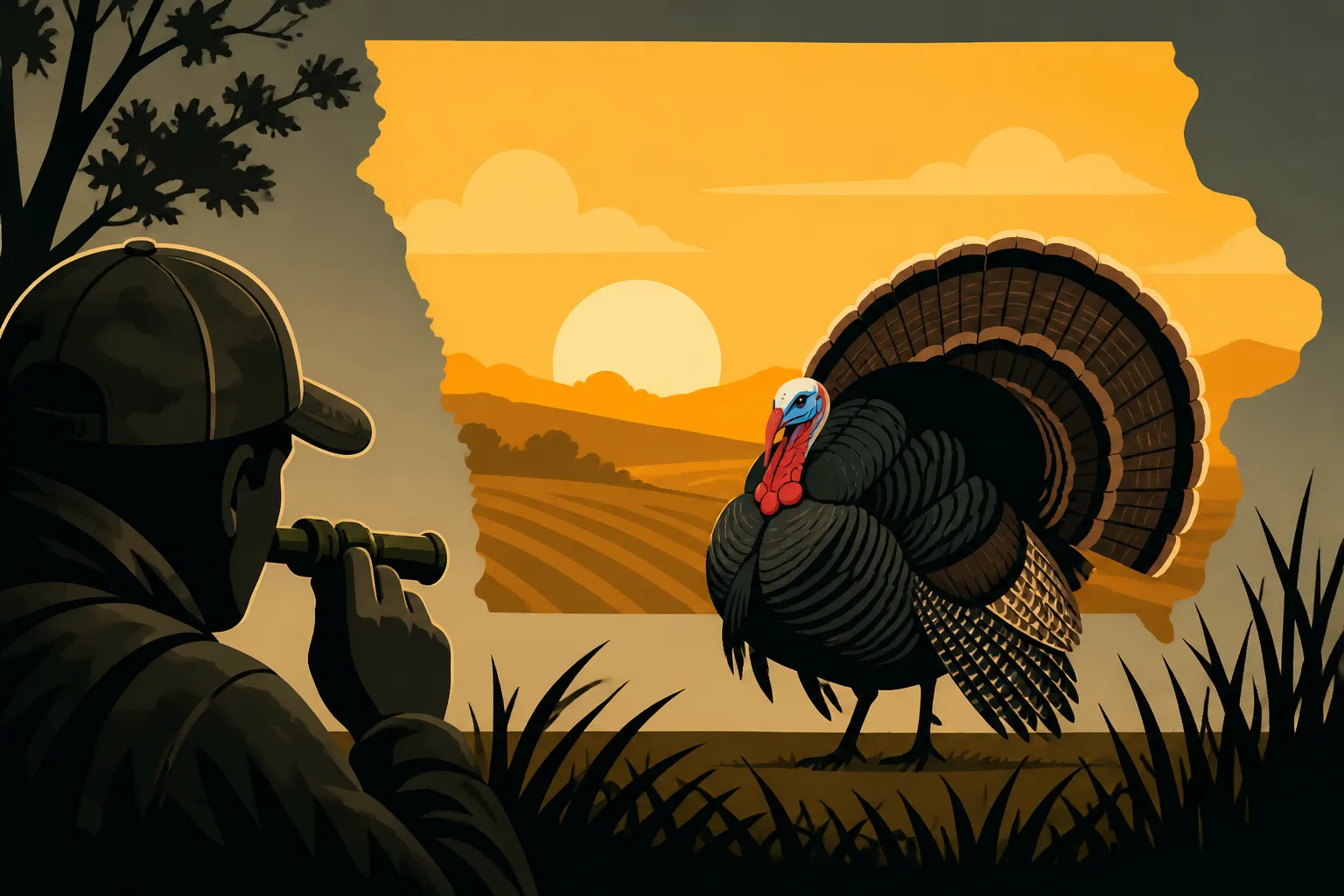
There’s almost nothing more frustrating in spring turkey hunting than finally locating that big gobbler, getting a response, and then realizing he’s got a whole harem of hens around him. You call, he gobbles, but he just won't commit. It's a classic Iowa spring dilemma, and it can test even the most seasoned hunter's patience. This guide is all about understanding why those "he-man" toms stick with their ladies and, more importantly, how to break them away and get them into your setup.
Understanding the "Henned-Up" Phenomenon
When a gobbler is "he-man," it simply means he's surrounded by receptive hens. For him, the hard work of breeding is already taken care of. Why would he risk coming to your calls, potentially abandoning his current conquests, when he's got everything he needs right there? It's a tale as old as time in the turkey woods, and it’s a situation every Iowa turkey hunter will face.
Why Gobblers Stick to Hens
The biological imperative for a gobbler is to breed. In the early to mid-spring, hens are highly receptive, and a mature gobbler's primary focus is on gathering as many hens as possible to maximize his breeding success. If he wakes up, pitches down from the roost, and immediately has a dozen willing hens clucking and purring around him, he's in paradise. Your aggressive yelps or subtle purrs suddenly become far less appealing than the real thing strutting right in front of him. This dynamic explains why a gobbler might sound incredibly hot on the roost, gobbling at every owl hoot and crow caw, only to go silent or move off with his flock once his feet hit the ground. He's found his ladies for the morning, and he’s content.
This flock dynamic means that even if a gobbler is technically "alone" for a moment, he might still be tuned into the subtle calls of his hens just out of sight, or he knows where they are headed. The Iowa landscape, with its patchwork of timber, CRP fields, and corn/bean stubble, offers plenty of places for hens to gather and keep a gobbler occupied. Understanding this behavior is the first step in devising a counter-strategy. For a deeper dive into turkey behavior, check out our insights on Iowa Wild Turkeys Across the State.
The Iowa Context: Farm Fields and Timber
Iowa's unique mix of agricultural fields, river bottom timbers, and isolated woodlots creates specific challenges and opportunities when dealing with henned-up gobblers. Hens frequently utilize picked crop fields in the morning to feed, often leading their gobbler companions away from prime calling locations. A gobbler might roost in a timber stand adjacent to a sprawling cornfield, pitch down with his hens, and then follow them into that field for feeding and strutting. Once they're out in the open, especially in a large field, it becomes incredibly difficult to pull him away.
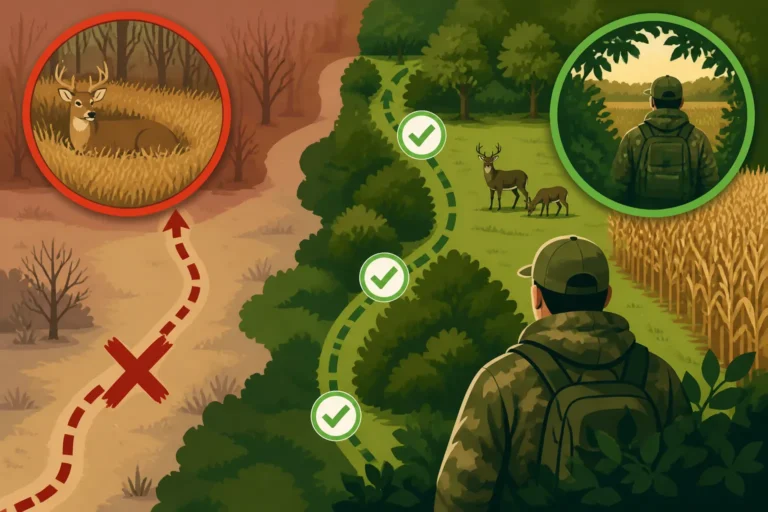
Conversely, Iowa's diverse habitat also offers advantages. The rolling hills and deep creek bottoms can provide excellent natural barriers and concealment, allowing you to intercept a flock moving between areas. However, these same features also give hens plenty of places to lead a gobbler out of sight and earshot. Knowing how hens navigate these landscapes is crucial. For example, understanding how deer use Timber and Creek Corridors as Deer Cover can give you clues about how turkeys might also use these features for movement and cover.
Signs You're Dealing with a Henned-Up Gobbler
Identifying a henned-up gobbler early can save you a lot of frustration and prevent you from burning out a good bird. The most obvious sign is when a gobbler responds vocally to your calls but consistently moves in the opposite direction, or simply stays put. He might gobble his head off on the roost, but once he flies down, the gobbling volume decreases significantly, or he only offers soft, distant responses. If you hear multiple hen calls coming from the same direction as his gobble, that's a pretty strong indicator he's got company.
Another classic sign is when the gobbler is visually confirmed with hens. You see him strutting, fanning his tail, and maybe even breeding, completely ignoring your most seductive yelps. He might occasionally gobble out of habit or to assert his dominance, but he's not coming in. Observing hens actively moving and calling around him, often leading him, confirms the situation. If you've been calling aggressively and he consistently goes silent or moves further away, it's very likely he's tied up with hens and is not interested in seeking out another one.
Patience and Persistence: Your Greatest Allies
When faced with a henned-up gobbler, immediate gratification is rarely an option. This is where the true art of turkey hunting comes into play, demanding a deep well of patience and an unwavering commitment to seeing the hunt through. Many hunters get frustrated and move on too quickly, missing out on potential opportunities later in the day.
Waiting Them Out
Sometimes, the most effective "call" you can make is no call at all. When a gobbler is surrounded by hens, being overly aggressive with your calling can actually push him further away, as he perceives your calls as a threat or simply irrelevant. Instead, try backing off and observing. Hens have their own schedule; they will eventually head off to nest, feed, or just wander away from the gobbler. This is particularly true later in the morning. A gobbler, left alone, will often begin actively searching for more hens, making him suddenly much more responsive to your calls. This period of waiting can be agonizing, especially when you know a big tom is just out of reach.
Set up where you have good visibility and access to move, but remain concealed. Use your binoculars to watch the flock. Pay attention to the hens' movements. Are they slowly feeding their way out of the area? Are they breaking off into smaller groups? These are all positive signs. Once those hens disperse, even if it's hours later, that gobbler can become a completely different bird. You might wait two or three hours, but the reward of finally getting that bird to commit is well worth the sustained effort.
Adjusting Your Setup
If you've located a henned-up gobbler and he's moving away with his ladies, don't just sit there lamenting your luck. This is the time for strategic repositioning. If the terrain allows, try to get ahead of the flock or intercept them as they move between feeding and bedding areas. This might mean making a wide, quiet loop to get around them, using the topography – like a creek bottom, a fence line, or a timber ridge – to break line of sight and muffle sound. Think about where the hens might lead the gobbler next: into a new food source, a dusting area, or a secluded strut zone.
Once you’ve moved, re-evaluate your setup. Can you use the natural landscape to your advantage to get closer without being detected? Can you set up on a high point where your calls might carry further, or conversely, in a depression where you can remain hidden while still hearing the birds? Consider the potential travel corridors. Being mobile is key. If you're struggling to make a move effectively, revisiting advice on Setting Up Before Fly-Down might offer some useful perspectives on strategic positioning, even if the context is different.
The Midday Lull and Opportunities
The midday period is often overlooked by turkey hunters, but it's frequently the golden window for those tricky, henned-up gobblers. As the morning progresses, hens typically peel off from the gobblers to attend to their nests or find more secluded feeding spots. This leaves the gobblers feeling a bit lonely and often, much more willing to respond to a lone hen's calls. The midday environment is generally quieter, with less human activity, and the woods often feel calmer.
This is when you should intensify your calling efforts, albeit still thoughtfully. Start with soft, inquisitive calls, gradually increasing in volume and excitement if you get a response. Often, a gobbler that was completely silent at 8 AM will suddenly light up at 11 AM when he realizes he's alone. Don't be afraid to cover some ground during this time, moving from one potential hot spot to another, setting up for 15-20 minutes, and then moving again if nothing responds. We have a dedicated article on Working a Henned-Up Tom Midday that offers even more in-depth strategies for this specific time frame.
Calling Strategies for Stubborn Toms
Calling a henned-up gobbler requires a nuanced approach. Simply blasting loud yelps at him usually won't work, and can often be counterproductive. You need to understand when to be subtle, when to be aggressive (sparingly), and when to incorporate decoys into your plan.
Soft and Subtle Calling
When a gobbler is surrounded by hens, he's not looking for another girlfriend. What you're trying to do is pique his curiosity, or even better, make his existing hens jealous and bring them to you, dragging him along. Soft clucks, purrs, and quiet tree yelps are your best friends here. Think about calls that sound like a contented hen feeding or casually moving through the woods. These calls are less threatening to the gobbler and less likely to alert his current hens to a direct challenge.
A slate call, a box call used very softly, or a mouth call with soft clucks and purrs can be highly effective. The idea is to make him wonder what he's missing, not to scream at him. Call sparingly, perhaps every 15-20 minutes, or just enough to keep him engaged if he's gobbling softly. If he’s gobbling harder and closer, you can gradually increase your calling intensity. The key is to match his mood and the mood of the flock.
Aggressive Calling: When and How
While subtle calling is generally preferred for henned-up birds, there are specific situations where a more aggressive approach might pay off. This is a high-risk, high-reward strategy. If a gobbler is suddenly alone, or if he's responding to your soft calls but still hanging up out of range, a burst of aggressive cutting and loud yelps can sometimes trigger him into coming in. He might interpret it as a lost hen urgently looking for company, or another hen challenging his existing flock.
Use this tactic judiciously and with caution. If he's already with hens, aggressive calling can sometimes cause them to lead him further away, as they perceive you as a threat to their dominance. However, if he's isolated or seems to be wavering, a well-timed, excited series of calls might be the catalyst needed to push him over the edge. Ensure you're completely concealed and ready for a quick shot, as this can often lead to a rapid closing of the distance.
The Decoy Dilemma
Decoys can be a game-changer or a complete bust when dealing with henned-up gobblers. If a gobbler has a real hen in front of him, your decoy might be completely ignored. However, if you can create a scene that appeals to his visual instincts or, critically, sparks jealousy in his real hens, you might pull him in. A single hen decoy or a pair of relaxed hen decoys can be effective, making your setup look like a safe, attractive gathering spot.
A jake decoy, especially a submissive one, can sometimes draw in a dominant gobbler who wants to assert his superiority. However, a jake decoy can also intimidate real hens, causing them to lead their gobbler away. If you're using decoys, ensure they are placed in a highly visible spot that allows for a clear shot. Always prioritize safety, especially when using jake or gobbler decoys, as other hunters might mistake them for a real bird. For more detailed insights on effective setups, consider reading Turkey Decoy Spreads That Work. If you're thinking about fanning or reaping, be sure you understand Reaping and Fanning Rules in Iowa and prioritize safety.
Tactical Approaches and Advanced Maneuvers
Sometimes, simple calling and waiting aren't enough. When a gobbler is truly locked up with hens, you might need to resort to more proactive and physical tactics to break up the flock and create an opportunity. These maneuvers require stealth, knowledge of the terrain, and a bit of boldness.
Breaking Up the Flock
The "run and gun" or "bust and call" strategy is often the most effective way to deal with a henned-up gobbler. The idea is to locate the flock, then intentionally run at them or make enough noise to scatter the birds in all directions. Once the flock is broken up, the hens will usually try to regroup, but the gobbler, now alone and disoriented, will often become very vocal and actively seek out other turkeys. This is your chance.
After you've busted the flock, quickly set up in a central location, using natural cover for concealment. Wait about 15-20 minutes, then start with soft, reassuring hen calls – clucks and yelps – imitating a lost hen trying to find her flock. The gobbler, hearing a lone hen, is much more likely to come looking for you. This tactic works best in dense timber or areas with good cover where the birds won't just run out into an open field and disappear. For an in-depth guide, check out Run-and-Gun Turkey Tactics on Iowa Public Land.
Using Terrain and Cover to Your Advantage
Iowa's diverse landscape, with its rolling hills, timbered draws, and agricultural fields, offers excellent opportunities to use topography to your advantage. If a gobbler is moving with hens, don't try to call him across a wide-open field. Instead, analyze their likely travel path and try to get ahead of them, using creek bottoms, ridge lines, or dense timber as natural screens. This allows you to set up unseen and unheard, potentially ambushing the flock as they move into a more favorable calling position.
Understanding how turkeys use different types of cover is paramount. Turkeys prefer to travel along field edges, through timber corridors, and often stick to the highest ground for strutting and observation. Using an app like GoHunt can be invaluable for understanding the terrain, identifying potential pinch points, and mapping out a stealthy approach that keeps you out of sight of the wary hens. Remember, the hens have many eyes and ears, and they are incredibly observant.
Roosting and Intercepting
One of the most reliable ways to get a jump on a henned-up gobbler is to know where he's going to spend the night. By Roosting Iowa Turkeys the Night Before, you can pinpoint his location and set up before he even wakes up. The goal is to get as close as safely possible to his roost tree without alerting him or his hens. This often means setting up in complete darkness, an hour or more before fly-down.
Once you're in position, resist the urge to call too aggressively right away. Wait for him to gobble on the limb, then use soft tree yelps and purrs to simulate a hen waking up nearby. When he flies down, he's more likely to pitch down towards your calls, or at least in your general direction. Even if his hens fly down with him, you've at least started the interaction much closer, giving you a better chance to work them. For further reading, our article on Calling a Gobbler Off the Roost provides more detailed advice for that crucial morning period.
Scouting and Adaptability: Key to Success
Dealing with henned-up gobblers isn't just about calling; it's about preparation and being able to change your strategy on the fly. The more you know about the birds and the specific piece of ground you're hunting, the better your chances of success.
Pre-Season and In-Season Scouting
Effective turkey hunting starts long before opening day. Pre-season scouting allows you to identify key areas where turkeys congregate: roosting sites, feeding areas (especially those picked crop fields or clover plots), strut zones, and dusting bowls. Look for tracks, droppings, feather piles, and actual bird sightings. This helps you understand typical turkey movement patterns on your chosen property, which is vital when trying to intercept a flock. In-season scouting is just as important. If you encounter a henned-up gobbler, don't just leave. Try to observe where they go, how the hens lead him, and where they seem to spend most of their time.
Using mapping tools and apps, with GoHunt being a popular choice for many, can significantly aid your scouting efforts. You can mark potential roost trees, feeding areas, and even the last known location of a henned-up flock. This visual data can help you form a strategic plan for subsequent hunts or to reposition during the same hunt.
Adapting to Conditions
Spring weather in Iowa can be incredibly unpredictable, and conditions directly impact turkey behavior. Rainy days often make gobblers less vocal and less inclined to leave the protective cover of dense timber. Windy days can make hearing distant gobbles difficult and can also make calling effectively a challenge. On hot, sunny days, turkeys might spend more time dusting in shaded areas or loafing by water sources.
Being adaptable means recognizing these changes and adjusting your tactics accordingly. On windy days, you might need to focus on hunting inside timber stands where the wind's effect is lessened, or seek out sheltered bottoms where sound carries better. On cold mornings, turkeys might be slower to leave the roost. If you're finding that gobblers are continually henned-up in a particular area, it might be time to move to a different section of your hunting grounds or even try a completely new public access area. Many hunters rely on mapping software, with GoHunt being a popular choice, to help them quickly find new areas or navigate changing conditions on the fly.
Learning from Each Encounter
Every turkey hunt, especially those frustrating ones with henned-up gobblers, is a learning experience. Instead of seeing a failed attempt as a loss, view it as an opportunity to gain valuable intelligence. Did your calls sound off? Did you set up in the wrong spot? Did you move too quickly or too slowly? What did the hens do?
Keep a mental (or even better, a written) log of your encounters. Note the time of day, weather conditions, calling sequence, and the birds' reaction. Over time, you'll start to recognize patterns and develop an instinct for what works best in specific situations on your hunting grounds. This continuous learning process is what transforms a novice hunter into a seasoned turkey veteran, capable of consistently Calling a Henned-Up Iowa Gobbler into range. Understanding general trends in Iowa Turkey Population Trends can also inform your overall strategy, giving you context for the birds' behavior. Always remember, a key aspect of safety, especially when dealing with moving birds or other hunters, is knowing the Public Land Turkey Safety guidelines.
Here’s a quick overview of calling strategies for those tough, henned-up gobblers:
| Strategy | When to Use It | Calling Style | Pros | Cons |
|---|---|---|---|---|
| Soft & Subtle | Gobbler with hens, early morning, midday | Soft yelps, clucks, purrs | Less threatening, sparks curiosity, draws hens | Slow to work, gobbler might still ignore |
| Aggressive | Gobbler is alone, hesitant, or just broke from hens | Cuts, loud yelps, fast sequences | Can trigger a quick response, dominance call | Can spook hens, make gobbler move away, alerts others |
| Breaking Up | Flock is visible and accessible, in dense cover | Scattering, then soft regrouping calls | Often highly effective post-scatter | Requires physical exertion, can lose birds, unsafe if done without care |
Disclaimer
Hunting is an inherently dangerous activity. Always prioritize safety, understand and adhere to all local, state, and federal hunting regulations, and ensure you have the appropriate licenses and permits. The information provided here is for educational purposes and general guidance only; it should not replace professional instruction or local wildlife agency regulations. Be aware of other hunters and always identify your target and what lies beyond it.