Iowa January Antlerless Season
The hustle and bustle of the deer season can feel like a distant memory once the primary gun seasons wrap up, and the holidays pass. Many hunters pack away their gear, feeling a bit of post-rut depression as the landscape turns truly cold and barren. But for those in the know, Iowa offers one last, often overlooked, opportunity to fill the freezer and extend the thrill of the chase: the Iowa January Antlerless Season. This guide is dedicated to helping you understand this unique season, maximize your chances, and navigate the specific challenges that come with hunting Iowa deer in the depths of winter.
Understanding the Iowa January Antlerless Season
The Iowa January Antlerless Season isn't just a bonus hunt; it's a critical component of the state's deer management strategy, designed to fine-tune herd numbers after the main seasons have concluded. For hunters, it represents a chance to put more venison in the freezer when other seasons are long past, and to experience a truly challenging hunt against the backdrop of an Iowa winter.
Purpose and Importance of the Season
The primary goal of the January Antlerless season is to help the Iowa Department of Natural Resources (DNR) meet its antlerless harvest objectives. After the main archery, shotgun, and muzzleloader seasons, there might still be areas where the doe population remains higher than desired, leading to increased crop damage for farmers, higher rates of vehicle-deer collisions, and potential health issues within the herd if left unchecked. This late-season opportunity allows hunters to specifically target does, which directly contributes to balancing the deer population. It's not about trophy hunting; it's about responsible herd management and providing sustenance. For many landowners, it's a welcome relief, as these tags can help alleviate some of the pressure on their fields and forests before spring planting.
From a hunter's perspective, this season is a chance to keep the tradition alive a little longer. The deer behavior in January is distinctly different from the rut or even the early season, presenting a fresh set of challenges and rewards. It often requires a shift in tactics, a deeper understanding of deer movement in extreme cold, and a commitment to endure the elements. Successfully harvesting an animal in these conditions provides immense satisfaction, knowing you've outsmarted a deer when survival is paramount for them, and you've honed your skills against Mother Nature herself.
Key Season Dates and Zones
The Iowa January Antlerless Season typically runs for most of January, from the 11th through the 26th, though specific dates can vary slightly year to year. It's always crucial to double-check the current Iowa Hunting Regulations issued by the Iowa DNR. Unlike other seasons, which are often statewide or tied to specific zones for any-deer tags, the January Antlerless season is only open in certain counties. These are usually counties where the DNR has identified a need for additional antlerless harvest, often in the southern and eastern parts of the state, or around urban areas where deer populations can be particularly dense. It’s not uncommon for these counties to be designated as "Zone 2" or "antlerless only" counties during other seasons as well.
Hunters need to be acutely aware of which counties are open for this season before planning their hunt. The Iowa DNR's website, particularly their interactive hunting atlas, is an invaluable resource for this. Using tools like the GoHunt app or the Iowa DNR's online resources can help you pinpoint exactly which areas are open and where antlerless tags are still available. Availability of these tags is often fluid, as they are sold until quotas are met within each county. This means a county open in early January might sell out its tags by mid-month.
Tag Requirements and Availability
To participate in the Iowa January Antlerless season, you'll need an antlerless-only deer license for the specific county you intend to hunt. These are distinct from your regular archery or shotgun season tags. Importantly, non-residents generally cannot purchase these January antlerless tags directly; they are usually reserved for residents or available only to non-residents who have already drawn a regular archery or gun tag and have opted for an additional antlerless tag if quotas allow. This restriction underlines the season's primary purpose: to manage local deer populations with local hunting pressure.
The availability of these tags can be somewhat unpredictable. They are sold on a first-come, first-served basis within the designated counties until the county's quota is reached. Many hunters buy these tags right after the main gun seasons end, anticipating the January opportunity. If you're planning to hunt this season, it’s a good idea to secure your tag as soon as possible after they become available, often in late November or early December, to ensure you can hunt your preferred county. You can find more information about Iowa Antlerless Tags and Quotas on the DNR website. Remember, these tags are county-specific, so if you buy a tag for Appanoose County, you can only use it there, even if a neighboring county is also open for the season.
| Season Aspect | Details | Important Notes |
|---|---|---|
| Dates | Typically January 11-26 (check current regulations annually) | Dates can vary slightly; always confirm with current DNR regulations. |
| Open Zones | Specific counties designated by the DNR with higher antlerless harvest needs. | Not statewide. Verify open counties using the Iowa DNR website or GoHunt app. |
| Tag Type | Antlerless-only deer license for a specific county. | Separate from regular season tags. |
| Eligibility | Primarily for Iowa residents. Non-residents typically cannot buy these tags directly. | Non-residents might utilize leftover antlerless tags from main seasons if applicable. |
| Availability | First-come, first-served until county quotas are met. Often available in late Nov/early Dec. | Purchase early for preferred counties. |
| Weapon | Legal methods include shotgun, muzzleloader, pistol, and straight-wall cartridge rifles. | Archery is often closed during January antlerless unless specific county rules apply. |
| Purpose | Deer population management (reduce crop damage, vehicle collisions) and extended hunting opportunity. | Focus on sustainable harvest and freezer filling. |
Tactics for Success in January
Hunting in January in Iowa is a different beast altogether. The lush fields of early fall are now barren, the rut is a distant memory, and the deer are focused solely on survival. This means hunters need to adapt their strategies dramatically, shifting focus to food, cover, and navigating the harsh winter environment. It's a game of patience, persistence, and proper planning.
Focusing on Food Sources
In January, deer are almost entirely dictated by food availability and energy conservation. The abundant mast crops are long gone, and most row crops have been harvested, leaving behind only remnants. Your best bet is to key in on the most nutritious and accessible food sources remaining. Standing cornfields, especially those left unharvested by farmers, become absolute magnets. Deer will spend significant time in these fields, both feeding and bedding in the cover they provide. Similarly, picked bean fields might still offer enough waste grain to be attractive, particularly if they are close to heavy cover.
Another prime target is winter food plots. If a landowner has planted brassicas, winter wheat, or a clover mix, deer will hammer these fields in January. Natural browse, like honeysuckle, multiflora rose, and even small saplings, also becomes more important as other options dwindle. Often, the deer will travel considerable distances from their bedding areas to reach these concentrated food sources. This means setting up along trails leading to and from these areas, especially during the colder parts of the day, can be highly effective. Understanding Late-Season Food Source Hunting in Iowa is paramount, as deer become creatures of routine, hitting the best available food at predictable times.
Navigating Cold Weather and Snow Conditions
Iowa winters are no joke. January can bring brutally cold temperatures, biting winds, and significant snowfall. These conditions dramatically influence deer movement and your hunting strategy. On the one hand, extreme cold can make deer move more during daylight hours to feed, needing more calories to maintain body temperature. This can be a huge advantage for hunters willing to brave the elements. On the other hand, heavy snow can make travel difficult for both deer and hunters, and deer may yard up in dense thermal cover to conserve energy, only moving short distances.
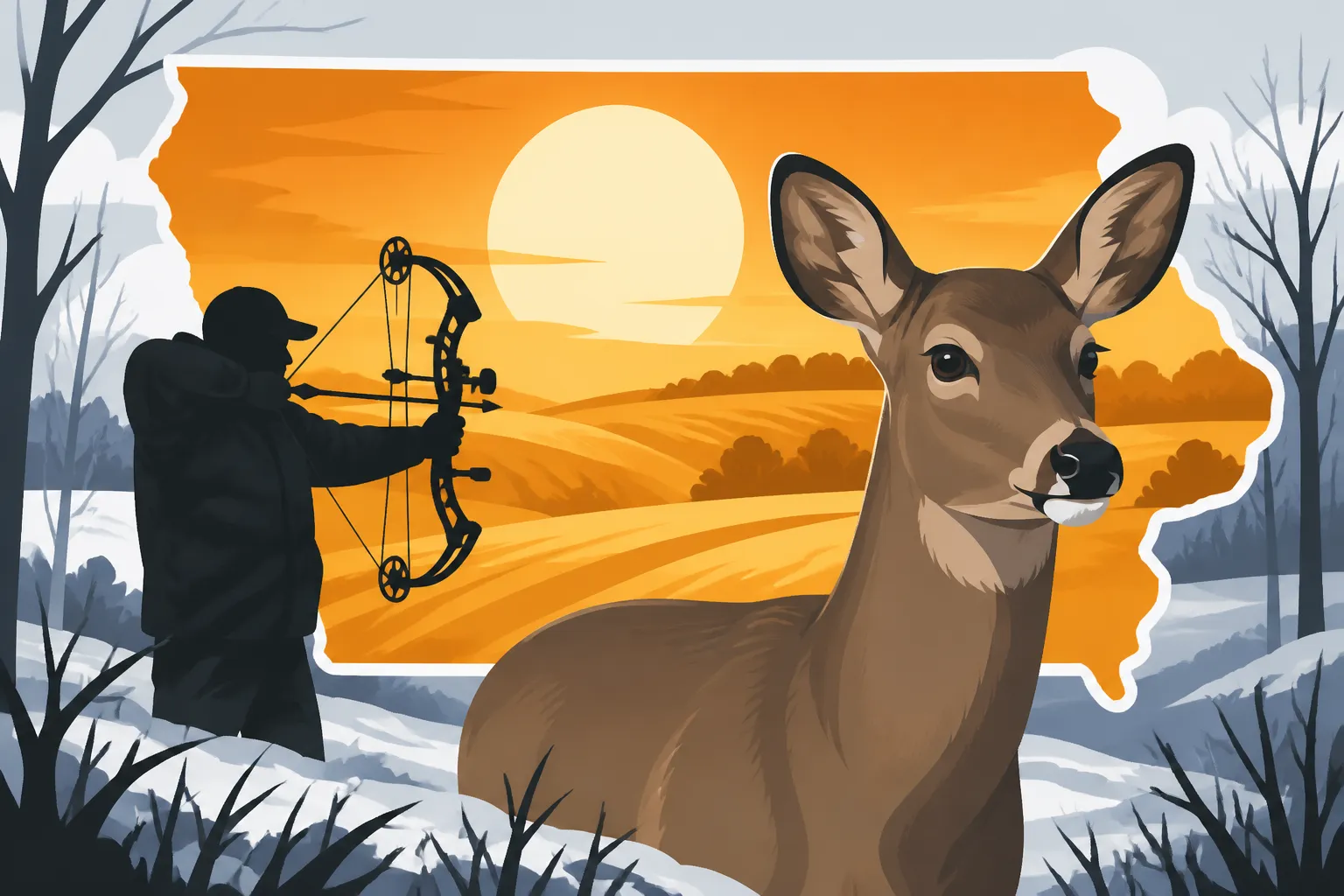
When there's snow on the ground, it's a double-edged sword. It makes tracking incredibly easy, allowing you to follow fresh sign right to bedding areas or feeding zones. However, it also highlights your presence, making silent movement even more critical. Pay close attention to wind direction to avoid having your scent carried far by cold air, and use the terrain to break up your silhouette against the stark, white landscape. Be mindful of how December Cold Front Deer Movement influences their patterns, as drastic temperature drops will drive them to seek sustenance and shelter more aggressively.
Hunting Public vs. Private Land in Late Season
The dynamics of public and private land change significantly in January. On private land, especially properties with managed food plots or unharvested crops, hunting pressure might be lower, and deer patterns can be more predictable. Landowners might welcome hunters for the antlerless season to help with herd management and reduce crop damage. Building relationships with landowners for access during this time can be highly rewarding. If you have private land access, scouting out residual food sources and thermal cover becomes your top priority.
Public land, however, can be a different story. Many public areas, particularly those in southern Iowa with extensive timber, see heavy pressure during the primary gun seasons. By January, much of this pressure may have subsided, offering a more peaceful hunting experience. However, the deer on public land are often more skittish and pushed into the thickest, nastiest cover available. You'll need to work harder to find them, focusing on overlooked pockets of cover, thick river bottoms, or remote corners of the property where others aren't willing to go. Thorough E-Scouting Iowa Farm Country From Home can reveal these hidden gems, identifying pinch points, dense cedar thickets, or unpressured food sources that might still hold deer.
Essential Gear for Cold Weather Hunts
Hunting in Iowa in January means facing down some of the coldest, most unforgiving weather the Midwest can throw at you. Your gear isn't just about comfort; it's about survival and staying effective in conditions that would send most fair-weather hunters packing. Investing in the right clothing, weapon, and accessories will make all the difference between a miserable experience and a successful, enjoyable hunt.
Layering Strategies for Extreme Cold
Staying warm is the absolute paramount concern when hunting the Iowa January Antlerless season. The key to this is a proper layering system. Forget bulky, single-layer coats; you need adaptable insulation. Start with a moisture-wicking base layer – synthetic or merino wool is ideal – to pull sweat away from your skin. Next comes a mid-layer for insulation, like a fleece jacket or a puffy synthetic vest. Your outer layer should be windproof and waterproof, capable of shedding snow and blocking the biting wind. This shell can be uninsulated or lightly insulated, depending on the severity of the cold.
Remember to bring extra layers, especially if you're walking in a long distance. You'll build up heat on the hike, but once you sit still, the cold will set in rapidly. You can shed layers for the walk in and put them back on once you reach your stand. Crucially, don't forget your extremities. A good insulated hat, a neck gaiter or balaclava, and heavy, insulated gloves or mittens (often with a thinner glove liner for dexterity) are non-negotiable. Quality, insulated, waterproof boots are essential, as cold, wet feet will end your hunt faster than anything. Learning about Cold Weather Stand Clothing is vital for enduring those long, frigid sits.
Weapon Choices for January Antlerless
The Iowa January Antlerless season generally permits the use of shotguns, muzzleloaders, pistols, and straight-wall cartridge rifles. Bows and crossbows are usually not permitted during this specific season unless county-specific regulations explicitly allow for it, but always verify the current regulations. Each weapon type has its pros and cons in the winter environment. Shotguns with slugs remain a popular choice, offering reliable performance in close to mid-range encounters often found in dense timber or brush. Straight-wall cartridge rifles, like the .350 Legend or .450 Bushmaster, have gained immense popularity, offering increased range and accuracy over shotguns, which can be advantageous when hunting larger fields or along property lines.
Muzzleloaders are also a viable option, but require extra attention in cold, damp conditions to ensure reliability. Keeping powder dry and primers sealed is critical. Whatever weapon you choose, practice is essential, especially with cold hands and wearing bulky clothing. Ensure your optics are fog-proof, and consider a red dot sight for quick target acquisition in low light or tight cover. Remember, the goal is a clean, ethical harvest, and the January conditions demand peak performance from both hunter and gear.
Staying Mobile and Warm
While patience is key in late-season hunting, being able to stay mobile, even if it's just to walk around and warm up, can be a game-changer. Carrying a lightweight, portable stand or a saddle setup can allow you to quickly adjust to changing deer patterns or move to warmer spots if a cold front hits. However, for many January hunts, especially with the potential for snow, a well-brushed-in ground blind might be more comfortable and offer better protection from the wind. This allows you to bring along a small heater (where permitted) and significantly more warm clothing.
Beyond your primary hunting location, consider carrying a small day pack with essentials like hand warmers (plenty of them!), a thermos of hot coffee or soup, and high-energy snacks. These items don't just provide physical warmth; they offer a psychological boost on a long, cold day. A spare set of gloves and socks is also a smart addition, in case yours get wet. Your ability to stay warm directly correlates to your ability to stay focused and effective in the field, increasing your chances of success during the challenging Iowa January Antlerless Hunts.
Post-Harvest Considerations and Regulations
Harvesting a deer during the January Antlerless season is a testament to your perseverance and skill. But the work isn't over once the shot is fired. Proper post-harvest care, coupled with adherence to Iowa's specific regulations, ensures that your hard-earned venison is high quality and that you remain a responsible hunter. The cold weather actually helps in some ways, but it presents its own unique challenges too.
Field Dressing and Meat Care in Winter
One of the significant advantages of harvesting a deer in January is the natural refrigeration provided by the frigid air. Unlike warm early-season hunts where quick cooling is a race against time, the cold temperatures in January help preserve the meat. However, field dressing is still a critical step. Remove the entrails as soon as possible to allow the body cavity to cool down and prevent bacterial growth. The cold can make this process a bit tougher on your hands, so wear appropriate gloves to protect yourself and maintain dexterity.
Once field dressed, the deer needs to be transported and further cooled. If temperatures are consistently below freezing, hanging the deer whole in a secure, predator-proof location (like a shed or garage) for a few days can significantly improve meat quality through aging. This process, often referred to as "aging venison," can tenderize the meat and enhance its flavor. Be sure to protect the carcass from scavengers. If you plan to take it to a locker plant, call ahead to confirm their availability, as many are still busy from the main gun seasons. For more details on meat handling in colder conditions, checking out resources on "Getting a Deer Cooled in October" (though the focus is October, the principles of quick field dressing and subsequent cooling apply, just with less urgency in January) can be helpful.
Iowa Deer Harvest Reporting Rules
Iowa has strict regulations regarding deer harvest reporting, and the January Antlerless season is no exception. Every deer harvested, regardless of season or tag type, must be reported to the Iowa DNR within 24 hours of being tagged and before the deer is processed for consumption or leaves the state. This is a crucial step for the DNR to accurately monitor harvest numbers and manage deer populations effectively. Failing to report a harvest can result in fines and loss of hunting privileges, so it's not something to overlook.
The reporting process is typically done online through the Iowa DNR's website or via their mobile app. You'll need information from your deer license, the county where the deer was harvested, the date of harvest, and whether it was an antlered or antlerless deer. Make sure you have good cell service or access to Wi-Fi to complete the report in time. It's a quick process, but absolutely mandatory. For more detailed instructions, consult the official guide on Iowa Deer Harvest Reporting Rules.
CWD Sampling and Carcass Transport
Chronic Wasting Disease (CWD) is a serious concern for deer herds across North America, including Iowa. The Iowa DNR actively monitors for CWD, especially in counties where cases have been confirmed or are suspected. During the January Antlerless season, hunters may be required or encouraged to submit lymph node samples from their harvested deer for CWD testing, particularly if hunting in designated surveillance counties. Always check the current regulations to see if mandatory sampling is in effect for your hunting area.
Beyond sampling, Iowa also has regulations regarding the transport of deer carcasses, especially when crossing state lines or moving deer from CWD-positive areas to other parts of the state. Generally, only de-boned meat, hides, and cleaned skull plates/antlers are allowed to be transported out of CWD surveillance zones or across state borders to prevent the spread of the disease. If you are taking your deer to an out-of-state processor, ensure you comply with both Iowa's and the destination state's regulations. Detailed information can be found in the Iowa CWD Sampling and Carcass Rules guide, which is updated annually.
Common Challenges and Troubleshooting
Hunting in January in Iowa is certainly not for the faint of heart. The conditions are tough, the deer are smart, and the opportunities can feel scarce. However, recognizing the common challenges and knowing how to troubleshoot them can turn a potentially frustrating hunt into a successful one. It's all about adaptability and a robust plan.
Dealing with Increased Deer Pressure
By January, the deer herd has been through several months of hunting pressure from archers, shotgun hunters, and muzzleloader enthusiasts. This means the deer, particularly in accessible areas or on public land, are incredibly wary. They've learned to avoid open areas during daylight, move at night, and seek refuge in the thickest, most impenetrable cover imaginable. This can make them incredibly hard to find, let alone get a shot at.
To counter this, you need to think like a pressured deer. Focus your efforts on those overlooked pockets of cover: dense cedar thickets, multiflora rose patches that are a nightmare to walk through, deep creek bottoms, or even small, isolated woodlots surrounded by fields. These are the places where deer feel safe. Consider hunting the transition times, especially the last hour of daylight, when deer are most likely to leave their bedding areas for food. Employ quiet entry and exit routes to avoid bumping deer, and be prepared for long, patient sits. Utilizing stealthy tactics like those for "Access Routes That Avoid Bedding Areas" (while not a direct link, the principle applies) will be critical.
Accessing Frozen or Snow-Covered Terrain
Snow and ice can make accessing your hunting spots incredibly difficult and potentially dangerous. Frozen ground can be noisy, making it hard to sneak in silently. Deep snow saps energy and makes walking a chore, especially if you're pulling a deer cart. Ice can be a significant hazard, particularly on trails, creek crossings, or hilly terrain. Planning your access routes carefully is essential. Consider wearing traction devices on your boots, like microspikes, if icy conditions are prevalent.
When traversing snowy landscapes, try to use existing deer trails or pathways that offer less resistance. If you're on public land, consider how other hunters might have impacted the snow. If you're the first one in after a fresh snowfall, you have the advantage of pristine tracking, but also the burden of breaking trail. Be mindful of frozen water sources, such as ponds or creek beds, which deer might use as travel corridors but can be treacherous for hunters. Your primary concern should always be personal safety, so don't take unnecessary risks just to get to a stand.
Adapting to Changing Weather Patterns
Iowa weather in January is notoriously fickle. One day it might be mild with melting snow, and the next, a brutal cold front sweeps in with sub-zero temperatures and howling winds. Deer behavior is highly responsive to these changes. A sudden drop in temperature will often stimulate feeding activity, making deer more active during daylight. A heavy snowstorm might keep them bedded down for an extended period, only to emerge ravenously once the storm breaks.
Staying flexible and adapting your plan is key. Pay close attention to the forecast, not just the temperature, but also wind chill, snow accumulation, and barometric pressure changes. If a cold front is moving in, plan to hunt immediately before or during the initial phase of the drop. If a major snowstorm is forecasted, you might want to adjust your schedule to hunt the day after it breaks, when deer are often desperate for food. This constant monitoring and adaptation will give you a significant edge over hunters who stick to a rigid plan, regardless of what Mother Nature throws at them.
Maximizing Your Iowa January Hunt
The Iowa January Antlerless season is a fantastic opportunity, but it requires dedication and smart planning. Beyond just showing up, there are specific strategies and considerations that can significantly increase your odds of success, from detailed scouting to leveraging the unique social dynamics of deer in winter. Make the most of this bonus season by being prepared and purposeful.
Scouting and E-Scouting for Late Season
Scouting is always important, but for the January Antlerless season, it takes on a whole new level of importance. With foliage gone and snow on the ground, the landscape reveals its secrets. Old rubs and scrapes might be visible, but your focus should shift to fresh tracks, heavily used trails, and most importantly, concentrated feeding and bedding areas. Look for tracks leading directly to standing corn, soybean stubble, or winter food plots. Pay attention to how deer are accessing these areas, as well as where they are bedding for thermal protection.
E-scouting is an invaluable tool for this. Using mapping apps like the Iowa DNR's hunting atlas or commercial tools such as GoHunt or onX Hunt, you can analyze aerial imagery from the comfort of your home. Look for unharvested fields, dense thermal cover (like cedar thickets or thick river bottom brush), and natural travel corridors that connect these areas. Identify potential pinch points or funnels that deer would naturally use to minimize travel distance in the cold. Mark these spots on your map, then confirm them with boots on the ground, especially after a fresh snow, which will reveal current deer movement patterns.
Party Hunting and Safety Considerations
Iowa's party hunting rules can be a distinct advantage during the January Antlerless season. These rules generally allow members of a hunting party to fill each other's tags, provided all members of the party have valid licenses for the same season and weapon type, and are actively hunting together. This can be especially useful for the January Antlerless season, where the primary goal is often population management and meat acquisition rather than a specific trophy. It means if one person shoots a deer, another member of the party can tag it if they haven't filled their own antlerless tag. This can increase your overall chances of success as a group.
However, party hunting comes with significant safety responsibilities. Communication is absolutely critical. Everyone in the group needs to know where others are at all times, especially if conducting small drives or pushing thick cover. Wearing blaze orange, even when not legally required for your specific weapon (it often is for shotgun/muzzleloader seasons, but double check), is a smart safety measure, especially in open fields or dense brush where visibility might be poor. Reviewing Iowa Party Hunting Rules and agreeing on safety protocols before you head into the field is essential to ensure everyone has a safe and successful hunt.
The Role of the January Season in Overall Deer Management
Participating in the Iowa January Antlerless season isn't just about personal success; it's a direct contribution to the overall health and balance of Iowa's deer herd. By helping to reduce antlerless deer numbers, you're playing a vital role in preventing overpopulation, which can lead to habitat degradation, increased disease transmission (like CWD), and conflicts with human interests such as agricultural damage and vehicle collisions. This season is strategically placed to address these issues after the primary hunting pressure has subsided, allowing for targeted management in specific areas.
For the hunter, it also provides a unique challenge and a deeper appreciation for the intricacies of deer behavior in their toughest season. It cultivates resilience, patience, and a sharpened understanding of the deer's drive for survival. Embracing this season means you're a dedicated steward of Iowa's natural resources, going above and beyond to ensure a healthy, thriving deer population for years to come. It truly rounds out the hunting calendar, offering a final, impactful opportunity to engage with the wild Iowa landscape.
Disclaimer
Please remember that hunting regulations, season dates, and tag availability can change annually. Always consult the most current Iowa Department of Natural Resources (DNR) hunting regulations and official website before planning any hunt. This guide is for informational purposes only and should not replace official state regulations. It is the hunter's responsibility to know and follow all applicable laws.