Depredation Permits for Iowa Farmers
It’s a tale as old as agriculture itself in Iowa: the deer are absolutely beautiful creatures, a true symbol of our wild spaces, but when they decide your carefully cultivated corn or soybean fields are their personal buffet, the beauty quickly fades into frustration. For many Iowa farmers, deer damage isn't just a minor inconvenience; it's a significant economic hit that can impact livelihoods and crop yields. This guide aims to shed light on a specific tool available to landowners facing these challenges: the Iowa depredation permit, explaining what it is, how it works, and how it can offer some much-needed relief.
The Challenge of Deer Damage for Iowa Farmers
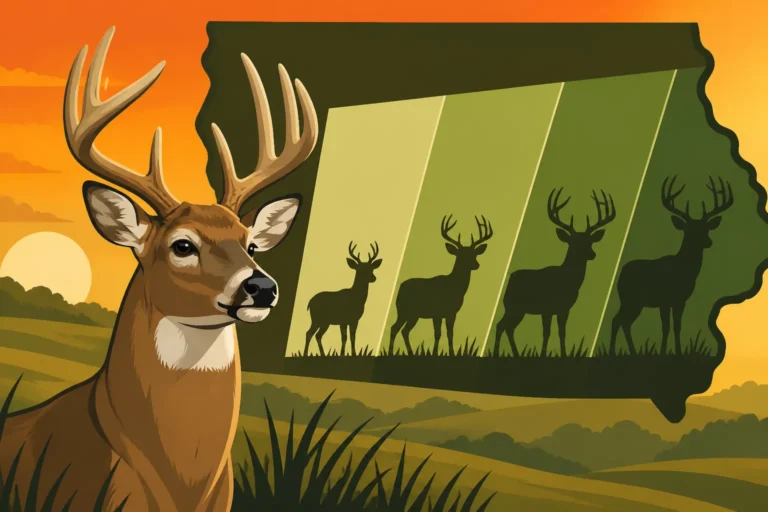
Iowa's landscape is a mosaic of rich farmland and interspersed timber, creating prime habitat for whitetail deer. While this is fantastic news for hunters pursuing a trophy buck or filling the freezer, it presents a constant battle for farmers whose crops become irresistible forage. It’s a delicate balance, and often, the scales tip heavily against the farmer, leading to substantial losses year after year.
Understanding the Impact of Overabundant Deer
When you’ve put in countless hours, invested heavily in seed, fertilizer, and fuel, and battled unpredictable weather, only to see entire rows of corn browsed down to nubs or young bean plants defoliated by deer, it stings. These aren't just cosmetic issues; they directly translate to reduced yields come harvest time. The economic impact can be staggering, especially in areas with high deer densities. Imagine an acre of corn that typically produces 200 bushels, suddenly yielding 150 because of persistent deer browse. Multiply that by dozens or hundreds of acres, and you're talking about real money out of a farmer's pocket. It's not just row crops either; specialty crops, orchards, and even hayfields can suffer. Deer can also be a significant factor in vehicle collisions, especially during peak movement times like the rut, adding another layer of concern for rural residents.
When Traditional Hunting Seasons Aren't Enough
Iowa boasts incredible deer hunting seasons, drawing hunters from all over the country eager to experience Iowa Whitetail Hunting Tactics Through the Rut or participate in Iowa Shotgun Season Tactics for Party Hunting. Many landowners are generous with allowing hunters access, hoping to alleviate some of the deer pressure naturally. However, sometimes even a robust hunting season isn't enough to control a localized population that is causing specific, severe crop damage. Deer are smart, adaptable creatures, and they can quickly learn to avoid pressure, retreating to thick cover or neighboring properties during hunting hours, only to return to the fields once the orange vests have gone home. When hunting effort simply isn't making a dent in the damage, farmers need additional avenues to protect their investments.
What Are Iowa Depredation Permits?
This is where depredation permits come into play. They are a specific tool, separate from regular hunting tags, designed to address severe agricultural damage caused by wildlife, primarily deer. They acknowledge that while deer are a valuable natural resource, their numbers can sometimes get out of balance with human interests, particularly agriculture.
The Purpose Behind Depredation Permits
Depredation permits are essentially a targeted management strategy. Their primary purpose isn't sport hunting, but rather to mitigate actual, documented damage to agricultural crops, stored feed, or property. They provide farmers with a legal means to remove problem deer outside of, or in addition to, the regular hunting seasons and bag limits. Think of it as an emergency measure for when other methods, including regular hunting, have proven insufficient. The goal is to bring the localized deer population down to a level where the damage is reduced to an acceptable economic threshold for the farmer, helping to protect their livelihood. This isn't about eradicating deer, but about managing specific problem areas.
Who is Eligible for a Depredation Permit
Eligibility for depredation permits isn't automatic; it’s reserved for landowners or tenants who are actively experiencing significant damage. Generally, this means you need to be a farmer, actively engaged in agricultural production, and able to demonstrate that deer are causing substantial harm to your crops. It's not for the casual gardener upset about a few hostas being nibbled, but for those facing real economic hardship.
To even be considered, you'll need to contact your local Iowa Department of Natural Resources (DNR) wildlife biologist or conservation officer. They are the ones who assess the situation. They’ll want to see evidence of the damage, understand the scope of the problem, and discuss what other methods you've already tried, like allowing additional hunting access during regular seasons, or even non-lethal deterrents if applicable. This isn't just a phone call and a permit arrives in the mail; it's a process of assessment and collaboration with wildlife managers to find a solution. It's worth noting that these permits are issued at the discretion of the DNR, based on their evaluation of the damage and local deer population dynamics, including factors like Iowa Deer Herd Management and Harvest.
The Application Process for Depredation Permits
Applying for a depredation permit isn't like buying an Iowa Resident Deer Licence online. It requires direct communication and an on-site visit. The DNR wants to ensure these permits are used judiciously and only when truly necessary.
Initial Steps and Contacting the DNR
The very first step is to recognize you have a significant problem and reach out. Don't wait until harvest is completely ruined. As soon as you see persistent, escalating damage that regular hunting isn't solving, contact your local Iowa DNR field office or county conservation board. Explain your situation clearly and calmly. They will connect you with the appropriate wildlife biologist or conservation officer for your area.
When you contact them, be prepared to describe the type of crop affected, the estimated percentage of damage, and how long this has been an issue. Have a general idea of the deer numbers you're seeing and what kind of hunting pressure your land typically receives. This initial conversation is crucial for them to understand the severity of your particular case. They might ask about previous years’ damage or what you've done to try and mitigate it already. Organizations like GoHunt often advocate for proper management and communication, reminding landowners to be proactive.
Assessment and Permit Issuance
Once you've made contact, the next phase is the on-site assessment. A DNR professional will come out to your farm to personally observe the damage. This visit is critical. They will walk your fields, look at the browsed plants, assess the amount of deer sign, and get a first-hand understanding of the situation. This isn’t a quick drive-by; they will take the time to evaluate the extent of the problem thoroughly.
They might ask about your property boundaries and neighboring land use to understand deer movement patterns. Based on their assessment, they will determine if a depredation permit is warranted. If approved, the permit will specify conditions such as:
- Number of deer: How many deer can be harvested under the permit.
- Sex of deer: Often antlerless deer are targeted, but sometimes bucks are included.
- Timeframe: The specific dates during which the permit is valid.
- Method of take: Which weapons are allowed (e.g., shotgun, rifle, bow).
- Reporting requirements: How and when to report harvested deer.
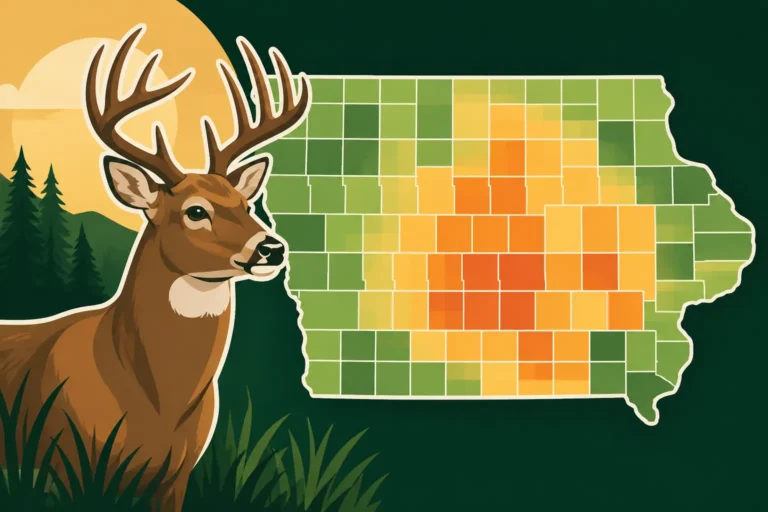
It's a tailored solution, not a one-size-fits-all approach. The DNR aims to provide relief while still managing the broader deer population responsibly, considering factors like Deer Density by Iowa County.
Rules, Regulations, and Best Practices for Using Depredation Permits
Receiving a depredation permit isn't a free-for-all. There are strict rules and regulations that must be followed to ensure the integrity of the wildlife management process and to maintain public trust. Abusing a depredation permit could lead to serious consequences.
Specific Conditions and Reporting Requirements
Each depredation permit comes with explicit conditions you must adhere to. These are not suggestions; they are legal requirements. For instance, if your permit specifies "antlerless deer only" and you shoot an antlered buck, you are in violation. If it states "between July 1st and August 31st," you cannot shoot deer in June or September. The method of take is also specific; if it says "shotgun only," you cannot use a rifle or bow.
A critical component of depredation permits is the reporting requirement. You will almost certainly need to report every deer taken under the permit to the DNR, often within a very short timeframe. This data is vital for wildlife biologists to track the effectiveness of the permits and to monitor local deer populations. Failure to report can invalidate your permit or lead to penalties. Keep meticulous records. It's also important to understand Iowa Deer Tagging Requirements and how they might apply or differ under a depredation permit.
Here’s a simplified look at potential conditions you might see on a depredation permit:
| Condition Category | Example Specification | Rationale |
|---|---|---|
| Number of Deer | Up to 10 antlerless deer | Targeted reduction to address specific damage. |
| Sex of Deer | Antlerless only (does and fawns) | Focus on reproductive segment to control population growth. |
| Timeframe | July 15 – September 15 | Outside of regular seasons, before peak crop maturity. |
| Method of Take | Any legal firearm or archery equipment | Flexibility for landowner, within safety guidelines. |
| Reporting | Report each deer within 24 hours to local DNR | Essential for tracking impact and managing herd data. |
| Carcass Disposal | Carcasses must be properly disposed of or utilized | Prevents waste and ensures ethical take. |
| Who May Shoot | Permittee and up to two designated individuals | Allows for assistance while maintaining control. |
| Location | Within 1/4 mile of documented damage area | Ensures efforts are directly related to the problem. |
Please note: This table is illustrative. Actual permit conditions vary widely based on the specific circumstances and DNR assessment.
Ethical Considerations and Herd Management
While depredation permits address an economic problem, they also carry significant ethical responsibilities. The animals taken under these permits are still a public resource, and respectful, humane harvest is paramount. Farmers and those assisting them must ensure clean, quick kills. This is not about indiscriminately reducing deer numbers, but about targeted management.
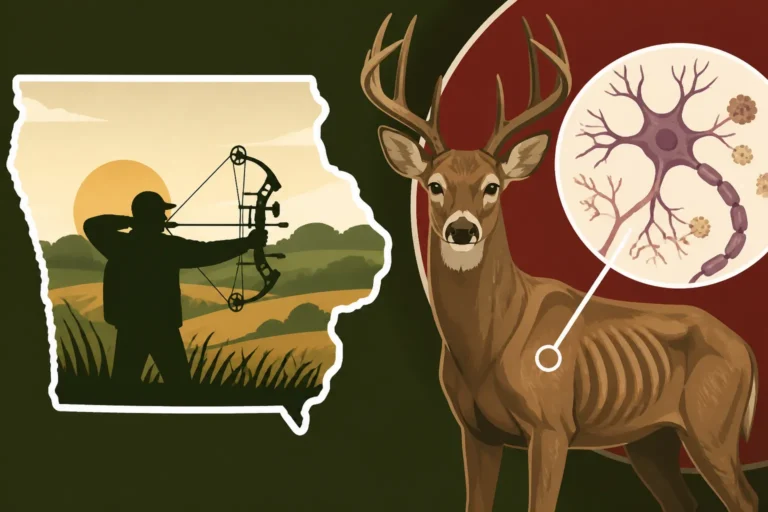
From a broader herd management perspective, depredation permits are a last resort. The DNR prefers that deer populations are managed through regulated hunting seasons as much as possible, as this also provides recreational opportunities and generates revenue for conservation. When considering a depredation permit, remember that it's part of a larger picture of Iowa Deer Herd Management and Harvest. It's a tool to restore balance in a specific area, not a blanket solution for all deer management. Properly utilized, depredation permits can help maintain healthy deer populations overall by preventing localized overpopulation and potential disease outbreaks like Chronic Wasting Disease in Iowa Deer.
Alternative Solutions and Long-Term Strategies
Before resorting to depredation permits, or even alongside them, it’s always wise to consider other strategies for mitigating deer damage. While they might not be perfect, they can sometimes reduce the severity of the problem.
For example, sometimes simply increasing hunting pressure during regular seasons can make a difference. Allowing more hunters on your land, or even seeking out dedicated bowhunters for the Iowa Archery Deer Season Segments, might encourage deer to move off your property. Communicating with hunters who use platforms like GoHunt for planning can help coordinate efforts.
Non-lethal deterrents, such as fences, repellents, or even scare tactics, can work in some situations, particularly for smaller, high-value plots. However, for large-scale row crop operations, these are often impractical or cost-prohibitive. Some farmers have found success with planting less attractive crops on field edges as a buffer, or even creating small, unharvested food plots away from valuable crops to draw deer elsewhere. Iowa Deer Crop Damage is a multifaceted issue, and a combination of strategies often yields the best results.
Long-term strategies might involve habitat modifications if feasible, though this is often limited in intensely farmed areas. However, for areas with adjacent timber or CRP, understanding Cedar and Locust Thickets as Bedding Cover or CRP Grass and Where Bucks Bed can help inform deer movement and pressure points. The DNR is always a valuable resource for discussing these options.
Remember, depredation permits are a tool to be used thoughtfully and responsibly. They are there to help Iowa's farmers protect their livelihoods when deer become an agricultural pest, ensuring that both our agricultural bounty and our wildlife resources can thrive.
Disclaimer
This article is for general informational purposes only and does not constitute professional advice. Laws, prices and regulations vary by location and change over time. Consult a qualified professional for guidance on your specific situation.