Effigy Mounds and Hunting Boundaries
It can be incredibly confusing and even a bit intimidating when you’re trying to find a good hunting spot, especially when you know there are sensitive areas like national monuments nearby. No one wants to accidentally trespass or, worse, disturb a protected cultural site while pursuing game. This guide is here to walk you through understanding hunting boundaries specifically around places like Effigy Mounds National Monument in Iowa, ensuring you can enjoy your hunt responsibly and legally.
Understanding Effigy Mounds National Monument and Its Purpose
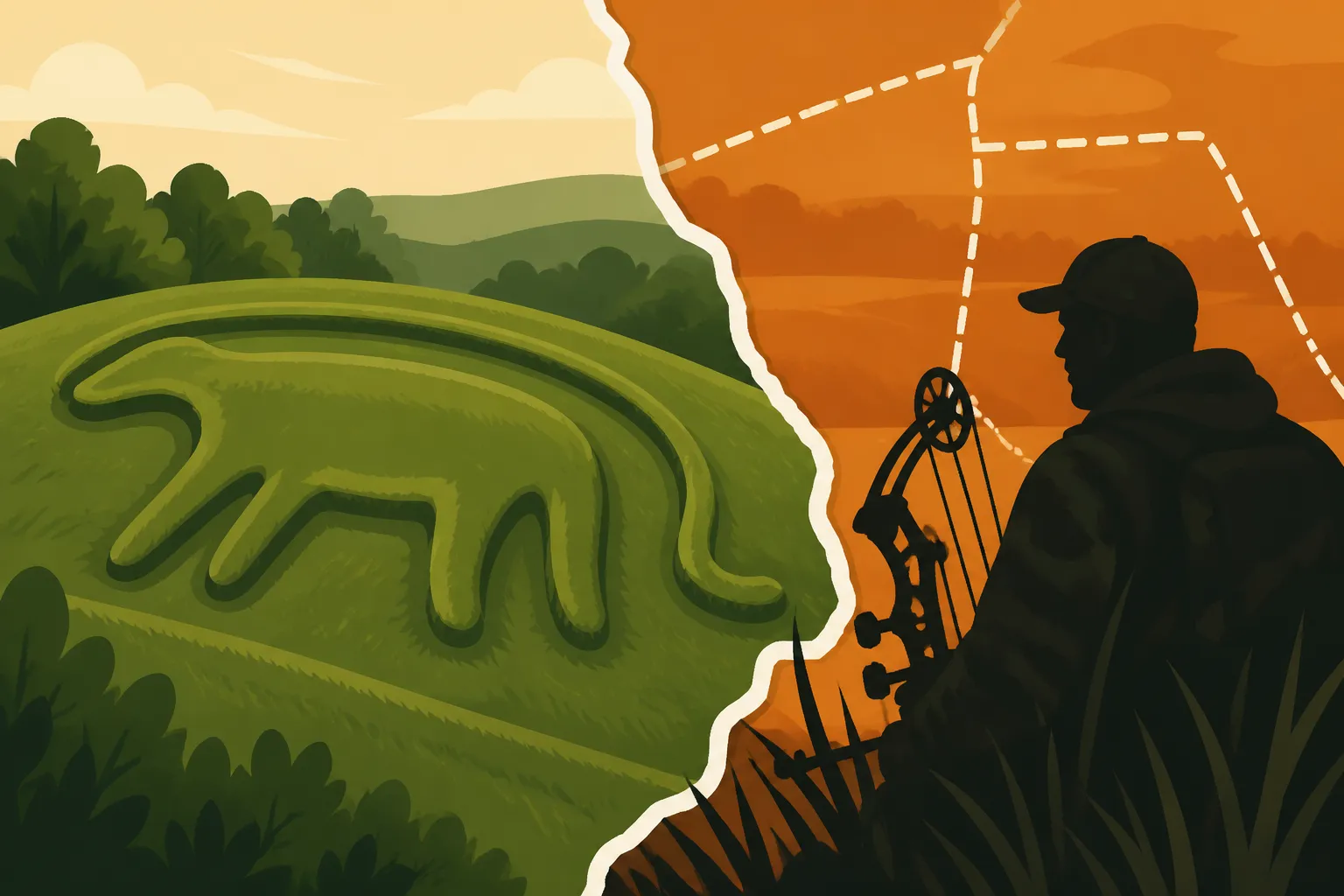
Before we dive into the specifics of hunting boundaries, it’s crucial to grasp what Effigy Mounds National Monument is all about. This isn't just another parcel of public land; it's a sacred and historically significant site, preserving more than 200 prehistoric mounds built by Native American cultures. These aren't simply dirt piles; many are shaped like birds and bears, created centuries ago for spiritual and ceremonial purposes. It’s a truly special place that holds immense cultural value.
What Makes Effigy Mounds Unique
Unlike a state forest or a typical wildlife management area, Effigy Mounds National Monument falls under the jurisdiction of the National Park Service. This designation means it’s primarily managed for preservation, education, and public interpretation of its historical and natural resources, rather than for recreation like hunting. The primary goal is to protect these ancient earthworks and the landscape around them for future generations.
Because of this unique status, hunting is strictly prohibited within the boundaries of the monument itself. This isn't just about federal regulations; it’s about respecting the integrity of the cultural site and ensuring the safety of visitors who come to explore the mounds and trails. You might be accustomed to hunting in certain public areas, but federal lands managed by the National Park Service have very different rules. It’s a common misconception that all federal land is open to hunting, and sites like Effigy Mounds are a clear exception to that general thought process.
Why Hunting is Not Permitted Within the Monument
The reasons hunting is not allowed inside Effigy Mounds National Monument are multifaceted. First and foremost, it’s a matter of visitor safety. The monument sees a significant number of hikers, tourists, and school groups throughout the year. Introducing hunting activities, especially during popular seasons, would create an unacceptable risk. Imagine a family enjoying a peaceful walk near a bear mound, only to encounter hunters; it just doesn’t mix.
Secondly, the mandate of the National Park Service focuses on preservation. This extends not only to the mounds themselves but also to the natural ecosystem as it supports the historical context. While deer and other wildlife are part of that ecosystem, managing their populations through hunting within the monument would run contrary to its established management plan for a visitor-friendly and undisturbed historical site. Their management approach is geared towards natural processes and maintaining the integrity of the site's history and environment for educational purposes.
Delineating Hunting Boundaries Near Protected Areas
The real challenge for hunters often comes when an area like Effigy Mounds National Monument is surrounded by other public lands or private properties that are open to hunting. This creates a patchwork of rules and boundaries that can be incredibly difficult to navigate without the right tools and a solid understanding of local regulations. The last thing any hunter wants is to inadvertently cross a boundary into a no-go zone.
Utilizing Mapping Tools to Identify Boundaries
In today’s age, modern mapping applications are your absolute best friend for this. Gone are the days of relying solely on paper maps and hoping your compass is perfectly calibrated. Apps like onX Hunt have revolutionized how we understand land ownership and boundaries. With these tools, you can pull up satellite imagery overlaid with property lines, public land boundaries, and even features like trails and topographic contours. You can clearly see the exact perimeter of Effigy Mounds National Monument, allowing you to plan your approach and stand locations with confidence, knowing you won't step a foot over the line. Many of these apps also show landowner names on private parcels, which can be invaluable if you're trying to gain permission for access to hunt adjacent land.
It's not just about knowing where the monument is; it's about knowing where the huntable land begins. You can zoom in and identify specific fence lines, drainage ditches, or changes in vegetation that denote a boundary. This level of detail is critical when you’re Reading an Iowa Public Land Boundary in an area that borders such a sensitive site.
Understanding Land Status and Regulations
It’s important to remember that land immediately surrounding a national monument could be anything from state-owned wildlife areas, county conservation lands, or private farmsteads. Each of these categories comes with its own set of rules and regulations. For instance, a nearby Iowa Department of Natural Resources (DNR) managed area might have different hunting seasons, weapon restrictions, or even special draw opportunities compared to a privately owned timber block.
You'll want to consult the Iowa DNR’s hunting regulations booklet, which is available online, to clarify specific rules for various public land types. Some county conservation boards also have their own specific bylaws regarding hunting, which might differ slightly from state regulations, particularly concerning things like temporary stands or vehicle access. Iowa County Conservation Board Hunting Rules can vary quite a bit, so always check with the specific county if you're venturing onto their ground. Don't assume that because it's public land, it's all managed the same way.
When using mapping tools like onX Hunt or doing research on GoHunt, pay close attention to the layers that denote land ownership. A piece of land adjacent to the monument might appear to be good hunting cover, but if it's not marked as accessible public ground or you don't have landowner permission, it's off-limits.
Rules and Regulations for Hunting Adjacent to Non-Hunting Zones
Navigating the rules when hunting near a place like Effigy Mounds isn't just about avoiding trespass; it's also about understanding how your hunting activities might affect or be perceived by those utilizing the non-hunting area. There are often specific legal and ethical considerations to keep in mind.
Iowa DNR Guidelines and Buffer Zones
While there isn't a universally mandated "buffer zone" around federal monuments for hunting purposes in Iowa (the monument boundary itself is the hard line), hunters should always be aware of shot projection and noise. If you're hunting with a firearm, knowing your effective range and backstop is paramount. You certainly don't want a stray slug or arrow to end up on monument property, even if you are legally hunting on adjacent land.
The Iowa DNR generally emphasizes responsible hunting practices, which include being aware of your surroundings, identifying your target and what is beyond it. When close to a public area like Effigy Mounds, this responsibility is amplified. It's not just about staying legal, but about being a good ambassador for hunting. Imagine if a monument visitor heard gunshots too close for comfort; it could easily lead to complaints and increased scrutiny on hunting access in surrounding areas. Always consider the perception and potential impact of your actions.
| Consideration | Permitted (Adjacent Public/Private Land) | Prohibited (Within Monument Boundaries) |
|---|---|---|
| Hunting Deer | Yes, with proper license/permission | No |
| Carrying Weapons | Yes, if legal for season | No (check specific NPS rules) |
| Scouting/Trail Cameras | Yes, on legal ground | No |
| Discharging Firearms | Yes, if legal and safe | No |
| Trapping | Yes, with proper license/permission | No |
| Accessing by Vehicle | As per public land rules or permission | No (designated parking only) |
Ethical Considerations and Public Perception
Beyond the strict letter of the law, there's the spirit of ethical hunting. When you're hunting near a place that holds such deep cultural significance and is visited by many non-hunters, your actions reflect on the entire hunting community. This means being extra diligent about things like ensuring your vehicle isn't blocking access to monument trails, being discreet when field dressing an animal, and generally being respectful of other land users.
Think about how your presence might be perceived. Wearing full camo while walking along a public road that borders the monument might not be illegal, but it could make visitors uncomfortable if they associate it with active hunting right next door. Common sense and courtesy go a long way. This is particularly true if you are hunting adjacent private land that has visual lines of sight into the monument. Being mindful ensures a positive image for all hunters.
Practical Tips for Respectful Hunting Around Sensitive Sites
Hunting successfully near sensitive areas like Effigy Mounds National Monument requires a bit more planning and a heightened sense of awareness. It's not just about finding game; it's about doing so without causing issues for the monument, its visitors, or the surrounding community.
Pre-Season Scouting and Map Study
Your homework starts long before opening day. Get to know the area intimately. This means not just identifying potential deer sign but also walking the perimeter of the monument where it borders huntable land. Pay attention to natural barriers, changes in topography, and any posted signage. Using an app like onX Hunt allows you to drop waypoints on boundaries, so when you’re out in the field, you can easily verify your location with GPS.
Beyond the immediate boundaries, scout for access points that don't cut through high-traffic areas or monument parking lots. Finding Access Routes That Do Not Bump Deer is important, but equally important here is finding routes that don't disturb hikers or monument visitors. Look for public road access or specific easements if you've gained private land permission.
Communication with Landowners and Authorities
If you're hunting on private land adjacent to Effigy Mounds, maintaining clear communication with the landowner is crucial. They might have specific concerns or requests about hunting near their property line, especially if it borders a federal monument. They might even have a better understanding of historical boundary markers or local nuances. Always ensure you have Iowa Landowner Permission Basics squared away and, ideally, a written agreement.
While you don't need to inform the National Park Service that you're hunting outside their boundaries, if you have any doubts or questions about specific markers or regulations in the immediate vicinity, don't hesitate to reach out to the Iowa DNR or even the monument's visitor center for clarification on non-hunting areas. It’s always better to ask than to assume and risk a violation.
Minimizing Your Impact and Leaving No Trace
Responsible hunting extends to how you leave the area. This is especially true when operating near a culturally significant site. Pack out everything you pack in, and then some. This includes all your trash, spent casings, and any flagging tape you used. If you're field dressing an animal, do so discreetly and away from trails or public view. Properly disposing of gut piles, ideally by moving them deeper into the woods or burying them, helps maintain a clean appearance and prevents attracting unwanted scavengers to publicly visible areas.
Remember, the goal is to be invisible to those who aren't looking for you, and to leave no trace that you were even there. This includes being mindful of where you park and how your presence might be interpreted. Being considerate ensures that hunting remains a respected activity in areas that share borders with culturally important landmarks. After all, we all want to ensure we have places to hunt for years to come, and responsible stewardship is key. Leaving No Trace on Iowa Walk-In Ground is a principle that applies universally, but especially in these sensitive environments.
Disclaimer
This article is for general informational purposes only and does not constitute professional advice. Laws, prices and regulations vary by location and change over time. Consult a qualified professional for guidance on your specific situation.