Which Iowa Counties Have Waterfowl Production Areas
Hunting Iowa can feel like a maze, especially when you're trying to pin down those prime public land spots for waterfowl. It's not always as straightforward as just looking for "state land," because there are federal areas managed differently that offer incredible opportunities if you just know where to look. This guide is all about shining a light on Iowa's Waterfowl Production Areas (WPAs), helping you understand where they are, what makes them special, and how you can best utilize them for a successful hunt.
Understanding Waterfowl Production Areas (WPAs) in Iowa
Many hunters, myself included, have spent countless hours poring over maps, trying to decipher which patch of public ground offers the best shot at ducks or geese. While Iowa has a fantastic network of state-managed Wildlife Management Areas (WMAs), there's a whole other category of federal land that often flies under the radar for those not specifically targeting waterfowl: the Waterfowl Production Areas, or WPAs. These aren't just puddles; they're vital pieces of the continental waterfowl puzzle.
What Exactly Are WPAs?
Unlike state wildlife areas managed by the Iowa Department of Natural Resources (DNR), Waterfowl Production Areas are part of the National Wildlife Refuge System and are managed by the U.S. Fish & Wildlife Service (USFWS). Their primary mission, as the name suggests, is to provide critical breeding, resting, and feeding habitat for migratory waterfowl. Think of them as smaller, scattered jewels of wetlands and grasslands specifically designed to keep our duck and goose populations thriving.
These areas are often a mosaic of shallow marshes, restored prairie potholes, and sometimes even small blocks of upland habitat. They aren't always massive tracts, but rather numerous smaller parcels peppered across the landscape, which can sometimes make them harder to identify without the right tools. Because they're federally managed, the regulations can sometimes differ slightly from state land, so it's always crucial to double-check the specific rules for any WPA you plan to visit. It's a small extra step, but knowing you're on federal ground helps you anticipate potential differences in permissible activities or equipment.
The Habitat They Offer
The habitat on a WPA is intentionally diverse, reflecting the needs of waterfowl throughout their life cycle. You'll primarily find a mix of temporary, seasonal, and semi-permanent wetlands. These potholes and marshes are usually shallow, rich in aquatic vegetation, and perfect for dabbling ducks like mallards, teal, and wood ducks. Beyond the water, WPAs typically feature expansive areas of native prairie grasses, which are absolutely vital for nesting hens. This upland cover provides a safe haven for ducks to lay their eggs and raise their broods, away from many predators.
Some WPAs might also include small patches of food plots or agricultural fields, managed to provide additional forage for migrating birds. This blend of wet and dry habitat isn't just for ducks, though. These grasslands and wetlands often support a rich variety of other wildlife, including pheasants, quail, deer, and many non-game species. So, while their name highlights waterfowl, don't be surprised to jump a rooster or see deer sign when you're scouting. Understanding this habitat diversity is key to recognizing their potential for multiple hunting opportunities, beyond just ducks on the water.
Why They're Important for Hunters
For the dedicated waterfowl hunter, WPAs are an absolute godsend. In a state dominated by agriculture, these conserved wetlands offer precious oases for ducks and geese, and by extension, for us hunters. They provide accessible public hunting opportunities that might otherwise be locked away on private land. You can often find birds staging or feeding in these smaller, less pressured areas, especially during the migration. Many hunters mistakenly assume that all the good hunting is on the big rivers or major reservoirs, overlooking these smaller, often equally productive spots.
Beyond waterfowl, the upland habitat on WPAs makes them excellent places to pursue ring-necked pheasants and bobwhite quail. That tall, dense grass that's perfect for a duck nest is also prime cover for pheasants, especially in late season when other cover has been knocked down. You might even find deer using the timbered edges or tall grass for bedding cover, presenting an unexpected opportunity, especially during archery season. These areas are truly multi-purpose, providing a diverse hunting experience on readily accessible public land. They represent a significant portion of the public hunting options in Iowa’s northern half.
Navigating Iowa's WPA Map: Which Counties Hold Them?
When it comes to WPAs in Iowa, it's not a statewide free-for-all. These areas are concentrated in a specific region, a geographical sweet spot known as the "Prairie Pothole Region." This historic landscape of glacially formed wetlands and grasslands stretches across several states, and Iowa's northern tier is a key part of it. If you're looking for WPAs, you'll want to focus your map research on these specific areas.
The Northern Iowa Concentration
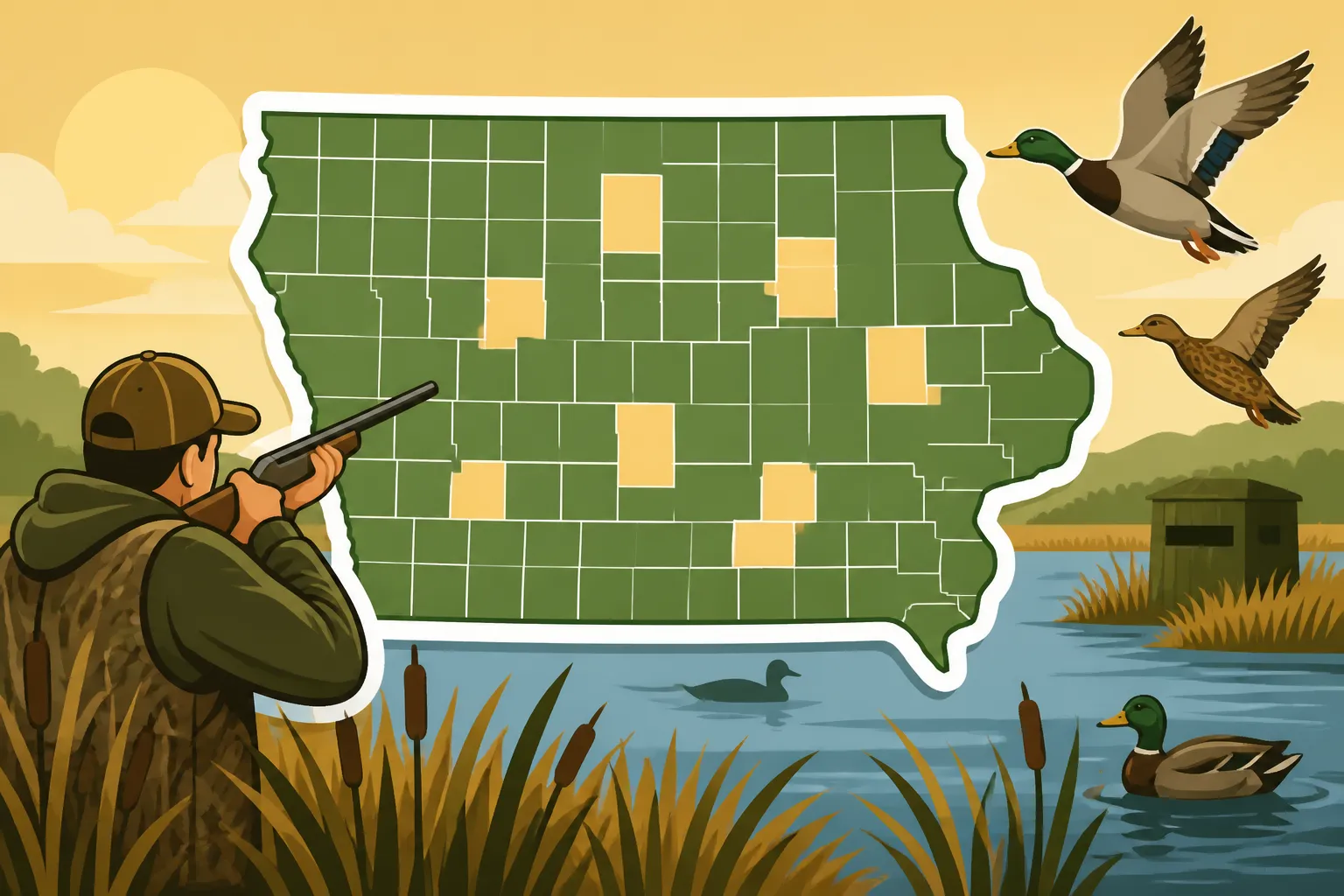
The vast majority of Iowa's Waterfowl Production Areas are found in the northern half of the state, roughly north of Highway 20. This region, often called the "Prairie Pothole Region," was historically dotted with thousands of small wetlands, ideal for breeding and migrating waterfowl. While much of this land has been converted to agriculture, the USFWS, often in partnership with Ducks Unlimited and other conservation groups, has worked to acquire and restore many of these critical wetland complexes.
You'll find the highest concentration of WPAs in counties like:
- Northwest Iowa: Dickinson, Clay, Emmet, Palo Alto, Kossuth, O'Brien
- North Central Iowa: Winnebago, Worth, Hancock, Cerro Gordo, Wright, Franklin, Butler
- Central/East Central Iowa: Bremer, Black Hawk, Hardin, Grundy, Story, Boone, Hamilton, Webster
These counties are where you'll want to start your search, as they often contain numerous smaller WPA tracts. It's not uncommon to find several WPAs within a few miles of each other, offering a network of hunting options. The sheer number of potential locations can be a little overwhelming at first glance, but with the right mapping tools, you can quickly identify these prime spots. When it comes to finding Iowa Waterfowl Production Areas, these northern strongholds are your best bet.
Lesser-Known Pockets and Scattered Areas
While the northern prairie pothole region is definitely WPA central, it's not impossible to find a scattered WPA or two outside of this primary concentration. Sometimes, smaller, isolated wetlands or grasslands in other parts of the state have been acquired and designated as WPAs due to their unique ecological value for migratory birds. However, these are generally much less common and often smaller in acreage compared to their northern counterparts.
If you venture further south or east, you might encounter a WMA that feels like a WPA, but it's typically state-managed. It's important to differentiate between the two, not just for management reasons, but because federal regulations can have their own nuances regarding things like non-toxic shot or vehicle access. Always assume you need to use non-toxic shot on any land where waterfowl may be present unless explicitly stated otherwise for that specific area. While these scattered pockets exist, if your primary goal is to hunt WPAs, focusing on the northern counties will yield the most results and opportunities.
Using Digital Tools to Find WPAs
In today's hunting world, digital mapping tools are an absolute game-changer, especially when you're trying to locate and understand public land like WPAs. Gone are the days of sifting through paper maps and hoping for the best. Platforms like onX Hunt and GoHunt have revolutionized how we scout and navigate.
When you're looking for WPAs, these apps become indispensable. They allow you to layer different property types, clearly showing federal lands, state lands, and private parcels. You can zoom in and see the exact boundaries of each WPA, often distinguishing it from surrounding private property or even state-managed land. This level of detail is critical. For instance, you might see a large wetland, and the app will clarify if it's a WPA, a state WMA, or perhaps a segment of a larger National Wildlife Refuge. This clear visual distinction prevents accidental trespassing and ensures you're hunting legally.
Beyond just identifying the land type, these apps offer satellite imagery that lets you "e-scout" from home. You can identify potential access points, see the layout of wetlands, distinguish between open water and emergent vegetation, and even spot old field roads or trails. Looking at the topography and potential cover allows you to formulate a game plan before you even step foot on the ground. You can mark waypoints for proposed blind locations, identify areas that might hold birds, or note potential bedding cover for deer. Using these tools gives you a massive advantage in understanding the landscape and planning your hunt efficiently, making the most of your time on the ground.
Hunting Strategies for Iowa WPAs
Hunting WPAs demands a slightly different approach than hunting a large river or reservoir. These smaller, often more intimate wetlands require a keen eye for detail, a willingness to be mobile, and an understanding of how waterfowl use these specific habitats. The good news is that these areas can offer incredibly rewarding hunts for various species.
Waterfowl Hunting Approaches
For ducks and geese on WPAs, mobility is often your best friend. These aren't usually places where you set up a massive spread of decoys and wait all day. Often, a small string of half a dozen decoys or even just a few could be plenty. Many hunters find success by "jump shooting," especially if the WPA has several small potholes or winding creeks within it. This involves slowly stalking along the edge, using available cover, and surprising birds that are resting or feeding. It's a challenging but exciting way to hunt and can be highly effective in these smaller settings.
Another popular method is setting up before legal shooting light near a known flyway or on a small pocket of water that birds are frequenting. Pay close attention to wind direction; ducks and geese almost always land and take off into the wind. Position yourself so the wind is at your back, and the birds will be landing facing you, offering cleaner shots. Sometimes, a simple layout blind tucked into some tall grass or cattails is all you need. Focus on natural concealment, and less on an elaborate setup. Decoying Ducks on a Backwater Slough shares some valuable insights that can often be adapted to these smaller WPA environments, emphasizing natural spread and wind awareness.
Upland Game Opportunities
Don't let the "Waterfowl Production Area" name fool you; many of Iowa's WPAs offer fantastic opportunities for upland game, particularly pheasants and quail. The same dense, native prairie grasses that ducks use for nesting provide ideal year-round cover for pheasants, especially when snow pushes them into the thickest vegetation. Hunting these areas often involves walking long stretches of grass, working the edges, and using natural funnels or brush lines.
If you don't have a dog, you'll need to work these areas systematically, pushing cover and being ready for a bird to flush at any moment. Slow, deliberate movements and anticipating escape routes are key. Working Pheasant Cover Without a Dog provides excellent strategies for maximizing your chances. For quail, you'll want to focus on areas with a mix of grassland and brushy edges, often near woody cover like multiflora rose thickets or plum patches, especially in the southern fringes of the WPA network. These areas offer the perfect mix of food and escape cover that quail coveys rely on.
The Importance of Scouting and Access
Like any public land hunting, successful WPA hunts begin with diligent scouting. Because WPAs are often smaller and scattered, knowing the exact boundaries and terrain is paramount. Using aerial imagery from tools like onX Hunt or GoHunt to identify potential access points, water features, and cover types before you go is invaluable. Look for subtle changes in vegetation, depressions that might hold water, or small fingers of timber.
Once you're on the ground, walk the area. Look for fresh tracks, droppings, and feeding signs. Pay attention to how the wind and thermals affect the area, especially near water. Often, vehicle access to WPAs is limited to designated parking areas, requiring you to walk in. This usually means less pressure, but also emphasizes the need for lightweight, efficient gear. Think about how you'll get a harvested bird out, especially if it's a long walk. Remember, Scouting Iowa Public Land Before the Opener is a continuous process, and WPAs are no exception. Knowing your chosen WPA intimately will always give you an edge.
Rules, Regulations, and Respect on WPA Lands
Hunting on federal land like a Waterfowl Production Area comes with its own set of rules and a strong emphasis on responsible use. It's not just about what's legal, but also about showing respect for the resource and the other folks who are out there enjoying it. Ignorance of the rules is never an excuse, so taking the time to understand them is a critical part of a successful and ethical hunt.
General WPA Regulations
Because WPAs are federally managed, you'll encounter some regulations that might differ from state-managed areas. For instance, non-toxic shot is usually always required for hunting any species on a WPA, even if you're targeting pheasants in the uplands, simply due to the presence of waterfowl habitat. Always assume non-toxic shot is required unless you've confirmed otherwise for that specific WPA.
Motorized vehicle use is typically restricted to designated parking areas and established roads; you generally cannot drive across fields or into wetland areas. This means planning for a walk-in hunt and having appropriate gear. When it comes to blinds, temporary blinds constructed of natural materials are generally allowed, but permanent structures or those made of non-native materials might be prohibited. It's always a good idea to check the specific WPA's regulations, often posted at kiosks at parking areas or available on the USFWS website. Don't be surprised if there are specific rules about leaving no trace, which means packing out everything you pack in, including spent shotshells and discarded decoy lines.
Respecting the Resource and Other Users
Hunting on public land is a privilege, and this is especially true on WPAs which are managed for diverse wildlife and public enjoyment. A huge part of being a responsible hunter on a WPA is showing respect. This means more than just following the letter of the law; it's about embodying the spirit of conservation. Always pack out all your trash, including spent shotshells, food wrappers, and anything else you brought in. Leave the area better than you found it.
Be mindful of other users. You might encounter birdwatchers, hikers, or even other hunters pursuing different game. Be courteous, share the space, and avoid disrupting their experience if possible. For example, if you see a group already set up on a small pothole, find another spot rather than crowding them. Practice safe shooting, always knowing what's beyond your target. Remember, WPAs are often critical nesting and brood-rearing areas, so minimizing disturbance during certain times of the year is also important. The longevity of these valuable hunting grounds depends on all of us treating them with care.
Checking Current Regulations
The most important piece of advice for hunting any WPA is to always check the most current regulations for the specific unit you intend to hunt. Regulations can and do change. The USFWS maintains information on its website, and often, there are kiosks with posted rules at WPA parking areas. These will cover everything from season dates (which generally align with state seasons but sometimes have nuances) to specific equipment restrictions, shooting hours, and harvest reporting requirements.
It’s also wise to check the Iowa DNR's regulations, as state laws often apply concurrently on federal lands, or there might be state-specific licensing requirements you need to meet in addition to understanding federal WPA rules. Taking the time to do this homework upfront can save you a lot of headache, potential fines, and ensures you're hunting ethically and legally. Don't rely on information from last year's hunt or a buddy's casual advice; verify it for yourself directly from the source.
Here’s a quick overview of some common WPA counties and the primary species hunters pursue there:
| WPA Region | Example Counties | Primary Species Hunted | Key Habitat Types |
|---|---|---|---|
| Northwest Iowa | Dickinson, Clay, Emmet, Palo Alto, Kossuth | Ducks, Geese, Pheasants | Prairie potholes, emergent marshes, native grass |
| North Central Iowa | Winnebago, Worth, Hancock, Cerro Gordo, Wright | Ducks, Geese, Pheasants, Deer | Restored wetlands, dense grasslands, some timber |
| Central Iowa | Hardin, Story, Hamilton, Webster | Ducks, Geese, Pheasants, Quail | Mixed-use areas, smaller wetlands, crop edges |
Iowa's Waterfowl Production Areas are a true asset for hunters across the state, offering fantastic opportunities for ducks, geese, pheasants, and more. While they might require a bit more detailed scouting and understanding of federal regulations, the reward of finding unpressured birds or a bustling covey of pheasants in these special places is well worth the effort. So, grab your onX Hunt app, focus your search on those northern counties, and get ready to experience some of the unique hunting that Iowa has to offer on these valuable public lands.
Disclaimer
This article is for general informational purposes only and does not constitute professional advice. Laws, prices and regulations vary by location and change over time. Consult a qualified professional for guidance on your specific situation.