Iowa Prairie Pothole Hunting Ground
Finding quality hunting ground in Iowa's famed prairie pothole region can feel like searching for a needle in a haystack, especially when you're looking for public access. So many of these rich waterfowl and upland bird areas are small, tucked away, or just plain hard to identify on a map. This guide is here to help you navigate the unique challenges of hunting these specific public lands, revealing how to locate them, what to expect when you get there, and effective strategies for success.
Understanding Iowa's Prairie Pothole Region
The prairie pothole region, often lovingly called the "Duck Factory of North America," is an absolutely vital landscape, especially here in northern Iowa. It's a truly unique ecosystem carved out by glaciers thousands of years ago, leaving behind countless shallow depressions that fill with water. These natural wetlands, surrounded by grasslands and agricultural fields, create a mosaic of habitats that are just bursting with life, making them prime hunting grounds for a variety of game.
What Makes a Prairie Pothole?
Imagine a landscape peppered with small, bowl-shaped depressions, ranging from a few feet to several acres in size. These are prairie potholes. Their hydrology is fascinating; they might hold water seasonally, dry up entirely during droughts, or remain permanent wetlands. This dynamic nature is exactly what makes them so productive. When the water levels are just right, they explode with aquatic vegetation and invertebrates, providing an incredibly rich food source for migrating waterfowl. The surrounding uplands, whether they're native prairie, restored grasslands, or even crop stubble, offer crucial nesting cover, brooding habitat, and winter refuge for pheasants, quail, and other small game. It's not just a pond; it's a living, breathing ecosystem designed to support a huge amount of wildlife.
Why They're Crucial for Iowa Hunting
For hunters, the prairie pothole region in Iowa is an absolute treasure. It's primarily known as a hotspot for waterfowl, serving as a critical stopover point for ducks and geese utilizing the Mississippi Flyway. Species like mallards, teal, wood ducks, and various diving ducks flock to these areas, offering incredible opportunities for hunters willing to brave the early mornings and often chilly conditions. But it's not just ducks and geese; the adjacent grasslands are classic pheasant country. These undisturbed blocks of cover, nestled between corn and soybean fields, provide ideal habitat for ring-necked pheasants, offering challenging and rewarding hunts. You'll often find yourself jump-shooting ducks off a small pothole and then working the edges for pheasants, sometimes all within the same walk. It's a diverse hunting experience unlike almost any other.
Navigating Public Access in the Pothole Country
Finding public land in Iowa's intensely farmed prairie pothole region can be tricky. Unlike states with vast national forests, Iowa's public hunting opportunities are often smaller, fragmented, and require a bit more legwork to locate. However, once you know what to look for, and which agencies manage these crucial habitats, you'll open up a world of possibilities.
Waterfowl Production Areas (WPAs): The Duck Hunter's Dream
Waterfowl Production Areas, or WPAs, are probably the most iconic type of public land you'll find in Iowa's prairie pothole region. These lands are managed by the U.S. Fish and Wildlife Service, specifically under the National Wildlife Refuge System, and their primary purpose is right there in the name: producing waterfowl. They often consist of a mix of shallow wetlands, restored grasslands, and sometimes even some limited cropland managed for wildlife.
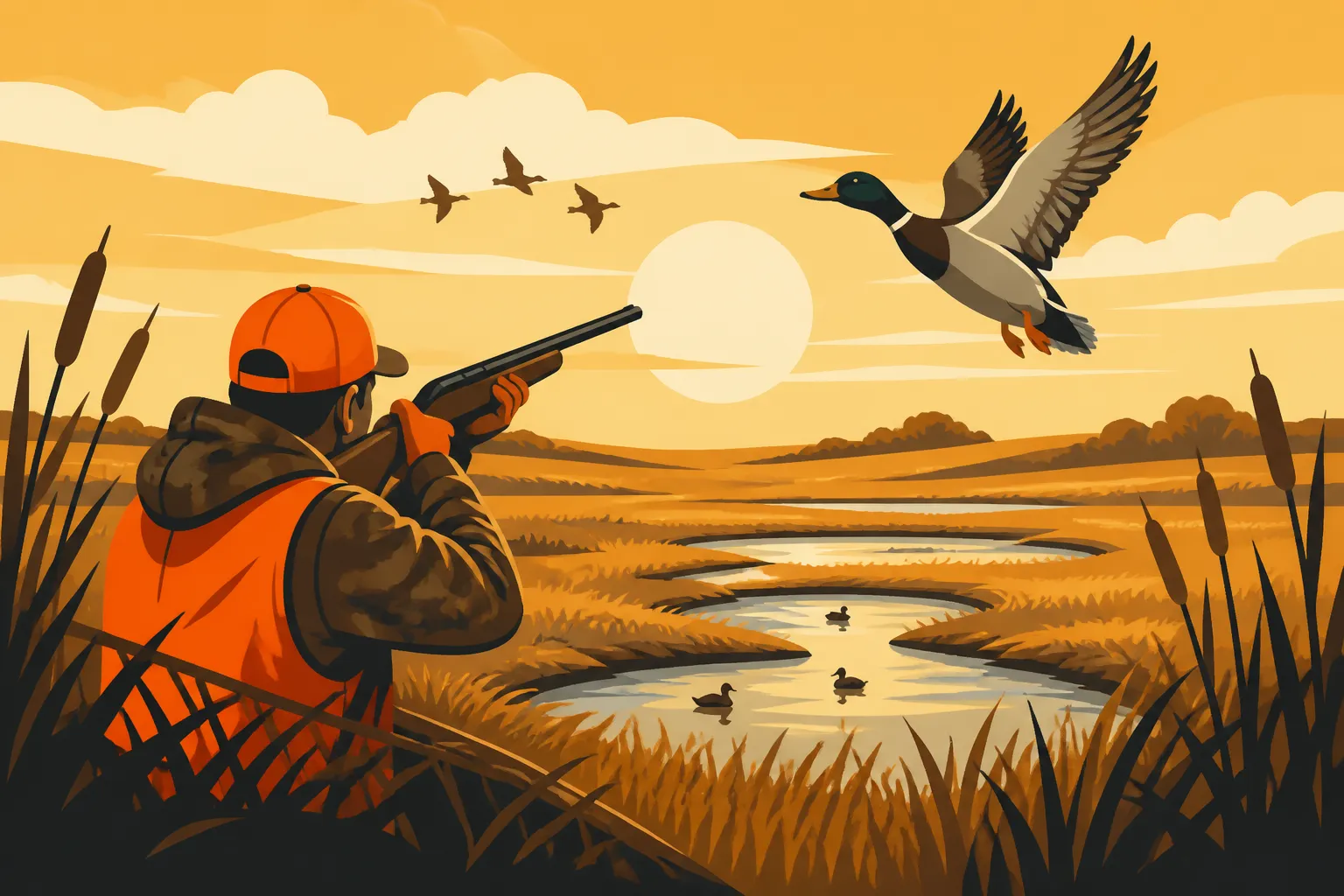
Hunting on WPAs is a classic prairie pothole experience. You might be wading into a cattail-choked marsh at dawn, setting out a spread of decoys, or walking the perimeter of a smaller basin, hoping to jump-shoot a few birds. The beauty of WPAs is their focus; they are designed with waterfowl and associated upland game in mind, meaning the habitat is usually top-notch. However, access can sometimes be limited to walk-in only, and parking might be a small pull-off on a gravel road. It’s always a good idea to check specific WPA regulations, as they can sometimes differ slightly from state rules, especially regarding things like blind construction or specific hunting hours. For a deeper dive into these particular areas, check out Iowa Waterfowl Production Areas.
State Wildlife Management Areas (WMAs): Diverse Opportunities
Iowa's own Department of Natural Resources (DNR) manages a significant number of Wildlife Management Areas (WMAs) throughout the state, and many are found within the prairie pothole region. While WPAs are very specialized, WMAs often offer a broader range of habitats, which means more diverse hunting opportunities. You might find larger wetland complexes, extensive blocks of upland grass, timbered draws, or even food plots specifically planted for deer and pheasants.
WMAs can range significantly in size, from a few dozen acres to several thousand. This diversity means you might be hunting pheasants in a sprawling grass field in the morning, and then setting up for ducks on a larger marsh in the afternoon. Rules for WMAs are generally consistent with statewide Iowa hunting regulations, but it's always smart to consult the Iowa Hunting Atlas or signage at the area itself. These areas are vital for upland birds like pheasants, and knowing how to approach them can make all the difference. If you're planning a pheasant hunt, you might find valuable insights in Working Pheasant Cover Without a Dog.
County Conservation Board (CCB) Areas: Local Gems
Don't overlook the smaller, often less-publicized areas managed by Iowa's County Conservation Boards. These local entities manage parks, natural areas, and sometimes even dedicated hunting areas within their respective counties. While generally smaller than state WMAs or federal WPAs, they can be fantastic hidden gems, especially if you're looking to avoid some of the heavier pressure found on larger, more well-known public lands.
Rules and regulations for CCB areas can vary quite a bit from county to county. Some might have restrictions on specific hunting methods, while others might be open to all statewide seasons. It's absolutely crucial to check the specific county's conservation website or call their office before planning a hunt. These areas often provide excellent local opportunities for both waterfowl and pheasants, especially smaller parcels of grass or wetlands that might get overlooked. They're definitely worth exploring on your map when planning a trip.
Comparison of Prairie Pothole Hunting Ground Types
To help you get a clearer picture, here's a quick comparison of the different public land types you'll encounter in Iowa's prairie pothole region:
| Feature | Waterfowl Production Area (WPA) | State Wildlife Management Area (WMA) | County Conservation Board (CCB) Area |
|---|---|---|---|
| Managing Authority | U.S. Fish and Wildlife Service | Iowa Department of Natural Resources | Local County Conservation Board |
| Primary Focus | Waterfowl production, wetland habitat | Diverse wildlife habitat, multiple species | Local recreation, habitat, often smaller |
| Typical Habitat | Wetlands, native prairie, some cropland | Wetlands, grasslands, timber, food plots | Varied; often smaller wetlands/grasslands |
| Regulations | Federal rules, generally strict for safety | Statewide Iowa rules, some area specifics | Highly variable by county, check locally |
| Access | Often walk-in only, roadside parking | Varies, many have designated parking lots | Varies, often small parking, walk-in access |
| Hunting Pressure | Can be high for waterfowl opener | Variable based on size and reputation | Generally lower due to smaller size, local |
Finding Your Spot: Tools and Tactics
Successfully hunting Iowa's prairie pothole country begins long before you set foot in the field. It starts with good research and smart scouting. With so many small, often unmarked public parcels, knowing how to leverage mapping tools and understanding basic scouting principles is absolutely essential.
The Power of Digital Mapping Apps
In today's hunting world, digital mapping apps are your best friend, especially when dealing with fragmented public land in places like the prairie pothole region. Services like onX Hunt and GoHunt have revolutionized how hunters find and navigate public land. They allow you to overlay public and private land boundaries directly onto aerial imagery, showing you exactly where you can legally hunt. This is invaluable for identifying small WPAs, WMAs, or CCB areas that might not be obvious on a traditional paper map.
When you're looking for prairie pothole hunting ground, use these apps to zoom in on northern Iowa counties. Look for those tell-tale blue or yellow highlighted parcels indicating public land. Pay close attention to the details: are there small ponds, cattail marshes, or large blocks of CRP grass? These are the indicators of prime pothole habitat. You can drop pins on potential access points, mark interesting cover features, and even track your routes in the field, ensuring you stay on public ground. For more on navigating these digital tools, consider reading Using the Iowa Hunting Atlas.
E-Scouting from Your Couch
Before you ever burn a drop of gas, spend some serious time e-scouting. Using your chosen mapping app, look for those key habitat features from the comfort of your home. Identify large expanses of grassland adjacent to crop fields – classic pheasant cover. Locate wetland complexes that are near known flight paths or larger bodies of water. Don't just look for the water; look for the edge where water meets cover, or where different types of cover converge.
Beyond the habitat itself, pay attention to access. Where are the roads? Are there designated parking areas, or will you need to park along a gravel road and walk in? Look for pinch points or travel corridors that might funnel game. Remember, e-scouting isn't just about finding a spot, it's about finding the best spots and developing a game plan for how to approach them silently and efficiently. If you want to refine your pre-hunt strategy, Scouting Iowa Public Land Before the Opener offers excellent advice.
Boots-on-the-Ground Reconnaissance
As helpful as e-scouting is, nothing beats putting boots on the ground, especially for waterfowl. Before the season opens, if possible, walk the perimeters of potential spots. Check water levels; what looked like a perfect marsh on a satellite image might be bone dry or completely flooded. Look for fresh sign: pheasant tracks in the mud, droppings, feather piles, or even active duck flight paths if you're scouting closer to the season.
When scouting for pheasants, walk through the heavy cover you identified. Are there escape routes? Is the grass thick enough to hold birds, or has it been mowed? Pay attention to any small draws or ditches within the grasslands that might concentrate birds. For waterfowl, identify potential blind locations, clear shooting lanes, and note prevailing wind directions to plan your decoy spread. Always respect closed areas or private property during your scouting, and leave no trace of your presence.
Hunting Strategies for Prairie Pothole Success
Once you've found your promising prairie pothole hunting ground, it's time to adapt your tactics to the unique challenges and opportunities these areas present. Whether you're chasing ducks or roosters, success here often comes down to understanding the landscape and being flexible.
Waterfowl Tactics in Pothole Country
Hunting waterfowl in Iowa's prairie potholes is often an intimate affair. You're rarely dealing with massive open water, but rather smaller, more defined wetlands. This requires a different approach than hunting big rivers or lakes.
- Decoy Spreads for Small Water: On small potholes, less is often more. A dozen decoys, mostly mallards and a few teal, can be incredibly effective. Focus on natural-looking spreads that offer a clear landing zone. Pay close attention to wind direction, as this dictates where ducks will want to land. For practical advice on effective setups, you might find Decoying Ducks on a Backwater Slough very useful. Remember, small potholes mean ducks will often commit quickly if they like what they see.
- Jump Shooting: This is a classic prairie pothole method. Stealthily approaching small, often hidden potholes, ditches, or even flooded crop fields can surprise ducks at close range. It requires quiet walking, knowing when to peek over a rise, and being ready to shoulder your shotgun quickly. This is particularly effective on public land where ducks might be wary of traditional decoy spreads.
- Concealment is Key: With less expansive cover, natural concealment is paramount. Use existing cattails, willows, or even tall grass along the edge of the water. A simple portable blind or just blending into the natural vegetation can be more effective than a bulky, obvious setup. For understanding the broader seasonal movements of waterfowl, familiarize yourself with Iowa Waterfowl Zones and Splits.
Upland Bird Hunting in the Grasslands
The grasslands surrounding Iowa's prairie potholes are pheasant paradise. These robust birds thrive in the thick cover provided by native prairie, CRP fields, and dense grass waterways.
- Working the Edges: Pheasants love edges. They'll often be found along the transition line between heavy grass cover and a harvested corn or soybean field. Walk these edges slowly and methodically, paying attention to any ditches, brush piles, or small patches of timber that offer additional cover.
- Pushing Cover: For larger blocks of grass, a strategic push is often best. If you have multiple hunters, spread out to cover the width of the cover, walking slowly and deliberately. For solo hunters or those without dogs, focus on smaller, isolated patches of cover or areas that funnel birds. This often means working corners or pushing toward a road or another type of distinct cover where a pheasant might hold tight. Knowing when and where the season starts is crucial, so review Iowa Pheasant Season Dates.
- Dog Power: While you can hunt pheasants without a dog, a good bird dog dramatically increases your chances of success, especially in thick prairie grass. Their ability to scent and flush birds that would otherwise hold tight, and to retrieve downed birds from dense cover, is invaluable. However, if you're going it alone, Working Pheasant Cover Without a Dog offers great tips.
General Public Land Considerations
Hunting public land in the prairie pothole region often means sharing the space. Be mindful of other hunters, communicate, and always prioritize safety. Understanding Hunting Pressure Patterns on Iowa Public Land can help you choose less crowded times or areas. Also, be sure you've handled all your licensing requirements, including any specific small game or migratory bird stamps, and know your Iowa Nonresident Small Game Licence Cost if you're visiting from out of state.
Challenges and Important Considerations
Hunting Iowa's prairie pothole ground is incredibly rewarding, but it definitely comes with its own set of challenges. Being aware of these can help you plan better and increase your chances of a safe and successful hunt.
Understanding Water Levels and Weather
The very nature of prairie potholes means they are subject to constantly changing water levels. What was a productive marsh one year could be a dry grassland the next, or vice-versa. Heavy rains can flood fields, creating temporary new hunting opportunities, while droughts can render traditional wetland spots completely unusable. It’s absolutely critical to do your homework before heading out.
Check recent weather patterns for the area you plan to hunt. Have there been heavy rains? Or a prolonged dry spell? Sometimes, local reports from bait shops or online forums can offer valuable insights. This flexibility is key; if your primary spot is dry, be ready with a backup plan that might involve targeting pheasants in dry grass, or scouting out recently flooded depressions. These dynamic conditions are part of what makes hunting here so interesting, but they demand adaptability from the hunter.
Hunting Pressure on Public Lands
Let's be realistic: public hunting lands in Iowa, especially those known for good pheasant or duck hunting, can see significant pressure. Opening weekend, holidays, and pleasant weather days will almost always draw a crowd. This pressure can change animal behavior dramatically. Ducks might become incredibly wary, flaring at the slightest movement, and pheasants might run far ahead of hunters, or hold super tight in the thickest cover.
To mitigate this, consider hunting during weekdays if your schedule allows, or later in the season when some hunters have moved on or the weather has turned colder. Don't be afraid to walk further than most other hunters. Many hunters stick close to parking areas, so a willingness to put in an extra half-mile or mile can often put you into less disturbed game. Also, consider the smaller, less obvious public parcels; these often receive less attention but can hold good numbers of birds. Look for areas with tougher access, as that usually means fewer people.
Regulations, Licensing, and Safety
Iowa has clear regulations for hunting all game species, and it's your responsibility to know and follow them. This includes specific season dates, bag limits, shooting hours, and legal methods of take for waterfowl, pheasants, and any other species you pursue. Make sure you have the correct state hunting license, habitat fee, and any required federal or state stamps (like the Iowa Migratory Game Bird Fee and Federal Duck Stamp for waterfowl). These are non-negotiable.
Safety is paramount, especially when hunting with others or on public land. Always identify your target clearly and be aware of what lies beyond it. Wear blaze orange when required, particularly during shotgun deer seasons, even if you are hunting pheasants or ducks in the same area. Pay attention to private property boundaries, even if they're not clearly marked with fences or signs, and use your mapping apps to avoid accidental trespass. Lastly, always inform someone of your hunting plans, including your specific location and expected return time. The prairie pothole country, while beautiful, can be remote, and a little preparation goes a long way.
Disclaimer
This article is for general informational purposes only and does not constitute professional advice. Laws, prices and regulations vary by location and change over time. Consult a qualified professional for guidance on your specific situation.