Working Pheasant Cover Without a Dog
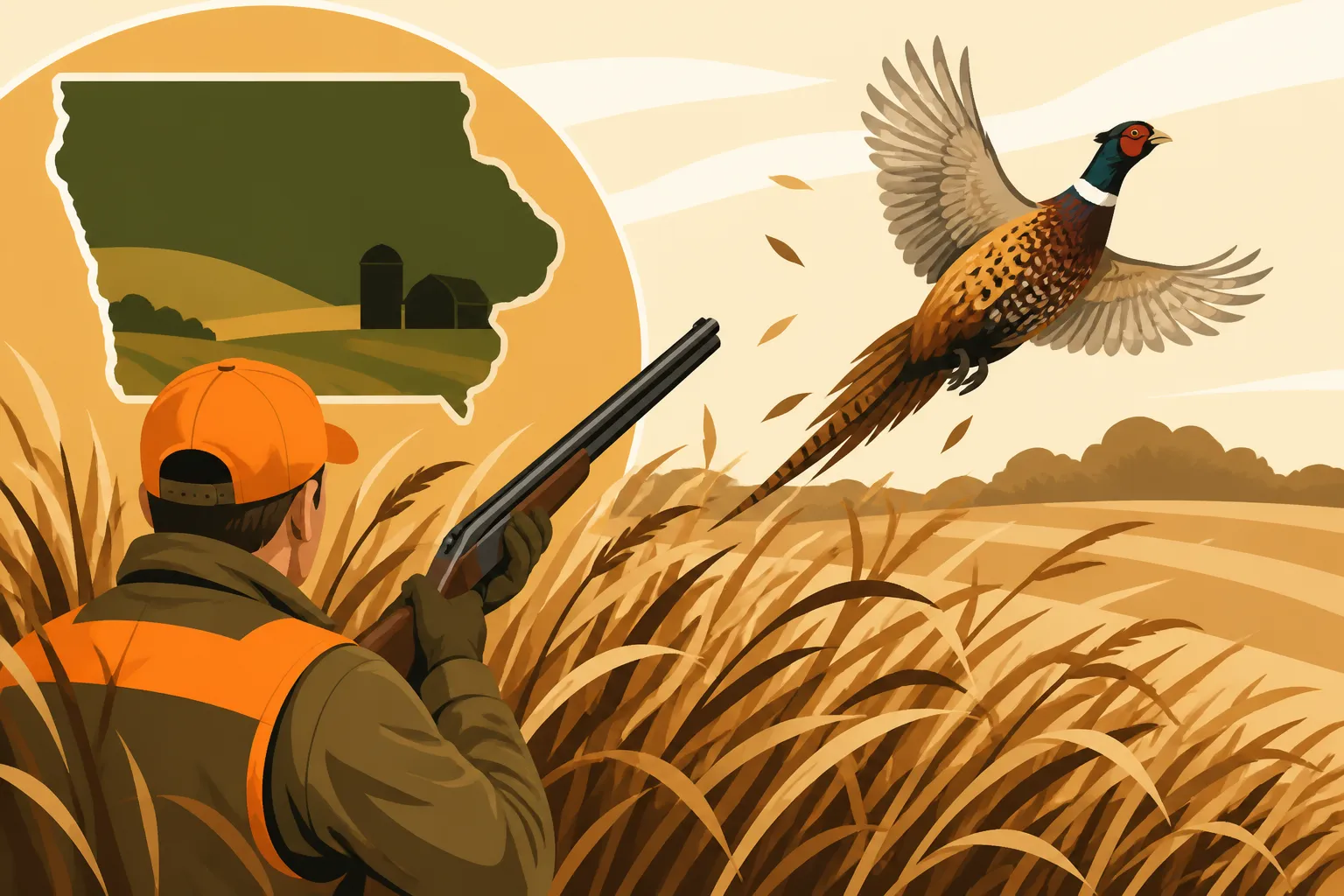
Pheasant hunting in Iowa without a dog can often feel like an exercise in futility. You might find yourself slogging through heavy cover, wondering if you're just kicking up birds out of range, or worse, pushing them across property lines without ever getting a shot. It's a common frustration when you don't have a skilled canine companion to sniff out and hold those wily roosters. But don't despair! This comprehensive guide will equip you with effective strategies and insights to successfully hunt pheasants across Iowa's diverse landscape, even when you're going solo or relying on a small group of human "beaters."
Understanding Pheasant Behavior and Habitat Without a Dog
When you're out there without a dog, your own understanding of pheasant behavior becomes your most powerful tool. You have to think like a bird, anticipating their moves and understanding why they prefer certain spots over others. It's a mental game as much as a physical one, and knowing where they'll be and what they'll do next can dramatically increase your odds.
Where Pheasants Hide in Iowa's Landscape
Iowa's landscape, with its mix of agricultural fields, conservation efforts, and natural waterways, offers a variety of habitats that pheasants call home. You'll often hear about CRP (Conservation Reserve Program) fields, and for good reason – these dense, native grass plantings are prime real estate for pheasants, offering both nesting cover and winter refuge. But that's not the only place they live. Look for cattail sloughs and wetland edges, especially later in the season when snow pushes birds into the thickest thermal cover they can find. These spots offer excellent protection from both predators and harsh weather.
Beyond these obvious choices, don't overlook the seemingly less glamorous areas. Narrow fence rows, particularly those overgrown with multiflora rose, brush, or small trees, can hold surprising numbers of birds. Even the edges of standing or picked corn and bean fields, especially where they meet other cover, are crucial. A pheasant will often stick to these transition zones, using the row crops for food and quickly ducking into thicker cover when disturbed. Pay attention to ditches and small drainage areas that collect brush and weeds – these linear features can act as travel corridors or hidden pockets for birds.
How Pheasants React to Pressure
Without a dog, understanding how pheasants react to pressure is paramount. These birds are survivors, and their primary defense mechanism is either to run or to hold incredibly tight, hoping you'll walk right past them. A pheasant will almost always prefer to run first, using its strong legs to sprint through thick cover, often staying just out of sight. This is where many dogless hunters get frustrated, as birds seem to vanish into thin air, only to flush far ahead, or worse, behind them.
When pheasants decide to hold, they commit completely. They will hunker down in the densest part of a clump of grass or under a thorny bush, often letting you walk within feet before bursting into the air. The key here is unpredictability and thoroughness. They might flush "wild," meaning they explode from cover much further out than you'd expect, especially if they've been hunted heavily. This often happens in larger, open fields where they can see you coming from a distance. Your job, as the hunter, is to try and break their pattern, forcing them to flush within shotgun range.
Reading the Wind and Weather for Pheasant Success
The wind and weather conditions are not just about your comfort; they profoundly impact how pheasants behave and how effective your hunting strategies will be. On a windy day, pheasants often sit tighter in cover, seeking shelter from the gusts. This can work to your advantage as it makes them less likely to run long distances. However, the wind can also carry your scent further, making it harder to surprise them, and it makes hearing a flush more challenging. Always try to hunt into the wind if possible when working cover solo, as it gives you a slight edge in approaching undetected and allows the bird's scent (if you had a dog) to come to you, or at least allows you to hear the flush better against the wind.
Snow and cold weather change the game entirely. Fresh snow can actually be a huge benefit, as it muffles your footsteps, allowing for a quieter approach. More importantly, it forces pheasants into the heaviest, thickest thermal cover available, like dense cattail sloughs or cedar thickets, because these spots offer protection from the elements. This concentrates the birds, making them easier to locate. The colder it gets, the less likely they are to be out feeding in the open and the more they will rely on these heavy coverts for survival. Conversely, warm, dry weather can cause birds to be more scattered and less predictable, often holding tighter to water sources or areas with dew. Understanding these nuances helps you focus your efforts.
Solo Hunter Strategies for Flushing Birds
Hunting pheasants by yourself without a dog demands a different mindset and specific tactics. You can't rely on a dog to cover ground or pin birds, so you become both the "dog" and the "gun." It requires patience, keen observation, and the ability to adapt your approach to the cover. It’s certainly a challenge, but incredibly rewarding when you pull it off.
The Stop-and-Go Method
The "stop-and-go" method is arguably the single most effective tactic for a solo pheasant hunter, especially when working through dense grass or brush. Pheasants are incredibly aware of continuous movement. When you walk steadily, they often just keep running ahead of you, staying just out of sight and flushing far away. The stop-and-go method capitalizes on their instinct to "hold" when they think the immediate threat has passed. You walk 20-30 yards, then stop dead still for 10-20 seconds. Repeat.
What happens is, when you stop, the pheasant that was running often stops too, thinking it has evaded you. Sometimes they even turn around to look back. When you start moving again, the sudden change in pressure can startle them into flushing. This tactic works exceptionally well in CRP fields, standing corn edges, and even thick fence rows. It forces them to make a decision – either hold tight and let you walk past, or flush within your range. It’s a game of psychological warfare, and you're the one pulling the strings. You'll be amazed at how many birds you'll flush right at your feet this way.
Targeting Small, Isolated Coverts
Without a dog to help you systematically comb through vast fields, focusing on smaller, more isolated patches of cover becomes a high-percentage strategy. Think about those overlooked spots: a lone cattail slough in the middle of a cornfield, a brushy ditch running between two picked bean fields, or a small block of CRP that's surrounded by open ground. These smaller coverts often act as safe havens for pheasants, especially after larger areas have been hunted, or in locations where they feel less exposed.
The advantage of these spots is that they limit the bird's escape routes. If a pheasant is in a small, isolated patch, it can't run indefinitely. It will eventually hit the edge of the cover and be forced to either flush or attempt to cross open ground. Approach these spots carefully, often in a zig-zag pattern, trying to keep the wind in your favor. If you have a good mapping app like GoHunt, you can easily identify these small pockets of cover from aerial imagery, saving you valuable time on the ground. Circle them, then work your way through thoroughly. Often, a few birds will be hunkered down, waiting for you to pass.
Utilizing Natural Barriers and Pinch Points
Iowa's agricultural landscape is full of natural and man-made features that can be exploited as "pinch points" or barriers to funnel pheasants. These are critical for dogless hunting. Think about a narrow finger of grass that extends into a picked field, or a drainage ditch that runs through a large block of CRP. These features naturally concentrate birds as they move or seek cover. Fence lines, especially those with some brushy growth, can serve as excellent linear travel corridors where birds feel protected but are still somewhat exposed at the ends.
When you approach a field that has a ditch, a creek, or a thick fence line, consider how a pheasant would use it to escape. Instead of just walking aimlessly, try to push birds towards these barriers or parallel to them. If you're hunting a long grass strip, walk one side and have a partner (if you have one) walk the other, effectively squeezing the birds. If you're solo, try walking parallel to a ditch, but just inside the heavier cover, forcing birds out into the open or making them flush as they try to cross the ditch. The goal is to predict their escape route and position yourself for a shot. Even a small culvert or a single big brush pile can be a significant pinch point worth a thorough kick.
Small Group Tactics Human "Dogs"
Hunting pheasants without a dog can still be highly effective with a small group of hunters, especially if everyone understands their role. Instead of relying on a canine's nose, you'll be using human legs, eyes, and strategic positioning to emulate a well-executed dog drive. This is where teamwork truly shines, turning what seems like a disadvantage into a well-coordinated effort.
The Block-and-Drive Technique
The block-and-drive is a classic pheasant hunting tactic, and it's perfectly suited for groups without dogs. It involves two main roles: "drivers" and "blockers." The drivers walk through the cover, pushing the birds towards the blockers, who are positioned at the end of the field or along known escape routes. To execute this safely and effectively, you first need to identify a piece of cover – a long CRP field, a dense slough, or a rectangular block of standing corn. You'll want to pick a field that has a clear end where birds are likely to concentrate or exit.
The blockers should position themselves quietly and out of sight at the downwind end of the cover, or where birds are expected to flush. Often, this means being along a fence line, a road, or another piece of adjacent cover. The drivers then spread out in a line, maintaining visual contact and walking through the cover, systematically pushing towards the blockers. The key is to walk at a steady, consistent pace, making sure there are no gaps for birds to slip through. Communication is vital here; drivers should periodically call out their positions to maintain the line. When birds flush, the blockers are in position for a shot, and sometimes the drivers will get shots as birds try to break back through the line. You can find more specific advice on this in articles like Blocking and Driving Iowa Grass Strips.
Walking Strategic Patterns
When you're working a field with a group, simply walking in a straight line isn't always the most efficient. Implementing strategic walking patterns ensures thorough coverage and maximizes your chances of flushing birds. For long, narrow strips of cover, a simple straight-line drive is effective, with hunters spaced about 20-30 yards apart, depending on cover density, to maintain a solid front.
For wider fields, consider a "crescent" or "U-shaped" pattern, where the hunters on the outside edges push slightly ahead, effectively creating a funnel that directs birds towards the center or the far end of the field. Another useful strategy is to work a grid pattern in smaller, more isolated blocks of cover, particularly if you suspect birds are holding tight. This involves walking the length of the cover, then turning and walking back, slightly overlapping your previous path, much like a methodical search. This ensures every square foot of cover is thoroughly explored. The key is for everyone to walk at the same pace and maintain their spacing to avoid leaving gaps where wily pheasants can slip through undetected.
Communication and Safety Protocols
In any group hunt, especially without the immediate feedback a dog provides, communication and safety are absolutely non-negotiable. Before you even step into the field, have a clear plan. Designate a hunt leader who will call out directions, starting points, and ensure everyone understands their role (driver or blocker). Use simple, clear verbal cues like "forward," "hold," "bird up," or "flushing left/right." Eye contact and hand signals can also be incredibly useful, particularly in windy conditions or dense cover where voices might not carry well.
Safety is paramount. Establish clear shooting lanes beforehand. Drivers should never shoot behind the line, and blockers should know the line of fire and ensure they have a safe backdrop before taking a shot. Always wear blaze orange, even if not legally required for your specific season or area, to maximize visibility. Account for everyone in the group at all times. A good practice is to have a group chat or use radios if covering significant ground. Having everyone know who's carrying a mapping app like GoHunt can also be beneficial for locating each other and marking birds or points of interest. Remember, one accident can ruin a lifetime of hunting memories, so prioritize safety above all else.
Essential Gear and Scouting for Dogless Hunters
Successfully hunting pheasants without a dog isn't just about strategy; it's also about being properly equipped and doing your homework before you ever hit the field. The right gear makes your hunt more comfortable and effective, while diligent scouting helps you identify high-percentage areas, making every step count.
Footwear and Clothing for Tough Cover
Iowa pheasant cover can be brutal on clothing and skin. We're talking about thorny multiflora rose, tough CRP grass, and often, wet and muddy conditions. Investing in good, durable gear isn't a luxury; it's a necessity. For footwear, waterproof, sturdy boots are a must. Look for something with good ankle support that can handle uneven terrain and is resistant to thorns. Brands like LaCrosse or Muck Boots are popular for their durability and waterproofing, keeping your feet dry through dew-soaked grass or shallow marshy areas.
When it comes to clothing, think layers, durability, and thorn protection. Briar-resistant pants or chaps are a game-changer. There's nothing worse than having your legs shredded by thorns halfway through a hunt. Look for pants made of heavy-duty nylon or waxed cotton. Over-pants or chaps can be worn over lighter hunting pants for added protection and easily removed if conditions warm up. For your upper body, layering is key. A moisture-wicking base layer, an insulating mid-layer, and a tough, brush-resistant outer shell (preferably in blaze orange for safety) will keep you comfortable and protected in varying Iowa weather. Don't forget durable gloves to protect your hands when pushing through heavy brush.
Shotgun and Ammunition Choices
Your shotgun is your primary tool in pheasant hunting, and selecting the right one with appropriate ammunition can significantly impact your success. A 12-gauge shotgun is the most common choice for pheasants, offering a good balance of shot payload and versatility. However, a 20-gauge can also be very effective, especially for hunters who prefer a lighter gun or less recoil, and modern loads make it just as capable. Whatever gauge you choose, ensure it's a reliable firearm that you're comfortable handling and shooting accurately.
For ammunition, shot size is crucial. Many pheasant hunters opt for 4, 5, or 6 shot. Number 5 shot is often considered a good all-around choice for pheasants, providing enough pellets for good pattern density and enough energy for clean kills. For choke, a Modified choke is a versatile choice that works well in most pheasant hunting scenarios, offering a good balance between open patterns for closer shots and tighter patterns for longer flushes. However, some hunters prefer an Improved Cylinder for really thick, close-quarters cover, or a Light Modified if they expect slightly longer shots. Carrying a variety of shot sizes and chokes, if your gun allows for interchangeability, can help you adapt to different cover types and conditions throughout the day.
E-Scouting and On-the-Ground Reconnaissance
In dogless pheasant hunting, your ability to scout effectively is arguably as important as your hunting skill. E-scouting, using mapping applications, is your best friend here. Platforms like GoHunt or similar robust mapping tools allow you to analyze aerial imagery, identify potential pheasant habitat, and plan your approach long before you ever step foot in the field. Look for those dark green strips of CRP, the tell-tale signs of cattail sloughs, brushy fence lines, and the confluence of different cover types. Mark these areas as waypoints.
Once you have a few promising spots identified through e-scouting, it's time for on-the-ground reconnaissance. This doesn't mean hunting; it means walking the perimeter, looking for actual pheasant sign. Droppings, feather piles, and distinct tracks in the mud or light snow are all indicators that birds are present. Pay attention to how the cover lays, identify potential escape routes for birds, and note any natural pinch points. If you're hunting public land, also observe parking areas and potential access points to gauge hunting pressure. Remember that articles like Scouting Iowa Public Land Before the Opener can provide valuable insights into identifying promising areas. A little pre-hunt legwork can save you hours of aimless wandering and dramatically improve your chances of success.
Overcoming Common Challenges and Maximizing Opportunity
Hunting pheasants without a dog presents specific challenges, but with the right mindset and tactics, you can turn these obstacles into opportunities. It's about being observant, adapting quickly, and knowing how to make the most of every encounter, even when things don't go exactly as planned.
Dealing with Running Birds and Wild Flushes
The most common frustration for dogless pheasant hunters is undoubtedly dealing with birds that run far ahead or flush wildly out of range. When a pheasant starts running, it can seem impossible to catch up or get ahead of it. This is where the stop-and-go method (discussed earlier) really shines, as it often causes running birds to hesitate and potentially hold. If you're working with a group, the "blocker" strategy becomes even more crucial; position hunters far ahead to intercept these runners.
For wild flushes, where birds burst from cover 50 or 60 yards away, the best offense is often a good defense – meaning, approach cover more cautiously and slowly. Vary your pace. Use natural terrain to break up your silhouette. If you constantly experience wild flushes in a large field, it might indicate that birds are heavily pressured. In these situations, focus on smaller, isolated coverts where birds feel more secure and are less likely to run or flush far out. Sometimes, simply altering your approach angle or walking against the wind can give you a few extra yards to get into range before a wild flush. Recognizing these patterns and adapting your pace and approach is key to converting frustrating non-opportunities into shooting chances.
Public Land Pressure and Avoiding Other Hunters
Iowa's public lands offer fantastic pheasant hunting opportunities, but they can also see significant hunting pressure, especially on opening weekend or holidays. Without a dog, navigating this pressure effectively is crucial. One strategy is to simply hunt during weekdays when pressure is typically much lower. If you must hunt on a weekend, consider going later in the day, after the initial rush has died down, or focus on areas that require a longer walk-in from the road – most hunters won't venture far from their vehicles.
Another tactic is to utilize your e-scouting tools to find those overlooked, smaller parcels of public land that might not look as appealing on a map but can hold a surprising number of birds. Look for areas with difficult access or those surrounded by private property, which often deter other hunters. Consult local DNR websites or a tool like GoHunt for information on Iowa Public Land Pheasant Ground and try to scout areas that don't have obvious parking lots or easy access. Sometimes, even a well-known WMA might have a few hidden pockets of cover that most hunters pass by. Being willing to walk a little further or explore less-traveled paths can pay off handsomely.
Post-Shot Recovery and Marking Birds
Without a dog to retrieve, post-shot recovery is entirely on you, and it requires discipline and a methodical approach. The moment you shoot a bird, your eyes should be locked on it. Mark the fall precisely. Pick a distinct tree, a fence post, a patch of brush, or anything else in the background that you can use as a reference point. Do not take your eyes off that spot until you are walking towards it. Many lost birds happen because hunters get excited, look away for a second, and then can't find the exact spot.
Once you're at the estimated fall location, start a systematic search. Walk in an ever-widening circle or a grid pattern around the spot you marked. Take your time. Pheasants, even when mortally hit, can sometimes run or crawl a surprising distance into cover, or hide themselves incredibly well. Look for any sign – a dislodged feather, a blood spot, or a faint trail in the grass. If you're hunting with a partner, have one person stay at the initial fall spot while the other conducts the search, giving you a fixed reference. A lost bird is a terrible waste, so make every effort to recover it. It’s a matter of respect for the game and ethical hunting practice.
Season-Specific Adjustments for Dogless Hunting
The Iowa pheasant season spans several months, and conditions change dramatically from the mild temperatures and dense vegetation of October to the brutal cold and heavy snow of late December and January. A smart dogless hunter knows that their tactics need to adapt just as quickly as the weather does.
Early Season Strategies
The early part of Iowa's pheasant season, typically starting in late October, brings with it a unique set of challenges and opportunities for dogless hunters. The biggest factor is the sheer density of cover. CRP fields, native grass, and even weedy ditches are at their fullest and greenest, providing ample hiding spots for pheasants. This means birds can hold incredibly tight, often letting you walk right by. It also means they have extensive cover to run through before flushing.
Your early season strategy should focus on thoroughness and patience. The stop-and-go method is particularly effective when the cover is dense. Don't rush. Zig-zag through fields, paying extra attention to the edges, low spots, and any changes in cover type. Birds might be more scattered, feeding in picked crop fields in the mornings and then retreating to thicker cover as the day progresses. Target these transition zones. Also, look for fields that have recently been cut or harvested, as this reduces available cover and can concentrate birds in the remaining patches. If hunting on mornings with heavy dew or a light rain, birds tend to be a bit more reluctant to fly, potentially holding tighter. For specific guidance on early season, you might want to read Pheasant Hunting Iowa Grass and Crop Edges.
Late Season Tactics
As the Iowa pheasant season progresses into December and January, the landscape transforms, demanding a completely different approach. The key factors now are cold, snow, and diminished cover. Most crops have been harvested, leaves are off the trees, and snow often blankets the ground. This pushes pheasants into the densest, most protective thermal cover available, such as heavy cattail sloughs, cedar thickets, brushy creek bottoms, and even standing cornstalks that offer a windbreak.
This concentration of birds can be a huge advantage for the dogless hunter. Instead of working vast fields, you can focus your efforts on these smaller, high-percentage pockets of heavy cover. If there's snow, look for tracks leading into these areas. The block-and-drive method with a small group becomes incredibly effective, as you can systematically push these concentrated birds out. Solo hunters should methodically work through these thickets, kicking every brush pile and pausing frequently. Birds will often hold incredibly tight in these conditions, preferring to sit out the danger rather than expose themselves to the cold. Remember that retrieving birds in deep snow can be challenging, so precise marking of the fall is more important than ever. For more in-depth advice, check out Late-Season Pheasants in Heavy Cover or Working Pheasant Cover Without a Dog.
| Cover Type | Solo Tactics | Small Group Tactics | Key Considerations (No Dog) |
|---|---|---|---|
| Tall CRP/Grass | Stop-and-go, zig-zag, follow edges | Line drive, designated blockers, tight formation | Birds run; mark fall carefully; slow down |
| Sloughs/Creek Bottoms | Work into wind, check dense pockets | Pinch points, send blockers to ends | Very thick; birds hold tight; escape routes |
| Fence Lines/Ditches | Walk slowly, kick thick spots, anticipate flush | Walk both sides, blocker at end | Birds often flush at end; can run easily |
| Standing Crops | Edge hunting, short forays into corners | Driving small blocks, focus on unpicked sections | Hard to see; birds run far; unpredictable |
| Food Plots/Field Edges | Quick sweeps, target bottlenecks | Block escape routes, push into adjacent cover | High traffic areas; birds may be wary |
Disclaimer
Hunting is an inherently dangerous activity. Always prioritize safety, wear appropriate gear, and be aware of all local hunting regulations. This guide provides general information and should not replace proper hunter education or personal judgment in the field. Conditions can change rapidly, and hunters should always be prepared for the unexpected.