Navigable Rivers and Iowa Hunter Access
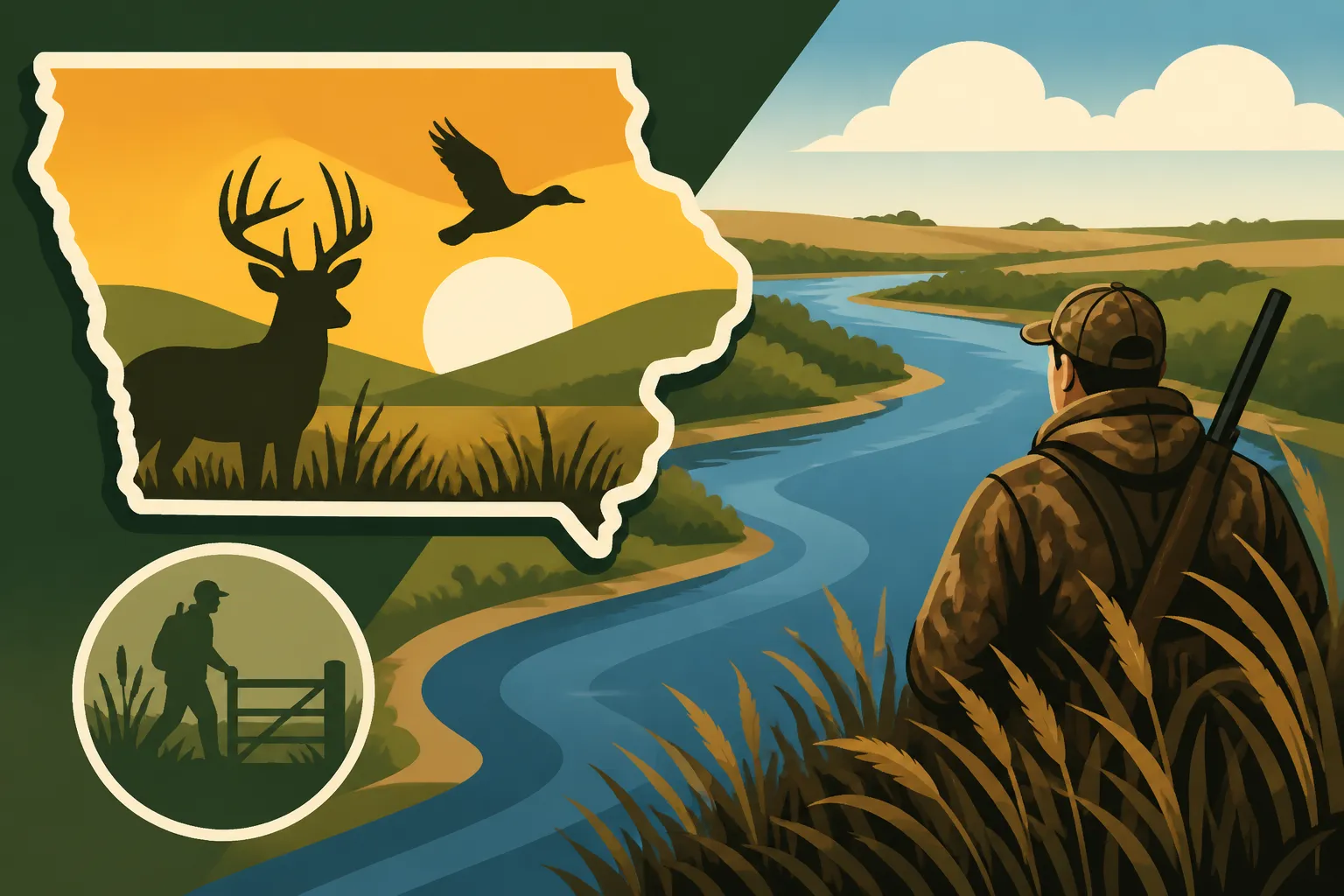
For many Iowa hunters, the sheer amount of private ground can feel like a brick wall, making finding consistent access a frustrating annual struggle. But what if I told you that Iowa's vast network of rivers and streams offers a unique, and often overlooked, avenue to reach some fantastic hunting spots, even those seemingly surrounded by private land? This guide will dive deep into how navigable waterways can unlock new hunting opportunities and what you need to know to hunt them legally and successfully.
Understanding "Navigable" in the Iowa Hunting Context
When we talk about hunting access via rivers in Iowa, the term "navigable" is absolutely critical. It’s not just about whether you can float a canoe down a stream; it has a specific legal meaning that dictates public access rights. This distinction is the bedrock of understanding where you can legally step foot and where you cannot when using a river as your highway.
The Legal Definition and Its Implications
In Iowa, a "navigable" waterway generally refers to a river or stream that is capable of being used for commercial purposes, or was historically used for such, even if it's primarily recreationally used today. Think steamboats and barges, not just your fishing kayak. While many smaller streams are floatable, they might not be legally "navigable" in the eyes of the law, which means public access rights can differ dramatically. For a truly navigable river, the public generally has the right to use the streambed and water up to the ordinary high water mark, even if the adjacent land is private. This is a huge deal, as it grants you the right to float, wade, and potentially anchor in these areas.
However, it's not a free-for-all. This right is primarily for passage and recreation on the water. It doesn't automatically mean you can step off your canoe onto a privately owned bank to stretch your legs, let alone hunt, unless that land itself is public or you have permission. The critical takeaway here is that while you might be able to float through, the right to hunt often depends on the status of the land you're trying to access from the water. Always, always check local regulations and land ownership before assuming access. This is where tools like onX Hunt really shine, as they can overlay public and private land boundaries right onto your map, even showing river features.
Public Access Versus Private Shorelines
The greatest confusion arises at the point where the water meets the land. For legally navigable rivers, the public has the right to use the riverbed and water. This means you can legally be on the water. But the moment you step onto the bank, the situation can change instantly. If the land above the ordinary high-water mark is privately owned, then stepping onto it without permission is trespassing.
This can be incredibly nuanced in practice. Imagine a sandbar that forms in the middle of a navigable river. Is that public ground? Often, yes, because it's part of the riverbed. But what if that sandbar extends all the way to a private landowner's bank, essentially becoming part of their shoreline? The lines can blur. This is why understanding land ownership layers on a mapping app is so crucial. A private landowner's property typically extends to the center of a non-navigable stream or to the ordinary high water mark of a navigable one. Knowing the specific river's classification and verifying land ownership data is paramount to avoiding an uncomfortable confrontation or, worse, a citation. You might find great opportunities on a river, but failing to distinguish between public riverbed and private bank could land you in hot water.
How Rivers Provide Access to Otherwise Inaccessible Lands
Rivers aren't just pretty scenery; they are often natural barriers that protect pockets of habitat from conventional foot or vehicle access, particularly from roads or well-traveled trails. This can create sanctuaries where deer and other game feel less pressure, making river access a golden ticket for the savvy hunter looking for unpressured areas.
Islands, Sandbars, and River Bottoms
One of the most exciting prospects of river access is reaching islands and sandbars. Islands, especially those within larger navigable rivers like the Mississippi, are often public land—either state-owned or part of federal refuges. These islands can hold incredible numbers of deer, turkeys, and waterfowl precisely because they are difficult to access for most hunters. They act as natural sanctuaries. Similarly, large, stable sandbars can provide temporary bedding areas or feeding spots for deer, and often serve as staging areas for waterfowl hunters.
Beyond islands, river bottoms themselves are magnets for wildlife. The dense timber, thick undergrowth, and diverse food sources found along river corridors create prime habitat. Many of these river bottom parcels are landlocked by private agricultural fields or dense residential areas, making river access the only practical way to hunt them. Imagine a thick block of timber on a river bend that's surrounded by cornfields. If the river is navigable, you might be able to float in, stash your boat, and hunt an area that hardly anyone else touches. This is where understanding River Oxbows and Deer Movement can really pay off, as these features often concentrate deer in areas difficult to reach otherwise.
Wading and Boating Considerations
Your method of river access will depend heavily on the specific waterway and its conditions. For smaller, shallower streams, wading might be your primary mode. Wading Access on Iowa Streams requires careful planning, including waterproof waders, sturdy boots, and an awareness of current conditions. Always use a wading staff for stability, especially when crossing deeper channels or areas with strong currents. This method is often stealthier than a boat, allowing you to slip into an area with minimal disturbance. However, be aware of the "ordinary high water mark." You can wade the stream bed, but crossing private land to get to that stream bed is still trespassing without permission.
For larger rivers, or to cover more ground efficiently, a boat is essential. Kayaks, canoes, johnboats, and even larger shallow-draft boats are common. Boat Access to Iowa River Islands opens up entire new possibilities. When planning a boat hunt, consider several factors:
- Launch Points: Where can you legally launch your boat? Public boat ramps, city parks, or bridge accesses are common.
- Travel Time and Distance: How long will it take to paddle or motor to your desired hunting area?
- Anchoring/Stashing: Where will you secure your boat once you arrive? You can't just drag it onto private land. Look for areas like sandbars, public islands, or spots where the public land extends to the water's edge.
- Gear Capacity: Ensure your boat can safely carry all your hunting gear, especially if you plan to pack out a deer.
- Water Conditions: Always be aware of current, water levels, and potential hazards like submerged logs or wing dams. The Mississippi River, for example, is a massive system that demands respect and careful navigation.
Remember, the goal is to access hunting ground without disturbing the immediate area, which requires careful planning of your Access Routes That Do Not Bump Deer.
Key Iowa Rivers for Hunter Access
Iowa is crisscrossed by countless rivers and streams, but a few stand out as prime candidates for hunter access, each with its own unique characteristics and challenges.
The Mississippi River System
The Mississippi River, forming Iowa's entire eastern border, is arguably the state's most significant waterway for public hunting access. This isn't just one river; it's a vast system of main channels, backwaters, sloughs, and countless islands. Much of the land within the Mississippi River floodplain is managed by federal agencies, such as the Upper Mississippi River National Wildlife and Fish Refuge, or by the state as wildlife management areas. This means a substantial amount of truly public land is directly accessible by boat.
Hunting the Mississippi offers incredible diversity:
- Waterfowl: The backwaters and sloughs are legendary for duck and goose hunting during migration. This is where Iowa waterfowl hunting tactics for river backwaters really come into play.
- Deer: Many of the larger islands are fantastic for deer hunting, especially during the rut when bucks are cruising. The dense cover and relatively low human pressure can make for exceptional opportunities.
- Turkey: Turkey populations thrive in the mature timber found on these islands and along the river bluffs.
However, hunting the Mississippi comes with its own set of challenges. Water levels can fluctuate dramatically, making navigation tricky. Currents can be powerful. And you'll often be sharing the water with commercial barges, pleasure craft, and other hunters. Knowledge of the specific pool you're hunting, using detailed maps from services like onX Hunt, and checking current river conditions are all essential for a safe and successful trip. Don't forget to understand the specific rules for areas like the Upper Mississippi Refuge Hunting, as they often have unique regulations.
Smaller Interior Rivers and Their Potential
While the Mississippi gets a lot of attention, Iowa's interior rivers also offer incredible, though often more localized, opportunities. Rivers like the Cedar, Iowa, Skunk, Des Moines, Raccoon, and Missouri (on the western border) can provide access to landlocked timber blocks and public parcels.
- Missouri River Bottoms: The Missouri River, particularly its floodplain, can offer unique hunting, though much of it is privately owned. However, there are state and federal lands, like those managed by the Corps of Engineers, that are accessible. Missouri River Bottom Hunting in Iowa can involve navigating vast sandbars and braided channels.
- Smaller Timbered Rivers: Many of Iowa's smaller rivers and their tributaries flow through extensive timber and agricultural landscapes. While these might not be "navigable" in the legal sense for their entire length, sections of them, especially where they widen or have historically been used for larger craft, might offer public access along the streambed. Even non-navigable streams can sometimes be legally waded if you access them from public ground or a road right-of-way, but you cannot step onto private land from them. This can be critical for hunting areas like Hunting a Narrow Creek Corridor which might otherwise be inaccessible.
The key with these interior rivers is diligent scouting and precise map work. Using mapping apps to identify county conservation areas, state wildlife areas, or even small, overlooked parcels of public land adjacent to these waterways is your best bet. Remember, even if the river itself isn't legally navigable, if it borders public land, you can use the river as a stealthy approach to that public land.
Navigating Challenges and Staying Legal
Hunting from rivers can be incredibly rewarding, but it's not without its complexities. Staying legal and safe requires a clear understanding of regulations, respect for land ownership, and a good dose of common sense.
Respecting Boundaries and Private Land
This cannot be stressed enough: know where you are at all times. Even on a navigable river, the banks are often privately owned. You cannot simply pull your boat up onto a private bank to glass a field, take a break, or relieve yourself without explicit permission. This is especially true when attempting to retrieve game. If an animal runs onto private land, you must obtain permission from the landowner before pursuing it. Iowa Trespass Law and Posted Land is clear on this, and river access does not grant you special exceptions to these rules.
- Mapping Apps are Your Friend: This is where digital mapping tools truly shine. Apps like onX Hunt allow you to see property lines, landowner names, and public land boundaries right on your phone, even if you're offline. Download offline maps for your hunting area, especially if you anticipate poor cell service. This is critical for Offline Maps for Iowa Public Ground. Before you even leave the house, spend time scouting these maps to identify public islands, state-owned timber blocks, or federal lands that are directly accessible from the river.
- Don't Assume: Just because a piece of timber looks remote and untouched doesn't mean it's public or that you have permission. Always verify. When in doubt, don't go. A friendly knock on a farmhouse door can open up more opportunities than an accidental trespass ever will.
Safety, Regulations, and Ethical Considerations
River hunting, especially on larger systems like the Mississippi, comes with inherent risks that demand respect.
- Water Safety: Always wear a PFD (personal flotation device) when in a boat, especially in cold water or strong currents. Inform someone of your float plan, including your put-in and take-out points, and estimated return time. Carry emergency gear: a first-aid kit, a whistle, a knife, and extra dry clothes in a waterproof bag. The water can be unforgiving.
- Hunting Regulations: Be intimately familiar with all Iowa hunting regulations, including season dates, bag limits, weapon restrictions, and tagging requirements for the specific game you're pursuing. Just because you're on the water doesn't mean the rules change. Understand Iowa Party Hunting Rules if you're with a group, and ensure everyone has their licenses and tags.
- Ethical Hunting: Beyond the law, consider the ethics. Avoid disrupting other river users (anglers, other hunters, boaters). Clean up after yourself, leaving no trace of your presence. Pack out all your trash, including spent shell casings. If you're using a boat, be mindful of noise, especially during sensitive times like early morning or late evening. The goal is to be a responsible conservationist and respectful of the resource and other users.
- Camping and Overnight Stays: If you plan to hunt an island or remote river bottom for multiple days, understand the rules for Camping on Iowa Public Hunting Land. Some public areas allow primitive camping, others do not. Always check the specific regulations for the WMA or refuge you are in.
| Aspect of River Access | Navigable River (Generally Public) | Non-Navigable Stream (Generally Private) |
|---|---|---|
| Water Column/Bed | Public right of passage, fishing, wading | Private, public only with landowner consent or specific public easements |
| Banks/Shoreline | Private above ordinary high water mark | Private, landowner usually owns to center of stream |
| Islands/Sandbars | Often public if part of riverbed, but verify | Generally private, owned by adjacent landowner |
| Hunting from Boat | Legal on public waters, can shoot across public water to public land | Legal only with landowner permission if on private water; shooting across private property generally not allowed |
| Landing for Hunt | Only on public land or with permission | Only on public land or with permission |
| Retrieving Game | Requires landowner permission if animal goes onto private land | Requires landowner permission if animal goes onto private land |
Accessing hunting land via navigable rivers in Iowa offers a unique and often rewarding way to find unpressured game. It requires a blend of legal knowledge, meticulous planning, and a strong commitment to safety and ethics. By understanding the nuances of public access, leveraging modern mapping technologies like those provided by GoHunt, and respecting the land and fellow outdoor enthusiasts, you can unlock some truly fantastic hunting opportunities that many others might overlook. So, dust off that canoe, study those maps, and get ready to explore Iowa's waterways!
Disclaimer
This article is for general informational purposes only and does not constitute professional advice. Laws, prices and regulations vary by location and change over time. Consult a qualified professional for guidance on your specific situation.