Upper Mississippi Refuge Hunting
Hunting the vast expanse of the Upper Mississippi River National Wildlife and Fish Refuge can feel like stepping into a whole different world compared to the typical Iowa farm country, and let me tell you, it comes with its own unique set of head-scratching challenges. From deciphering complex zone regulations to navigating unpredictable water levels and dense river bottom cover, it's easy to feel overwhelmed. This guide is here to break down the complexities, offering a realistic look at what it takes to successfully pursue game in this incredible, yet often perplexing, public land system.
Understanding the Upper Mississippi River Refuge
The Upper Mississippi River National Wildlife and Fish Refuge isn't just one big chunk of land; it's a massive, linear system stretching hundreds of miles, encompassing a diverse mosaic of islands, backwaters, sloughs, timber, and agricultural fields along the Mississippi River. For us Iowa hunters, it largely impacts the eastern border, offering opportunities that are truly distinct from hunting elsewhere in the state. What makes it particularly challenging is its sheer scale and the variable nature of its habitat, constantly shifting with the river's moods. You might be hunting a slough that's completely dry in October and a raging river in December.
A Patchwork of Regulations and Zones
One of the biggest hurdles is understanding the refuge's specific regulations, which can differ from general state hunting laws and even vary between different segments of the refuge. It's not a "one size fits all" situation, and getting it wrong can lead to fines or, worse, losing your hunting privileges. Often, these areas are broken down into management units, and within those units, you'll find different classifications like general hunting zones, waterfowl production areas, and even outright sanctuaries where no hunting is permitted. This complexity demands a level of homework most other public land hunts don't. You need to be incredibly vigilant about understanding where you are and what the rules are for that specific parcel of ground.
These regulations aren't static, either. They can change annually, or special conditions might be implemented due to migratory bird patterns or habitat management needs. Always, and I mean always, check the current year's refuge specific hunting regulations booklet, typically available through the U.S. Fish and Wildlife Service, in addition to your regular Iowa DNR regulations. It’s like having two rulebooks for one game, and you need to know both cover to cover.
The Dynamic River Environment
The Mississippi River is a living, breathing entity, and its dynamic nature directly influences hunting conditions within the refuge. Water levels are constantly fluctuating, driven by rainfall, snowmelt, and the manipulation of locks and dams. What might be a perfect puddle for ducks one week could be a dry mud flat the next, or vice versa. This means successful hunting on the refuge often requires adaptability and a keen understanding of how water impacts game movement and access.
For instance, a low-water year might expose vast mud flats perfect for shorebirds and provide walking access to islands usually only reachable by boat, but it might also dry up key waterfowl resting areas. Conversely, high water can make areas impassable, flood timber, and change the entire landscape you scouted. This isn't just about finding game; it's about navigating the environment itself. Recovering a deer or even just getting back to your vehicle can become a logistical nightmare if the river rises unexpectedly, turning a dry crossing into a swift current. You need to be prepared for anything when you're out on the river.
Navigating the Rules and Boundaries
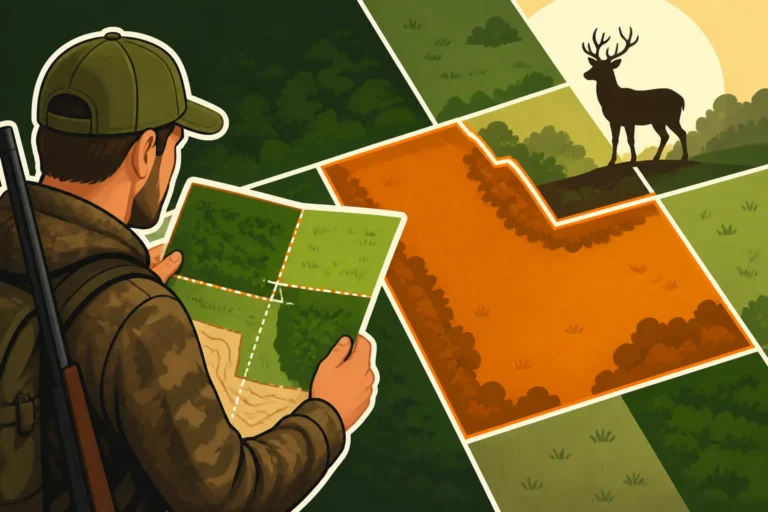
Hunting within the Upper Mississippi River Refuge is rewarding, but it demands an almost obsessive attention to detail when it comes to rules and boundaries. It’s not like hunting a simple block of timber where the fence line is obvious. Here, the boundaries often follow subtle changes in elevation, water depth, or old slough lines that can be incredibly difficult to discern without proper tools. It's where modern mapping technology really shines, helping to avoid accidental trespass or hunting in closed areas.
Essential Mapping Tools
When you're out there, relying solely on a paper map can be a real gamble, especially with the ever-changing nature of the river. This is where digital mapping applications become your best friend. Tools like onX Hunt are invaluable for clearly delineating refuge boundaries, waterfowl sanctuary lines, and private property. These apps often feature layers that show public land ownership, walk-in access points, and even topo maps that can help you understand the lay of the land, even when it's under water. I've heard too many stories of hunters unknowingly stepping into a sanctuary or off public land, and it's simply not worth the risk. Always have your phone charged, and consider a portable charger, because you'll be checking that map constantly.
Before you even leave home, spend time e-scouting with these apps. Identify potential access points, note areas marked as "no hunting," and trace your planned routes. Pay close attention to subtle differences in boundary lines. Sometimes, general hunting areas might abut a waterfowl resting area, and knowing that specific demarcation can make or break your hunt, ensuring you stay legal while still being in a productive spot. E-Scouting Iowa Farm Country From Home is a great resource, and many of those principles apply here, just with more water!
Understanding Refuge-Specific Permits and Regulations
Beyond the general Iowa hunting license, some areas within the refuge might require specific permits or have unique regulations not found elsewhere. This is especially true for waterfowl hunting, where certain blinds might be allocated via a draw system, or specific sections might have limited access periods. It's not uncommon for the refuge to have different shooting hours than statewide regulations, or specific rules regarding boat motor size or temporary structures like blinds.
Always review the official Upper Mississippi River National Wildlife and Fish Refuge hunting brochure for the current year. This document is your bible for navigating the specifics. It will outline any special permits, specific bag limits for certain species in certain areas, and detailed maps highlighting various zones. Forgetting this critical step is like showing up to a test without studying – you're almost guaranteed to fail. These specific rules are designed for conservation and to manage hunter pressure, and respecting them is paramount to ensuring the refuge remains a viable hunting ground for everyone.
Accessing the Water and Land
Getting to your hunting spot in the Upper Mississippi River Refuge can be half the battle. This isn't just about driving to a parking lot and walking in; often, it involves boats, navigating channels, or understanding where you can even legally step foot. The river system dictates everything, from how you get there to what kind of game you'll pursue.
Boat Access and Navigation Challenges
For many, a boat is essential to effectively hunt the refuge. Miles of backwaters, islands, and sloughs are simply inaccessible by foot. However, boating on the Mississippi comes with its own set of challenges. Water levels change constantly, revealing hidden stumps, sandbars, and shallow areas that can easily damage your prop or leave you stranded. Knowledge of the river's main channel and smaller slough systems is crucial. You might think you know a route, only for a sudden drop in water to make it impassable, forcing a long, circuitous detour.
Safety on the water is non-negotiable. Always wear a life jacket, especially in cold weather. Share your float plan with someone reliable. Understand that dense fog can roll in quickly, making navigation treacherous. A good GPS unit, coupled with your onX Hunt app on your phone, can be a lifesaver for marking your path and avoiding getting disoriented in the maze of islands and channels. Also, be mindful of commercial barge traffic in the main channel; they have the right of way and create massive wakes. For those looking to hunt waterfowl, Waterfowl Hunting Iowa River Backwaters offers specific tips for this kind of terrain.
Identifying Walk-In Opportunities
While boats open up a lot of the refuge, there are still walk-in opportunities, especially during periods of lower water or in areas adjacent to roads or public access points. These spots often require a good hike and can be excellent for deer or even late-season pheasants and quail that have sought refuge in thicker cover. However, "walk-in" can be misleading on the refuge. You might walk in along an old levee, only to find yourself blocked by a slough or a rise in water that makes further progress impossible.
When considering walk-in access, look for areas where the refuge abuts higher ground or has designated parking areas. The Iowa DNR Hunter Atlas is a great resource for identifying these points. Pay attention to how far you’re willing to walk, especially if you plan to pack out a deer. The ground can be soft, marshy, and thick with tangled vegetation, making a long drag an absolute marathon. Hunting Iowa Walk-In Ground Without Burning It Out provides great insight into how to maximize these types of hunts. Remember, leaving no trace is critical, especially on these remote walk-in tracts. Leaving No Trace on Iowa Walk-In Ground is a good read.
Species-Specific Strategies in the Refuge
The Upper Mississippi River Refuge is a treasure trove of hunting opportunities, but successful strategies are highly dependent on the species you're pursuing and the unique challenges the river system presents. From waterfowl to whitetails, understanding how these animals interact with the dynamic river environment is key.
Waterfowl Hunting Pockets and Potholes
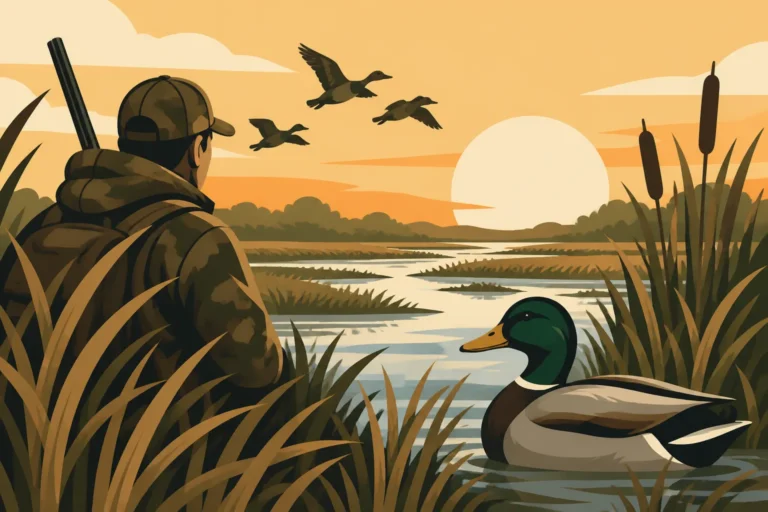
Waterfowl hunting is arguably one of the most popular pursuits on the refuge, and for good reason. The Mississippi River is a major migration corridor on the Mississippi Flyway, funneling countless ducks and geese through Iowa. Success here isn't just about calling; it's about finding the right pockets of water, setting up decoys strategically, and understanding bird behavior in a heavily hunted environment. Look for shallower backwater areas, oxbows, and marshy sections that provide ideal feeding and resting grounds. These often shift with water levels, so scouting close to your hunt date is vital.
Decoy spreads often need to be realistic and adaptable. Sometimes a large spread is effective, but other times a small, realistic "loafing" group of decoys can be more enticing to wary birds. Consider motion decoys, but always be aware of any refuge-specific rules regarding their use. Wind and current are huge factors; position your decoys to make it easy for birds to land into the wind, and use anchors heavy enough to prevent your spread from drifting away. Blinds need to be well-camouflaged, whether you're using natural vegetation or a pop-up blind. The birds here see a lot of pressure, so attention to detail in your hide is crucial. Decoying Ducks on a Backwater Slough provides more detail on setting up in these specific environments.
Whitetail Deer in River Bottom Cover
Hunting whitetail deer in the Mississippi River bottom is a completely different beast than chasing them in the cornfields of central Iowa. Here, the deer often live in dense, linear strips of timber, thick brush, and islands, constantly adapting to fluctuating water levels and hunter pressure. Bucks frequently use these river corridors as travel routes, especially during the rut. Scouting these areas means looking for rub lines and scrapes along the edges of islands or higher ground, understanding that deer will move through the path of least resistance.
The deer in the refuge can be surprisingly elusive due to the thick cover and their constant exposure to human activity, whether from hunters, boaters, or other recreational users. Patience and quiet entry are essential. Consider using a mobile hunting setup, like a saddle, to quickly adapt to changing conditions or to sneak deeper into areas less pressured. Mobile Saddle Hunting in Iowa can be a game-changer for these dense river bottom environments. Access routes are also critical; Access Routes That Do Not Bump Deer is a must-read for anyone hunting pressured public land. Pay attention to wind and thermals, especially in timbered river breaks, as swirling winds can easily give away your position.
| Species | Preferred Refuge Habitat | Key Hunting Challenge | Recommended Tactic |
|---|---|---|---|
| Whitetail Deer | Dense river bottom timber, islands, levee edges | Thick cover, fluctuating water, linear movement | Mobile stands, quiet access, scout travel corridors |
| Ducks & Geese | Shallow backwaters, sloughs, mudflats, marshy pockets | Wary birds, changing water levels, boat access | Realistic decoy spreads, adaptable blinds, e-scouting water |
| Pheasant & Quail | Thicker upland edges, brushy draws adjacent to fields | Dense escape cover, limited contiguous habitat | Working edges slowly, focusing on small pockets of cover |
| Wild Turkey | River bluff hardwoods, timbered islands | Remote access, calling in dense woods | Run-and-gun tactics, roosting birds |
Other Opportunities: Turkeys, Pheasants, and Small Game
While waterfowl and deer often get the spotlight, the Upper Mississippi River Refuge also offers fantastic opportunities for other game species. Wild turkeys can be found in the timbered bluffs and islands, often requiring boat access to reach less-pressured areas. Spring turkey hunting here can be an adventure, with gobblers sometimes roosting over water on islands. Run-and-Gun Turkey Tactics on Iowa Public Land can be adapted for these unique river environments.
For upland birds like pheasants and quail, look for the fringes of the refuge, particularly areas that border agricultural fields or have managed strips of grasses and brush. These spots often hold birds that escape pressure from surrounding private lands. Working these cover edges without a dog can be challenging, but not impossible. Working Pheasant Cover Without a Dog offers some insights. And don't forget about small game like squirrels and rabbits; the dense timber and brush piles along the river are often teeming with them, providing a fun and accessible hunt, especially when deer and waterfowl seasons are closed. Squirrel and Rabbit Hunting in Iowa Timber is a great way to explore the refuge's less-pressured areas.
Essential Gear for Refuge Hunting
Hunting the Upper Mississippi River Refuge demands a specialized gear list that goes beyond what you might need for a typical Iowa hunt. The variable conditions, reliance on water access, and the sheer scale of the landscape mean you need to be prepared for almost anything.
Watercraft and Navigation Aids
If you plan to access the interior of the refuge, a reliable boat is often necessary. This might be anything from a small Jon boat with an outboard motor to a canoe or kayak for stealthier, shallower access. Whatever you choose, ensure it's in good working order, especially the motor. A breakdown miles up a slough could turn a great day into a dangerous situation. Essential safety gear like life jackets, throw cushions, an air horn, and navigation lights are non-negotiable.
Beyond the boat itself, having robust navigation aids is critical. As mentioned earlier, onX Hunt is absolutely essential for understanding boundaries and plotting your course. A dedicated handheld GPS can also be a valuable backup, especially if phone battery life becomes an issue in the cold. Waterproof bags for all your electronics and extra layers are also a must. The river can be an unforgiving place, and being prepared for a quick change in weather or an unexpected dunk is smart.
Clothing for All Conditions
Iowa weather is famously unpredictable, and on the river, it's even more so. You need clothing that can handle everything from warm, early-season mornings to freezing December winds. Layering is key. Start with good moisture-wicking base layers, add insulating mid-layers, and top it off with waterproof and windproof outer shells. Don't skimp on quality; being cold and wet on the river is not only miserable but dangerous.
Consider specialized gear for waterfowl hunting, such as waders or waterproof bibs, even if you plan to hunt from a bank or blind. Retrieving a downed bird often means getting wet. For deer hunting, quiet fabrics are paramount, as the dense cover means deer are often closer than you think. Good quality, insulated, waterproof boots are essential, as you'll inevitably encounter mud, standing water, and slush. Cold Weather Stand Clothing is a great resource for planning your attire, and many of those principles apply directly to the refuge.
Recovery and Safety Gear
Recovering game in the refuge can be incredibly challenging due to thick cover, soft ground, and water barriers. A sturdy deer cart can be a lifesaver, but only if the terrain allows for it. Sometimes, quartering a deer in the field and packing it out is the only viable option, so carry a good game bag and a sharp, reliable knife. Quartering a Deer in the Field might be a skill you'll need to learn.
Safety gear extends beyond boat essentials. Always carry a first-aid kit, a headlamp with extra batteries, and a means of communication (cell phone, satellite messenger, or two-way radio if hunting with a partner). Tell someone where you are going and when you expect to return. The refuge is vast and remote in many areas, and help can be a long way off. A small, lightweight emergency shelter or space blanket can also provide critical warmth if you get stranded unexpectedly. Always prioritize safety over the success of the hunt, because the memories are only good if you make it home to tell the tales.
Disclaimer
This article is for general informational purposes only and does not constitute professional advice. Laws, prices and regulations vary by location and change over time. Consult a qualified professional for guidance on your specific situation.